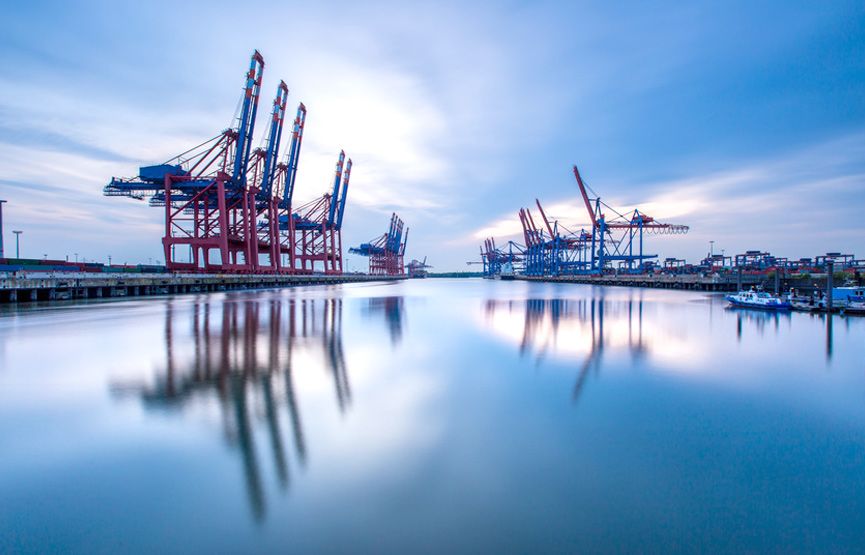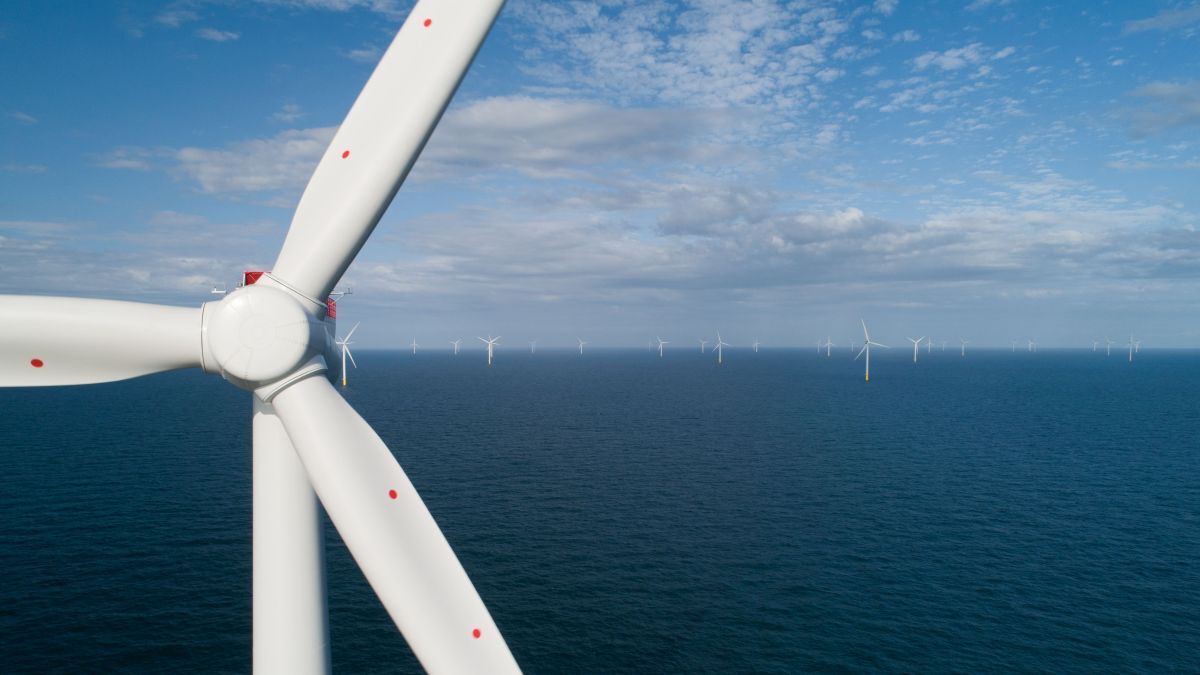
Turkish waters can host fixed-bottom offshore wind, but the big prize is likely to be floating offshore wind (source: Ørsted)
There is a realistic prospect of Turkey holding an auction for offshore wind in 2025, if key steps are taken, delegates at a WindEurope webinar heard
Turkey has a large and growing population, increasing demand for electricity, is developing a national energy plan that includes a commitment to renewables and reduced dependence on fossil fuels, and it has a net zero target in 2053.
The country also has an established onshore wind industry, shipyards capable of building vessels and floating structures, and ports capable of acting as marshalling facilities. It has a technical potential for offshore wind in its waters of 75 GW, but after an abortive tender for 1.2 GW of offshore wind in 2018, little has happened.
However, that could be about to change, as Ministry of Energy and Natural Resources head of energy security of supply, markets and statistics Özgür Sarhan told the 16 June 2022 webinar. Asked whether Turkey would finally ‘come to the offshore wind party,’ he said, “The question is not if, but when.”
Mr Sarhan believes Turkey could holds its first offshore wind auction in 2025, and that the first Turkish offshore windfarm could be operational by 2030. He noted that since the aborted 2018 auction was announced, the levelized cost of energy from offshore wind had continued to fall steeply. “That will help us implement a strategy for offshore wind,” he said. “When the time is right, we will definitely join the offshore wind community, but we need political consistency.”
World Bank senior energy specialist Ayse Yasemin Orucu agreed that there is now a realistic prospect that Turkey could develop up to 2 GW by 2030 and build up a bigger project pipeline.
She explained that only 15% of Turkish offshore wind potential is in areas suitable for fixed-bottom turbines, so most of the windfarms the country develops will be floating. A number of potential sites for fixed-bottom offshore wind are also in restricted areas, limiting their potential.
Maritime spatial planning and the de-risking of projects by international donors will be key to unlocking the Turkish offshore wind potential, she explained, noting that expectations for local content are also high.
Ms Orucu explained that a roadmap for offshore wind in Turkey is due to be launched by World Bank by the end of 2022. She said it will be important that the Turkish government sets clear targets, communicates a medium-term and a long-term vision for the sector, establishes a regulatory framework and clarifies permitting procedures. It will also need to establish a bankable PPA framework, conduct a grid impact analysis and complete a long-term port plan for ports. It will also be important for the Turkish authorities to utilise a range of financial tools to reduce the weighted average cost of capital, and thus reduce the cost of projects.
Turkish Offshore Wind Energy Association chairman Dr Murat Durak highlighted the fact that Turkey has an experienced onshore wind supply chain and already has more than 10 GW of installed onshore wind capacity.
He suggested that one reason offshore wind has not already become established in Turkey is that there is still a lot of untapped onshore wind potential, a sentiment echoed by Ms Orucu, but Dr Durak also noted that onshore wind “cannot match the scale of offshore wind projects.”
Dr Durak pointed to the need to build a strong offshore wind supply chain in Turkey, through education, research and development and test centres. He also stressed the need for international collaboration to exploit the offshore wind potential of the Black Sea and elsewhere. Collaboration is already taking place, he said, and a number of countries had joined a Black Sea Offshore Wind Energy Federation.
Noting that the World Bank has estimated the Black Sea’s technical potential for offshore wind at 453 GW, of which 166 GW is floating wind, Dr Durak said a protocol had been signed with Ukraine and that Bulgaria, Georgia and Romania has to agreed to join the wind energy federation.