Ulstein Design & Solutions’ nuclear-powered offshore vessel concept is being touted as a possible viable future zero-emissions option, while a southeast Asian consortium looks to develop an all-electric OSV
While charter rates in the offshore oil and gas sector do not yet justify newbuilding orders, leading OSV designers and shipbuilders are hard at work drawing up plans for a new generation of vessels that will be operationally flexible, safer, more manoeuvrable and less carbon intensive.
Given environmental demands and fuel costs, fuel efficiency and low or even zero emissions are at the top of charterers’ lists. Pilot projects and retrofits using hydrogen, methanol, ammonia, batteries and fuel cells are already underway in the offshore energy sector. The hydrogen-powered crew transfer vessel (CTV) Hydrocat 48, for instance, is being used to transport crew to and from offshore windfarms for construction and maintenance activities. The vessel sails from Ijmuiden in the Netherlands, but the vessel’s normal operational activities – the maintenance of 44 Vestas turbines for Belgian windfarm Norther – are based out of the port of Oostende, Belgium.
“The bottleneck is the development of the MSRs for vessels”
Owner Windcat Workboats says it wants to use more hydrogen-powered vessels in the future.Hydrocat 48takes the Windcat Mk 3.5 design and enhances it with dual-fuel engines supplied by MAN Engines that are capable of burning hydrogen. CMB.TECH has taken a MAN dual-fuel engine (the MAN D2862 LE428) and retrofitted it with a hydrogen injection system.
The nuclear option
Beyond hydrogen, methanol, ammonia, batteries and fuel cells, are there other options for owners? Torill Muren thinks so. Ms Muren, lead naval architect for Ulstein Design & Solutions, thinks the industry should be considering nuclear power.
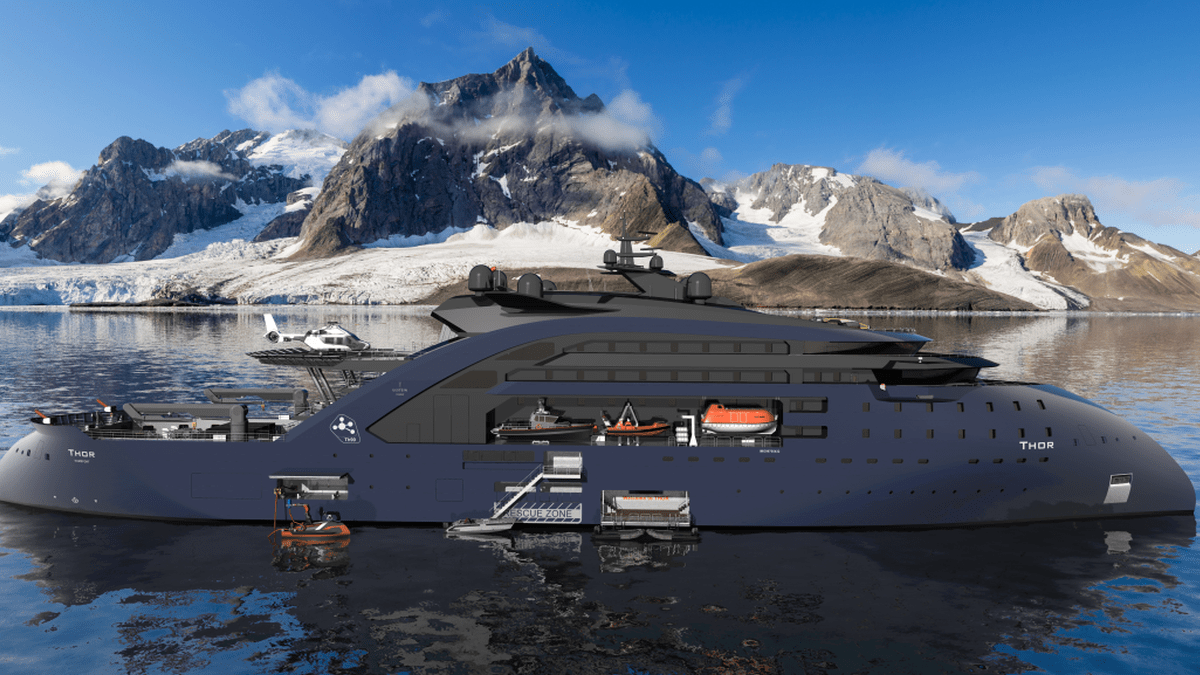
In April, Ulstein unveiled an X-bowed, nuclear-powered offshore vessel concept, Thor. The 149-m all-purpose replenishment, research and rescue (3R) vessel is powered by a thorium molten salt reactor (MSR).
“We have the goals, ambition and environmental imperative to switch to zero-emission operations, but until now we haven’t had the solution,” says Ulstein Design & Solutions CEO Cathrine Kristiseter Marti.
Ms Muren explains: “Thor essentially operates as a floating, mobile, multi-purpose power station that never needs refuelling. [Thor] instantly creates the ocean infrastructure required to facilitate a new battery revolution. The immense power of the reactor would offer sufficient charging capacity to meet the needs of four expedition cruise ships such as the Ulstein Sifs, as well as providing research facilities for polar operations and acting as a rescue vessel for remote regions where there is simply no emergency response capacity.”
“There is an increasing interest in more capable vessels that make transfers more efficient and safer”
The Ulstein Sif is another concept, a 100-m, zero-emission expedition cruise ship that will run on next-generation batteries. Thor would recharge the cruise ships while they are at sea.
Ms Muren says Thor is “the missing piece of the puzzle when it comes to enabling safe, sustainable operations, anywhere on Earth. As such, it really does have the capability to transform our industry.”
As for the fuel, pending the introduction of charging infrastructure, reactors could certainly become the juice of the future, argues Ulstein’s chief designer Øyvind Gjerde Kamsvåg. For evidence that revolutions can happen, he cites the rapid adoption of electric cars in Norway, where in January 2022 no less than 84% of all new cars sold were electric. “Thor, or a concept like it, is the solution for establishing that same charging infrastructure at sea,” he believes, highlighting the value of a floating network of MSR-powered vessels that can power green shipping.