1. Legal Basis & Governing Instruments
- Primary Legislation:
- Shipping and Port Control Ordinance (Cap. 313) – Latest amendment 2023
- Merchant Shipping (Safety) Ordinance (Cap. 369) – Including 2024 updates
- Prevention and Control of Pollution Ordinance (Cap. 311) – Including air emission controls
- Dangerous Goods Ordinance (Cap. 295) – IMDG Code implementation
- Marine Parks Ordinance (Cap. 476) – Special area restrictions
- Merchant Shipping (Seafarers) Ordinance (Cap. 478) – Crew welfare provisions
- Port Security Ordinance (Cap. 582) – ISPS Code implementation
- International Conventions:
- SOLAS 1974 (as amended) – Including 2024 amendments
- MARPOL 73/78 (Annex I-VI) – Full implementation
- Ballast Water Management Convention – HK implementation standards
- Hong Kong International Convention for Safe and Environmentally Sound Recycling of Ships
- STCW Convention (Manila Amendments) – Crew certification requirements
- COLREGs 1972 – Local navigation rules supplement
- MLC 2006 – Crew accommodation and working conditions
- FAL Convention – Facilitation of maritime traffic
- Administrative Directives:
- Marine Department Circulars (2024 Series) – Updated monthly
- Port Operations Directives – Including terminal-specific requirements
- Marine Safety Information Bulletins – Technical guidance
- Port Facility Security Plans – ISPS Code implementation
- Vessel Traffic Service (VTS) Procedures Manual
2. Port State Control Regime
| Inspection Type | Frequency | Focus Areas | Legal Basis | Average Duration | Deficiency Rate |
|---|---|---|---|---|---|
| Initial Inspection | All foreign vessels | Certificates, crew documents, visible deficiencies | Port Control Ordinance Sec. 25 | 2-4 hours | 18% (2023) |
| Detailed Inspection | Targeted based on risk | Structural integrity, safety systems, pollution prevention | Merchant Shipping (Safety) Reg. 15 | 6-8 hours | 32% (2023) |
| Expanded Inspection | High-risk vessels | Full compliance verification including operational tests | MD Instruction No. 12/2024 | 10-12 hours | 45% (2023) |
| Follow-up Inspection | Within 14 days of deficiency rectification | Verification of corrective actions | PSC Manual Chapter 7 | 3-5 hours | 12% (2023) |
| Concentrated Inspection Campaign (CIC) | Annual focus areas | Thematic focus (e.g., fire safety, working conditions) | Tokyo MOU guidelines | Additional 2 hours | 28% (2023) |
3. Enforcement Mechanisms
- Detention Criteria:
- Deficiencies clearly hazardous to safety, health or environment
- Failure of critical equipment (propulsion, steering, etc.)
- Invalid certificates or documentation
- Failure to comply with previous inspection requirements
- Substandard living/working conditions for crew
- Unauthorized modifications to vessel structure
- Failure to carry required pollution prevention equipment
- Evidence of falsified records or documents
- Insufficient manning or unqualified crew
- Penalty Structure:
- Level 1: Minor violations – HK$5,000 to HK$20,000 (e.g., documentation errors)
- Level 2: Substantial violations – HK$20,001 to HK$100,000 (e.g., safety equipment deficiencies)
- Level 3: Major violations – HK$100,001 to HK$500,000 and/or imprisonment (e.g., pollution incidents)
- Daily penalties may apply for continuing offenses (up to HK$10,000 per day)
- Additional penalties for repeat offenders (up to 200% of base fine)
- Company performance linked penalties for frequent violations
- Appeal Process:
- 14-day window to contest findings via Marine Department Tribunal
- Requires submission of new evidence or demonstration of procedural error
- No stay of enforcement during appeal except for exceptional circumstances
- Appeal bond requirement (50% of assessed penalty)
- Average appeal processing time: 28 days
- Right to further appeal to High Court on points of law
- Detention Statistics (2023):
- Total inspections conducted: 4,265
- Vessels detained: 64 (1.5% detention rate)
- Average detention duration: 3.2 days
- Most common detention reasons: Fire safety (32%), structural integrity (28%), lifesaving equipment (19%)
- Detention rate by vessel type: Bulk carriers (2.4%), general cargo (1.9%), tankers (1.3%)
- Average deficiencies per detained vessel: 8.7
4. Special Regulatory Areas
- Dangerous Goods Handling:
- Mandatory pre-notification 72 hours before loading (MD Form 106)
- Special stowage requirements for Class 1 explosives (segregation distances enforced)
- Emergency response plans for vessels carrying DG must be port-specific
- DG cargo manifests must identify UN numbers and proper shipping names
- Specialized firefighting capability requirements for vessels carrying certain DG classes
- Mandatory DG training for crew handling dangerous goods (certificate valid 3 years)
- Restricted transit times for certain DG classes through Victoria Harbour
- Mandatory declaration of DG residues in empty containers
- Special requirements for radioactive materials (Class 7)
- Passenger Ship Safety:
- Enhanced evacuation drills for high-speed craft (quarterly full-scale exercises)
- Mandatory stability calculations for ro-ro vessels prior to each departure
- Special crowd management training for crew (certificate valid for 2 years)
- Alcohol testing regime for bridge team members (random testing in port)
- Infant lifejacket requirements (minimum 2.5% of passenger capacity)
- Enhanced manning requirements during typhoon signals
- Mandatory passenger counting systems for vessels >100 passengers
- Special requirements for overnight passenger vessels
- Mandatory CCTV coverage in passenger areas for vessels >250 passengers
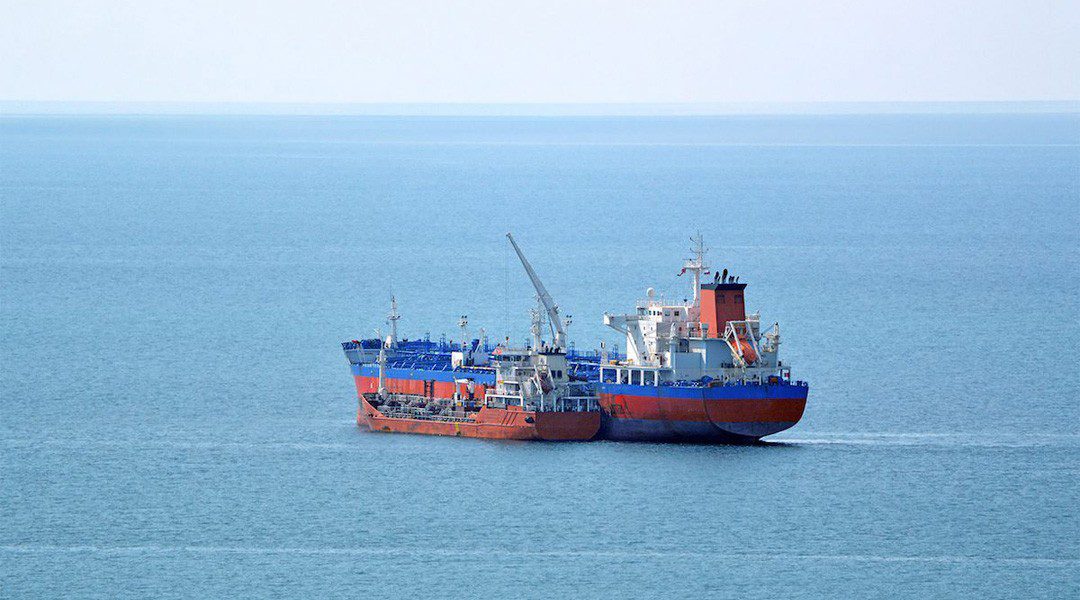
- Bunkering Operations:
- Mandatory use of mass flow meters with real-time monitoring
- Pre-bunkering meeting requirements including spill contingency planning
- Standby vessel requirements for bunker transfers over 500 tonnes
- Fuel sampling protocol (3-part sample with one retained by MD)
- Minimum insurance coverage of HK$100 million for bunker operations
- Restricted bunkering zones in Victoria Harbour
- Mandatory use of vapour recovery systems for certain operations
- Real-time monitoring of bunker operations by Marine Department
- Anchorages and Moorings:
- Designated anchorage areas with specific vessel size restrictions:
- East Lamma Channel Anchorage – Max LOA 330m
- West Po Toi Anchorage – Max draft 15m
- Southwest Lantau Anchorage – For vessels >50,000 GT
- Special typhoon mooring procedures when Signal No. 8 or above is hoisted
- Mandatory anchor watch requirements
- Restrictions on anchoring duration in certain zones (max 7 days in inner anchorages)
- Special provisions for vessels carrying hazardous materials at anchor
- Mandatory reporting of anchor position every 6 hours
- Designated anchorage areas with specific vessel size restrictions:
- Navigational Safety:
- Mandatory use of designated traffic separation schemes
- Speed restrictions in Victoria Harbour (max 10 knots)
- Special provisions for very large vessels (>350m LOA)
- Mandatory pilotage requirements for certain vessel types/sizes
- Restricted areas around submarine cables and pipelines
5. Compliance Verification Procedures
- Documentation Checks:
- Certificate validity cross-checked with flag state databases
- Crew qualifications verified against STCW requirements
- Maintenance records for critical systems (minimum 3 years retention)
- Voyage data recorder (VDR) annual performance certificates
- Ballast water record books (inspection of last 12 months entries)
- Garbage record book verification (including placard compliance)
- Oil record book Part I and II examination
- Safety Management Certificate and DOC verification
- Crew employment agreements inspection
- Operational Testing:
- Emergency generator start under load (within 45 seconds)
- Steering gear changeover procedures (tested at maximum rudder angle)
- Fire pump pressure tests (minimum 3.5 bar at furthest hydrant)
- Lifeboat engine start (both in stowed and launched position)
- Emergency lighting duration test (minimum 3 hours)
- Watertight door operation testing
- Emergency fire pump remote start verification
- Bridge equipment functionality checks
- Quick closing valve testing
- Technical Verification:
- Thickness measurements for suspect areas (ultrasonic testing)
- Oil content meter calibration checks
- Fixed firefighting system pressure tests
- Load testing of cargo securing equipment
- Emergency shutdown system testing
- Bridge equipment functionality checks
- Structural surveys for vessels >15 years old
- Fuel oil sampling for sulphur content verification
- Crew Competency Verification:
- Random selection of crew for operational knowledge testing
- Emergency procedure knowledge verification
- Equipment familiarization checks
- Language proficiency assessment for key personnel
- Practical demonstration of safety equipment operation
- Verification of rest hour records
6. Regulatory Updates Process
- Implementation Timeline:
- Immediate effect for safety-critical changes (e.g., navigation warnings)
- 3-month grace period for operational adjustments (e.g., new reporting forms)
- 6-month transition for major regulatory shifts (e.g., equipment requirements)
- 12-month phase-in for capital-intensive requirements (e.g., BWMS installations)
- Grandfathering provisions for certain existing vessels
- Consultation Process:
- Draft regulations published for 60-day comment period
- Industry working groups for complex implementations
- Regulatory impact assessments for major changes
- Stakeholder workshops during development phase
- Online comment portals for proposed changes
7. Industry Compliance Support
- Pre-arrival Checklists:
- Available in 8 languages via Portnet
- Interactive digital forms with validation checks
- Automatic calculation of fees and charges
- Real-time status tracking of submissions
- Integration with vessel databases for auto-population
- Compliance Workshops:
- Quarterly sessions at Hong Kong Maritime Museum
- Specialized sessions for tanker operators (monthly)
- Annual safety symposium with regulatory updates
- New regulations implementation briefings
- Port facility security officer training
- Technical Hotline:
- +852 2852 4499 (24/7 for regulatory queries)
- Dedicated email for technical questions (techquery@mardep.gov.hk)
- Video consultation service for complex issues
- On-call technical support for emergencies
- Multilingual support available
- Compliance Assistance:
- Pre-inspection self-assessment toolkit
- Regulatory gap analysis service
- Best practice guides for common deficiencies
- Model safety management system templates
- Checklists for specific vessel types
8. Enforcement Statistics (2023)
| Category | Inspections | Deficiencies | Detentions | Common Deficiencies | Average Deficiencies per Inspection |
|---|---|---|---|---|---|
| Container Ships | 1,842 | 327 | 18 | Fire doors, lifeboat equipment, documentation | 1.8 |
| Bulk Carriers | 1,205 | 412 | 24 | Cargo holds, structural integrity, ventilation | 2.1 |
| Tankers | 687 | 198 | 9 | Inert gas systems, pump rooms, pollution prevention | 1.9 |
| General Cargo | 531 | 287 | 13 | Cargo securing, hatch covers, lifesaving | 2.4 |
| Passenger Ships | 215 | 76 | 0 | Safety management, muster lists, emergency lighting | 1.2 |
9. Key Contact Information
- Marine Department Headquarters:
- Address: 21/F, Harbour Building, 38 Pier Road, Central, Hong Kong
- 24-hour Operations Hotline: +852 2852 3088
- Port State Control Office: +852 2852 4066
- Dangerous Goods Hotline: +852 2852 4944
- Pollution Reporting: +852 2852 4911
- Port Facilities:
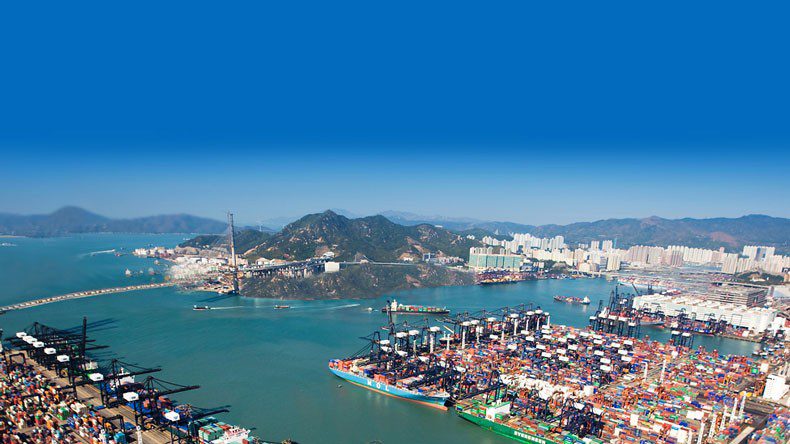
- Kwai Tsing Container Terminals (Terminals 1-9):
- VHF Channel 12 (Port Control)
- Berth booking: +852 2753 8218
- Hong Kong International Terminals (HIT):
- VHF Channel 71
- Operations: +852 2619 8111
- China Merchants Port (CMPort):
- VHF Channel 14
- Operations: +852 2555 8288
- Kwai Tsing Container Terminals (Terminals 1-9):
- Emergency Services:
- Marine Rescue Coordination Centre: +852 2852 2499 (VHF Ch 16)
- Fire Services (Marine Incidents): 999 (VHF Ch 16)
- Marine Police: +852 2803 6241 (VHF Ch 12)
- Medical Evacuation: +852 2305 8412
10. Recent Regulatory Updates (2024)
- Fuel Oil Standards:
- 0.10% sulphur limit in Hong Kong waters (extended to all vessels at anchor)
- Mandatory use of compliant fuels during entire port stay
- Enhanced sampling and testing procedures
- Ballast Water Management:
- Full implementation of D-2 standard for all vessels >400 GT
- Mandatory sediment disposal at reception facilities
- New reporting requirements for ballast water operations
- Cyber Security:
- New guidelines for shipboard computer systems
- Mandatory risk assessments for OT systems
- Reporting requirements for cyber incidents
- Crew Welfare:
- Enhanced minimum accommodation standards
- Mandatory internet access provisions
- New requirements for mental health support
11. Compliance Certification Requirements
| Certificate | Validity | Issuing Authority | Inspection Frequency | Special Notes |
|---|---|---|---|---|
| International Tonnage Certificate | Indefinite | Flag State | 5 years (verification) | Required for all vessels >24m |
| Safety Management Certificate | 5 years | Classification Society | Intermediate verification at 2.5 years | Mandatory for all SOLAS vessels |
| International Air Pollution Prevention Certificate | 5 years | Flag State/RO | Annual survey | Includes EIAPP for engines >130kW |
| Ballast Water Management Certificate | 5 years | Flag State/RO | Annual survey | D-2 standard required |
| International Sewage Pollution Prevention Certificate | 5 years | Flag State/RO | Annual survey | Required for vessels >400 GT |
| Hong Kong Local Operating License | 1 year | Marine Department | Initial inspection | Required for all commercial vessels in HK waters |
12. Navigation and VTS Requirements
- Mandatory Reporting Points:
- East Lamma Channel (entering/exiting port)
- West Lamma Channel (for vessels >300m LOA)
- Kap Shui Mun (all vessels)
- Lei Yue Mun (all vessels)
- VTS Communication:
- Primary working channel: VHF 12
- Secondary channel: VHF 67
- Mandatory AIS transmission at all times
- LRIT reporting requirements for certain vessels
- Speed Restrictions:
- Victoria Harbour: 10 knots (all vessels)
- Approach channels: 12 knots (vessels >20,000 GT)
- Within 500m of ferry terminals: 5 knots
- Special Navigation Rules:
- Right of way for high-speed ferries in designated lanes
- Restricted areas around submarine cables
- No overtaking in narrow channels
- Special provisions for VLCCs (>320m LOA)
13. Waste Management Requirements
- Reception Facilities:
- Oil waste: Available at all main terminals (min. capacity 100m³)
- Garbage: Segregated reception at Kwai Chung and Stonecutters
- Sewage: Pump-out facilities at all container terminals
- Chemical waste: Special arrangements required (48h notice)
- Discharge Restrictions:
- Zero discharge policy for all wastes in HK waters
- Special areas under MARPOL Annexes I, IV and V
- Ballast water exchange prohibited within 200nm of HK
- Record Keeping:
- Oil Record Book: Part I (machinery space) and Part II (cargo/ballast)
- Garbage Record Book: All disposals to be recorded
- Ballast Water Record Book: Required for all vessels >400 GT
- Retention period: 3 years minimum
14. Crew Welfare and Labor Requirements
- Accommodation Standards:
- Minimum floor area: 3.5m² per person (officers), 2.5m² (ratings)
- Minimum headroom: 203cm in all crew spaces
- Sanitary facilities: 1 toilet/shower per 6 persons max
- Recreational facilities: Required for vessels >500 GT
- Working Conditions:
- Maximum 14 hours work in any 24-hour period
- Minimum 10 hours rest in any 24-hour period
- Maximum 91 hours work in any 7-day period
- Mandatory overtime records
- Medical Requirements:
- Medical chest meeting latest WHO standards
- Trained first aid provider on all vessels
- Medical doctor required for vessels >15 persons and >3 days between ports
- Telemedical assistance available 24/7 via VHF
15. Emergency Preparedness Requirements
- Drill Frequency:
- Abandon ship: Monthly (100% crew participation)
- Fire: Monthly (all crew every 3 months)
- Damage control: Quarterly
- Oil spill: Quarterly for tankers, annually others
- Emergency Equipment:
- EEBDs: Minimum 2 per machinery space plus 1 per 200m³
- Immersion suits: 100% complement for vessels in cold waters
- Emergency towing arrangements: Required for vessels >20,000 GT
- Emergency position lights: Tested monthly
- Port Emergency Contacts:
- Marine Rescue Coordination Centre: +852 2852 2499 (VHF 16)
- Oil Spill Response: +852 2375 2488
- Hazardous Materials: +852 2852 4944
- Medical Emergency: 999 (state “marine emergency”)