
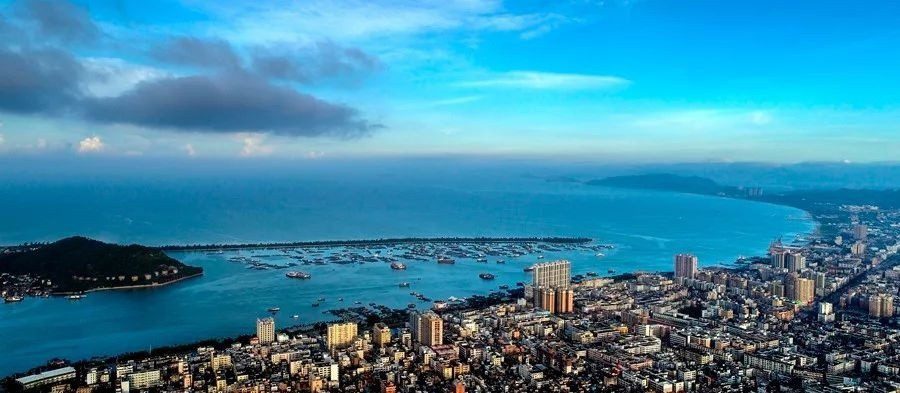
1.Port Description
General Information
Shanwei Port is a medium-sized commercial port located in Guangdong Province, China, administered by Shanwei Port Authority. It serves as an important regional hub for containerized, bulk and general cargo. The port has been undergoing expansion with new deep-water berths constructed in recent years. It features modern cargo handling equipment and connects to major regional transportation networks.
Port Types
– Size Classification: Medium port (annual throughput 15-20 million tons)
– Geographical Classification: Natural coastal harbor
– Usage Classification: Comprehensive commercial port (including container, bulk, general cargo)
– Functional Classification: International trade port (approved by Chinese government for foreign trade)
Long./Lat.
Main port area coordinates: 22°45’00″N / 115°21’00″E
Approach channel waypoint: 22°40’12″N / 115°25’36″E
Time Zone
GMT+8 (China Standard Time, no daylight saving time observed)
Port operates 24/7 with no seasonal time changes
Port Location
Shanwei Port is situated on the eastern coast of Guangdong Province, facing the South China Sea. It is located approximately 120 nautical miles northeast of Hong Kong and 160 nautical miles east of Guangzhou. The port is naturally sheltered by surrounding hills and features a 5.5 km long breakwater system.
Port Limits
The official port limits as defined by Guangdong Maritime Safety Administration:
– Northern boundary: 22°48’00″N
– Southern boundary: 22°42’00″N
– Western boundary: 115°20’00″E
– Eastern boundary: 115°28’00″E
Vessel reporting point: 22°43’30″N / 115°24’45″E
Load Lines
– Tropical Zone load line applies (per IMO Resolution A.1053(27))
– Summer freeboard: 5.2m for typical Panamax vessels
– Tropical freeboard: 4.8m for typical Panamax vessels
– Fresh water allowance: 120mm
Water Density
– Average seawater density: 1.025 t/m³
– Seasonal variation: 1.020-1.027 t/m³
– Fresh water density at berths: 1.000 t/m³
Charts and Books
Official navigation references:
– Chinese Navy Hydrographic Office Chart: 15421 (2022 edition)
– Admiralty Chart: 3482 (2023 edition, scale 1:25,000)
– China Port Entry Guide (Vol.3 South China Sea Ports)
– Notices to Mariners: Guangdong MSB Weekly Updates
– Electronic charts: ENC CN502241 (Shanwei Harbor)
Port Restrictions
Current operational limits (per Port Authority Notice 2023-05):
– Maximum DWT: 80,000 tons (new deep-water berths)
– Maximum LOA: 230 meters
– Maximum Beam: 32.5 meters
– Maximum Draft: 13.5 meters (at high tide, new channel)
– Air Draft: 38 meters (restricted by Honghai Bay Bridge)
– Night navigation: Restricted for vessels >10,000 DWT
Regulations
Key port regulations:
– Mandatory VHF channels: Ch 16 (calling), Ch 08 (port operations)
– Pilotage compulsory for:
– All foreign vessels
– Domestic vessels >5,000 GT
– Dangerous cargo vessels
– Anchorage areas: Designated zones A1-A3 (see port chart)
– Dangerous goods: IMDG Code compliance required + local notification 72h prior
– Waste disposal: MARPOL compliance with port reception facilities
Weather Condition
Annual weather patterns (China Meteorological Data):
– Average temperature: 22°C (range 10°C-35°C)
– Humidity: 75-85%
– Annual precipitation: 1,800-2,000mm
– Rainy season: April-September (80% of annual rainfall)
– Typhoon season: June-October (average 1-2 direct hits annually)
– Visibility: <1km for 15 days/year (mainly fog in spring)
– Wave height: <1m for 80% of year (monsoon waves up to 3m in winter)
Tide and Currents
Tidal characteristics (based on 2022 survey):
– Tidal type: Regular semi-diurnal
– Mean tidal range: 1.2m
– Spring tidal range: 2.8m
– Neap tidal range: 0.6m
– Highest astronomical tide: +3.1m CD
– Lowest astronomical tide: -1.8m CD
Current patterns:
– Flood current: NW direction, max 2.1 knots
– Ebb current: SE direction, max 2.4 knots
– Eddy currents near breakwater ends
Identification Cards
Crew documentation requirements:
– Seaman’s book sufficient for shore leave (24h notice)
– Temporary shore passes available through agent
– Immigration procedures:
– Crew list submission 24h before arrival
– Passport validity >6 months required
– Customs allowances: 2000 CNY duty-free per crew member
Traffics
Transport connections:
Air:
– Shanwei Lianhe Airport (SWA, 30km):
– 4 weekly flights to Beijing/Shanghai
– Helicopter service available for crew changes
Rail:
– Shanwei Station (15km from port):
– 8 daily HSR to Shenzhen (1h) and Guangzhou (1.5h)
– Freight service to inland China
Road:
– G15 Shenyang-Haikou Expressway direct port access
– S19 Provincial Highway connection
– Average truck transit time to Shenzhen: 2.5 hours
Holidays
Official non-working days (2024):
– Chinese New Year: Feb 10-17 (limited operations)
– Qingming Festival: Apr 4-6
– Labor Day: May 1-5
– Dragon Boat Festival: Jun 8-10
– Mid-Autumn Festival: Sep 15-17
– National Day: Oct 1-7
Note: Holiday operations require:
– 72h prior notice
– 50% surcharge on labor rates
– Minimum gang size requirements
Currency
Financial information:
– Local currency: Chinese Yuan (CNY)
– Exchange rate: 1 USD ≈ 7.2 CNY (floating)
– Banking facilities: Bank of China branch at port
– ATMs: Available at port administration building
– Credit cards: Visa/MasterCard accepted at major terminals
– Crew cash limits: No official restrictions (declaration >5,000 USD required)
Main Cargo Handled
Annual throughput (2023 estimates):
– Bulk cargo: 8-10 million tons
– Coal: 4 million tons
– Iron ore: 2 million tons
– Grain: 1.5 million tons
– Liquid bulk: 2 million tons
– Edible oil: 1 million tons
– Chemicals: 0.8 million tons
– Containers: 200,000 TEU
– General cargo: 3 million tons
– Steel products: 1.2 million tons
– Machinery: 0.8 million tons
– Project cargo: 0.5 million tons
2. Notification and Reports
General Information
All vessels entering, operating within, or departing Shanwei Port must comply with China Maritime Safety Administration (MSA) regulations (Decree No.14 of 2021) and local port rules. The following procedures are mandatory for ship masters, owners, and managers. Key updates for 2024 include mandatory electronic submission of all documents via China Maritime Electronic Certification System (CMECS) and real-time AIS monitoring throughout port stay.
Arrival and Departure Checklists
Pre-Arrival (72h prior):
– Complete electronic port entry application via CMECS
– Submit crew/passenger manifests (Form MSA-01)
– Provide cargo documentation including detailed stowage plan (for hazardous cargo) and container verification weight (VGM) certificates
– Submit Ship Security Report (ISPS requirement)
– Bunker declaration (if carrying >5000t fuel oil)
Arrival Procedures:
– Confirm VTS clearance (VHF Ch12)
– Verify mooring plan with Port Control
– Submit original documents to Immigration, Customs, and MSA
– Complete Port State Control preliminary checklist
Departure Requirements:
– Obtain port clearance certificate (Form PC-2024)
– Submit final crew list (no changes permitted after submission)
– Complete electronic customs declaration
– Verify all waste disposal receipts are recorded
– Confirm no outstanding port dues
Documents and Certificates
Mandatory Documents:
– Crew list (5 copies – added Quarantine copy)
– Passport/Seaman’s book copies (certified by master)
– SED vaccination records (yellow fever if applicable)
– Continuous Synopsis Record (CSR)
– Ballast Water Management Certificate
– Energy Efficiency Certificate (EEXI)
– Carbon Intensity Indicator (CII) documentation
– Garbage Management Plan (latest revision)
– Biofouling Management Record
– ECDIS backup procedures documentation
Vessel Traffic Services (VTS)
Shanwei VTS operates 24/7 with 2024 upgrades:
– New radar coverage to 35nm
– AIS mandatory tracking zone extended to 50nm
– Digital reporting via CMECS (supplementing VHF)
– Coverage area: 22°40’N-22°50’N / 115°18’E-115°30’E
– Mandatory reporting points at 25nm from port, port limits entry, and inner fairway buoy #3
Emergency Co-ordination Centre
Shanwei Maritime Search and Rescue Center:
– Address: No.1 Gangwan Road, Shanwei Port
– 24h Emergency Contact: +86 660 345 6110 (VHF Ch16/70 DSC)
– New Joint Command Center with direct satellite backup: +870 764 321 456
– Emergency medical evacuation procedures and designated helicopter landing zones
Harbour Management Communications
Shanwei Port Authority:
– Address: Port Administration Building, Gangwan Avenue
– 24/7 Contacts:
– Operations: +86 660 345 6222 (VHF Ch12)
– Security: +86 660 345 6888
– Email protocols for routine, urgent, and security communications
Radio
Primary communication methods:
– Coastal Radio Station: Shanwei Radio (call sign BLD)
– Working frequencies: 2182 kHz (HF) and 156.8 MHz (VHF Ch16)
– New digital radio system (dPMR standard)
– Backup HF frequencies: 4125 kHz (night), 6215 kHz (day)
VHF
Operational channels:
– Ch 16: Calling/Distress
– Ch 12: Port Operations (primary)
– Ch 08: Pilot/Tug coordination
– Ch 11: Port Security (new)
– Ch 14: Meteorological updates (new)
– Automated voice services on Ch18 (tides) and Ch19 (port status)
Radars
Shanwei Port Radar System:
– New X-band radar (resolution 0.5m)
– Coverage: 30nm radius from VTS center
– Primary radar sites at West Breakwater and East Headland
– Radar-assisted navigation available for vessels >10,000 GT or during poor visibility
Notices of Readiness
Revised 2024 procedures:
– Electronic submission via CMECS required
– Time stamping at moment of physical arrival and document completion
– Validity conditions include all cargo gear certification and no outstanding PSC deficiencies
Immigration
Updated procedures:
– Biometric registration for all crew
– Visa requirements: Chinese visa or 144-hour transit permit
– Shore leave restrictions: Curfew 0000-0600, no access to restricted zones
Health
Enhanced protocols:
– Mandatory pre-arrival health questionnaire (Form HQ-2024)
– Vaccination requirements: COVID-19 (2 doses) and yellow fever (if applicable)
– 20-bed isolation unit available onshore
Customs
Modernized procedures:
– Electronic clearance only (no paper)
– New RFID tagging for high-value cargo
– Duty-free allowances unchanged (400 cigarettes, 2L alcohol per crew)
Prior Declaration and Authorization
New requirements:
– Hot work: 48h notice + safety plan
– Bunkering: SMS review and spill response verification
– Special operations pre-approval for underwater inspections, drone surveys, etc.
Restricted Activities
Updated prohibitions:
– No discharge of scrubber wash water
– Prohibited anchor zones marked by yellow/red buoys
– Speed limits: Inner harbor 6 knots, approach channel 8 knots, turning basins 4 knots
Incidents
Revised reporting:
– Immediate reporting required for spills >100 liters, hospitalization injuries, navigation aids damage
– Digital reporting forms for pollution, accidents, and security incidents
Others
Additional 2024 requirements:
– Monthly cyber security reports
– Annual EEXI compliance verification
– Continuous emissions monitoring data
– Crew welfare facility inspection records
3. Port Navigation
General Information
Shanwei Port navigation complies with China MSA Notice No.2023-08 and IMO Resolution A.1106(29). The port features:
– Main channel: 14.5km length, 200-300m width
– Design depth: -14.5m CD (Chart Datum)
– 3 turning basins (diameter 450-600m)
– Mandatory AIS transmission within 50nm
– VTS coverage extends 35nm offshore
Pilot Station and Pilotage
Pilot Boarding Areas:
1. Primary:
– Position: 22°42’30″N / 115°26’00″E
– Depth: 15m
– Distance: 2nm NE of breakwater
2. Alternate (bad weather):
– Position: 22°40’00″N / 115°24’00″E
– Depth: 18m
– Shelter from NE winds
Contact Procedures:
– Initial contact: VHF Ch16 (then switch to Ch12)
– Required ETA notices:
– 24h preliminary
– 12h confirmed
– 6h update
– 3h final
Pilot Boats:
1. “Shanwei Pilot 1”:
– LOA: 28m
– Color: Orange with white stripe
– Call sign: BLP1
2. “Shanwei Pilot 2”:
– LOA: 25m
– Color: Orange with blue stripe
Boarding Requirements:
– Pilot ladder:
– Height above water: 1.5m ± 0.5m
– Rigged clear of discharges
– Night: Illuminated (minimum 50 lux)
– Maximum conditions:
– Wave height: 2.5m
– Wind: Beaufort 6
– Current: 3 knots
Approaches and Channels
Main Approach Channel:
– Waypoints:
1. Sea Buoy (22°38’12″N / 115°29’24″E)
2. Intermediate Point (22°40’36″N / 115°27’48″E)
3. Inner Harbor Entrance (22°43’12″N / 115°23’36″E)
– Depths:
– Outer section (0-5nm): -16m
– Middle section (5-8nm): -14.5m
– Inner section (8-8.5nm): -13m
– Currents:
– Flood tide: NW 2.1 knots (max)
– Ebb tide: SE 2.4 knots (max)
Branch Channels:
1. West Terminal Channel:
– Length: 2.1km
– Depth: -12.0m
– Width: 150m
– Turning circle: 300m diameter
2. Oil Terminal Channel:
– Length: 1.8km
– Depth: -13.0m
– Width: 180m
– Restricted to tankers only
Anchorages
Designated Anchorage Areas:
1. Outer Anchorage (A1):
– Boundaries:
– 22°38’00″N – 22°40’00″N
– 115°22’00″E – 115°25’00″E
– Depth: 18-22m
– Bottom: Clay with good holding
– Purpose: Waiting for berth/orders
2. Inner Anchorage (A2):
– Boundaries:
– 22°43’00″N – 22°45’00″N
– 115°20’00″E – 115°22’00″E
– Depth: 12-15m
– Bottom: Sand/shell
– Purpose: Shelter/repairs
Emergency Anchorage:
– Position: 22°41’00″N / 115°27’00″E
– Depth: 20m
– Special markings: Yellow buoys with “EMERGENCY”
– Priority: Vessels in distress only
Navigation Aids
Fixed Aids:
1. Shanwei Lighthouse:
– Position: 22°44’18″N / 115°21’24″E
– Characteristics: Fl(3)W 20s
– Height: 25m
– Range: 18nm
– RACON: Morse “S” (band X)
2. Breakwater Lights:
– East: Fl G 4s
– West: Fl R 4s
Floating Aids:
– Buoyage system: IALA Region A
– Special marks:
– Yellow buoys for anchorage areas
– Cardinal marks for hazards
Electronic Aids:
– DGPS Station:
– Call sign: BLD
– Frequency: 305.5kHz
– Accuracy: ±1m
– AIS Base Station:
– Coverage: 50nm
– MMSI: 004123100
Maximum Authorized Speed
Speed Restrictions:
– Outer approaches (beyond 5nm): No limit (safe speed)
– Approach channel (0-5nm): 10 knots
– Inner channel: 8 knots
– Turning basins: 6 knots
– Berthing areas: 4 knots
Enforcement:
– VTS radar monitoring
– Automatic speed logging
– Penalties for violations per MSA Regulation 15
Navigation Priority
Priority Sequence:
1. Vessels in distress
2. Naval/government vessels on duty
3. Passenger vessels on schedule
4. Tankers with Class I dangerous goods
5. Vessels >200m LOA
6. All others by arrival time
Special Rules:
– Outbound vessels have priority in main channel
– Fishing vessels must give way to commercial traffic
Weather Restrictions
Operational Limits:
– Wind:
– Beaufort 7: Speed restrictions
– Beaufort 8: Movement suspended
– Visibility:
– <1nm: No entry/departure
– <500m: All movements stopped – Waves: – >2.5m: No pilot transfer
– >3m: Port closed
Typhoon Procedures:
– Signal No.1: Prepare
– Signal No.3: Stop operations
– Signal No.8: Evacuate port
Night Entry or Departure
Permitted Conditions:
– Vessels <200m LOA
– Minimum 2 tugs escort
– VTS approval obtained
– All navigation lights operational
– No hazardous cargo operations
Prohibited For:
– Vessels with propulsion restrictions
– First-time visiting vessels
– Special operations (dredging, etc.)
UKC (Under-Keel Clearance)
Minimum Requirements:
– General formula:
UKC = Static Squat + Dynamic Squat + Motion + 0.5m
– Bottom specific:
– Mud: 10% of draft
– Sand: 12% of draft
– Rock: 15% of draft
Monitoring:
– VTS multi-beam surveys
– Real-time tidal corrections
– Mandatory reporting when UKC <1m
Bridges
Honghai Bay Bridge:
– Position: 22°46’12″N / 115°19’48″E
– Clearance:
– MHW: 42m
– HAT: 40m
– Passage Rules:
– Advance booking: 24h
– Speed limit: 6 knots
– Daylight only (0700-1900)
– Tug escort mandatory
– Air draft verification required
Air Drafts Limit and Air Gap
Vertical Clearances:
1. Honghai Bay Bridge: 42m (MHW)
2. Power lines: 45m (minimum)
3. Container cranes: 38m (fixed)
Requirements:
– Minimum air gap: 2m
– Special permits needed for >35m air draft
– Real-time monitoring by VTS laser system
Vessels Shifting
Standard Procedures:
– VTS clearance required
– Minimum tugs:
– <150m: 1 tug – 150-200m: 2 tugs – >200m: 3 tugs
– Daylight preferred for hazardous cargo
Prohibited Conditions:
– Typhoon warning ≥No.3
– Visibility <500m
– Port emergency drills
Vessels Transiting
Transit Requirements:
– Continuous VHF watch on Ch12
– AIS must remain active
– Speed compliance monitored
– Designated route adherence
Special Transit Slots:
– Daily 0600-1800
– Maximum 2 transits/hour
– Priority for scheduled services
Vessels Towing
Pre-arrival Requirements:
– 72h advance notice
– Tow plan submission
– Emergency procedures
– Certificates for tow gear
Escort Requirements:
– 1 tug per 100m of tow length
– Minimum 2 tugs regardless of size
– Daylight only for >200m tows
Tugs and Working Boats
Tug Specifications:
1. “Shanwei Tug 1”:
– Bollard pull: 65t
– Length: 38m
– Year built: 2021
2. “Shanwei Tug 2”:
– Bollard pull: 50t
– Length: 35m
– Year built: 2019
3. “Shanwei Tug 3”:
– Bollard pull: 40t
– Length: 32m
– Year built: 2018
Working Boat Fleet:
– 4 pilot boats (24m LOA)
– 2 patrol boats (20m)
– 3 garbage barges (50t capacity)
– 1 oil spill response vessel (100t)
Vessels in Special Operations
Regulatory Requirements:
1. Dredging:
– MSA permit required
– NOTAM issued
– Guard boat mandatory
2. Underwater Surveys:
– Dive team certification
– 50m safety zone
3. Heavy Lifts:
– Stability approval
– Wind 4. Bunkering:
– SOPEP equipment verified
– Standby vessel required
4. Pollution Control
Ballast and Deballast
Regulations:
– Strict compliance with:
– China MEP Order No.561 (2023)
– IMO Ballast Water Management Convention (BWMC)
– GB 3552-2018 (Discharge Standards)
– Mandatory procedures:
1. Pre-arrival declaration (Form BWM-01) submitted 24h prior
2. Ballast Water Reporting Form (China MSA Form 2024-BW)
3. No ballast exchange within 12nm of coastline
4. Complete recording in Ballast Water Record Book
5. Sampling ports accessible for inspection
Facilities:
– Ballast Water Reception:
– Capacity: 5,000m³/day
– Treatment system: UV-based at Berth 5 (Flow rate: 500m³/hr)
– Backup chemical treatment available
– Sampling and Analysis:
– Certified laboratory on-site
– Testing parameters: salinity, turbidity, living organisms
– Turnaround time: 4 hours for standard tests
Restrictions:
– Prohibited:
– Night operations (2000-0600 local time)
– Exchange in sensitive areas (marked on port charts)
– Untreated ballast water discharge
– Special Requirements:
– Ballast water management plan approval
– Sediment disposal in designated areas only
– Emergency discharge reporting within 1 hour
Garbage Disposal
Collection Services:
– Primary Provider: Shanwei Port Environmental Services Co.
– 24h Contact: +86 660 345 6999
– Emergency: VHF Ch16 (call “Shanwei Garbage”)
– Email: garbage@shanweiport.gov.cn
– Secondary Provider: Green Ocean Waste Management
– Contact: +86 660 345 6777
Facilities:
– Floating Assets:
– 6 garbage barges (20m³ capacity each)
– 2 incineration barges (5t/day capacity)
– Onshore Facilities:
– 30 segregated skips (5m³ each)
– Central incineration plant (10t/day)
– Compacting station (20t/day)
– Special Handling:
– Medical waste incinerator
– E-waste collection point
Procedures:
– Segregation Requirements:
– Plastics (marked red)
– Food waste (marked green)
– Domestic waste (marked blue)
– Operational waste (marked yellow)
– Collection Schedule:
– Main Berths: 0800-1100 / 1400-1700 daily
– Anchorages: On-call (4h response time)
– Documentation:
– Garbage Record Book (MARPOL Annex V)
– Waste Transfer Notes (3 copies)
– Digital tracking via port system
Charges (2024 Rates):
– Domestic waste: RMB 150/m³
– Plastics: RMB 300/m³
– Food waste: RMB 200/m³
– Hazardous waste: RMB 800/m³
– After-hours service: +50% surcharge
Waste Oil Disposal
Collection Services:
– Primary Provider: CNOOC Shanwei Oil Services
– 24h Emergency: +86 660 345 6110 (VHF Ch16)
– Operations: +86 660 345 6886
– Email: oilwaste@cnoocshanwei.com
– Certified Contractors:
1. Sinopec Environmental (Tank trucks)
2. Clean Seas Co. (Barges)
Facilities:
– Floating Assets:
– 2 dedicated oil barges (500m³ capacity each)
– 1 emergency response barge (300m³)
– Shore Facilities:
– Storage tanks: 10,000m³ total capacity
– Treatment plant: 200m³/hr capacity
– Special Infrastructure:
– Oil Wharf #2 (22°44’30″N 115°22’15″E)
– Dedicated pipeline network
– Heated storage for high-viscosity waste
Procedures:
– Pre-approval:
– 48h notice for standard operations
– Immediate reporting for emergencies
– Transfer Requirements:
– Maximum rate: 100m³/hour
– Minimum temperature: 60°C
– Sampling every 50m³
– Documentation:
– Oil Record Book (Part II)
– Waste Oil Receipt
– Laboratory Analysis Certificate
Charges (2024 Rates):
– Bilge water: RMB 800/m³
– Sludge: RMB 1,200/m³
– Oily mixtures: RMB 950/m³
– Tank cleaning residues: RMB 1,500/m³
– Emergency response: RMB 5,000 base fee + actuals
Sewage Reception
Facilities:
– Floating Assets:
– 3 sewage barges (100m³ capacity each)
– 1 mobile pump unit (50m³/hr)
– Shore Facilities:
– Treatment plant capacity: 2,000m³/day
– Disinfection system: Chlorine + UV
– Pump-out Points:
– All container berths
– Oil terminal
– General cargo wharf
Procedures:
– Scheduling:
– Advance notice: 12h
– Collection window: 0700-1900 daily
– Emergency service: 2h response time
– Documentation:
– Sewage Record Book
– Port Receipt (3 copies)
– Discharge Certificate
– Special Waste:
– Medical sewage: Pre-treatment required
– Grey water: Separate collection available
Charges (2024 Rates):
– Domestic sewage: RMB 300/m³
– Holding tank waste: RMB 400/m³
– Medical wastewater: RMB 800/m³
– After-hours service: +30% surcharge
5. Port Safety and Security
General Information
Shanwei Port maintains comprehensive safety and security measures in compliance with:
– ISPS Code (2023 Edition)
– China Maritime Security Regulations (2024)
– SOLAS Chapter XI-2
The port holds “Tier 1 Security Certification” from China MSA and has implemented the following upgrades in 2024:
1. AI-powered surveillance system covering 100% of operational areas
2. Biometric access control at all restricted zones
3. Enhanced cybersecurity measures for port systems
PSC
Inspection Authority:
– Guangdong MSA Inspection Division (South Zone)
– Office: Port Administration Building, 3F
– Contact: +86 660 345 6226
Inspection Criteria:
– Risk-based targeting system (China MSA Order No.15)
– Priority vessels:
1. Over 12 years old
2. Previous detentions
3. Carrying hazardous cargo
4. Flag state performance below average
2023 Statistics:
– Total inspections: 328
– Container ships: 45%
– Bulk carriers: 30%
– Tankers: 15%
– Others: 10%
– Average inspection duration: 5.2 hours
– Most common deficiencies:
1. Fire safety systems (23%)
2. Life-saving appliances (18%)
3. Pollution prevention (15%)
ISPS
Security Levels:
1. Level 1 (Normal):
– Standard operating procedures
– Random ID checks (10% of personnel)
2. Level 2 (Heightened):
– Additional patrols
– 100% ID verification
– Restricted vehicle access
3. Level 3 (Exceptional):
– Armed guards
– No visitor access
– Vessel screening prior to entry
Facility Security:
– 24/7 monitoring by 58 CCTV cameras
– Motion sensors in restricted areas
– Radiation detectors at all gates
– Cybersecurity Level 4 certification
Emergency
Response Structure:
1. First Responders:
– Port Security (20 officers)
– Fire Brigade (12 personnel)
2. Secondary Support:
– Local Police (SWAT team on call)
– Maritime SAR (2 fast boats)
Equipment Inventory:
– Firefighting:
– 5 fireboats (5,000-20,000L/min capacity)
– 8 foam tenders (10,000L capacity)
– 2 aerial platforms (32m reach)
– Medical:
– 3 ambulances
– Decontamination unit
– Emergency clinic (4 beds)
Drill Schedule:
– Monthly: Fire/abandon ship
– Quarterly: Oil spill response
– Biannual: Full-scale security exercise
Ships Arrest
Legal Framework:
– Primary Laws:
1. China Maritime Code Articles 28-35
2. Special Maritime Procedure Law
3. Supreme Court Interpretation No.3 (2022)
Arrest Procedure:
1. Application filed to Guangzhou Maritime Court
2. Court order issued within 24h (emergency) or 72h
3. Port Authority executes arrest
4. Vessel detained at designated berth (Berth 9A)
Crew Rights:
– May remain aboard with shore leave restrictions
– Provisions guaranteed by court order
– Medical access maintained
Fire Precautions
Tanker Operations:
– Hot Work Permit System:
1. Gas-free certificate required
2. Continuous monitoring
3. Fire watch posted
– Loading/Unloading:
– Static bonding verified
– Maximum rate: 3,000m³/hr
– Emergency shutdown tested daily
General Precautions:
– Smoking only in designated zones (marked yellow)
– Electrical equipment certification:
– Zone 0: Ex ia IIC T4
– Zone 1: Ex d IIC T3
– Fire patrols every 2 hours (documented)
Inspections from Other Parties
Authorized Entities:
1. Classification Societies:
– CCS, ABS, LR, DNV, etc.
2. Cargo Surveyors:
– SGS, Bureau Veritas, etc.
3. P&I Clubs:
– Through appointed correspondents
Inspection Protocol:
– Advance Notice: 24h minimum
– Escort Requirements:
– Restricted areas: Port security escort
– General areas: Ship’s officer escort
– Report Submission:
– Copy to Port Authority within 24h
– Original to vessel’s master
Maritime Security Zones
Designated Areas:
1. Oil Terminal Security Zone (500m radius):
– Access: Tier 3 clearance + escort
– Monitoring: Thermal cameras
2. Container Terminal Zone:
– Access: Tier 2 clearance
– Fencing: 3m high with sensors
3. Naval Restricted Zone:
– Coordinates: 22°47’00″N – 22°49’00″N / 115°18’00″E – 115°20’00″E
– Enforcement: Patrol boats + radar
Regulations:
– AIS transmission mandatory
– No photography/videography
– Drones prohibited without permit
Police
Port Police Station:
– Location: Port Administration Building, 1F
– Jurisdiction: 5km radius from port center
– Personnel: 30 officers (3 shifts)
Special Units:
– Marine Patrol: 2 boats, 6 officers
– K-9 Unit: 4 dogs (explosives/drugs)
– Cyber Crime Division: 3 specialists
Cooperation:
– MOU with Guangdong Coast Guard
– Joint exercises quarterly
Flag
Display Regulations:
– National Flag:
– Size: Minimum 1m² per 50m LOA
– Position: Stern or main mast
– Courtesy Flag:
– Size: 2/3 of national flag
– Position: Foremast
Protocols:
– Half-masting:
– National mourning days
– By special order
– Illumination: Sunset to sunrise
Signals and Lights Display
Navigation Lights:
– Power source: Main + emergency
– Visibility: 2nm minimum
– Testing: Daily by crew
Day Signals:
– Black shapes (cones/cylinders)
– Size: Minimum 0.6m height
Special Signals:
– Dangerous cargo: Red flag/B flag by day
– Diving operations: Alpha flag
– Pilot boarding: H flag
Stowaways and Refuges
Prevention Measures:
– Physical:
– 3m perimeter fencing
– Motion-activated lights
– Procedural:
– Pre-departure search checklist
– Seal inspection program
Processing:
– Detention Facility:
– Capacity: 10 persons
– Medical screening
– Repatriation:
– Average time: 10 days
– Cost: Vessel responsibility
Alcohol, Drugs and Prohibited Items
Substance Policy:
– Alcohol:
– Limit: 0.04% BAC for duty
– Sales restricted in port
– Drugs:
– Zero tolerance
– Random testing authority
Prohibited Items:
– Category A (absolute ban):
– Weapons, explosives
– Category B (restricted):
– Satellite phones
– High-power radios
Reporting of Security Breaches or Suspicious Behaviour
Reporting Channels:
1. Emergency: VHF Ch16
2. Hotline: +86 660 345 6999
3. Mobile App: “PortWatch”
Procedure:
1. Immediate verbal report
2. Written statement within 2h
3. Evidence collection:
– Photos/videos
– Witness statements
4. Follow-up investigation
Operation of drones
Regulations:
– Complete ban in:
1. All operational areas
2. Security zones
3. Within 1km of port perimeter
Permit Process (non-port areas):
1. Application: 7 days advance
2. Requirements:
– Pilot license
– Insurance (min. RMB 1M)
– Flight plan
3. Restrictions:
– Max altitude: 50m
– Daylight only
– Visual line-of-sight
6. Cargo Operations
General Information
Shanwei Port handles approximately 28 million tons of cargo annually (2023 statistics) across 22 operational berths. The port operates 24/7 with three working shifts and maintains:
– ISO 9001:2015 certification for cargo handling quality
– ISO 45001:2018 for occupational health and safety
– Green Port Certification (China MEP 2024)
Tanker Berths and Terminals
Crude Oil Terminal:
– Berths: 3 dedicated berths (T1-T3)
– T1: Depth -16.0m, LOA 330m, Max draft 15.8m
– T2: Depth -15.5m, LOA 300m, Max draft 15.3m
– T3: Depth -14.0m, LOA 250m, Max draft 13.8m
– Pipelines:
– 16″ loading arms (2 per berth)
– 12″ discharge lines with vapor recovery
– Capacity:
– Loading: 10,000m³/hr (max)
– Discharge: 6,000m³/hr (max)
– Product Specifications:
– API range: 28-45
– Temperature range: 30-65°C
– Sulfur content: ≤3.5%
Oil Products Terminal:
– Berths: P1-P4
– Depth: -12m to -14m
– Max LOA: 230m
– Hoses:
– 10″-12″ diameter
– Length: 15m (standard), 20m (available on request)
– Working pressure: 10 bar
– Slop Reception:
– Capacity: 800m³ total
– Max receiving rate: 300m³/hr
– Processing fee: RMB 500/m³
Safety Features:
– Firefighting:
– 2 fireboats (20,000L/min capacity)
– Foam monitors at all berths
– Oil Spill Response:
– 500m containment boom ready
– Skimmer capacity: 200m³/hr
– Other:
– Shore steam: 8 bar pressure available
– Gangways: Aluminum, adjustable (15m reach)
Container Berths and Terminals
Main Container Terminal:
– Berths: C1-C6
– Total quay length: 1,800m
– Depths: -14m to -16.5m
– Max drafts: 14.5m-16.2m
– Equipment:
– Ship-to-Shore (STS) Cranes:
– 12 units (8 new in 2023)
– Outreach: 55m (22 rows)
– Lifting capacity: 50t under spreader
– Dual-hoist system
– Rubber-Tired Gantry Cranes (RTGs):
– 42 units
– Stack height: 5+1
– Wheel spacing: 23.47m
Productivity Metrics:
– Gross crane rate: 35 moves/hour
– Vessel working rate: 120-150 moves/hour
– Berth productivity: 8,000 TEU/day
– Yard productivity: 1,200 TEU moves/day
Specialized Facilities:
– Reefer connections: 600 plugs (400x 440V, 200x 380V)
– Empty container yard: 80,000m² capacity
– Dangerous goods yard: 15,000m² (Class 1-9)
– On-dock rail: 4 tracks, 750m each
Dry Cargo Berths and Bulk Cargo Facilities
General Cargo Berths (G1-G4):
– Total length: 800m
– Depths: -10m to -12.5m
– Max drafts: 10.2m-12.3m
– Deck load capacity: 5t/m²
Bulk Terminals:
Coal Terminal:
– Berths: B1-B2
– Length: 300m each
– Depth: -14.5m
– Unloading system:
– 2 grab unloaders (1,500t/hr each)
– Conveyor system (3,000t/hr)
– Storage:
– Open yard: 200,000m²
– Capacity: 1.5 million tons
– Dust suppression system
Grain Terminal:
– Berth: G5
– Length: 250m
– Depth: -12m
– Equipment:
– Suction unloader: 1,000t/hr
– Mechanical unloader: 800t/hr
– Storage:
– Silos: 250,000t capacity
– Flat storage: 50,000m²
Passenger Berths and Terminals
– Not Available (Shanwei Port is currently for cargo operations only)
Specialised Cargo Handling Facilities
Liquid Chemical Terminal:
– Berths: CH1-CH2
– Depth: -13.5m
– Length: 200m each
– Loading Arms:
– 8″ stainless steel
– Materials: 316L SS for corrosive cargo
– Vapor recovery efficiency: ≥98%
– Compatible Products:
– Acids (sulfuric, hydrochloric)
– Caustic soda
– Vegetable oils
– Chemicals (IMO Classes 3-8)
LPG Terminal:
– Berth: L1
– Depth: -12.5m
– Length: 180m
– Capacity:
– Loading: 6,000m³/hr
– Storage: 50,000m³
– Safety:
– Exclusion zone: 500m radius
– Gas detection system
– Emergency shutdown valves
Loading and Discharging Procedures
Standard Process Flow:
1. Pre-operation Meeting (2h prior)
– Attendees: Ship, Terminal, Agent
– Topics: Sequence, Safety, Emergency
2. Equipment Inspection
– Cargo gear certification
– Hose/pipeline testing
3. Safety Briefing
– All personnel
– PPE requirements
4. Operations
– Continuous monitoring
– Regular sampling (bulk)
– Container verification
5. Completion
– Final survey
– Documentation sign-off
Documentation Requirements:
– Cargo Manifest (4 copies)
– Dangerous Goods Declaration
– Time Sheet (hourly updates)
– Notice of Readiness (NOR)
– Statement of Facts (SoF)
Loading and Discharging Rates
Performance Guarantees:
– Container vessels:
– 25,000 TEU/month capacity
– 95% on-time performance
– Bulk carriers:
– Coal: 30,000t/day
– Grain: 20,000t/day
– Tankers:
– Crude: 80,000t/day
– Products: 50,000t/day
Ship to Ship Transfer
Approved Areas:
– Primary Zone:
– Coordinates: 22°40’12″N 115°25’36″E
– Depth: -22m
– Area: 1km²
– Secondary Zone (emergency):
– 22°38’24″N 115°23’48″E
– Depth: -18m
Requirements:
– Advance Notice: 72h
– Safety Equipment:
– Firefighting gear
– Oil spill kit
– Rescue boat
– Monitoring:
– VTS surveillance
– Patrol boat on standby
Cargo Gear
Usage Policy:
– Containers: Mandatory shore gear
– Bulk: Ship’s gear permitted with certification
– Breakbulk:
– Shore gear preferred
– Ship’s gear requires inspection
Special Equipment:
– Heavy Lift Cranes:
– 2 units (150t SWL each)
– Boom length: 60m
– Outreach: 40m
– Floating Crane:
– Capacity: 250t
– Availability: 48h notice
– Rate: RMB 20,000/hour
Shore Cranes
Container Terminals:
– Ship-to-Shore Cranes:
– 12 units (ZPMC model)
– Specifications:
– Lifting capacity: 65t under spreader
– Outreach: 60m (24 rows)
– Hoist speed: 90m/min (full), 180m/min (empty)
– Power: 1,600kW
General Cargo:
– Mobile Harbor Cranes:
– 16 units (Liebherr HMK 640)
– Capacity: 40-140t
– Boom configurations: 30-48m
– Duty cycle: 24/7 operation
Floating Cranes
– “Shanwei Heavy Lift”:
– Capacity: 250t (main hook), 50t (aux)
– Dimensions: 60m LOA, 24m beam
– Rate: RMB 25,000/hour (4h minimum)
– “Haiyang 102”:
– Capacity: 150t
– Rate: RMB 15,000/hour
Hoses
Inventory:
– Oil:
– 16″ (20 units)
– 12″ (30 units)
– 10″ (50 units)
– Chemical:
– 8″ SS (20 units)
– 6″ PTFE-lined (15 units)
Maintenance:
– Pressure tested quarterly
– Visual inspection before each use
– Certification per ISO 10380
Specialised Cargo Operation
Dangerous Goods Handling:
– Class 1 (Explosives):
– Restricted to Berth D1
– Security escort mandatory
– Radioactive Materials:
– Special permit required
– Dedicated storage area
– Waste Shipments:
– Pre-clearance documentation
– Customs inspection
Lightering and Lighterage
Available Services:
– 15 lighters (1,000-5,000t capacity)
– Typical rates:
– RMB 60/ton (0-5nm)
– RMB 80/ton (5-10nm)
– RMB 100/ton (10-20nm)
Requirements:
– 48h notice for scheduling
– Safety equipment inspection
Barge
Fleet Details:
– Bulk barges:
– 12 units (3,000-5,000t)
– Open/covered options
– Tank barges:
– 8 units (2,000-4,000m³)
– IMO II/III certified
Charter Rates:
– Daily hire: RMB 8,000-15,000
– Trip basis: Negotiable
Cargo Lashing
Responsibilities:
– Containers: Terminal stevedores
– Breakbulk:
– Ship provides materials
– Stevedores perform lashing
Standards:
– CSC plates required
– Annual certification
– Inspection before departure
Cleaning Procedures
Hold Cleaning:
– Fresh water: RMB 1,800/hold
– Chemical cleaning: RMB 3,500/hold
– Waste disposal: RMB 350/m³
Certification:
– Inspection by CIQ upon request
– Certificate of Cleanliness
Opening/Closing Hatches
Standard Practice:
– Crew responsibility
– Stevedores may assist (RMB 600/hatch)
– Safety checklist required
Delay
Typical Scenarios:
– Weather: 12-48h (typhoon season)
– Tides: 2-6h (spring tides)
– Customs: 4-8h (random inspections)
Compensation:
– Force majeure excluded
– Port liability: RMB 60,000/day max
Stevedore Companies
Licensed Operators:
1. Shanwei Port Stevedoring Co.
– Workforce: 500+
– Specialties: Containers, bulk
2. Guangdong Cargo Handlers
– Workforce: 300
– Specialties: Breakbulk, project cargo
Gang Requirements:
– Standard gang: 12 workers
– Productivity: 25-30 moves/gang/hour
Working Hours
Shift Patterns:
1. Day: 0800-1700 (Base rate)
2. Evening: 1700-2400 (+35%)
3. Night: 0000-0800 (+50%)
Overtime Rules:
– Weekdays: 1.5x after 8h
– Weekends: 2.0x all hours
– Holidays: 3.0x all hours
Warehouses and Yards
Storage Capacity:
– Covered:
– 200,000m² total
– Height: 10-15m
– Open:
– 600,000m²
– Paved surfaces
Special Areas:
– Bonded warehouse: 40,000m²
– Cold storage: 5,000m² (-25°C to +15°C)
– Hazardous goods: 20,000m²
7. Port Services
General Information
Shanwei Port provides comprehensive maritime services certified under ISO 9001:2015 and ISO 45001:2018. The port was awarded “5-Star Service Port” status by China MSA in 2023 and has implemented the following service upgrades in 2024:
1. Digital service platform for all port requests
2. Extended operating hours for key services
3. Enhanced quality control measures
Bunkering
Primary Suppliers:
1. CNOOC Fuel Oil Co. (Official port supplier)
– Contact: +86 660 345 6770
– Email: bunker@shanweiport.gov.cn
2. Sinopec Bunker (Alternative supplier)
– Contact: +86 660 345 6771
Available Grades:
– IFO 380 (max 3.5% sulfur)
– IFO 180 (max 1.5% sulfur)
– MGO (DMA grade)
– VLSFO (0.5% sulfur)
– Biofuel blends (B20-B30)
Operational Details:
– Advance notice: 48h standard, 24h emergency
– Delivery methods:
– Barge (5,000-30,000mt capacity)
– Truck (for small quantities <50mt)
- Minimum order: 50mt
- Maximum single delivery: 15,000mt
Quality Assurance:
– Mandatory sampling (3-part sample)
– Mass flow metering system
– Real-time density monitoring
Lubricants
Supplier Network:
1. Sinopec Lubricants (Primary)
– Stock: 200+ varieties
– Emergency delivery: 4h
2. Shell Marine (Secondary)
– Specialized marine lubricants
Available Products:
– Cylinder oils: SAE 40-70
– System oils: SAE 30-50
– Gear oils: SAE 80W-90
– Greases: Lithium complex, calcium sulfonate
Ordering Process:
– Standard order: 24h lead time
– Emergency order: +30% surcharge
– Delivery: Direct to berth or by barge
Fresh Water
Supply Specifications:
– Quality: Meets WHO drinking standards
– Pressure: 3-4 bar at connection
– Temperature: Ambient
Delivery Options:
1. Pipeline connection (all berths)
– Flow rate: 50-100m³/hr
– Metered supply
2. Water barge (for anchorages)
– Capacity: 500m³
– Rate: 80m³/hr
Pricing Structure:
– Standard rate: RMB 25/m³
– After-hours (2000-0600): +20%
– Emergency supply: +50%
– Minimum charge: 50m³
Stores and Spare Parts
Approved Suppliers:
1. Shanwei Marine Supplies
– Address: Port Service Center Bldg
– 24h contact: +86 660 345 6777
2. South China Ship Services
– Specialized in engine parts
Delivery Regulations:
– Customs clearance: 2-4h standard
– Dangerous goods: Special handling
– Bonded items: Prior authorization
Special Services:
– Helicopter transfer: Available for urgent items
– Crane services: For heavy parts (RMB 1,500/hr)
– Refrigerated storage: For perishables
Dunning and Dunnage
Material Options:
1. Wood dunnage:
– Standard size: 100×100×2000mm
– Price: RMB 1,500/m³
2. Plastic dunnage:
– Recyclable material
– Price: RMB 2,000/m³
Services:
– Supply and installation: RMB 500/man-shift
– Removal and disposal: Included
– Certification: Fumigation certs available
Ship Chandlers
Certified Providers:
1. Shanwei Marine Provisions
– Full provisioning services
– Cold chain management
2. Global Ship Supplies
– International standard provisions
Special Capabilities:
– Helicopter transfer: 1h notice
– Barge capacity: Up to 20t
– 24/7 emergency service
Ship Husbandry
Service Scope:
– Hull cleaning (RMB 150/m²)
– Tank cleaning (RMB 300/m³)
– Painting services
– Rope and cable maintenance
Environmental Compliance:
– Zero discharge policy
– Waste water recovery systems
– Certified cleaning agents
Maintenance and Repairs
Available Services:
– Deck:
– Steelwork repairs
– Valve overhauls
– Engine:
– Cylinder head service
– Fuel injection repairs
– Electrical:
– Motor rewinding
– Panel maintenance
Limitations:
– No classification surveys
– No major structural work
Gangway and Deck Watchmen
Regulations:
– Mandatory for:
– Vessels >10,000gt
– Dangerous cargo operations
– Certification: Port Authority trained
Service Details:
– Rate: RMB 200/man-shift
– Minimum: 2 watchmen
– Equipment: Provided
Deratting
Service Providers:
– Port Health Authority
– Certified exterminators
– 24h response
Process:
– Inspection first
– Treatment methods:
– Fumigation
– Baiting
– Certificate: Valid 6 months
Surveying
Available Surveyors:
– Classification societies:
– CCS, ABS, LR, DNV
– Cargo surveyors:
– SGS, Bureau Veritas
Response Times:
– Routine: 6h
– Emergency: 2h
– Specialized: 12h
Fumigation
Requirements:
– Mandatory for:
– Grain carriers
– Timber cargoes
Process:
– 48h notice
– Gas monitoring
– Safety zone enforced
Crewing and Repatriations
Services:
– Crew changes:
– Visa processing
– Hotel arrangements
– Repatriation:
– Flight bookings
– Ground transport
Processing Time:
– Standard: 3 days
– Emergency: 24h
Dry Docks
– Not Available
– Nearest facilities:
– Guangzhou: 150nm
– Hong Kong: 120nm
Launch Service
Operator:
– Port Authority Launch Service
– Capacity: 12 passengers
– Schedule: On-demand
– Rate: RMB 500/trip
Certificates Issuing
Available Certificates:
– Port clearance
– Sanitary control
– Safety equipment
– Bunker delivery notes
Shore Electricity
Technical Specifications:
– Voltage: 6.6kV
– Frequency: 60Hz
– Connection: Standard IEC/ISO
Availability:
– Container berths: C1-C6
– Oil terminal: T1-T2
Phones Services
Options:
– Landline installation: RMB 500
– Mobile SIM cards:
– China Mobile
– China Telecom
– Internet: 4G/5G coverage
Banks
Port Branch:
– Bank of China
– Forex services
– Wire transfers
– ATM available
Consuls and Visa
– No consulates
– Visa extensions:
– Guangzhou office
– 3-5 day processing
Mail
Services:
– China Post
– Express services
– Ship mail handling
Shore Leave
Regulations:
– Curfew: 2300-0600
– Restricted areas
– ID required
Medical and Ambulance
Medical Facilities:
1. Port Medical Center
– Location: Port Administration Complex
– 24h Emergency: +86 660 345 6111
– Services:
– First aid
– Emergency treatment
– COVID-19 testing
2. Shanwei Central Hospital
– Distance: 8km from port
– Specialties:
– Hyperbaric medicine
– Chemical exposure treatment
– Trauma care
Ambulance Services:
– Port Emergency Unit:
– Response time: <10 minutes
- Equipment:
- Defibrillators
- Oxygen tanks
- Spinal boards
- Maritime Rescue Coordination:
- VHF Channel 16/70
- Helicopter medevac available
Seaman’s Clubs
“Mariner’s Haven” Club:
– Location: 1 Seafarer’s Road, Port Zone
– Operating Hours: 0900-2300 daily
– Facilities:
– Restaurant (international cuisine)
– Bar (alcohol served 1800-2200)
– Free WiFi (50Mbps)
– Currency exchange (20 currencies)
– Recreation:
– Billiards table
– Table tennis
– Library
– Religious services:
– Christian chapel
– Muslim prayer room
– Transportation:
– Free shuttle service to city center
– Taxi arrangement service
– Special Events:
– Weekly cultural nights
– Monthly sports tournaments
Miscellaneous
Additional Services:
1. Religious Services:
– On-call clergy available
– Multi-faith prayer rooms
2. Legal Assistance:
– Maritime lawyers on retainer
– Translation services (10 languages)
3. Financial Services:
– Western Union transfers
– Traveler’s checks cashing
Special Notices:
– Prohibited Items:
– Narcotics
– Weapons
– Pornography
– Environmental Regulations:
– Strict enforcement of MARPOL
– Zero discharge policy
– Security Protocols:
– ISPS Level 1 standard
– Random security checks


