
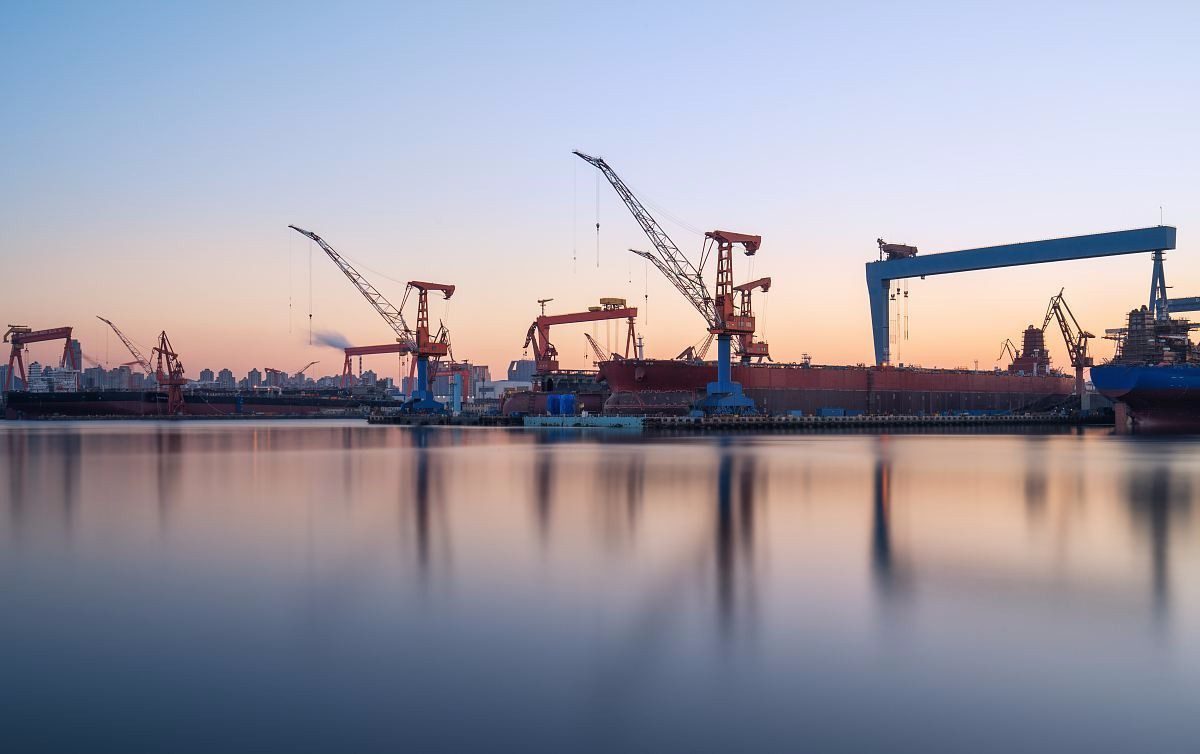
Port Anchorages Conditions of Yingkou Port
| Anchorage Name | Location (Coordinates) | Area (km²) | Depth (m) | Bottom Type | Max Vessel DWT | Capacity | Primary Use | Restrictions & Safety Notes | Commercial Notes |
|---|---|---|---|---|---|---|---|---|---|
| Yingkou Outer Anchorage No.1 | 40°40’00″N, 122°15’00″E | 5.2 | 12-15 | Mud/Sand | 50,000 | 10 vessels | General cargo, bulk carriers | Limited shelter from NE winds; typhoon season restrictions (July-Sept); max stay 7 days | Pilotage mandatory; VHF Ch.16/08; bunkering available with prior notice |
| Yingkou Outer Anchorage No.2 | 40°38’00″N, 122°18’00″E | 4.8 | 14-16 | Mud/Sand | 80,000 | 8 vessels | Large bulk carriers, oil tankers | Currents 2-3 knots (spring tides); soft mud requires 7:1 scope; prohibited for LNG | HNS cargo requires 48h pre-arrival notice; fresh water delivery available |
| Bayuquan Anchorage | 40°20’00″N, 122°05’00″E | 6.5 | 16-18 | Clay/Sand | 150,000 | 12 vessels | VLCCs, Capesize bulkers | Fog restrictions (<1000m visibility); mandatory AIS/ECDIS; security zone 500m | Priority for ore/crude; tugs required (3+ for VLCCs); max draft 17.5m |
| Xianrendao Anchorage | 40°25’00″N, 122°10’00″E | 3.5 | 10-12 | Sand/Shell | 30,000 | 6 vessels | Coastal vessels, feeders | Max LOA 200m; tidal range 3.5-4.2m; daylight ops recommended | MGO bunkering only; no crane services; customs clearance available |
| Emergency Anchorage A | 40°35’00″N, 122°12’00″E | 2.0 | 18-20 | Hard Clay | 200,000 | 2 vessels | Emergency use only | Port Authority approval required; max 72h stay; medical emergency priority | No cargo ops; security patrols; emergency repairs permitted |
| Hazardous Cargo Anchorage | 40°33’30″N, 122°14’15″E | 2.8 | 14-16 | Sandy Clay | 100,000 | 4 vessels | Chemical tankers (IMO II/III) | 500m exclusion zone; no hot work; gas detection required | Special fees apply; mandatory pre-departure inspection |
| LNG Temporary Holding Area | 40°22’15″N, 122°07’30″E | 1.5 | 20-22 | Firm Sand | 180,000 | 1 vessel | LNG carriers | Escort tugs on standby; 1000m safety radius; no other vessels permitted | Prior approval from MSA required; max stay 24h |
Enhanced Operational Protocols:
1. Navigation Requirements:
– Compulsory equipment:
* AIS Class A (continuous transmission)
* VHF radios (Ch.16/08/12)
* Updated ENCs (China Zone CS57)
* LRIT system for vessels >300GT
– Prohibited areas:
* Military zones within 3nm of 40°42’N 122°25’E
* Submarine cable areas (chart markings)
2. Anchorage Procedures:
– Pre-arrival documentation:
* Port Entry Declaration (24h advance)
* Crew List (including vaccination status)
* Dangerous Goods Manifest (if applicable)
– Watchkeeping requirements:
* Continuous bridge watch
* Engine room standby
* Hourly anchor position checks
* Night illumination of anchor lights
3. Environmental Compliance:
– Zero discharge policy within 12nm
– Mandatory use of:
* Low-sulfur fuel (<0.5% sulfur content) * BWMS (for vessels >400GT)
– Oil spill response equipment:
* Minimum 200m containment boom ready
* SOPEP kit accessible
4. Emergency Contacts:
– Yingkou Port VTS: VHF Ch.08/12
– MRCC Dalian: +86 411 8263 3119 (official)
– Port Health: +86 417 358 1234 (official)
Critical Operational Notes:
– Anchorage allocations:
* Subject to daily congestion levels
* Priority given to vessels with berthing windows
– Weather contingencies:
* Typhoon signals:
> Signal No.3: Prepare for evacuation
> Signal No.8: Mandatory departure
– Customs procedures:
* E-clearance available via China Single Window
* Physical inspection may be required
Additional Safety Information:
1. Ice Conditions:
– Winter operations (Dec-Mar):
* Ice thickness: 20-40cm
* Icebreaker assistance:
– Required for vessels < Ice Class 1A
– Available from Yingkou Icebreaker Station
2. Current Patterns:
– Tidal currents:
* Spring tide: 3.0-3.5 knots
* Neap tide: 1.5-2.0 knots
– Residual currents:
* NW-SE direction
* Average 0.5-1.0 knot
3. Meteorological Data:
– Prevailing winds:
* Summer: SE (15-20 knots)
* Winter: NW (20-30 knots)
– Visibility:
* Annual average: 8-10nm
* Fog days: 30-40/year
4. Emergency Procedures:
– Oil spill response:
* Tier 1 capacity: 50 tons
* Response time: <2 hours
– Medical evacuation:
* Helicopter landing area:
– 40°38’12″N 122°16’30″E
* Available daylight hours only
Port Services Information:
1. Ship Repair:
– Available services:
* Hull cleaning
* Minor mechanical repairs
* Electrical repairs
– Limitations:
* No dry docking
* No hot work without permit
2. Provisions Supply:
– Delivery available:
* Fresh water: 100-500 tons/day
* Provisions: 24h notice required
– Restrictions:
* No alcohol delivery
* Strict quarantine controls
3. Crew Changes:
– Permitted at:
* Bayuquan Anchorage only
– Requirements:
* 72h advance notice
* Negative PCR test required
Legal and Administrative Requirements:
1. Documentation:
– Mandatory pre-arrival:
* Ship Particulars Form
* Last 10 Ports of Call
* Crew Health Declaration
– Post-arrival:
* Customs Declaration
* Immigration Forms
2. Port Fees:
– Anchorage dues:
* 0.08-0.15 RMB/GT/day
* Hazardous cargo surcharge: 30%
– Other charges:
* VTS fee: 0.02 RMB/GT
* Waste disposal fee: 500-2000 RMB
3. Inspection Regime:
– Port State Control:
* Tokyo MoU inspection rate: 15%
* Common deficiencies:
– Fire safety systems
– Navigation equipment
– Customs inspections:
* Random selection
* Focus on:
– Cargo documentation
– Crew belongings


