1. General Overview of Fukui Port
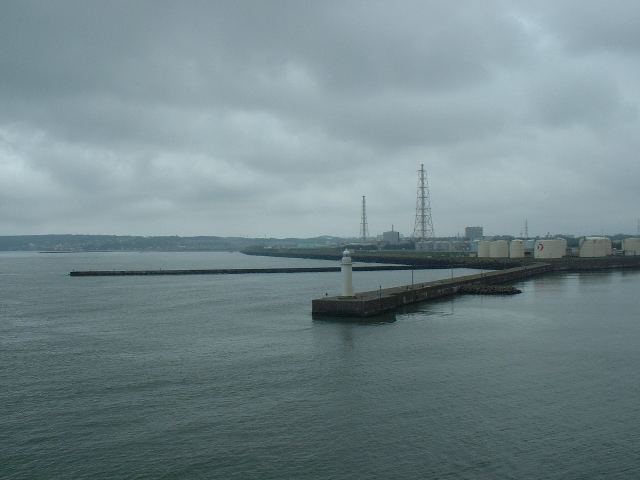
Fukui Port is a designated “Major Port” under Article 4 of Japan’s Port and Harbor Law (Act No. 218 of 1950), administered by Fukui Prefectural Government in coordination with the Ministry of Land, Infrastructure, Transport and Tourism (MLIT). Key operational characteristics:
– Commercial cargo terminals: 6 berths handling 2.8 million tons annually (2022 MLIT statistics)
– Fishing port area: 3 dedicated wharves under Fukui Prefecture Fishery Adjustment Rules (Ordinance No. 12 of 1998)
– Passenger facilities: Seasonal ferry service to Oki Islands (April-November)
– Port limits: Defined in MLIT Notice No. 412 (2019) as 36°16’00″N to 36°19’30″N and 136°07’00″E to 136°11’30″E
2. Governing Laws and Regulations
2.1 National Legislation
– Port and Harbor Law (Act No. 218 of 1950, 2021 amendments for climate resilience standards)
– Marine Traffic Safety Act (Act No. 151 of 1972, Article 23-2 specifically designates Fukui navigation channels)
– Ship Safety Act (Act No. 11 of 1933, 2020 amendments requiring SOLAS-certified equipment)
– Act on Prevention of Marine Pollution and Maritime Disaster (Act No. 136 of 1970, incorporating IMO 2020 standards)
– Maritime Security Act (Act No. 31 of 2004, ISPS Code implementation for all commercial berths)
2.2 Local Regulations
– Fukui Port Management Regulations (Fukui Prefectural Ordinance No. 42 of 2005, revised 2022)
– Fukui Port Security Measures (Fukui Prefectural Notice No. 15 of 2019, incorporating MARSEC Level protocols)
– Fukui Port Dangerous Goods Handling Ordinance (Fukui Prefectural Ordinance No. 8 of 2010, aligned with IMDG Code 2022)
– Fukui Port Environmental Protection Rules (Fukui Prefectural Ordinance No. 23 of 2015, exceeds national standards for ballast water treatment)
3. Port Entry and Navigation
3.1 Prior Notification Requirements
– Mandatory ePort submissions:
– Standard vessels >500 GT: 24 hours pre-arrival (Japan Coast Guard Order No. 30)
– Hazardous cargo carriers: 48 hours pre-arrival (MLIT Notice No. 529)
– Vessels with prior deficiencies: Additional 12-hour notice
– AIS requirements:
– Continuous transmission within 12nm of port entrance
– Silent mode prohibited except under MARSEC Level 3
3.2 Pilotage Services
– Compulsory pilotage:
– All vessels >10,000 GT or >200m LOA
– Oil/chemical tankers >3,000 GT (including bunkering vessels)
– Night navigation (2000-0600 JST) regardless of size
– During typhoon warnings (wind >15m/s)
– Pilot boarding:
– Primary location: 36°17’30″N 136°09’15″E (Fukui Port Chart W127)
– Secondary location: 36°18’15″N 136°08’45″E (for southerly winds >10m/s)
– Transfer ladder must comply with SOLAS Regulation V/23
3.3 Restricted and Prohibited Areas
– Permanent restrictions:
– Fishing zones: Marked by yellow buoys (Fukui Fishery Association Notice 2023-4)
– No-anchor zones: 500m around submarine cables (MLIT Notice No. 217/2018)
– Military restricted area: 36°18’00″N 136°10’00″E (500m radius)
– Temporary restrictions:
– Dredging operations: Announced via NOTMAR and VHF Ch 16
– Naval exercises: JCG Notice to Mariners issued 72hrs in advance
4. Safety Requirements
4.1 Mooring Standards
– Line requirements:
– 100-150m LOA: Minimum 4 lines (2 head, 2 stern) + 1 spring line
– >150m LOA: Minimum 6 lines (3 head, 3 stern) + 2 spring lines
– Container ships: Additional anti-sway lines for gantry operations
– Typhoon preparedness:
– Stage 1 (wind 15-20m/s): Double mooring lines + storm anchors
– Stage 2 (wind >20m/s): Evacuation to designated typhoon moorings
– Mandatory engine readiness when wind >15m/s
4.2 Cargo Operations
– Hazardous materials handling:
– Class 1 explosives: Absolute prohibition (Fukui Ordinance No. 8 Art. 12)
– Class 2-9: Requires:
– Pre-operation meeting with port authorities
– Dedicated fire watch during entire operation
– 30m exclusion zone during transfer
– Gangway safety:
– Maximum incline: 30 degrees (SOLAS II-1/3-9)
– Safety net specifications:
– Minimum 1.5m vertical clearance from waterline
– Mesh size ≤100mm
– Load capacity ≥200kg/m²
4.3 Emergency Equipment
– Life-saving appliances:
– Monthly drills must include:
– Abandon ship procedures
– Immersion suit donning (≤2 minutes)
– EPIRB activation test
– Winter requirements (Nov-Mar):
– Immersion suits for 100% complement
– Anti-exposure suits for bridge team
– Firefighting systems:
– Minimum requirements:
– Fixed CO2 system (for machinery spaces)
– Foam system (for deck areas)
– Portable extinguishers every 40m
– Annual inspection:
– Pressure tests for all cylinders
– Nozzle flow rate verification
5. Environmental Compliance
5.1 Waste Management
– MARPOL implementation:
– Annex I: Oily waste reception capacity 50m³/day (License EP-2021-05)
– Annex V: Garbage segregation into 6 categories (2022 Waste Plan)
– Annex VI: Continuous emissions monitoring for vessels >5,000 GT
– Special requirements:
– Ballast water exchange: Minimum 200nm from coast (Fukui Ordinance No. 23 Art.7)
– Sewage discharge: Prohibited within 3nm of port limits
5.2 Air Emissions Control
– Fuel standards:
– 0.1% sulfur within port jurisdiction (SOx ECA)
– 0.5% sulfur during approach/departure (12nm zone)
– Shore power facilities:
– Technical specifications:
– Berths 3-5: 440V/60Hz/1500A
– Berth 6: 6.6kV/60Hz (for cruise ships)
– Mandatory use:
– Cruise ships >20,000 GT (from Jan 2024)
– Container ships >10,000 GT (from Jan 2025)
6. Enforcement Measures
6.1 Inspection Regime
– Japan Coast Guard inspections:
– Frequency:
– 10% random selection
– 100% for vessels with prior deficiencies
– Mandatory for all hazardous cargo carriers
– Focus areas:
– Safety equipment certification
– Crew working hours compliance
– Garbage record book accuracy
– Port State Control:
– Tokyo MOU criteria with Fukui-specific additions:
– Additional checks on mooring arrangements
– Enhanced verification of pilot transfer equipment
6.2 Penalty Structure
– Fine schedule (2023 revision):
– Minor violations (e.g., documentation errors): ¥100,000-300,000
– Operational violations (e.g., improper cargo stowage): ¥500,000-1,000,000
– Environmental offenses:
– Illegal discharge: ¥3,000,000-5,000,000
– False records: Additional ¥2,000,000
– Detention criteria:
– Immediate detention for:
– Missing life-saving appliances
– Inoperative main propulsion
– Unauthorized hazardous materials
– 24-hour rectification period for non-critical deficiencies
7. Crew Welfare Provisions
7.1 Shore Leave Regulations
– Entry requirements:
– Valid passport with crew visa
– Seafarer’s Identity Document (IMO Convention No. 185)
– Negative PCR test if from high-risk areas (per MHLW list)
– Restrictions:
– Curfew: 2300-0500 for non-essential personnel
– Designated crew areas in port facility
– Exemptions:
– Medical emergencies (with port clinic approval)
– Crew changes (pre-approved schedules)
7.2 Medical Facilities
– Port clinic services:
– Operated by Fukui Medical Association (License FMAC-112)
– Capabilities:
– Emergency trauma care
– Infectious disease screening
– Telemedicine links to Fukui University Hospital
– Emergency response:
– JCG contact: Dial 118 (24/7 English available)
– Helicopter medevac:
– Landing zones at Berths 1 (36°17’15″N 136°09’30″E) and 4 (36°18’00″N 136°08’45″E)
– Minimum 30m clearance required
8. Operational Restrictions
8.1 Working Time Limitations
– Cargo operations:
– General hours: 0700-2200 (noise ≤85dB at boundary)
– Night work:
– Requires special permit (72hr notice)
– Additional lighting requirements (minimum 200 lux)
– Dangerous goods:
– Daylight only (0700-1800)
– Weather restrictions:
– No operations during precipitation
– Wind >10m/s requires shutdown
8.2 Special Cargo Handling
– Prohibited materials:
– Class 1 explosives (except under Art. 12 exemptions)
– Radioactive materials (Fukui Ordinance No. 21/2011)
– Unstabilized fish meal (IMO BC Code Ch. 14)
– Restricted materials:
– Bulk coal: Mandatory dust suppression measures
– Scrap metal: Pre-loading inspection required
9. Technical Standards
– Mooring infrastructure:
– Bollards: SWL ≥150% of design load (JIS F 2001)
– Fenders: Minimum 1.0m diameter at container berths
– Navigation aids:
– IALA Buoyage System A
– Leading lights: LFl 10s 15m 10M (Fukui Port Chart datum)
– DGPS accuracy: ≤10m (verified annually)