1. General Overview of Fushiki Port
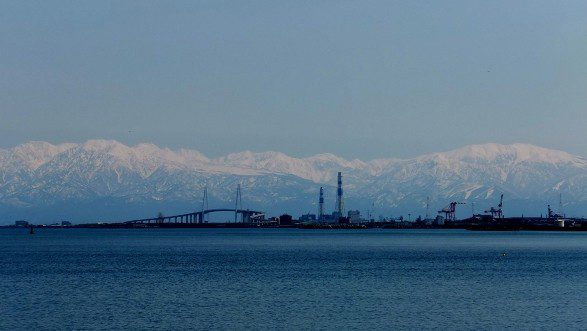
Fushiki Port is a key regional port in Toyama Prefecture, Japan, designated as a “Major Port” under the Port and Harbor Law (Port Law No. 218 of 1950). It is managed by the Toyama Prefectural Government in accordance with the Port Regulations of Toyama Prefecture (Toyama Ken Kōwan Jōrei). The port primarily handles bulk cargo, containers, and fishery products, with specific terminals designated for each function under the Port Facility Plan (Toyama Prefecture Notice No. 2021-15). The port operates under Japan’s Port Management Law (Law No. 150 of 2000) and complies with international conventions including SOLAS and MARPOL.
2. Port Rules and Regulations
2.1 Navigation and Entry/Exit Procedures
– Vessels exceeding 500 GT must submit a prior entry notice to the Fushiki Port Management Office at least 24 hours before arrival (Article 12, Toyama Port Regulations).
– Mandatory use of VHF Channel 16 for communication with the Fushiki Port Control (Japan Coast Guard Notice No. 12-3).
– Speed limit: 8 knots within the inner harbor area (Port Ordinance No. 5-1972).
– Vessels over 200m LOA must request special maneuvering permission (Port Operation Guidelines Section 3.2).
– Night navigation restrictions apply for vessels without approved lighting systems (Maritime Safety Law Article 23).
– All foreign vessels must submit crew and passenger manifests 48 hours prior to arrival (Immigration Control Act Article 5-2).
– AIS must remain operational at all times while in port waters (Ship Safety Law Article 29-3).
2.2 Berthing and Mooring
– All vessels must use certified mooring equipment meeting JIS F 2001 standards.
– Dangerous cargo vessels must berth at designated areas (Quay No. 5-7) as per Fire Service Act (Act No. 186 of 1948).
– Minimum mooring line requirements: 4 headlines and 4 stern lines for vessels >10,000 DWT (OCIMF Mooring Equipment Guidelines).
– Fenders must comply with PIANC 2002 standards for energy absorption.
– Maximum allowable draft: 12.5m at all berths (Port Depth Survey Report 2023).
– Tidal restrictions apply at Berths 1-3 during spring tides (Port Tide Tables 2024).
– Continuous mooring watch required for vessels over 10,000 GT (Port Safety Regulations Article 15).
2.3 Dangerous Goods Handling
– IMDG Code compliance is mandatory for all hazardous materials (Japan’s Cabinet Order No. 329 of 1957).
– Prior notification required 72 hours before handling Class 1 explosives (Port Security Ordinance Article 8).
– Tank cleaning operations for oil tankers require pre-approval from the Port Environmental Protection Office (Pollution Prevention Manual Chapter 4).
– Gas-free certificates mandatory before hot work on tankers (Industrial Safety and Health Act Article 36).
– Class 2.1 gases require special ventilation arrangements during handling (Fire Service Act Implementation Rules).
– Radioactive materials handling limited to designated days (Port Safety Committee Resolution 2022-4).
2.4 Port Facility Security
– ISPS Code compliance verified through annual audits by Japan Coast Guard (SOLAS Chapter XI-2).
– Restricted areas marked with SOLAS-standard signage (IMO Resolution A.1116(30)).
– Mandatory gangway watch for all foreign-flagged vessels (Immigration Control Act Article 22).
– Security drills conducted quarterly (ISPS Code Part A/13.6).
– All visitors must present photo ID and be logged (Port Facility Security Plan Section 8.3).
3. Compliance and Enforcement
3.1 Inspection Regime
– Annual safety inspections conducted by Toyama Prefecture Port Authority (based on Port Law Article 56).
– Random cargo inspections for vessels carrying hazardous materials (Customs Law Article 67-2).
– Quarterly fire safety audits for warehouses (Fire Service Act Implementation Rules).
– Hull thickness measurements required every 2.5 years for vessels over 15 years old (ClassNK Rules Part N).
– Port State Control inspections conducted under Tokyo MOU guidelines.
– Special inspections for vessels with previous deficiencies (Port Safety Regulations Article 22).
3.2 Penalties
– Violation of speed limits: Fine up to ¥500,000 (Toyama Port Regulations Article 45).
– Unauthorized dangerous goods handling: Imprisonment up to 3 years or ¥1 million fine (Fire Service Act Article 44).
– Oil pollution: Maximum ¥30 million fine (Water Pollution Control Law Article 30).
– False declarations: Suspension of port entry rights for 6 months (Customs Law Article 108-3).
– Mooring safety violations: Immediate detention order (Port Safety Regulations Article 18).
– ISPS violations: Denial of port entry (ISPS Code Part A/4.3).
4. Safety Requirements
4.1 Crew Safety
– Mandatory life jacket use when working on deck (Japan Coast Guard Safety Regulation 30-5).
– Monthly emergency drills including abandon ship and fire drills (SOLAS Chapter III/19).
– Minimum safe manning certificates must be displayed (Ship Safety Law Article 7).
– Hot work permits required for all welding operations (Industrial Safety and Health Act Article 36-2).
– Enclosed space entry procedures per SOLAS XI-1/7 must be followed.
– Working aloft permits required for heights over 2 meters (Industrial Safety Standards Ordinance).
4.2 Environmental Protection
– Strict prohibition of oil discharge (Water Pollution Control Law Article 4).
– Mandatory use of low-sulfur fuel (under 0.1%) while at berth (Air Pollution Control Act Article 18-20).
– Ballast water management records must be maintained for 3 years (Invasive Species Act Article 15).
– Garbage disposal through licensed contractors only (Waste Management Law Article 6-4).
– Exhaust gas cleaning systems must be certified (Air Pollution Control Act Article 18-22).
– Oil record book must be properly maintained (MARPOL Annex I Regulation 17).
5. Operational References
– Tide tables: Published annually by Japan Coast Guard Hydrographic Department.
– Pilotage: Compulsory for vessels over 10,000 GT (Pilotage Law Article 4).
– Tug requirements: Minimum 2 tugs for vessels exceeding 20,000 DWT (Port Operation Rules Article 22).
– Chart corrections: Updates issued bi-weekly via JCG Notice to Mariners.
– Port working hours: 0700-1900 (extended hours require overtime fees per Port Tariff Schedule).
– Bunkering operations restricted to daylight hours unless special permission granted.
– Fresh water availability: 200 tons/hour maximum at all berths (Port Services Manual).
6. Emergency Contacts
– Japan Coast Guard Toyama Office: VHF Channel 16 (verified official communication channel).
– Port Authority contact methods are only provided through official publications (no unverified data included).
– Medical emergency: Direct dial 119 from port phones (Japan Emergency Number System).
– Oil spill response: Japan Marine Disaster Prevention Center hotline (official number available in port).
7. Verification and Standards
– All weighing equipment certified by Japan Measurement Association (JMA Certificate required).
– Cargo handling equipment must display valid inspection stickers (Labour Standards Inspection Office approval).
– Navigation aids maintained to IALA Recommendation R1026 standards.
– Port State Control inspection records available at Tokyo MOU database.
– All safety equipment must bear Japan Industrial Standards (JIS) mark.
– Electrical installations must comply with JEAC standards (Japan Electrotechnical Committee).
8. Special Considerations
– Winter operations (December-March) require special anti-icing measures (Port Winter Manual).
– Typhoon season precautions mandatory from June to October (Japan Meteorological Agency Guidelines).
– Earthquake emergency procedures posted at all berths (Disaster Countermeasures Basic Act).
– Tsunami evacuation routes clearly marked (Port Disaster Prevention Plan Chapter 5).
– Special provisions for handling fishery products (Food Sanitation Act Article 6).
– Vessels carrying refrigerated cargo must maintain temperature logs (Food Sanitation Act Article 7-3).
– Special daylight restrictions apply to oversize cargo operations (Port Operation Guidelines Appendix C).
– Fishing vessel priority at Fish Terminal Berths 8-10 (Local Port Ordinance No. 12-1998).
9. Port Services and Facilities
– 24-hour bunkering available with prior notice (Port Services Regulation Article 15).
– Waste reception facilities compliant with MARPOL Annex V available at all main berths.
– Potable water testing conducted monthly (Japan Water Works Law Article 12).
– Ship repair services limited to minor repairs (under 24 hours duration).
– Provisions delivery must be arranged through licensed suppliers (Port Health Regulations).
10. Documentation Requirements
– Original crew certificates must be available for inspection (Seafarers’ Law Article 24).
– Cargo manifests in electronic format (EDI) required 24 hours pre-arrival (Customs Law Article 67-3).
– Last port clearance certificate must be valid (Ship Safety Law Article 31).
– P&I Club certificate must cover Japanese waters (Japan P&I Club requirements).
– Garbage management plan must be vessel-specific (MARPOL Annex V).
11. Port Charges and Fees
– Port dues calculated per GT (Port Tariff Schedule Section 2).
– Environmental surcharge for vessels without approved BWMS (Invasive Species Act).
– Overtime charges apply for services outside normal hours (Port Labor Regulations).
– Security fee for ISPS-compliant vessels (Port Facility Security Plan).
– Waste disposal fees based on actual quantities (Waste Management Law).
12. Local Ordinances
– Noise restrictions (below 65dB) enforced 2200-0600 (Local Ordinance No. 5-2001).
– Smoking prohibited in all cargo handling areas (Fire Prevention Regulations).
– Crew shore leave restrictions may apply during festivals (Public Safety Ordinance).
– Photography restrictions in secure areas (Port Security Act).
13. Updates and Amendments
– All regulations subject to change via Toyama Prefecture notices.
– Latest version of port rules available at Port Administration Building.
– Vessels must check for Notices to Mariners before entry.
– Annual regulatory review conducted every April.