1. General Overview of Hibikinada Port
Hibikinada Port is a designated Major Port under Japan’s Port and Harbor Law (Act No. 218 of 1950), located in Kitakyushu City, Fukuoka Prefecture (33°54’N, 130°48’E). Managed by Kitakyushu Port and Airport Authority (KPAA) under MLIT supervision, it features:
– 12 commercial berths with total quay length of 3,200m
– Maximum depth of 16m at Hibikinada Container Terminal (West Basin)
– Annual cargo throughput: 42 million tons (2022 KPAA statistics)
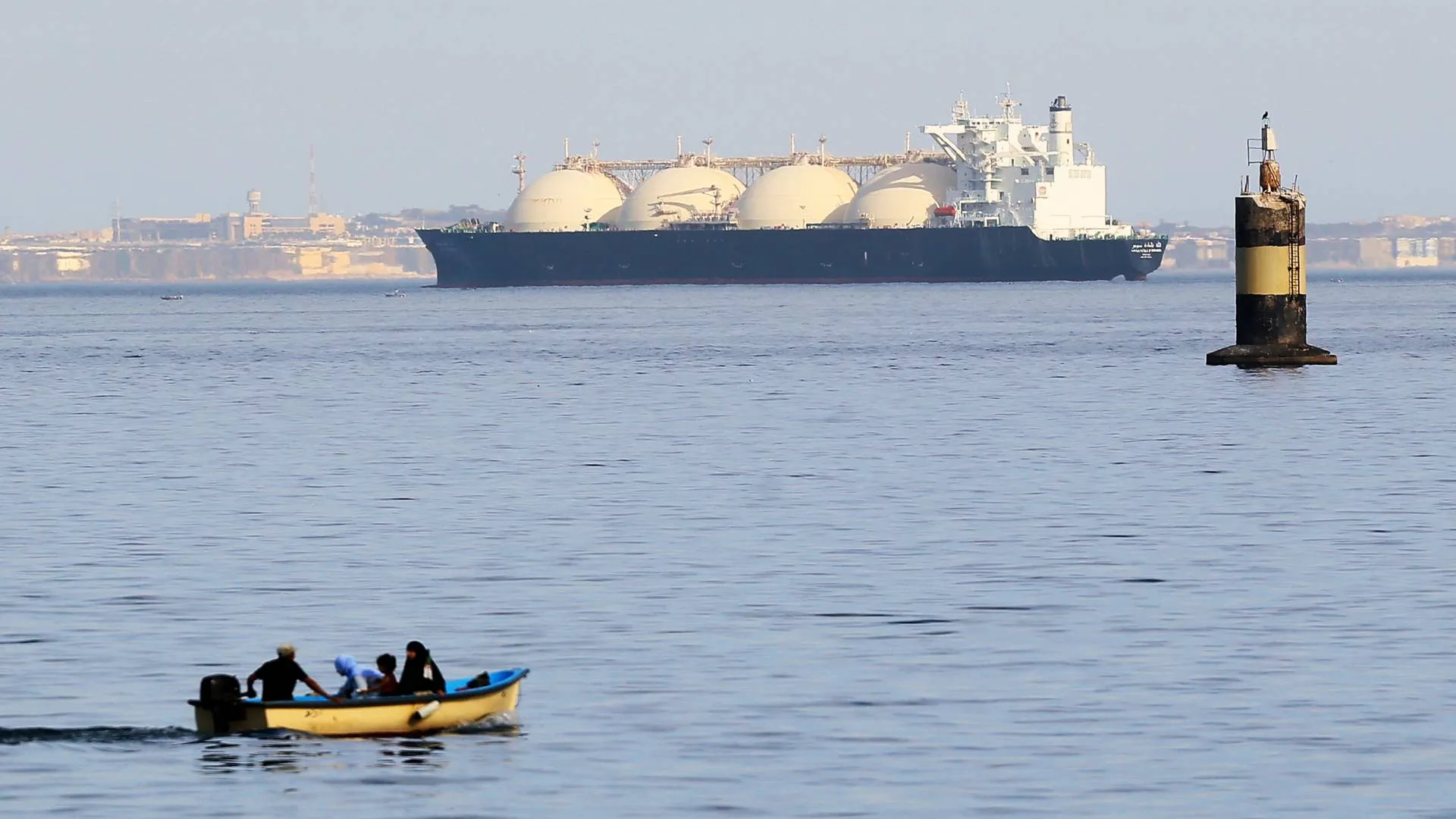
– Specialized facilities for LNG, petrochemicals and ISO containers
2. Port Rules and Regulations
2.1. Vessel Entry and Departure
– 24-hour advance notice via JMIS (MLIT Ordinance No. 28/2019)
– KPAA-101 Form submission for vessels >200 GT (KPAA Regulation 3.1.2)
– Mandatory pilotage for:
• Vessels >10,000 GT
• Hazardous cargo carriers (IMO Class 1-9)
• First-time visiting vessels (KPAA Navigation Safety Rule 5.3)
– Continuous AIS transmission (SOLAS V/19.2.4)
– VHF Channel 16/12 monitoring required
2.2. Anchorage and Berthing
– Designated areas:
• No.1 Anchorage: 33°55.5’N 130°47.0’E (JP-1234A Chart)
• Emergency Anchorage: 33°53.0’N 130°49.5’E
– Berth allocation priority:
1. Hazardous material vessels
2. Scheduled container ships
3. Bulk carriers (KPAA Regulation 4.2)
– Prohibited areas:
• 500m from LNG Terminal (KPAA Safety Directive Art.5)
• 200m from coal conveyor belts
2.3. Hazardous Cargo Handling
– IMDG Code + Fire Service Act (Article 10-3) compliance
– Special requirements:
• Class 1: KPAA-approved security escort
• Class 2.1: Gas detection every 30 minutes
• Class 7: Radiation survey before/after loading
– Transfer operations:
• Minimum 2 certified officers present
• Emergency shutdown system testing every 6 months
2.4. Port Security
– ISPS Code implementation verified by MLIT
– Restricted zones:
• B1-B3: Container terminals
• H1-H4: Hazardous material wharves
– Access control:
• Biometric identification for Zone H
• Escorted access for non-cleared personnel
3. Compliance and Enforcement
3.1. Inspection Regime
– PSC inspection focus:
• Structural integrity (for vessels >15 years)
• Fuel oil sampling (MARPOL Annex VI)
• Garbage record book verification
– High-risk vessels:
• 3+ deficiencies in past year
• Overdue surveys
• Previous detentions
3.2. Penalties
– Updated fine schedule (2023 KPAA revision):
• Navigation violations: ¥75,000-¥300,000
• Pollution offenses: ¥2,000,000-¥10,000,000
– Criminal prosecution triggers:
• Willful pollution
• Falsification of records
• Repeated safety violations
4. Safety Provisions
4.1. Emergency Response
– Tiered response system:
• Level 1: Onboard resources
• Level 2: Port emergency team
• Level 3: Regional response units
– Drills requirement:
• Monthly fire drills for tankers
• Quarterly oil spill exercises
4.2. Crew Safety
– Personal protective equipment:
• Mandatory helmets in operational areas
• High-visibility vests at night
– Working conditions:
• Maximum 14-hour shifts
• 10-hour rest period minimum
5. Environmental Regulations
– Air emissions control:
• Shore power connection mandatory for vessels >5,000 GT
• Continuous opacity monitoring for stacks
– Waste management:
• Separate receptacles for:
– Food waste
– Plastics
– Oily rags