Port Rules and Regulations,Compliance and Enforcement of Himeji Port
1. Port Rules and Regulations
1.1. Navigation Rules
– Compliance with the International Regulations for Preventing Collisions at Sea (COLREGs) is mandatory.
– Vessels must adhere to speed limits within port limits (typically 6 knots unless otherwise specified).
– Pilotage is compulsory for vessels over 500 GT or those carrying hazardous cargo (per Himeji Port Ordinance No. 12, 2018).
1.2. Berthing and Anchorage
– Prior permission is required for berthing/anchoring (via Himeji Port Control VHF Ch. 16).
– Designated anchorage areas must be used (coordinates published in Japan Coast Guard Notice No. 5/2021).
– Prohibited zones exist within 500m of LNG terminal (Maritime Safety Agency Regulation HS-30).
1.3. Hazardous Cargo Handling
– IMDG Code compliance is strictly enforced.
– 24-hour advance notice required for dangerous goods (Port Fire Service Directive 2019-3).
– Smoking/open flames prohibited within 50m of hazardous cargo operations.
2. Compliance Requirements
2.1. Documentation
– Valid certificates (ISPS, SOLAS, MARPOL) must be presented upon request.
– Waste management records must be maintained for 3 years (Japan Port Law Article 34).
2.2. Environmental Regulations
– Strict prohibition of oil/chemical discharges (zero tolerance policy).
– Ballast water exchange must occur 200nm from nearest land (Japan BWM Act 2020).
– Use of low-sulfur fuel (<0.1%) within port limits (MOE Ordinance No. 15).
3. Enforcement Measures
3.1. Inspections
– Routine Port State Control inspections by Japan Coast Guard.
– Special emphasis on life-saving appliances and firefighting systems.
– Non-compliance may result in detention (average 1.2% detention rate in 2022 per Tokyo MOU data).
3.2. Penalties
– Fines up to ¥5 million for pollution violations (Marine Pollution Prevention Law Article 55).
– Suspension of port entry privileges for repeated violations.
– Criminal liability for willful safety violations (Penal Code Article 125).
4. Safety Provisions
4.1. Emergency Procedures
– Immediate reporting of incidents to Port Control (VHF Ch. 16).
– Mandatory emergency drills for crew during port stay.
– Designated muster stations clearly marked on all berths.
4.2. Crew Welfare
– Access to port medical facilities (24/7 availability).
– Prohibition of excessive working hours during cargo operations.
– Shore leave permitted with valid seafarer’s identity document.
5.2. Regulatory Bodies
– Himeji Port Authority (jurisdiction over port operations).
– Hyogo Prefectural Government (environmental oversight).
– Japan Coast Guard District 5 (safety enforcement).
6. Port Services and Facilities
6.1. Vessel Services
– Bunkering available (MGO, MDO, LNG) with prior notice (24 hrs minimum).
– Fresh water supply at all berths (ISO standard potable water).
– Slop reception facilities compliant with MARPOL Annex I (available 24/7).
6.2. Repair and Maintenance
– Limited ship repair services (hull cleaning, minor mechanical repairs).
– Approved waste disposal contractors (list maintained by Port Authority).
– No dry dock facilities; nearest available at Kobe Port (40nm).
7. Security Regulations
7.1. ISPS Code Implementation
– Security Level 1 (normal) unless otherwise notified.
– Mandatory Declaration of Security (DoS) for high-risk vessels.
– Armed guards prohibited without special permission (Japan Coast Guard Order 42).
7.2. Restricted Areas
– No photography within 200m of strategic infrastructure.
– Crew access limited to designated port zones only.
– 24/7 CCTV surveillance at all cargo handling areas.
8. Weather and Tidal Restrictions
8.1. Operational Limits
– Port closure when sustained winds exceed 25m/s (Typhoon Condition III).
– Maximum significant wave height at entrance channel: 2.5m.
– Tide-dependent access for vessels over 12m draft (tide tables published monthly).
8.2. Typhoon Preparedness
– Mandatory evacuation from berths 12 hrs before typhoon landfall.
– Designated typhoon moorings at anchorage area Delta.
– Port re-opening only after official safety inspection.
9. Crew Health Protocols
9.1. Medical Requirements
– Immediate reporting of infectious diseases to Quarantine Office.
– On-call port medical officer (contact via Port Control).
– Designated hospitals for COVID-19 cases (Hyogo Prefecture list).
9.2. Vaccination Requirements
– Yellow Fever vaccination certificate required from endemic areas.
– No routine vaccination mandates for port entry (as of 2023).
10. Local Maritime Laws
10.1. Jurisdictional Authority
– All disputes subject to Japanese maritime law.
– Mandatory participation in oil spill compensation fund (max coverage ¥1 billion).
– Right of inspection by customs/immigration on all vessels.
10.2. Special Provisions
– Strict prohibition of underwater hull cleaning in port.
– Night navigation restrictions for vessels >200m LOA.
– Mandatory Japanese-speaking interpreter for incident investigations.
12. Cargo Handling Regulations
12.1. General Cargo Operations
– All cargo operations must comply with ILO Code of Practice for Safety and Health in Ports
– Gangway watch required 24/7 during cargo operations (minimum 1 officer)
– Maximum working hours for stevedores: 12 hours per shift with mandatory 8-hour rest period
12.2. Special Cargo Requirements
– Project cargo requires 72-hour prior notice with detailed stowage plan
– Grain cargoes must provide fumigation certificate if treated
– Timber deck cargo limited to 1/3 of summer freeboard (Japan Load Line Regulations)
13. Port Communication Procedures
13.1. Radio Communication
– Primary working channel: VHF Ch. 12 (Himeji Port Operations)
– Mandatory position reports when entering/leaving port limits
– English language required for all official communications
13.2. Emergency Communications
– Distress calls: VHF Ch. 16 with immediate follow-up to Port Control
– Medical emergencies: Contact Port Medical Service via Ch. 12
– Pollution incidents: Immediate notification to Japan Coast Guard (Ch. 16)
14. Vessel Traffic Management
14.1. Traffic Separation Scheme
– Mandatory use of designated inbound/outbound lanes
– No overtaking in narrow channels (width < 500m)
– Vessels > 200m must request traffic clearance 2 hours in advance
14.2. Tug Requirements
– Compulsory for vessels > 10,000 GT: 2 tugs minimum
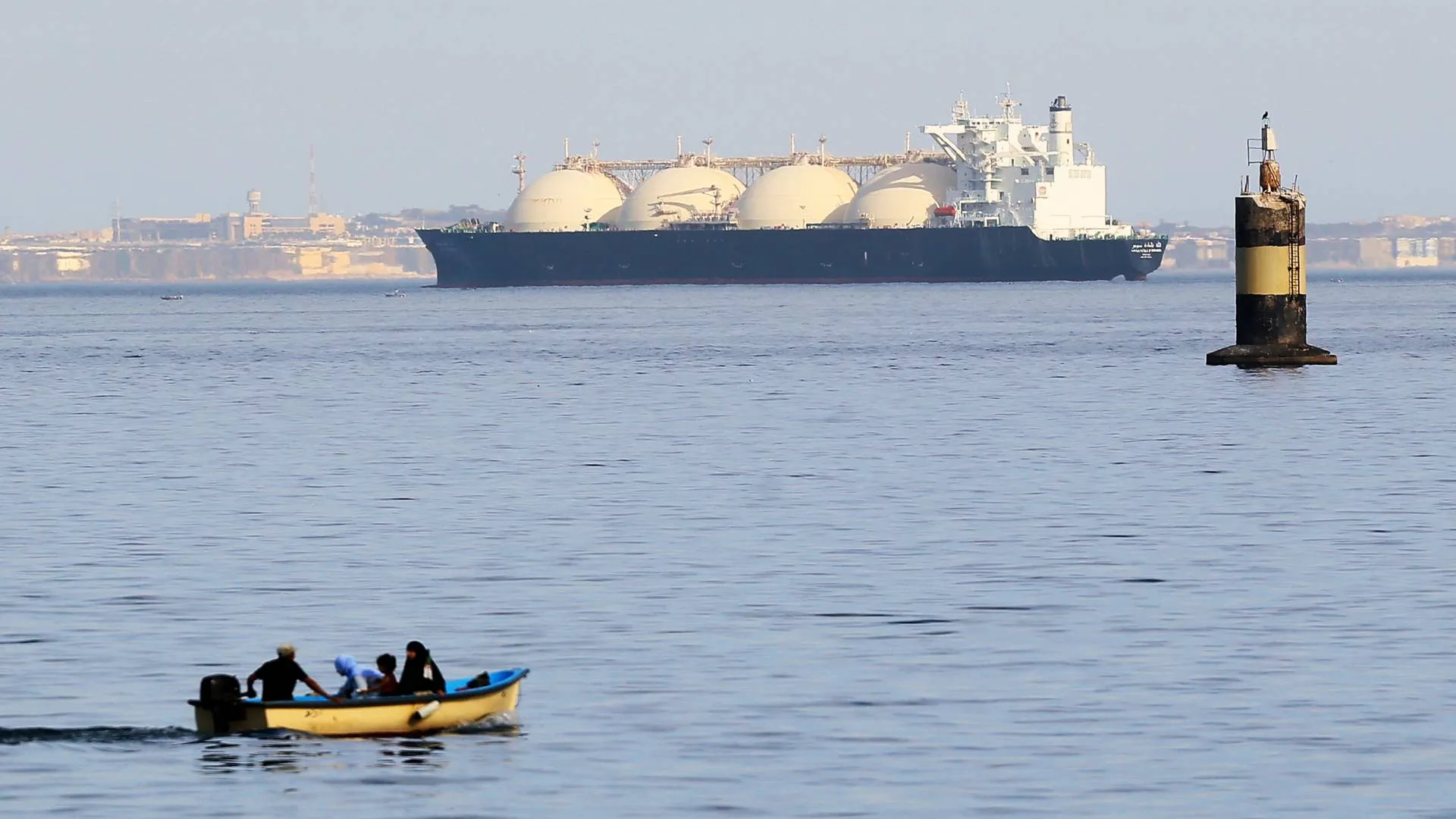
– Special requirements for LNG carriers: 3 tugs during entire berthing
– Tug assistance mandatory in winds exceeding 15m/s
15. Port Entry/Exit Procedures
15.1. Documentation Requirements
– 96-hour pre-arrival notification (Japan e-Navigation system)
– Original crew list (3 copies) for immigration clearance
– Last port clearance certificate required for departure
15.2. Customs Regulations
– Strict prohibition of firearms/ammunition without prior authorization
– Cash declarations required for amounts exceeding ¥1 million
– Bonded stores must be sealed during port stay
16. Waste Management Requirements
16.1. MARPOL Compliance
– Garbage record book must be up-to-date and available for inspection
– Separate reception facilities for oil, garbage, and sewage
– No overboard discharge permitted within 12nm of port
16.2. Special Waste Handling
– E-waste requires special disposal authorization
– Medical waste must be incinerated at approved facilities
– Plastic waste must be compacted and properly labeled
17. Port Infrastructure Specifications
17.1. Berth Capabilities
– Maximum LOA: 300m (Main Wharf)
– Maximum draft: 15.5m (Spring tide)
– Maximum air draft: 50m (limited by bridge clearance)
19. Port Labor Regulations
19.1. Stevedore Operations
– All port workers must hold valid Japan Port Worker Safety Certification
– Minimum rest period of 30 minutes after 4 continuous working hours
– Mandatory safety briefings before commencement of cargo operations
19.2. Crew Participation
– Ship’s crew may only assist in cargo operations with port authority approval
– Maximum 6 hours/day crew participation in cargo handling
– Mandatory PPE (hard hat, safety shoes, high-vis vest) in operational areas
20. Bunkering Operations
20.1. Fuel Quality Standards
– All bunkers must meet ISO 8217 specifications
– Bunker delivery note must include batch test results
– Sampling required with port representative present
20.2. Safety Procedures
– No bunkering during cargo operations without special permission
– Fire hoses must be deployed and ready during entire operation
– Emergency shutdown system test required before commencement
21. Port Dues and Charges
21.1. Fee Structure
– Port dues calculated per GT with minimum charge of ¥50,000
– Pilotage fees based on vessel length and tonnage
– 10% surcharge for operations outside normal working hours (2000-0600)
21.2. Payment Methods
– Advance payment required for vessels with no prior call history
– Accepted currencies: JPY, USD, EUR (bank transfer only)
– Electronic payment system available through JP-HarborNet portal
22. Ice and Cold Weather Operations
22.1. Winter Precautions
– Anti-icing measures implemented when temperature drops below -5°C
– Reduced speed limits in effect during freezing precipitation
– Special mooring arrangements required for vessels staying >24 hours
22.2. Equipment Requirements
– Deck machinery must have winter-grade lubricants
– Emergency generators must be winterized November-March
– Water spray systems prohibited when temperature below 0°C
23. Port Security Levels
23.1. Security Level Implementation
– Level 1: Standard security measures (normal operations)
– Level 2: Enhanced security (additional patrols and checks)
– Level 3: Exceptional security (restricted movements, possible port closure)
23.2. Access Control
– Biometric identification required for all port workers
– Vehicle escorts mandatory in restricted areas
– Random container inspections at Security Level 2 and above
24. Environmental Monitoring
24.1. Air Quality Controls
– Continuous emissions monitoring for vessels at berth >4 hours
– Particulate matter limits: 50μg/m³ (24-hour average)
– Mandatory use of vapor recovery systems for oil tankers
24.2. Water Quality Protection
– Weekly water sampling at designated port monitoring points
– Zero discharge policy for any operational wastewater
– Immediate reporting of any sheen or discoloration observed
25. Incident Reporting Requirements
25.1. Mandatory Reports
– Any injury requiring medical treatment
– All equipment failures affecting safety
– Near-miss incidents with potential for serious consequences
25.2. Reporting Timeline
– Immediate verbal report for serious incidents
– Written report within 24 hours for all reportable events
– Final investigation report within 7 days for major incidents
27. Vessel Inspection Protocols
27.1. Routine Inspections
– Japan Coast Guard conducts random safety inspections on 15% of visiting vessels
– Average inspection duration: 4-6 hours for general cargo vessels
– Focus areas: fire safety systems, life-saving equipment, navigation lights
27.2. Special Inspections
– Mandatory for vessels with previous deficiencies in Japanese ports
– Enhanced inspections for vessels over 15 years old
– Cargo-specific inspections for hazardous material carriers
28. Mooring Requirements
28.1. Standard Mooring Arrangements
– Minimum 8 lines required for vessels >150m LOA
– Synthetic ropes prohibited for vessels >50,000 DWT
– Spring lines must be monitored continuously during cargo operations
28.2. Extreme Weather Mooring
– Additional storm lines required when winds exceed 15 knots
– Emergency mooring buoys available at designated positions
– Mandatory mooring tension monitoring system for vessels >200m
29. Port Working Hours
29.1. Standard Operations
– Main port office hours: 0800-1700 (JST) Monday-Friday
– Cargo operations permitted 24/7 with prior arrangement
– Pilotage available 24 hours with 4-hour advance notice
29.2. Holiday Operations
– 50% surcharge applies on national holidays
– Reduced staff availability on New Year period (Dec 29-Jan 3)
– Emergency services remain available 24/7 year-round
30. Navigation Aids
30.1. Fixed Aids
– 12 lighted buoys marking main channel (IALA Region A)
– 3 lighthouses with radar reflectors (characteristics published in JCG Notice)
– Differential GPS available with 1m accuracy in port area
30.2. Temporary Notices
– Real-time Notice to Mariners updates via JCG NAVTEX service
– Mobile obstruction warnings broadcast on VHF Ch. 13 when applicable
– AIS virtual aids used during construction projects
31. Crew Change Procedures
31.1. Documentation Requirements
– Original seaman’s book and passport for all crew changes
– Immigration forms must be submitted 48 hours in advance
– Health declaration required for all joining crew
31.2. Operational Restrictions
– Crew changes only permitted at designated berths (1, 3, and 5)
– Maximum 10 crew changes per vessel per port call
– No crew changes permitted after 2200 hours
32. Port Emergency Services
32.1. Response Capabilities
– Fireboats stationed at north and south port areas
– Oil spill response team available within 30 minute notice
– Dedicated medical evacuation helicopter landing zone
32.2. Emergency Equipment
– 10,000 liter foam capacity at each fire station
– Portable salvage pumps available for vessel dewatering
– Emergency breathing apparatus for confined space rescue
33. Digital Compliance
33.1. Electronic Reporting
– Mandatory use of Japan e-Navigation system for all vessels >500 GT
– Digital pre-arrival forms must be submitted 24 hours prior
– Electronic cargo manifests required for customs clearance
33.2. Cybersecurity
– Mandatory antivirus protection for all ship-to-shore communications
– Two-factor authentication required for port systems access
– Monthly cybersecurity drills conducted for port operations staff
34. Special Vessel Handling
34.1. Nuclear Cargo
– 72-hour advance notification required
– Escort tugs mandatory during entire port stay
– Radiation monitoring conducted continuously
34.2. Heavy Lift Operations
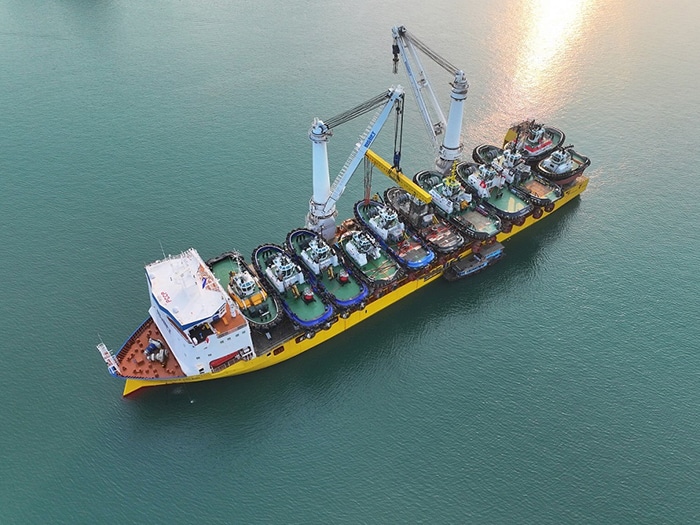
– Engineering approval required for loads >100 tons
– Port crane coordinator must supervise all critical lifts
– Wind speed limits: maximum 10m/s for lifts >50 tons
35. Port Community Services
35.1. Shore Facilities
– Crew recreation center with internet access (open 0900-2100)
– Seafarer’s mission providing welfare services
– 24-hour medical clinic with English-speaking staff
35.2. Local Regulations
– Strict prohibition of alcohol consumption in port area
– No smoking within 50m of any operational area
– Curfew for shore leave personnel: 2300-0500 hours
36. Dangerous Goods Handling
36.1 Classification and Documentation
– Strict adherence to IMDG Code classification system
– Dangerous cargo manifest must list UN numbers and proper shipping names
– Emergency procedures required for each hazard class carried
36.2 Storage and Segregation
– Explosives (Class 1) require dedicated storage area 500m from other cargo
– Incompatible chemicals must be segregated according to IMDG segregation table
– Temperature-controlled storage available for certain hazardous materials
37. Port Construction Projects
37.1 Current Developments
– West Terminal expansion (2024-2026) will add 2 new berths
– Navigation channel deepening to 18m underway (completion Q3 2025)
– New automated gate system implementation in progress
37.2 Construction Impacts
– Temporary traffic separation scheme in effect near construction zones
– Reduced air draft clearance at Berth 7 during crane installation
– Nighttime construction noise restrictions (2200-0600)
38. Vessel Speed Limits
38.1 General Restrictions
– 8 knots maximum within port limits
– 5 knots in designated slow speed zones (marked by yellow buoys)
– 3 knots when within 200m of moored vessels
38.2 Special Circumstances
– Tug-assisted vessels exempt from normal speed limits
– Emergency vessels may exceed limits with proper signals
– Speed restrictions lifted during search and rescue operations
39. Port Lighting Requirements
39.1 Vessel Lighting
– Working deck lights required during all nighttime operations
– Additional spotlights mandatory for hazardous cargo handling
– Navigation lights must remain on throughout port stay
39.2 Shore Lighting
– Minimum 50 lux illumination at all operational areas
– Emergency lighting systems tested weekly
– Motion-activated lighting in storage areas
40. Anchorage Procedures
40.1 Designated Areas
– Primary anchorage: 34°48’N, 134°39’E (depth 25m)
– Emergency anchorage: 34°47’N, 134°38’E (depth 30m)
– Prohibited anchorage zones clearly marked on port charts
40.2 Anchoring Requirements
– Minimum scope of 5:1 in normal conditions
– Anchor watch required at all times
– Immediate reporting of anchor dragging incidents
41. Port Sanitation Measures
41.1 Vessel Sanitation
– Mandatory pre-entry pest control inspection for vessels from high-risk areas
– Medical waste must be properly containerized and labeled
– Weekly sanitation checks for vessels in port >7 days
41.2 Food Safety
– Ship’s galley inspections conducted randomly
– Temperature control requirements for food storage
– Potable water testing available upon request
42. Noise Control Regulations
42.1 Operational Limits
– 85 dB maximum at property boundary during daytime (0700-2200)
– 75 dB maximum at night (2200-0700)
– Special permits required for noisy operations outside limits
42.2 Vessel Requirements
– Engine room noise suppression measures encouraged
– Restricted use of horns within port limits
– Noise monitoring during cargo operations
43. Diving Operations
43.1 Commercial Diving
– 24-hour notice required for all underwater operations
– Dive boat must display proper day signals and lights
– Underwater inspections limited to daylight hours
43.2 Safety Requirements
– Standby diver required for all operations
– Emergency oxygen supply must be available
– Diving operations suspended during strong currents (>2 knots)
44. Port Meteorological Services
44.1 Weather Monitoring
– Real-time weather data available from port control
– Automated storm warning system in operation
– Tide and current predictions displayed at all berths
44.2 Emergency Weather Procedures
– Typhoon preparedness drills conducted quarterly
– Special mooring arrangements for severe weather
– Port closure decision matrix based on wind/wave forecasts
45. Historical Preservation
45.1 Protected Areas
– No anchoring within 500m of designated marine heritage sites
– Special permits required for operations near historical structures
– Underwater cultural heritage protection zones clearly marked
45.2 Archaeological Finds
– Immediate reporting of any discovered artifacts
– Work stoppage required at discovery sites
– Cooperation with cultural authorities mandatory
46. Port Fueling Regulations
46.1 Bunkering Operations
– All bunkering vessels must be double-hulled with IMO certification
– Continuous VOC monitoring required during fuel transfer
– Emergency shutdown systems must be tested before operations commence
46.2 Fuel Quality Control
– Mandatory sampling with triplicate sealed samples (ship/port/supplier)
– Real-time sulfur content analysis for all marine fuel deliveries
– Bunker delivery notes must include batch-specific test certificates
47. Ice Navigation Procedures
47.1 Winter Operations
– Icebreaker assistance available November-March (48-hour notice required)
– Special hull strengthening certification required for ice navigation
– Mandatory cold weather gear for all deck personnel
47.2 Ice Monitoring
– Daily ice reports broadcast on VHF Channel 71
– Aerial ice reconnaissance conducted twice weekly
– Port ice thickness measurements published hourly during freeze periods
48. Port Cybersecurity Protocols
48.1 System Protection
– Mandatory network segmentation for operational technology systems
– Bi-monthly penetration testing of critical infrastructure
– Real-time intrusion detection monitoring 24/7
48.2 Vessel Requirements
– ECDIS systems must have latest security patches installed
– Two-factor authentication for all shore-to-ship communications
– Mandatory reporting of any cyber incident within 1 hour
49. Emergency Drills
49.1 Scheduled Exercises
– Quarterly oil spill response drills with port authorities
– Biannual mass casualty incident simulations
– Monthly firefighting capability assessments
49.2 Vessel Participation
– Mandatory crew participation in port safety drills
– Joint vessel-port emergency exercises conducted annually
– Drill performance recorded in port safety database
50. Port Sustainability Initiatives
50.1 Green Port Program
– 20% reduction in port carbon emissions by 2025
– Shore power available at 60% of berths (100% by 2028)
– Electric harbor craft replacing diesel fleet by 2027
50.2 Waste Reduction
– Mandatory recycling program for all port users
– Food waste composting facilities available
– Plastic-free port initiative underway
51. Special Cargo Handling
51.1 Oversized Loads
– Special transport permits required for items >5m width
– Police escort mandatory for road movements of exceptional loads
– Nighttime movement restrictions for certain oversize cargo
51.2 Perishable Goods
– Temperature monitoring throughout cold chain logistics
– Priority berthing available for reefer vessels
– Special customs clearance procedures for perishables
52. Port Digital Services
52.1 Smart Port Features
– Real-time berth availability via mobile app
– Automated gate systems with OCR technology
– Digital twin for port operations monitoring
52.2 E-Government Services
– Online payment for all port fees and charges
– Electronic processing of customs documentation
– Virtual reality port familiarization training
53. Marine Life Protection
53.1 Environmental Safeguards
– Seasonal speed restrictions to protect migrating whales
– Underwater noise monitoring for marine mammal protection
– Prohibited discharge zones to safeguard sensitive habitats
53.2 Ballast Water Management
– Mandatory ballast water exchange 200nm from nearest land
– Port-approved treatment systems required
– Ballast water reporting 24 hours before arrival
54. Port Training Requirements
54.1 Certification Programs
– Mandatory hazardous materials handling certification
– Annual refresher courses for port security personnel
– Specialized training for LNG bunkering operations
54.2 Simulation Training
– Full-mission bridge simulator for pilot training
– Crane operator virtual reality certification
– Emergency response simulation center
56. Port Digital Transformation
56.1 Smart Port Infrastructure
– 5G network coverage across entire port area
– IoT sensors for real-time cargo monitoring
– Blockchain-based document verification system
56.2 Automated Services
– AI-powered vessel traffic prediction system
– Robotic process automation for administrative tasks
– Digital queue management for truck arrivals
57. Port Health Services
57.1 Medical Facilities
– 24/7 port medical center with emergency response team
– Telemedicine capabilities for vessel consultations
– Isolation wards for infectious disease cases
57.2 Public Health Measures
– Air quality monitoring stations throughout port
– Vector control program for disease prevention
– Sanitation certification for all port food vendors
58. Port Energy Management
58.1 Renewable Energy Integration
– Solar panel arrays on port buildings (5MW capacity)
– Shore power connection for cruise ships
– Wind turbine pilot project in port area
58.2 Energy Efficiency
– LED lighting for all outdoor areas
– Smart energy monitoring system
– Heat recovery systems for terminal buildings
59. Port Community Engagement
59.1 Stakeholder Programs
– Quarterly port community meetings
– Open house events for local residents
– Educational tours for maritime students
59.2 Local Employment
– Apprenticeship programs for port trades
– Priority hiring for community residents
– Maritime training center for workforce development
60. Advanced Navigation Systems
60.1 Digital Navigation Aids
– Augmented reality navigation displays
– AI-assisted collision avoidance system
– Digital current and tide prediction models
60.2 Vessel Tracking
– Real-time AIS monitoring center
– Drone surveillance for port approaches
– Automated anomaly detection algorithms
61. Port Research Initiatives
61.1 Innovation Programs
– Port technology incubator hub
– Annual smart port innovation challenge
– University research partnerships
61.2 Data Analytics
– Predictive maintenance for port equipment
– Cargo flow optimization algorithms
– Port performance benchmarking system
62.2 Business Continuity
– Redundant communication systems
– Emergency power generation capacity
– Disaster recovery protocols
63. Port Tourism Services
63.1 Visitor Facilities
– Observation deck with panoramic views
– Maritime heritage exhibition center
– Waterfront dining and retail area
64. Port Equipment Standards
64.1 Maintenance Requirements
– Predictive maintenance for all heavy equipment
– Certification program for crane operators
– Real-time monitoring of equipment health
64.2 Safety Systems
– Automated load monitoring for cranes
– Collision avoidance technology for RTGs
– Emergency stop systems on all machinery
65. Port Legal Framework
65.1 Regulatory Compliance
– Port compliance management system
– Legal advisory services for port users
– Regular regulatory updates publication
65.2 Dispute Resolution
– Maritime arbitration services
– Mediation program for commercial disputes
– Fast-track claims processing