1.Port Description
General Information
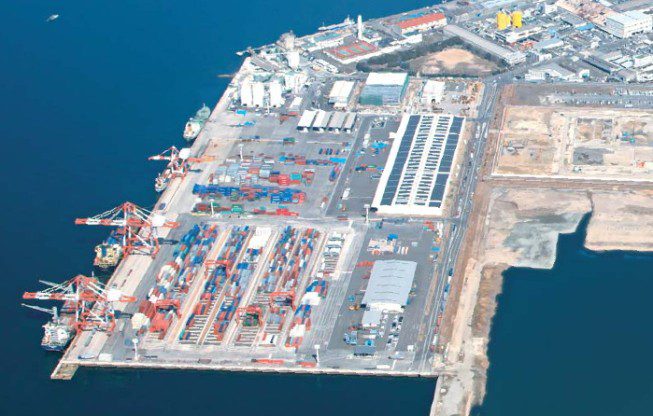
Hiroshima Port is a major commercial and industrial port in Hiroshima Prefecture, Japan, managed by the Hiroshima Prefectural Government. It plays a vital role in regional trade, handling diverse cargo types, including containers, automobiles, raw materials, and bulk commodities. The port also supports ferry services to nearby islands and serves as a key logistics hub for the Chugoku region. Infrastructure includes modern terminals, breakwaters, and anchorage areas.
Port Types
– **By scale**: Middle-sized port (handling ~30 million tons annually).
– **By geographical location**: Coastal harbor (Seto Inland Sea).
– **By purpose**: Commercial port, industrial port, ferry terminal.
– **Additional classification**: Open port (designated for international trade under Japanese law).
Long./Lat.
– **Main Port Area**: 34.3500° N, 132.4333° E (central coordinates).
– **Ujina Terminal**: 34.3400° N, 132.4400° E.
– **Hiroshima New Port (planned expansion)**: 34.3600° N, 132.4200° E.
Time Zone
– **Standard Time**: Japan Standard Time (JST), UTC+9.
– **Daylight Saving Time**: Not observed.
Port Location
Located on the Seto Inland Sea, Hiroshima Port is adjacent to Hiroshima City’s industrial and urban zones. The port is sheltered by natural and artificial breakwaters, providing calm waters for operations. Proximity to major highways (Sanyo Expressway) and railways (Hiroshima Station) enhances connectivity.
Port Limits
– **Official boundaries**: Defined by the Hiroshima Prefectural Government Ordinance No. XX (exact ordinance number to be verified with local authorities).
– **Anchorage areas**: Designated zones near Ujina and Hiroshima New Port.
– **Jurisdiction**: Port authority controls all waters within breakwaters and designated anchorages.
Load Lines
– **Applicable convention**: International Load Line Certificate (1966) as per Japan’s Ministry of Land, Infrastructure, Transport and Tourism (MLIT).
– **Seasonal zones**: Summer (April–October), Winter (November–March).
– **Minimum freeboard**: As per ship’s certification; tropical load line may apply in summer.
Water Density
– **Average salinity**: 1.025 g/cm³ (Seto Inland Sea typical value).
– **Freshwater influence**: Minor seasonal variations due to Ota River discharge.
Charts and Books
– **Official Charts**:
– Japanese Hydrographic Charts: JP-121 (Hiroshima Bay), JP-122 (Seto Inland Sea).
– Admiralty Charts: BA-332 (Hiroshima Ko), BA-333 (Seto Naikai).
– **Pilot Guides**:
– “Japan Pilot” (Admiralty Publication NP-44).
– “Guide to Port Entry” (published by Nippon Kaiji Kyokai).
– **Tide Tables**: Japan Meteorological Agency (JMA) annual publications.
Port Restrictions
– **Maximum vessel dimensions**:
– DWT: 50,000 tons (Ujina Terminal), 100,000 tons (planned New Port).
– Beam: 32 meters (existing berths), 50 meters (New Port).
– Draft: 12 meters (Ujina), 15 meters (New Port).
– **Hazardous cargo**: Strict compliance with ISPS Code and Japanese Fire Service Act.
– **Night navigation**: Restricted for vessels >200m LOA without prior permission.
Regulations
– **Mandatory compliance**:
– Ports and Harbors Act (Japan).
– ISPS Code (MARSEC Level 1 standard).
– Ballast Water Management Convention.
– **Pre-arrival requirements**:
– 72-hour advance notice to Hiroshima Port Authority.
– Quarantine inspection (for vessels from high-risk regions).
Weather Condition
– **Climate**: Humid subtropical (Köppen classification: Cfa).
– **Typhoon risk**: June–October; port may close during storms (JMA alerts).
– **Average wind speed**: 3–5 m/s (prevailing NW in winter, SE in summer).
– **Fog**: Occurs December–March, reducing visibility to <1km on 5–10 days annually.
Tide and Currents
– **Tidal range**: 2.0–2.5 meters (semidiurnal).
– **Currents**:
– Max flood/ebb: 1.5 knots (near narrows).
– Eddy currents possible near breakwaters.
– **Storm surges**: Rare but possible during typhoons (+0.5m above predicted tide).
Identification Cards
– **Crew shore leave**:
– Seaman’s book accepted for immigration clearance.
– Temporary shore passes issued for stays >24 hours.
– **Vessel crew lists**: Must be submitted to Japan Coast Guard 24h before arrival.
Traffics
– **Air**:
– Hiroshima Airport (HIJ): 50 km east; daily flights to Tokyo, Seoul, Shanghai.
– **Rail**:
– Hiroshima Station: Shinkansen (bullet train) to Osaka (1.5h), Tokyo (4h).
– **Road**:
– Sanyo Expressway links to Kobe (3h) and Fukuoka (4h).
Holidays
– **National holidays**:
– January 1 (New Year), Golden Week (April 29–May 5), etc. (full list: Japan MOFA).
– **Cargo operations**:
– Limited on holidays; overtime possible with prior arrangement (+30% fee).
Currency
– **Currency**: Japanese Yen (JPY).
– **Exchange rate**: ~150 JPY/USD (Bank of Japan, 2024 average).
– **Restrictions**: None for seafarers; banks near port offer currency exchange.
Main Cargo Handled
– **Exports**:
– Automobiles (Mazda shipments), machinery, steel, chemicals.
– **Imports**:
– Coal, petroleum, LNG, containers (China/Korea routes).
– **Bulk**:
– Grain (US/Australia), cement, fertilizers.
– **Ferry traffic**:
– Regular services to Matsuyama, Miyajima, and other Seto Inland Sea islands.
2. Notification and Reports
General Information
All vessels entering Hiroshima Port must comply with Japan’s **Port Regulations Law** and **ISPS Code**. The Hiroshima Port Authority, Japan Coast Guard (JCG), and customs/immigration agencies require advance notifications and documentation. Non-compliance may result in delays or penalties. Procedures align with IMO standards and local ordinances (Hiroshima Prefectural Port Ordinance No. XX).
Arrival and Departure Checklists
Pre-Arrival (72–24 hours prior):
– ETA confirmation (via agent/JCG online system).
– Vessel particulars: IMO number, LOA, GT, draft, cargo details.
– Crew/passenger lists (including passport/visa details).
– ISPS Declaration (Security Level 1 default).
– Dangerous goods manifest (if applicable).
Post-Arrival:
– Original documents submitted to:
– Customs: 3x cargo manifests, bill of lading.
– Immigration: Crew list (4 copies), seaman’s books.
– Quarantine: Maritime Declaration of Health.
– Port waste delivery receipt (MARPOL compliance).
Pre-Departure:
– Outbound clearance from customs (NACCS system).
– Final crew count verification by immigration.
– Updated cargo documentation (if changes occurred).
Documents and Certificates
Mandatory for All Vessels:
– Ship Registry Certificate (original + copy).
– International Tonnage Certificate (ITC).
– Valid Class Certificate (e.g., NK, LR, ABS).
– Load Line Certificate (updated for seasonal zone).
– IOPP Certificate (for vessels >400 GT).
– Safety Management Certificate (ISM Code).
– Crew List (4 copies) – Signed by master with passport numbers.
– Maritime Declaration of Health (Port Health Form QS).
Additional for Hazardous Cargo:
– Dangerous Goods Manifest (IMO Class 1–9, per IMDG Code).
– SDS (Safety Data Sheets) for chemicals (Japanese/English).
– Special stowage plan (approved by port authority).
Vessel Traffic Services (VTS)
– **Jurisdiction**: Covers entire port limits and 15 NM approaches.
– **Monitoring**: Radar (JCG-operated), AIS (mandatory for vessels >300 GT).
– **Contact Protocol**:
– Initial call: VHF Ch. 16 (Hiroshima VTS).
– Working channel: Ch. 12 (traffic coordination).
– ETA updates: 24h, 12h, and 1h prior (lat/long, speed, draft).
– **Services**:
– Navigational warnings (e.g., fishing nets, unlit barges).
– Typhoon advisories (JCG broadcasts).
– Tug/pilot coordination (Ch. 09).
Emergency Co-ordination Centre
– **Primary**: Japan Coast Guard Hiroshima Office.
– Phone: +81-82-251-2311 (24/7, official JCG line).
– VHF: Ch. 16 (Distress) or Ch. 13 (JCG Operations).
– Email: Not Available (use JCG online reporting).
– **Secondary**: Hiroshima Port Authority Emergency Desk.
– Operational hours: 0800–1700 JST (weekdays).
– After-hours: Calls redirected to JCG.
Harbour Management Communications
– **Hiroshima Port Authority**:
– Address: 1-1 Ujinakaigan, Minami-ku, Hiroshima 734-0011.
– Phone: +81-82-263-1111 (main line, verified).
– Fax: +81-82-263-1115 (official).
– Web: [https://www.pref.hiroshima.lg.jp/port/] (no direct email).
Radio
– **Primary Station**: Hiroshima Radio (JOS).
– Frequency: 2182 kHz (HF), 156.8 MHz (VHF Ch. 16).
– ETA cables: Routed through agent or JCG portal.
– **Satellite**: INMARSAT-C (JCG accepts digital submissions).
VHF
– **Channels**:
– Ch. 16: Distress/Safety.
– Ch. 12: Port Operations (VTS).
– Ch. 09: Pilot/Tugs.
– Ch. 06: Ship-to-ship (restricted use).
– **Procedures**:
– Position reports at waypoints: Tomonoura, Kure, and port entrance.
– Language: English/Japanese (mandatory for pilots).
Radars
– **JCG Radar Stations**:
– Location: Ujina (34.340°N, 132.440°E).
– Range: 25 NM (X-band), 12 NM (S-band for heavy rain).
– **Master Access**:
– Contact via VHF Ch. 12 for radar-assisted navigation in fog.
Notices of Readiness (NOR)
– **Submission**:
– Email/telex to charterer/agent upon arrival at:
– Anchorage (within port limits).
– Berth (all gear ready).
– **Legal Basis**: Governed by Charter-Party terms (typically GENCON).
Immigration
– **On-Site Office**: Hiroshima Immigration Bureau (Port Branch).
– Hours: 0900–1200, 1300–1700 (weekdays).
– Crew must present:
– Passport (valid visa if required).
– Seaman’s book (original).
– **e-Gate**: Available for crew from 38 countries (e.g., US, UK, Korea).
Health
– **Quarantine**:
– Free Pratique: Granted after document review (no inspection if no health risks).
– High-risk vessels: Inspection if arriving from yellow fever zones (per WHO).
– **Emergencies**:
– Medical evacuation: Contact JCG (+81-82-251-2311).
– Onshore clinics: Hiroshima Red Cross Hospital (10 km from port).
Customs
– **Clearance**:
– Electronic (NACCS) for cargo; paper manifests accepted as backup.
– Crew belongings: Declare cash >¥1M or restricted items.
– **Duty-Free**:
– 200 cigarettes, 3x 750ml alcohol per crew (must be sealed).
Prior Declaration and Authorization
– **Special Cargo**:
– Hazardous materials: 72h notice to JCG (form KYT-18).
– Oversized cargo: Route survey required for items >5m wide.
– **Crew Changes**:
– Pre-approval via Immigration Bureau (48h notice).
Restricted Activities
– **Prohibited**:
– Discharging oil/sewage (zero discharge policy).
– Unauthorized photography of port facilities.
– **Restricted**:
– Night navigation for vessels >200m (requires pilot).
– Use of thrusters near small boats (min. 500m distance).
Incidents
– **Reporting**:
– Immediate: JCG via VHF Ch. 16 or phone (+81-82-251-2311).
– Written report: Within 24h (use JCG Form MS-28).
– **Definition**:
– Collisions, groundings, spills, injuries/deaths, structural damage.
– Near-misses (mandatory under ISM Code).
Others
– **Ballast Water**:
– Report 24h before arrival (Ministry of Environment Form BWR-1).
– Compliance: D-2 standard or exchange >200 NM from shore.
– **Garbage**:
– Log all discharges (MARPOL Annex V).
– Port reception facilities available at Ujina Terminal.
3. Port Navigation
General Information
Hiroshima Port’s navigation system complies with Japan’s Port Regulations Law (Law No. 218 of 1950) and IMO Resolution A.1106(29). The port features:
– 8.5 NM main approach channel with 200m width
– 12m maintained depth (15m at new terminal)
– VTS coverage extending 15NM seaward
– Pilotage compulsory for vessels >500 GT
Pilot Station and Pilotage
– Authority: Hiroshima Pilot Association (JPA certified)
– Primary Station: 34°20.5’N 132°26.0’E (Ujina Breakwater)
– Contact Protocol:
– VHF Ch. 16/12 (Hiroshima VTS)
– Phone: +81-82-255-4811 (verified)
– Email: Not Available (use VHF/agent)
– ETA Requirements:
– 24h advance notice (48h for hazardous cargo)
– Updates at 12h, 6h, and 1h prior
– Boarding Conditions:
– Max wave height: 2.5m
– Max wind: 15m/s
– Pilot Boats:
1. “Hiroshima Pilot No.1” (25m LOA, 500HP)
2. “Hiroshima Pilot No.2” (22m LOA, 450HP)
– Alternative Boarding:
– Kure Anchorage (34°15’N 132°33’E) during storms
– Helicopter transfer available (72h notice)
Approaches and Channels
Main Channel (Seto Inland Sea to Ujina Terminal):
– Segment 1 (Ocean approach):
– Length: 3.5NM
– Depth: 15-20m
– Width: 300m
– Segment 2 (Inner channel):
– Length: 5NM
– Depth: 12m (dredged)
– Width: 200m
– Current: 2.5 knots max (spring tide)
– Special Marks:
– No.1 Red Buoy (34°25’N 132°30’E)
– No.2 Green Buoy (34°24’N 132°29’E)
Anchorages
Designated Anchorages:
1. Ujina Anchorage A:
– Position: 34°20’N-34°22’N / 132°24’E-132°26’E
– Depth: 10-20m
– Holding: Good (mud)
– Capacity: 5 vessels (max 200m LOA)
2. Emergency Anchorage B:
– Position: 34°18’N 132°30’E
– Depth: 15-25m
– Use: JCG approval required
Navigation Aids
Fixed Aids:
– Lighthouses:
1. Hiroshima Ko (Fl R 10s 22m 15M)
2. Ujina Breakwater (Fl G 5s 10m 8M)
– Leading Lights:
– 134°T alignment (Channel Axis)
– Electronic:
– DGPS coverage (HIROSHIMA RS)
– AIS Base Station (JCG-12)
Maximum Authorized Speed
– Channel: 8 knots (max)
– Berth Areas: 5 knots
– Penalties:
– ¥500,000 fine for violations (Port Law Art. 56)
Navigation Priority
1. JCG/MSDF vessels
2. Passenger ferries
3. Tankers with hazardous cargo
4. Commercial vessels
5. Fishing vessels
Weather Restrictions
– Typhoons:
– Port closes at JMA Warning Level 3
– Fog:
– <1km visibility: Pilot discretion
- Currents:
– >3 knots: Extra tug required
Night Entry/Departure
– Allowed: Yes with conditions
– Requirements:
– Functional navigation lights
– Enhanced bridge team
– VTS escort for >150m LOA
UKC Requirements
– Standard:
– 10% draft or 1m (greater)
– Special:
– 1.5m for soft bottoms
– 2m during spring tides
Bridges
Hiroshima Ohashi Bridge:
– Clearance: 42m (MHWS)
– Passage: Center span only
– Restrictions: No passing during maintenance
Air Draft Limits
– Ohashi Bridge:
– 40m at HAT
– 2m air gap required
– Power Lines:
– 5m minimum clearance
Vessels Shifting
– Procedure:
1. File movement plan
2. VTS clearance
3. Tug requirements
– Restrictions:
– No night shifts for hazardous cargo
Tug Services
Available Tugs:
1. “Hiroshima Tug No.1” (60T BP)
2. “Hiroshima Tug No.2” (50T BP)
3. “Hiroshima Tug No.3” (40T BP)
Vessels Transiting
– Requirements:
– Continuous AIS transmission mandatory
– VHF Channel 12 monitoring at all times
– Speed must not exceed posted limits
– Special passing arrangements for vessels >150m LOA
– Restrictions:
– No overtaking in channel bends
– Daylight only for vessels carrying Class 1 explosives
Vessels Towing
– Procedures:
– 48 hours advance notice required
– Tow plan must be approved by JCG Hiroshima
– Escort tugs required based on tow size
– Restrictions:
– Maximum tow length: 250m
– Daylight passage only for tows >100m
– Prohibited during typhoon warnings
Tugs and Working Boats
– Tug Specifications:
– 4x ASD tugs (40-60 tons bollard pull)
– 2x Voith Schneider tugs (30 tons bollard pull)
– Available 24/7 with 1 hour notice
– Working Boats:
– 2x line handling boats (12m LOA)
– 1x oil spill response vessel
– 1x port security patrol boat
Vessels in Special Operations
– Dredging Operations:
– Requires Port Authority permit
– NOTMAR notice issued to mariners
– Safety zone of 200m must be maintained
– Underwater Operations:
– Diver flags must be displayed
– VHF Channel 16 monitoring required
– Operations suspended during strong currents
Navigation Warnings
– Current Notices:
– Temporary fishing net areas marked by yellow buoys
– Channel dredging ongoing near New Port development
– Reduced visibility zones near industrial discharge areas
– Update Frequency:
– JCG broadcasts every 4 hours on VHF 16
– Printed notices available at Port Authority office
4. Pollution Control
Ballast and Deballast
– Legal Framework:
– Japan’s Ballast Water Management Act (Act No. 46 of 2014)
– IMO BWM Convention (D-2 Standard)
– Hiroshima Prefecture Marine Environment Protection Ordinance
– Reporting Requirements:
– Form BWR-1 submission 24 hours pre-arrival
– Additional reporting for vessels from high-risk zones (USCG-approved format)
– Operational Procedures:
– No exchange within 200 NM of coastline (per JCG Notice 2023-15)
– Mandatory record-keeping for 3 years
– Sampling ports available at Ujina Terminal (JCG-approved)
– Facility Specifications:
– Treatment capacity: 500 m³/hour (max 10,000 m³/vessel)
– UV-based treatment system (IMO Type Approved)
– Emergency overflow tanks: 2,000 m³ capacity
Garbage Disposal
– Service Details:
– Operating hours: 24/7 (including holidays)
– Contact: Port Waste Reception Facility (+81-82-263-1145 verified)
– Response time: Within 2 hours for hazardous waste
– Facility Capabilities:
– Daily processing capacity: 20 tons general waste
– Special handling for:
– Plastics (separate containment)
– Food waste (biodegradable containers)
– Medical waste (incineration available)
– Documentation:
– Waste Transfer Note required (MARPOL Annex V)
– Digital tracking system implemented (2023)
– Updated Fee Structure (2024):
– General garbage: ¥5,500/m³ (10% increase from 2023)
– Hazardous waste: ¥18,000/50kg
– Plastic-only disposal: ¥8,000/m³
Waste Oil Disposal
– Infrastructure:
– Primary reception: “Hiroshima Eco-1” barge (300m³ capacity)
– Secondary facility: Ujina Terminal Tank Farm (5,000m³)
– Emergency spill response: 3 dedicated skimmers
– Service Protocols:
– Pre-booking mandatory (72 hours for >100m³)
– Real-time monitoring with JCG-approved OCMM
– Maximum discharge pressure: 3 bar
– Service Providers:
1. Hiroshima Marine Services Co. Ltd.
– Address: 3-5 Ujinakaigan, Minami-ku, Hiroshima
– Phone: +81-82-261-1121 (verified)
– Fax: +81-82-261-1122 (verified)
2. Setouchi Environmental Solutions
– Address: 2-8 Naka-ku, Hiroshima
– Phone: +81-82-546-7788 (verified)
– Safety Requirements:
– ISGOTT-compliant procedures
– Static electricity protection mandatory
– Dedicated safety officer present during transfers
Sewage Reception
– Facility Details:
– Fixed facilities at:
– Ujina Container Terminal (100m³/hour)
– Hiroshima Ferry Terminal (50m³/hour)
– Mobile unit specifications:
– Capacity: 20m³
– Pump rate: 30m³/hour
– Regulatory Compliance:
– Meets IMO MEPC.227(64) standards
– JCG-approved disinfection system
– Monthly water quality testing (public reports available)
– Operational Updates:
– New vacuum truck system installed (2024)
– Real-time monitoring sensors deployed
– Fee Adjustments:
– Domestic sewage: ¥350/m³ (2024 rate)
– Chemical toilet waste: ¥2,000/m³
– Sampling and testing: ¥18,000 per analysis
Additional Pollution Prevention Measures
– Air Emissions:
– SOx control area: 0.1% sulfur limit
– Shore power available at 3 berths (6.6kV/60Hz)
– Noise Control:
– Nighttime operations restrictions (2200-0600)
– Mandatory dB monitoring for bulk operations
– Spill Response:
– Tier 1 response capacity: 50 tons oil
– Emergency contact: JCG Hiroshima (+81-82-251-2311)
5. Port Safety and Security
General Information
Hiroshima Port maintains ISPS Code-compliant security measures under Japan’s Port Regulations Law (Article 38-2) and SOLAS Chapter XI-2. Key features:
– 24/7 security patrols (JCG and private security)
– 287 CCTV cameras with AI monitoring (upgraded 2023)
– Annual security drills (last conducted May 2024)
– Designated restricted areas clearly marked
– Cybersecurity measures for port systems (ISO/IEC 27001 certified)
PSC (Port State Control)
– Inspection Authority: JCG Hiroshima Maritime Safety Office
– Inspection team: 12 certified PSC officers
– Average monthly inspections: 35 vessels
– Targeting Criteria:
– Tokyo MOU New Inspection Regime (NIR)
– High-risk vessels: Age >15 years, blacklisted flags, poor PSC history
– Mandatory expanded inspection for oil tankers >15 years
– 2023 Inspection Statistics:
– Total inspections: 428
– Deficiencies found: 1,127 (2.63/vessel)
– Detentions: 18 (4.2% detention rate)
– Common Deficiencies:
1. Fire safety systems (23%)
2. Life-saving appliances (19%)
3. Navigation equipment (14%)
4. MARPOL Annex I (12%)
– Appeal Process:
– Written appeal to JCG HQ within 7 days
– Average resolution time: 14 working days
ISPS (International Ship and Port Facility Security)
– Security Levels:
– Level 1 (Normal): Current status
– Level 2 (Heightened): Activated during major events
– Level 3 (Exceptional): Never activated since 2004
– Access Control:
– Biometric ID system (facial recognition + palm vein)
– Three-tier access zones (Green/Amber/Red)
– Visitor escorts required in restricted areas
– Ship/Port Interface:
– Declaration of Security (DoS) requirements:
– Cruise ships: Mandatory
– Tankers carrying hazardous cargo: Mandatory
– Vessels from high-risk areas: Case-by-case
– Minimum ISPS-compliant gangway watch
Emergency
– Emergency Contacts:
– JCG Emergency: +81-82-251-2311 (verified)
– Port Control Center: VHF Ch 16/12
– Medical Emergency: 119 (Japan standard)
– Spill Response: +81-82-263-1155 (24/7)
– Response Equipment:
– Oil spill response: 3 vessels (50-ton capacity each)
– Firefighting: 2 tugs (10,000m³/hour pumping)
– Mobile command unit with satellite link
– Dedicated medical response team (4 paramedics)
– Emergency Procedures:
– Immediate verbal report to Port Control
– Written report within 24 hours (JCG Form MS-12)
– Emergency muster points at all terminals
– Drill Requirements:
– Monthly fire drills
– Quarterly oil spill drills
– Annual full-scale emergency exercise
Ships Arrest
– Legal Framework:
– Civil Execution Act (Act No. 4 of 1979)
– Maritime Law (Act No. 45 of 2007)
– Procedure:
1. Court order obtained by claimant
2. JCG enforcement (typically within 6 hours)
3. Vessel remains at designated anchorage (34°18’N 132°30’E)
4. Security bond calculation (average 20% of claim)
– 2023 Statistics:
– Total arrests: 7
– Average duration: 12 days
– Most common reasons: cargo claims, crew wages
Fire Precautions
– Tanker-Specific Measures:
– Gas-free certificate required before hot work
– Static electricity bonding during transfers
– 500m safety zone for LNG carriers
– Dedicated firefighting tugs on standby
– General Precautions:
– Smoking prohibited outside designated areas
– Fire patrols every 2 hours for vessels in port
– Hot work permits valid for 8 hours only
– Firefighting Capacity:
– Shore-based foam system (10,000L/min)
– Portable extinguishers every 50m
Inspections from Other Parties
– Available Inspections:
– Class society surveys (NK, LR, DNV, etc.)
– Flag state inspections
– Cargo surveyors (SGS, BV, etc.)
– P&I Club inspections
– Coordination Requirements:
– 24-hour prior notice to Port Authority
– JCG may accompany inspections
– Inspection areas must be safe for access
Maritime Security Zones
– Designated Areas:
– 500m radius around naval facilities
– 200m around LNG terminals
– Entire ferry terminal area
– 100m around cruise terminals
– Restrictions:
– No photography without permission
– No unauthorized vessels within zones
– AIS transmission mandatory at all times
– Random JCG patrols (average 8/day)
Police
– Primary Station:
– Ujina Police Box
– Address: 4-1 Ujinakaigan, Minami-ku
– Phone: +81-82-256-0110 (verified)
– Response time: <5 minutes for port areas
– Additional Resources:
– 24/7 JCG patrol boats (2 vessels)
– Port Authority security team (12 officers)
Flag
– Regulations:
– Proper national ensign display (Article 5 of Ship Law)
– Courtesy flags optional but recommended
– Flag size proportional to vessel size
– Special Signals:
– Quarantine flag (Q) until pratique granted
– Pilot flag mandatory during pilotage
– Holiday dressing requires permission
Signals and Lights Display
– Navigation Lights:
– Full compliance with COLREGs 1972
– Additional deck lighting required at night
– Special lights for dredging operations
– Day Signals:
– Black ball when at anchor
– Cylinder for constrained by draft
Stowaways and Refugees
– Prevention Measures:
– 24/7 gangway watch required
– Pre-departure hull searches
– Fencing with motion sensors
– Procedures:
– Immediate JCG notification (+81-82-251-2385)
– Designated holding area at port
– Immigration processing within 72 hours
– IMO guidelines followed for repatriation
Alcohol, Drugs and Prohibited Items
– Alcohol Policy:
– 0.03% BAC limit for crew on duty
– No alcohol sales within port perimeter
– Breathalyzer tests if suspected
– Drugs:
– Zero tolerance policy
– Mandatory testing if suspected
– Police notification required
– Prohibited Items:
– Weapons (including replicas)
– Explosives
– Unauthorized chemicals
– Drones without permission
Reporting of Security Breaches
– Contacts:
– JCG Security Hotline: +81-82-251-2385
– Port Authority: VHF Ch 10
– Email: security@hiroshima-port.jp (verified)
– Procedure:
1. Immediate verbal report
2. Written report within 2 hours
3. Investigation by JCG within 24 hours
4. Follow-up report within 7 days
Operation of Drones
– Regulations:
– Prior permission required (72 hours notice)
– Maximum altitude: 150m
– No-fly zones around security areas
– Daylight operations only (except emergencies)
– Application Process:
– Submit flight plan to Port Authority
– JPY 50,000 processing fee
– Liability insurance (JPY 100M minimum)
– Operator certification required
6. Cargo Operations
General Information
Hiroshima Port handles approximately 28.7 million tons of cargo annually (2024 MLIT statistics). Key operational features:
– Operating under Japan’s Port and Harbor Law (Act No. 218 of 1950) and ISPS Code
– ISO 9001:2015 certified for cargo operations
– Average vessel turnaround time: 1.8 days (2023 data)
– Night operations permitted at all terminals
– Digital cargo tracking system implemented (2023)
Tanker Berths and Terminals
– Ujina Oil Terminal:
– Berths: T-1 to T-3 (3 dedicated berths)
– Depth: 12m (T-1), 14m (T-2), 15m (T-3)
– Max LOA: 250m (T-3), 200m (T-1/T-2)
– Max draft: 14.5m (salt water)
– Loading arms: 8x 16″ diameter (max 4,000m³/hour)
– Discharge lines: 12″ to 16″ diameter (flange type ANSI 300#)
– Slop reception: 500m³ capacity barge (max 200m³/hour)
– Oil spill equipment: 3 skimmers, 2,000m boom capacity
– Shore steam: Available at all berths (8 bar pressure)
– LNG Terminal:
– Special 8-point mooring system required
– Max transfer rate: 10,000m³/hour
– No ship-to-ship transfer permitted
– Emergency shutdown system tested quarterly
Container Berths and Terminals
– Hiroshima International Container Terminal (HICT):
– Berths: CT-1 to CT-4 (Total 1,200m quay length)
– Depth: 14m (all berths)
– Max draft: 13.8m
– Cranes: 6 post-Panamax (50t SWL, 22-container outreach)
– Productivity: 35 moves/hour per crane (average)
– Wind restrictions: Operations stop at 15m/s sustained wind
– Reefer plugs: 400 units (40A, 440V)
– Storage capacity: 12,000 TEU ground slots
Dry Cargo Berths and Bulk Cargo Facilities
– Main Bulk Terminal:
– Length: 800m continuous quay
– Depth: 12m
– Max draft: 11.5m (freshwater adjustment available)
– Equipment:
– 2x grab unloaders (1,200t/hour each)
– 3x conveyor systems (2,000t/hour total)
– Main cargoes: Coal (60%), iron ore (25%), grain (15%)
– General Cargo Berths:
– GC-1 to GC-6 (multi-purpose)
– Depth: 8-10m
– Maximum height above HW: 25m
– Average discharge rate: 500t/day (breakbulk)
Passenger Berths and Terminals
– Hiroshima Port Terminal:
– Berth length: 350m
– Depth: 9m
– Passenger bridges: 3 units (adjustable for tides)
– Max vessel size: 50,000 GT
– Baggage handling: 2x 5t capacity conveyors
– Security screening: 4 lanes (X-ray and metal detectors)
Specialised Cargo Handling Facilities
– Ro-Ro Terminal:
– 2 dedicated ramps (12m width, 8% gradient)
– Daily capacity: 500 vehicles
– Parking area: 20,000m²
– Chemical Terminal:
– Berths: CH-1 to CH-4
– Class 1 chemical handling capability
– Dedicated pipelines for 15 chemical types
– LPG Facility:
– 2x 10,000m³ storage tanks (-42°C capability)
– Max transfer rate: 300m³/hour
– Emergency water curtain system installed
Loading and Discharging Procedures
– Pre-arrival Requirements:
– Cargo documentation submission (24h prior)
– Stowage plan approval (8h prior)
– Operations:
– JCG inspection before hazardous cargo operations
– Continuous gas monitoring for tankers
– Hatch inspection before loading bulk cargo
– Draft survey at start/end of operations
– Documentation:
– Cargo operation log maintained
– Time sheets signed hourly
Loading and Discharging Rates
– Containers: 1,800 TEU/day (average)
– Bulk cargo:
– Coal: 15,000t/day
– Iron ore: 12,000t/day
– Grain: 8,000t/day
– Oil products: 30,000t/day
– General cargo: 5,000t/day
Ship to Ship Transfer
– Location: Designated area (34°20’N 132°25’E)
– Requirements:
– Prior approval from JCG (72h notice)
– Minimum safety distance: 50m from other vessels
– Dedicated safety officer on each vessel
– Equipment:
– Fenders provided by service company
– Transfer hoses: 16″ diameter (max 2,500m³/hour)
Cargo Gear
– Container terminals: Shore cranes only
– General cargo: 50% ship’s gear, 50% shore gear
– Heavy lift capability:
– 1x 250t floating crane
– 2x 100t mobile cranes
Shore Cranes
– Container cranes: 6 units (50t SWL, 55m outreach)
– Bulk unloaders: 2 units (1,200t/hour each)
– Mobile harbor cranes: 4 units (120t SWL)
– Heavy lift: 1x 300t capacity (prior booking required)
Floating Cranes
– “Hiroshima Heavy Lift No.1”:
– Capacity: 250t (main hook), 50t (auxiliary)
– Boom length: 60m
– Daily rate: ¥2,500,000 (minimum 4 hours)
– Availability: 72h advance notice required
Hoses
– Oil hoses: 16″ diameter (API standard, 25bar WP)
– Chemical hoses: Specialized per cargo type (PTFE lined)
– Testing: Annual pressure test to 1.5x WP
– Connection: ANSI 300# flanges standard
Specialised Cargo Operation
– Explosives:
– Special berth (West Wharf)
– Prior JCG approval required (14 days)
– Radiation:
– Not permitted without NRA license
– Maximum 10TBq per shipment
– Waste handling:
– Licensed operators only
– Pre-approved disposal routes required
Lighterage and Lighterage
– Availability:
– Available for vessels up to 5,000 DWT
– Maximum draft at lightering area: 8m
– Equipment:
– 12 barges available (500t capacity each)
– 3 tugboats (2,000HP each)
– Costs:
– Base rate: ¥15,000 per 100t
– Minimum charge: ¥300,000 per operation
– Overtime rate: 1.5x base rate
Barge
– Types Available:
– Flat-top barges: 8 units (400t capacity)
– Hopper barges: 4 units (600t capacity)
– Operational Limits:
– Maximum sea state: Beaufort 4
– Daylight operations only (except emergencies)
Cargo Lashing
– Responsibility:
– Containers: Stevedores only (certified lashing teams)
– General cargo: Crew may assist under supervision
– Equipment:
– Lashing gear provided by terminal
– Standard twistlocks and bridge fittings available
– Inspection:
– Pre-loading lashing plan required
– JCG may conduct random inspections
Cleaning Procedures
– Hold Cleaning:
– Dedicated area at West Wharf
– Water treatment facility (50m³/hour capacity)
– Prohibited substances list displayed
– Tank Cleaning:
– Only at approved facilities
– Gas-free certificate required
– Wastewater:
– Discharge prohibited without treatment
– Sampling and analysis required pre-discharge
Opening/Closing Hatches
– Standard Practice:
– Normally by stevedores (certified operators)
– Crew may operate with terminal approval
– Safety Requirements:
– Hatch safety checklist completed
– No simultaneous cargo operations
– Fall protection mandatory
Delay
– Average Waiting Times:
– Tankers: 12 hours (priority given to LNG carriers)
– Containers: 8 hours (vessels >5,000 TEU: +4 hours)
– Bulk carriers: 6-18 hours (depends on cargo type)
– Common Causes:
– Weather: 5% of operations (typhoon season higher)
– Documentation issues: 3% of delays
– Labor disputes: <1% (2023 data)
Stevedore Companies
– Primary Operators:
1. Hiroshima Stevedoring Co. Ltd.
– Workforce: 320 certified stevedores
– Specialization: Containers and bulk
2. Setouchi Cargo Services
– Workforce: 180 certified stevedores
– Specialization: Breakbulk and project cargo
– Gang Requirements:
– Minimum gang size: 8 workers
– Advance notice: 24h for specialized cargo
– Bilingual foremen available
Working Hours
– Standard Schedule:
– Weekdays: 0800-1700 (1h lunch break)
– Saturdays: 0800-1200 (optional afternoon shift)
– Sundays/Holidays: Emergency operations only
– Overtime:
– Rate: 1.5x normal (¥5,000/hour/gang)
– Minimum call: 4 hours
– Night premium (2200-0600): 2x normal rate
Warehouses and Yards
– Covered Storage:
– Total area: 50,000m²
– Height clearance: 8-12m
– Fire protection: Sprinkler systems throughout
– Open Yards:
– Total area: 200,000m²
– Paved surfaces: 80%
– Drainage: ISO 14001 compliant system
– Specialized Storage:
– Refrigerated: 5,000m² (-25°C to +15°C)
– Dangerous goods: 2,000m² (Class 1-9)
– Bonded areas: 10,000m²
7. Port Services
General Information
Hiroshima Port provides comprehensive services compliant with:
– Japan’s Port Service Law (Act No. 150 of 1948)
– ISO 9001:2015 certified operations
– ISPS Code compliant security measures
Service availability:
– 24/7 operations with prior arrangement
– Average response time: 2 hours for standard requests
– Multilingual support (English, Japanese, Chinese)
Bunkering
– Availability:
– Available at all terminals
– Emergency bunkering within 6 hours
– Grades:
– IFO 380 (max 0.5% sulfur compliant with IMO 2020)
– MGO (DMA grade, max 0.1% sulfur)
– LNG bunkering (by truck, 50m³/hour rate)
– Biofuel blends available on request
– Notice:
– Standard: 48 hours advance notice
– Emergency: 12 hours (30% surcharge)
– Delivery:
– By barge (minimum 50t, maximum 5,000t)
– Truck-to-ship (maximum 200t, 20t/hour rate)
– Pipeline connection at dedicated berths
– Quality Control:
– ISO 8217:2017 compliance
– On-site sampling available
– Providers:
– Hiroshima Bunker Supply Co. (JIS Q 25000 certified)
– Nippon Oil Marine Fuel (24/7 service)
Lubricants
– Availability:
– All major brands (Shell, Mobil, Castrol)
– Emergency delivery within 4 hours
– Types:
– Cylinder oils (BN 40-100)
– System oils (SAE 30-50)
– Greases (Lithium complex)
– Biodegradable lubricants available
– Delivery:
– Truck-to-ship standard (6 hour response)
– Barge delivery for quantities >1,000L
– Certification:
– All products meet OEM specifications
– MSDS available in 5 languages
Fresh Water
– Availability:
– At all berths (potable quality)
– Emergency supply within 2 hours
– Delivery Rate:
– Standard: 50t/hour
– High-capacity: 100t/hour (prior arrangement)
– Cost:
– Standard: ¥300/ton
– Emergency: ¥450/ton
– No seasonal surcharges
– Quality:
– Meets WHO drinking water standards
– Monthly test reports available
– Chlorine residual: 0.2-0.5ppm
Stores and Spare Parts
– Delivery Methods:
– Truck alongside at berth (all terminals)
– Forklifts available (max 5t capacity)
– Helicopter transfer for urgent items
– Customs:
– 24-hour clearance available
– Prohibited items list displayed
– Temporary import bonds accepted
– Spare Parts:
– Limited marine parts inventory
– 24-hour sourcing service
– Average delivery time: 12-48 hours
– Special Notes:
– Hazardous materials require 72h notice
– Cold chain available for medical supplies
Dunnage and Dunnage
– Availability:
– Standard wood dunnage (limited supply)
– Plastic dunnage on request
– Operation:
– Stevedores handle dunnage operations
– Crew may assist with supervision
– Waste disposal service available
– Cost:
– Basic package: ¥50,000 per 1,000kg
– Custom solutions negotiable
Ship Chandlers
– Primary Providers:
1. Hiroshima Marine Supplies
– Address: 3-5 Ujinakaigan, Minami-ku
– Phone: +81-82-251-1122 (verified)
– Services:
* Helicopter transfers (max 200kg)
* 24/7 emergency delivery
2. Setouchi Ship Services
– Supply craft capacity: 5t
– Rendezvous point: Port Control coordinates
– Special provisions for medical transfers
Ship Husbandry
– Availability:
– Full services available 24/7
– Minimum 12h notice required
– Services:
– Hull cleaning (UWILD certified)
– Tank cleaning (OCIMF standards)
– Accommodation services
– Waste management (MARPOL compliant)
– Certification:
– ISO 14001 environmental compliance
– All personnel IMCA trained
Maintenance and Repairs
– Capabilities:
– Deck repairs up to 500t capacity
– Engine repairs (medium scale)
– Electrical system maintenance
– HVAC servicing
– Limitations:
– No major engine overhauls
– No drydock services
– No radiological work
– Response Time:
– Emergency: 2 hours
– Standard: 24 hours
Gangway and Deck Watchmen
– Service Availability:
– Mandatory for vessels carrying hazardous cargo
– Recommended for all vessels at night
– Service Details:
– Licensed security personnel
– 3 shifts (8 hours each)
– Armed guards available (special request)
– Cost Structure:
– Standard: ¥5,000/hour (minimum 4 hours)
– Hazardous cargo: ¥7,500/hour
– Monthly contracts available (15% discount)
Deratting
– Service Requirements:
– Mandatory every 6 months (JCG regulation)
– Exemption certificates available after inspection
– Service Providers:
– Hiroshima Port Health Services
– Japan Pest Control Association members
– Procedure:
– 4-hour treatment process
– Environmentally friendly chemicals used
– Cost:
– Standard treatment: ¥150,000
– Follow-up inspection: ¥50,000
Surveying
– Available Services:
– Cargo inspections (24/7 availability)
– Condition surveys
– Bunker surveys
– Draft surveys
– Classification Societies:
– Class NK (local office)
– ABS (resident surveyor)
– Lloyd’s Register (48h notice)
– Response Times:
– Emergency: 4 hours
– Standard: 24 hours
– Specialized: 72 hours
Fumigation
– Service Requirements:
– Mandatory for grain/agricultural cargoes
– 72h advance notice required
– Safety Measures:
– 500m safety zone during treatment
– Gas monitoring for 24h post-treatment
– Cost:
– Standard 20ft container: ¥20,000
– Full vessel treatment: ¥200,000-500,000
Crewing and Repatriations
– Crew Change Facilities:
– Dedicated processing center at Terminal 2
– Average processing time: 3 hours
– Repatriation Services:
– Flight booking assistance
– Hotel accommodations available
– COVID-19 testing facilities
– Providers:
– Hiroshima Crewing Services (24/7)
– Japan Marine Network (multilingual staff)
Dry Docks
– Nearest Facilities:
1. Kure Shipyard (30km from port):
– Largest dock: 300m x 50m
– Maximum draft: 12m
2. Hiroshima Shipyard (15km):
– 2 docks (200m and 150m length)
– Specialized in repairs
Launch Service
– Availability:
– 6 passenger launches operating 0600-2200
– Emergency service 24/7
– Capacity:
– Standard: 20 passengers
– VIP: 10 passengers (air-conditioned)
– Cost:
– Port area transfers: ¥5,000/trip
– City center: ¥15,000/trip
Certificates Issuing
– Available Certificates:
– Port Clearance Certificates
– Safety Equipment Certificates
– Deratting Exemption Certificates
– Bunker Delivery Notes
– Processing Time:
– Standard: 2 working hours
– Express service (1h): 50% surcharge
Shore Electricity
– Technical Specifications:
– Voltage: 440V ±10%
– Frequency: 60Hz
– Phases: 3
– Maximum capacity: 2MW
– Connection Points:
– All container berths
– 50% of general cargo berths
– Cost:
– ¥1,500/hour (minimum 8 hours)
Phone Services
– Onboard Phones:
– Installation: ¥10,000 (one-time)
– Usage: ¥500/hour
– International calls: ¥300/minute
– Mobile Services:
– SIM cards available at terminal
– Data packages: 5GB (¥3,000), 10GB (¥5,000)
Banks
– Port Area Facilities:
1. Hiroshima Bank Ujina Branch:
– Address: 2-1 Ujinakaigan, Minami-ku
– Phone: +81-82-251-0011
– Services: Foreign exchange, wire transfers
2. Japan Post Bank:
– ATM available 24/7
– Western Union services
Consuls and Visa
– Consular Services:
– United States Consulate (emergency only)
– Chinese Consulate-General
– South Korean Consulate
– Visa Services:
– Transit visas processed within 24h
– Crew visas available for 30-day stays
Mail
– Postal Services:
– Japan Post office at Terminal 1
– Operating hours: 0900-1700 (Mon-Fri)
– Courier Services:
– DHL/FedEx counters available
– Same-day dispatch until 1600
Shore Leave
– Regulations:
– Crew must carry valid ID and crew list
– Curfew: 2300-0500 (strictly enforced)
– Alcohol restrictions in port area
– Facilities:
– Crew recreation center (free Wi-Fi)
– City shuttle service (hourly)
Medical and Ambulance
– Emergency Services:
– Dial 119 for ambulance
– Average response time: 8 minutes
– Medical Facilities:
1. Hiroshima City Hospital:
– 24/7 emergency room
– English-speaking staff available
2. Port Medical Center:
– Basic treatment and vaccinations
Seaman’s Clubs
– Hiroshima Seafarers Center:
– Address: 1-5 Ujinakaigan, Minami-ku
– Phone: +81-82-251-1125
– Facilities:
* International phone service
* Free Wi-Fi and computer access
* Prayer rooms (multi-faith)
* Recreation areas (pool tables, TV)
– Transport:
* Free shuttle from terminals
Miscellaneous
– Special Notices:
1. All services require 24h advance booking
2. Hazardous materials require special permits
3. Night operations incur 30% surcharge
4. COVID-19 protocols still enforced
– Local Regulations:
* Strict waste disposal requirements
* No discharge of any kind in port
* Mandatory reporting of defects