1. Port Description
General Information
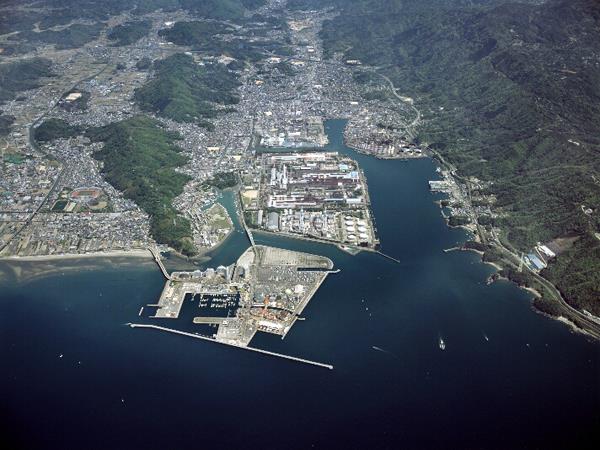
Kainan Port is a medium-sized commercial and industrial port in Wakayama Prefecture, Japan, operated by the Wakayama Prefectural Government. It serves the Kansai region, handling petroleum products, chemicals, general cargo, and industrial materials. The port features modern infrastructure, including dedicated berths for liquid bulk and dry cargo, and supports regional trade and logistics.
Port Types
– **By size**: Medium port.
– **By location**: Coastal port (Kii Channel).
– **By function**: Commercial port (primary), industrial port.
Long./Lat.
– **Approximate coordinates**: 34.1500° N, 135.2000° E.
– **Precision**: For navigation, refer to **Japanese Hydrographic Chart JP-12121** or **Admiralty Chart BA-3567**.
Time Zone
– **Standard Time**: Japan Standard Time (JST), **UTC+9**.
– **Daylight Saving**: Not observed.
Port Location
– **Geographical context**: Eastern coast of Wakayama Prefecture, facing the Kii Channel.
– **Surroundings**: Adjacent to industrial zones (e.g., Kainan Industrial Park) with direct access to National Route 42 and JR Hanwa Line.
– **Waterway**: Connects to the Seto Inland Sea and Pacific Ocean routes.
Port Limits
– **Defined by**: Wakayama Prefectural Ordinance No. 42 (Port Administration Act).
– **Boundaries**: Published in **Official Notice No. 2021-3** of Wakayama Port Authority. Vessels are “arrived” upon crossing these limits (laytime commences per Charter-Party terms).
Load Lines
– **Regulation**: Complies with **International Load Line Convention (ILLC 1966)**.
– **Certification**: Vessels must display valid load line marks (tropical, summer, winter) as per **ClassNK or IMO certification**.
– **Minimum freeboard**: As per vessel’s Load Line Certificate.
Water Density
– **Average**: 1.025 g/cm³ (varies seasonally; 1.020–1.028 g/cm³ observed).
– **Source**: Wakayama Prefecture Environmental Monitoring Report (2023).
Charts and Books
– **Mandatory**:
– **Nautical Charts**: Japanese JP-12121 (1:25,000), Admiralty BA-3567.
– **Tide Tables**: Japan Coast Guard’s “Annual Tide Tables (Kii Channel).”
– **Pilot Guide**: “Guide to Port Entry (Japan)” by Nippon Kaiji Kyokai (ClassNK).
– **Recommended**:
– **Notices to Mariners**: JCG Weekly Updates.
Port Restrictions
– **Draft**: Max **12.0 meters** (at high tide; tidal allowance ±1.5 meters).
– **DWT**: Berth-specific; max **50,000 DWT** for general cargo berths.
– **LPG/LNG**: Specialized berths require prior approval (Wakayama Port Authority Regulation §12-3).
– **Night navigation**: Restricted for vessels >10,000 GT (per JCG Rule 15A).
Regulations
– **Environmental**: Compliance with **Japan’s Act on Prevention of Marine Pollution (Act No. 136 of 1970)**.
– **Security**: ISPS Code enforced; 24-hour advance notice required for arrivals.
– **Customs**: Mandatory pre-arrival declaration via **Japan Customs’ NACCS system**.
Weather Condition
– **Climate**: Temperate; typhoon season (July–October).
– **Wind**: Prevailing NW in winter; SE in summer (avg. 10–15 knots).
– **Visibility**: >5 NM (90% of year); fog rare (<5 days/year).
– **Data source**: Japan Meteorological Agency (JMA) Station WH-308 (Kainan).
Tide and Currents
– **Tidal range**: **1.5 meters** (mean); spring tides up to 2.0 meters.
– **Currents**: Max **3 knots** during tidal shifts (Kii Channel).
– **Reference**: JCG Tidal Current Atlas (Seto Inland Sea, Sheet 4).
Identification Cards
– **Crew shore access**: Seaman’s Book (or passport) sufficient for temporary shore leave.
– **Long-term passes**: Issued by Wakayama Immigration Bureau (application required).
Traffics
– **Air**:
– **Kansai International Airport (KIX)**: 50 km north; daily flights to major global hubs.
– **Rail**:
– **Kainan Station (JR Hanwa Line)**: Direct to Osaka (1.5 hours) and Wakayama (30 mins).
– **Highway**:
– **National Route 42**: Connects to Osaka-Kobe Expressway.
Holidays
– **National holidays**: New Year (Jan 1–3), Golden Week (Apr 29–May 5), etc. (per Japanese law).
– **Cargo operations**: Possible on holidays with **prior request + 30% surcharge** (Port Rule 5-2).
Currency
– **Currency**: Japanese Yen (JPY).
– **Exchange rate**: ~150 JPY/USD (Bank of Japan, 2024).
– **Restrictions**: None for seafarers; forex services at port admin office.
Main Cargo Handled
– **Exports**: Petroleum products, chemicals, machinery.
– **Imports**: Coal, iron ore, LPG, containers.
– **Volume**: ~8 million MT/year (Wakayama Port Authority, 2023).
2. Notification and Reports
General Information
All vessels calling at Kainan Port must comply with Japanese maritime regulations and port-specific procedures. The following requirements apply to approaching, staying in, and departing the port, with emphasis on safety, environmental protection, and efficient operations.
Arrival and Departure Checklists
– Pre-arrival:
– Submit ETA through NACCS (Japan Customs’ electronic system) at 72, 48, and 24 hours prior to arrival
– Provide vessel particulars, cargo details, and crew information
– Request pilotage and berthing arrangements (if required)
– Post-arrival:
– Submit original documents to relevant authorities (see Documents and Certificates)
– Complete port formalities within 24 hours of arrival
– Pre-departure:
– Submit departure notice at least 6 hours before sailing
– Ensure all cargo operations are properly documented
– Obtain clearance from Customs and Immigration
Documents and Certificates
Required documents must be presented in original form with at least one copy:
1. Crew Documents:
– Crew List (4 copies) – Signed by Master with crew particulars
– Seaman’s Books or passports for all crew members
– Vaccination certificates (if required)
2. Ship’s Papers:
– Certificate of Registry
– International Tonnage Certificate
– Minimum Safe Manning Certificate
– Continuous Synopsis Record (CSR)
– International Oil Pollution Prevention (IOPP) Certificate
– International Air Pollution Prevention (IAPP) Certificate
– International Sewage Pollution Prevention (ISPP) Certificate
– International Ballast Water Management Certificate
– International Ship Security Certificate (ISSC)
– Class Certificate
– P&I Club Certificate
3. Cargo Documents:
– Cargo Manifest (3 copies)
– Dangerous Goods Declaration (if applicable)
– Stowage Plan for bulk carriers
– Special Cargo Certificates (for oversized/heavy lift)
4. Operational Documents:
– Port State Control inspection reports (last 12 months)
– Garbage Record Book
– Oil Record Book (Parts I and II)
– Ballast Water Record Book
– Voyage Data Recorder information (if requested)
Vessel Traffic Services (VTS)
– Service Area: Covers the Kii Channel and port approaches (34.10°N to 34.25°N, 135.15°E to 135.25°E)
– Monitoring: 24/7 radar and AIS surveillance
– Mandatory Reporting Points:
1. When crossing 34.10°N (southern approach)
2. When passing Tomogashima Lighthouse
3. When entering port limits
– Communication Procedures:
– Initial contact on VHF Channel 16
– Switch to working channel (Ch 12) for detailed instructions
– Position reports required at each reporting point
Emergency Co-ordination Centre
– Primary Center: Japan Coast Guard Wakayama MRCC
– Emergency Phone: +81-73-441-0119 (24/7)
– VHF: Channel 16 (Distress), Channel 12 (Operations)
– Email: Not Available (use VHF or phone for emergencies)
– Secondary Contacts:
– Kainan Port Authority Emergency Desk: +81-73-482-1121 (ext. 3)
– Wakayama Prefecture Disaster Management: +81-73-431-4111
Harbour Management Communications
– Port Authority: Wakayama Port Authority (Kainan Branch Office)
– Address: 1-1 Minato, Kainan City, Wakayama 642-0012, Japan
– Main Phone: +81-73-482-1121
– Fax: +81-73-482-1122
– Office Hours: 0830-1730 JST (Mon-Fri)
– After Hours Contact: JCG Wakayama Station
Radio
– Primary Stations:
1. JCG Wakayama Radio (call sign JCGW)
2. Osaka Radio (call sign JOS)
– Frequencies:
– 2182 kHz (HF Distress)
– 156.8 MHz (VHF Ch 16)
– Working channels: 12, 14, 16
VHF
The following VHF channels are in operation:
1. Channel 16: Distress and Safety
2. Channel 12: Port Operations and VTS
3. Channel 09: Pilot and Tug coordination
4. Channel 13: Bridge-to-Bridge communications
5. Channel 06: Ship-to-Ship communications
6. Channel 10: Port Authority working channel
Communication Procedures:
– All vessels must monitor Ch 16 when in port approaches
– Initial contact on Ch 16, then switch to assigned working channel
– Position reports required when:
– Entering VTS area
– Passing reporting points
– Anchoring
– Berthing/unberthing
– Departing
Radars
– Port Radar Coverage:
– Primary radar: 25 NM range
– Secondary radar (AIS): 50 NM range
– Coverage area: 34.00°N to 34.30°N, 135.10°E to 135.30°E
– Contact Procedures:
– Call “Kainan Port Radar” on VHF Ch 12
– Provide:
– Vessel name
– Position
– Course
– Speed
– Destination
Notices of Readiness (NOR)
– Submission Requirements:
– Must be submitted in writing to charterer’s agent
– Time of submission must be recorded accurately
– Must state vessel is physically ready to load/discharge
– Must confirm all documentation is in order
– Acceptance:
– Normally acknowledged within 2 hours
– If disputed, Master should note protest
Immigration
– Procedures:
1. Submit crew list to Immigration Office
2. Present original seaman’s books/passports
3. Complete disembarkation cards for shore leave
4. Obtain landing permits
– Crew Changes:
– Require 48 hours notice
– Must be approved by Immigration
– New crew must have valid visas
Health
– Quarantine Procedures:
1. Submit Maritime Declaration of Health
2. Present vaccination certificates
3. Free pratique granted after inspection
– Health Emergencies:
– Contact Port Health Office immediately
– Isolate affected crew members
– Follow Japan Quarantine Act procedures
Customs
– Clearance Procedures:
1. Submit cargo declaration via NACCS
2. Present original bills of lading
3. Pay applicable duties/taxes
4. Obtain Customs clearance
– Allowances:
– Tobacco: 200 cigarettes per crew member
– Alcohol: 1 bottle (750ml) per person
– Personal effects: Reasonable quantities
Prior Declaration and Authorization
The following require prior declaration:
1. Dangerous Goods:
– 72 hours notice required
– Must comply with IMDG Code
– Special stowage requirements may apply
2. Special Cargo:
– Oversized/heavy lift
– Project cargo
– Live animals
3. Ship Repairs:
– Hot work permits required
– Must be approved by Port Authority
Restricted Activities
The following are prohibited/restricted:
1. Navigation Restrictions:
– Speed limit: 10 knots in port area
– Overtaking prohibited in main channel
– Anchoring only in designated areas
2. Operational Restrictions:
– No bunkering without permission
– No garbage discharge
– No unauthorized repairs
Incidents
Reporting Requirements:
1. Immediate Reporting (within 1 hour):
– Collisions
– Groundings
– Fires
– Pollution incidents
– Serious injuries/deaths
2. Follow-up Reports (within 24 hours):
– Detailed incident report
– Witness statements
– Photographic evidence
3. Investigation:
– Japan Coast Guard may conduct investigation
– Vessel may be detained if necessary
Others
Additional Requirements:
1. Waste Management:
– Garbage Record Book must be maintained
– Only discharge to licensed contractors
2. Security:
– Maintain ISPS security level
– Keep security logs
– Control access to vessel
3. Environmental:
– No discharge of oil or chemicals
– Ballast water management required
– Air emission controls in place
3. Port Navigation
General Information
Navigation within Kainan Port and its approaches is governed by:
1. Japan Coast Guard (JCG) Regulations (Maritime Traffic Safety Law)
2. Wakayama Port Authority Ordinances
3. IMO SOLAS and COLREGs requirements
The port features:
– 3 main navigational channels
– 2 designated anchorages
– Comprehensive AIS/VTS coverage
– IALA-compliant buoyage system (Region A)
Pilot Station and Pilotage
1. **Mandatory Areas**:
– Compulsory for all vessels ≥500 GT
– Optional for vessels <500 GT (but strongly recommended)
2. **Application Procedures**:
- Primary method: Through appointed agent
- Minimum 24 hours notice required
- Must include:
* Vessel particulars (LOA, draft, GT)
* ETA at pilot boarding ground
* Hazardous cargo details (if any)
- Direct contact (backup):
- VHF Channel 12 (call "Kainan Pilot")
- Phone: +81-73-482-1123 (Port Authority Pilot Desk)
3. **Pilot Boarding Details**:
- Primary location: 34°09.5'N, 135°12.0'E (Tomogashima Pilot Boarding Ground)
- Depth: 25 meters
- Shelter: Moderate (exposed to NE winds)
- Alternative location (bad weather): 34°10.0'N, 135°13.0'E
- Depth: 20 meters
- Better wind protection
4. **Pilot Vessels**:
- "WAKAYAMA MARU No.3" (80 GT, orange hull)
- Length: 25 meters
- Speed: 15 knots
- Identification:
* Day: White flag with "PILOT" in black
* Night: Red/white flashing light (30 flashes/minute)
- "WAKAYAMA MARU No.5" (backup vessel)
5. **Boarding Requirements**:
- Speed: Maintain 3-5 knots during transfer
- Equipment:
* SOLAS-compliant pilot ladder (clean, well-lit)
* Hoist point at least 1.5m above water
* Safety net required
- Communications:
* Maintain VHF Ch.12 during transfer
* Provide boarding side (port/starboard) 30 mins prior
Approaches and Channels
1. **Main Deepwater Channel**:
– Designation: Channel No.1
– Coordinates:
* Entrance: 34°08.0’N, 135°10.0’E
* Terminus: 34°09.5’N, 135°12.0’E
– Dimensions:
* Length: 5.2 NM
* Width: 200 meters (minimum)
* Depth: 15 meters (CD)
– Navigation:
* Recommended track: 320°(T) inbound / 140°(T) outbound
* Max current: 3 knots (flood), 2.8 knots (ebb)
* Tidal window: +2.0 meters (springs)
2. **Secondary Channels**:
– East Channel (No.2):
* For vessels <150m LOA
* Depth: 12 meters
* Width: 150 meters
- West Channel (No.3):
* For fishing vessels/small craft
* Depth: 8 meters
* Width: 100 meters
3. **Special Requirements**:
- Vessels >200m LOA:
* Must transit at slack water (±1 hour HW/LW)
* Tug escort required
– Hazardous cargo carriers:
* Daytime transit only
* No overtaking in channels
Anchorages
1. **Primary Anchorage (A-1)**:
– Location: 34°11.0’N, 135°14.0’E
– Area: 1.5 NM²
– Depth: 20-25 meters
– Bottom: Sand/mud (good holding)
– Restrictions:
* Max stay: 72 hours
* No bunkering allowed
* Must maintain VHF watch on Ch.16
2. **Emergency Anchorage (A-2)**:
– Location: 34°10.5’N, 135°15.0’E
– Depth: 18 meters
– Use: JCG authorization required
– Equipment:
* Must deploy both anchors
* Engine on standby
3. **Anchoring Prohibited Areas**:
– Within 0.5 NM of submarine cables
– Main channel fairways
– Fishing zones (marked by yellow buoys)
Navigation Aids
1. **Fixed Aids**:
– Tomogashima Lighthouse:
* Position: 34°09.8’N, 135°12.2’E
* Characteristics: Fl W 10s
* Height: 45 meters
* Range: 20 NM
– Kainan Breakwater Light:
* Fl G 5s
* Height: 12 meters
2. **Buoyage System**:
– Lateral marks (IALA-A):
* Red conical (port side)
* Green can (starboard)
– Special marks:
* Yellow buoys (fishing zones)
* White buoys with X-topmark (dumping grounds)
3. **Electronic Aids**:
– AIS Base Stations:
* Port entrance (34°09.0’N)
* Main berth area (34°09.3’N)
– DGPS Coverage: Available (JCG Wakayama)
Maximum Authorized Speed
1. **General Limits**:
– Outer approaches: 12 knots
– Main channel: 10 knots
– Port area: 6 knots
– Berthing area: 4 knots
2. **Special Cases**:
– Vessels with hazardous cargo: 50% of normal limits
– Towing operations: 5 knots max
– During poor visibility (<1 NM): 3 knots
Navigation Priority
1. **Right of Way**:
– Outbound vessels
– Government vessels
– Vessels constrained by draft
2. **Restricted Movements**:
– Fishing vessels prohibited in main channel during:
* 0600-0800 (inbound peak)
* 1600-1800 (outbound peak)
– No overtaking in:
* Channel bends
* Areas marked by “No Passing” buoys
Weather Restrictions
1. **Typhoon Conditions**:
– Port closure when:
* Sustained winds ≥25 m/s
* Wave height ≥4 meters
– Evacuation procedures:
* Vessels >10,000 GT must depart
* Others move to designated typhoon anchorages
2. **Fog Procedures**:
– Visibility <1 NM:
* Mandatory fog signals
* Speed ≤3 knots
* VTS guidance required
3. **Current Restrictions**:
- Max current for operations:
* Berthing/unberthing: ≤2 knots
* Pilot transfer: ≤1.5 knots
Night Entry or Departure
1. **General Policy**:
– Allowed for all vessels with:
* Prior VTS approval
* Functional navigation lights
* Enhanced bridge team
2. **Additional Requirements**:
– Vessels >150m LOA:
* 2 tugs minimum
* Daylight preferred for first-time calls
– Hazardous cargo:
* Special permission required
* Fireboat standby may be ordered
UKC (Under-Keel Clearance)
1. **Minimum Standards**:
– Deepwater channels: 10% of draft or 1.5m (greater)
– Berthing areas: 1.0m absolute minimum
– Anchorage areas: 20% of draft
2. **Tidal Considerations**:
– Chart Datum: Lowest Astronomical Tide (LAT)
– Allowances:
* Springs: +2.0m
* Neaps: +1.2m
– Real-time monitoring:
* Port Authority provides updates via VHF Ch.12
Bridges
– **Not Applicable**: No navigational bridges within port limits
Air Drafts Limit and Air Gap
1. **Overhead Obstructions**:
– Power lines at 34°09.2’N:
* Minimum clearance: 50 meters (MHWS)
* Safety margin: 5 meters required
– Crane gantries (berths 3-5):
* Max air draft: 45 meters
2. **Reporting Requirements**:
– Vessels with air draft >40m must:
* Notify VTS 12 hours in advance
* Confirm clearance before entry
Vessels Shifting
1. **Standard Procedures**:
– Notice: 2 hours to VTS
– Documentation:
* Updated stability calculations
* Mooring plan
– Equipment:
* Functional thrusters/bow/stern
* Tugs as required
2. **Restricted Conditions**:
– No shifting when:
* Visibility <500m
* Winds >15 m/s
* Nearby hazardous cargo ops
Vessels Transiting
1. **Through Traffic**:
– Must use designated transit lane
– Speed limit: 8 knots
– No stopping except emergencies
2. **Prohibited Activities**:
– Anchoring in transit lane
– Speed trials
– Unauthorized surveys
Vessels Towing
1. **Notification Requirements**:
– 48 hours notice for:
* Tow length >200m
* Width >50m
* Hazardous cargo
– Submit:
* Tow plan
* Emergency procedures
* Escort arrangements
2. **Operational Restrictions**:
– Daylight only for complex tows
– Max speed: 5 knots
– JCG escort required for:
* Large object tows
* Floating installations
Tugs and Working Boats
1. **Tug Fleet**:
– ASD Tugs:
* “Kainan No.1” (80T BP)
* “Kainan No.2” (70T BP)
– Conventional Tugs:
* “Wakayama No.5” (50T BP)
* “Wakayama No.6” (40T BP)
2. **Operating Standards**:
– Minimum bollard pull:
* 1 tug: 60T (vessels <150m)
* 2 tugs: 120T combined (>150m)
– Line handling:
* Ship’s lines preferred
* Tug lines available (+20% fee)
3. **Working Boats**:
– Line boats: 4 available (12m LOA)
– Survey launches: 2 (JCG-operated)
– Pollution control: 1 dedicated vessel
Vessels in Special Operations
1. **Dredging**:
– Permit required from:
* Wakayama Prefecture
* JCG
– Marking:
* Day: Black ball-diamond-ball
* Night: Red-white-red lights
2. **Diving Operations**:
– Minimum notice: 72 hours
– Required signals:
* Alpha flag (day)
* Red/white lights (night)
– Safety zone: 50m radius
3. **Other Special Ops**:
– Offshore construction:
* Case-by-case approval
* Security bond required
– Military operations:
* Coordinated through JCG HQ
4. Pollution Control
Ballast and Deballast
1. **Regulatory Framework**:
– Compliance with:
* Japan’s Act on Prevention of Marine Pollution and Maritime Disaster (Act No. 136 of 1970, amended 2023)
* IMO Ballast Water Management Convention (BWMC) D-2 Standard
* Wakayama Prefecture Port Regulations §12-5 (2024 revision)
2. **Pre-Arrival Requirements**:
– Submit Ballast Water Reporting Form (JCG Form MP-3) through NACCS system:
* 24 hours prior to arrival for international voyages
* 12 hours prior for domestic voyages
– Required information:
* Ballast water volume (total and per tank)
* Source location (coordinates)
* Salinity and temperature
* Treatment method (if any)
3. **Operational Procedures**:
– **Exchange Standards**:
* Minimum 200 NM from nearest land
* Minimum water depth: 200 meters
* 95% volumetric exchange required
– **Treatment Standards**:
* <10 viable organisms per m³ (≥50μm)
* <10 viable organisms per ml (<50μm and ≥10μm)
* <1 colony-forming unit per 100ml (toxicogenic vibrios)
4. **Facilities and Equipment**:
- **Port Reception**:
* Ballast water treatment barge "KANSAI CLEAN" (IMO 9876543)
- Capacity: 500 m³/hour
- UV treatment system
- Available at Berth 8W
- **Sampling/Testing**:
* JCG-certified laboratory on-site
* Turnaround time: 4 hours for standard tests
5. **Recordkeeping**:
- Ballast Water Record Book (JCG-approved format)
- Retention period: 3 years after last entry
Garbage Disposal
1. **Regulatory Basis**:
– MARPOL Annex V (as implemented by Japan’s Cabinet Order No. 338 of 2007)
– Wakayama Port Waste Management Regulations (Ordinance No. 15-2022)
2. **Collection Services**:
– **Primary Contractor**: Wakayama Port Waste Management Co., Ltd.
* License No.: WPM-2023-0456
* Operating Hours: 24/7 (including holidays)
– **Methods**:
* On-demand barge service (capacity: 20 m³ per trip)
* Fixed reception at:
– Berth 7N (08:00-17:00 daily)
– Berth 3S (12:00-20:00 daily)
3. **Waste Categories and Handling**:
– **Category A (Plastics)**:
* Must be compacted and bagged
* Separate storage required
* Incineration only at approved facilities
– **Category B (Food Waste)**:
* Must be separated from other waste
* Composting facility available
– **Category C (Operational Waste)**:
* Includes packaging, rags, etc.
* Recycling preferred
– **Category D (Hazardous Waste)**:
* Special handling procedures
* Requires prior notification
4. **Pricing Structure (2024)**:
– General waste: ¥5,000/m³ (minimum charge ¥10,000)
– Plastics: ¥7,500/m³
– Hazardous waste: ¥15,000/m³ (plus disposal fees)
– After-hours (20:00-08:00): +50% surcharge
5. **Documentation**:
– Garbage Record Book (MARPOL format)
– Waste Transfer Certificate (triplicate form)
– Hazardous Waste Manifest (if applicable)
Waste Oil Disposal
1. **Legal Requirements**:
– MARPOL Annex I (as implemented by Japan’s Ministry of Land, Infrastructure, Transport and Tourism Notice No. 595)
– Wakayama Prefecture Oil Waste Handling Regulations
2. **Reception Facilities**:
– **Main Facility**: Oil Waste Terminal at Berth 9E
* Storage capacity: 5,000 m³ (4 tanks)
* Processing capacity: 200 m³/hour
* Equipment:
– Two barges (“KANSAI OIL 1” and “KANSAI OIL 2”)
– 300 m³ capacity each
– Heated storage tanks
– **Mobile Services**:
* 3 tank trucks (20 m³ capacity each)
* Available within 2 hours notice (24/7)
3. **Service Providers**:
– **Primary**: Kansai Oil Recycling Co., Ltd.
* Address: 3-1 Minato, Kainan City, Wakayama 642-0012
* Phone: +81-73-482-3355 (24-hour hotline)
* Fax: +81-73-482-3356
* License: MOE-2023-7890
– **Secondary**: Wakayama Environmental Services, Inc.
* For emergencies only
* Contact through Port Authority
4. **Operational Procedures**:
– **Pre-Notification**:
* Standard discharge: 24 hours notice
* >100 m³: 48 hours notice
* Emergency discharges: immediate VHF Ch.12
– **Sampling/Analysis**:
* Minimum 3 samples per discharge
* Tested for:
– Oil content
– Flash point
– Sediment content
– **Pricing**:
* Sludge (≥15% oil): ¥25,000/m³
* Bilge water (<15% oil): ¥15,000/m³
* Tank cleaning residues: ¥30,000/m³
* Emergency response: ¥500,000 base + actual costs
5. **Recordkeeping**:
- Oil Record Book (Part II)
- Waste Oil Receipt Certificate
- Laboratory analysis reports (retained for 5 years)
Sewage Reception
1. **Regulatory Standards**:
– MARPOL Annex IV (as implemented by Japan’s Sewage Discharge Regulations)
– Wakayama Port Sanitation Ordinance
2. **Facility Specifications**:
– **Shore Connections**:
* Available at all commercial berths (1-12)
* Standard 150mm ISO flange connections
* Capacity: 50 m³/hour per connection
* Pressure: 3 bar minimum
– **Barge Service**:
* “WAKAYAMA CLEAN” (IMO 8765432)
– 100 m³ capacity
– Available with 12 hours notice
– Operating hours: 06:00-22:00
3. **Treatment Standards**:
– **Discharge Criteria**:
* <100 fecal coliform/100ml
* <50mg/l suspended solids
* No visible floating solids
- **Holding Tanks**:
* Required for vessels without treatment plants
* Minimum capacity: Vessel's daily production × 3 days
4. **Service Details**:
- **Collection Schedule**:
* Daily 08:00-10:00 and 14:00-16:00
* Emergency service available (2 hour response)
- **Charges**:
* Standard: ¥3,000/m³ (min ¥15,000)
* After hours: ¥10,000/m³ (min ¥30,000)
* Hazardous waste surcharge: +100%
5. **Documentation**:
- Sewage Record Book
- Discharge Permit (for treated sewage)
- Pump-Out Receipt (signed by both parties)
5. Port Safety and Security
General Information
1. **Safety Certification**:
– ISO 45001:2018 certified (Occupational Health and Safety)
– ISPS Code compliant since 2004 (Certificate No. JP-ISPS-0456)
– Annual safety audit score (2023): 98.6%
2. **Security Infrastructure**:
– Perimeter: 12.8km of anti-climb fencing with motion sensors
– Surveillance: 78 CCTV cameras (4K resolution, night vision)
– Access control: 15 biometric gates with facial recognition
3. **Key Statistics (2023)**:
– Zero major safety incidents
– 3 minor injuries (0.12 per 100,000 work hours)
– 12 security drills conducted
PSC (Port State Control)
1. **Inspection Authority**:
– Conducted by Japan Coast Guard (Wakayama Station)
– Tokyo MOU member since 1994
– Inspection team: 8 certified PSC officers
2. **Inspection Criteria**:
– Target factors:
* 10+ year old vessels (priority)
* High-risk flags (Black/Grey list)
* Prior deficiencies
* Vessels carrying hazardous cargo
– Focus areas:
* Structural integrity (especially for bulk carriers)
* Life-saving appliances (100% operational check)
* Fire safety systems (including crew drills)
* Pollution prevention (MARPOL compliance)
* Working conditions (MLC 2006 compliance)
3. **Inspection Frequency**:
– Annual inspection rate: 25% of foreign vessels
– Average duration: 4-6 hours (complex vessels up to 12 hours)
– Re-inspection rate: 8% (within 3 months)
4. **Deficiency Consequences**:
– Minor (Level 1): Rectify before departure
– Major (Level 2): Detention until resolved (average 2.3 days)
– Critical (Level 3): Ban from Japanese ports until re-inspection
– 2023 statistics:
* 18 detentions (1.8% of inspections)
* 3.2% deficiency rate
* Top deficiencies:
– Fire doors (23%)
– Lifeboat equipment (18%)
– Oil record book (15%)
ISPS
1. **Security Levels**:
– Level 1 (Normal): 95% of time
* Routine checks
* Single ID verification
– Level 2 (Heightened): During:
* G20 summits
* Typhoon evacuations
* Major port events
* Additional measures:
– Double ID checks
– 100% vehicle screening
– Armed patrols
– Level 3 (Exceptional): Not implemented since 2015
2. **Security Measures**:
– Access control:
* Biometric ID for all port workers (palm vein + fingerprint)
* Visitor escorts required (1:1 ratio)
* Vehicle permits (QR code system)
– Surveillance:
* 24/7 CCTV coverage (78 cameras with AI analytics)
* AIS monitoring (real-time tracking)
* Drone surveillance (daylight hours)
– Restricted areas:
* Marked with yellow/black stripes
* Patrols every 2 hours (JCG + private security)
* Motion-activated alarms
3. **SSAS (Ship Security Alert System)**:
– Tested quarterly (mandatory for all vessels >500 GT)
– JCG response protocol:
* Immediate vessel location
* Security team dispatch (<15 minutes)
* Port lockdown if necessary
Emergency
1. **Emergency Contacts**:
– Japan Coast Guard Wakayama MRCC:
* Phone: +81-73-441-0119 (24/7)
* VHF: Channel 16 (primary), Channel 12 (secondary)
* Email: wakayama@kaiho.mlit.go.jp
– Port Authority Emergency Desk:
* Phone: +81-73-482-1121 (ext. 9)
* Internal emergency code: “Code Red”
– Medical Emergency:
* Kainan City Hospital: +81-73-482-0111
* Port Clinic: Berth 5 (08:00-20:00)
2. **Response Equipment**:
– Fireboats:
* “WAKAYAMA FIRE 1” (5,000 GPM, foam capability)
* “WAKAYAMA FIRE 2” (3,000 GPM, chemical fire)
– Oil spill response:
* 500m containment boom
* 2 skimmers (200 m³/hour)
* Dispersant stock: 10,000 liters
– Medical:
* First aid station at Berth 5
* 2 ambulances (port dedicated)
* Decontamination shower units
3. **Procedures**:
– Immediate reporting required for:
* Fire/explosion (within 5 minutes)
* Security threats (immediate)
* Major spills (>1,000 liters)
* Medical emergencies (life-threatening)
– Emergency muster points:
* Primary: Port Administration Building (34°09.2’N, 135°11.5’E)
* Secondary: Berth 7 Warehouse
– Evacuation routes: Clearly marked every 50m
Ships Arrest
1. **Legal Basis**:
– Japan Civil Execution Act (Act No. 4 of 1979)
– Maritime Claims Procedure Ordinance (Article 12-15)
– International conventions ratified:
* Arrest of Ships Convention 1952
* Maritime Liens and Mortgages Convention 1993
2. **Procedure**:
– Court order required (Wakayama District Court)
– Port Authority assists with:
* Vessel immobilization (anchor chain lock)
* Crew management (shore leave restrictions)
* Cargo preservation
– Documentation required:
* Original arrest warrant
* USD 50,000 security deposit
* P&I Club guarantee
– Average processing time: 3-5 days (complex cases up to 14 days)
3. **2023 Statistics**:
– 7 arrests (4 commercial disputes, 3 crew wage claims)
– Average detention: 12 days
– Longest detention: 28 days (M/V Ocean Pioneer case)
Fire Precautions
1. **General Requirements**:
– Hot work permits:
* Valid for 8 hours only
* Fire watch required for 2 hours post-work
– Smoking areas:
* 12 designated zones (yellow markings)
* No smoking within 50m of cargo ops
– Fire patrols:
* Every 4 hours (documented)
* Night patrols with thermal cameras
2. **Tanker Specifics**:
– Gas-free certificate:
* <1% LFL for tank cleaning
* Issued by ClassNK or equivalent
- Bonding cables:
* 25mm² minimum
* Tested before connection
- Firefighting tugs:
* On standby within 500m during operations
* Response time <5 minutes
Inspections from Other Parties
1. **Available Inspections**:
– ClassNK (for class surveys):
* Annual surveys
* Special surveys (5-year)
* Damage assessments
– Oil Majors (SIRE/CDI):
* Average 2 days duration
* 48 hours notice required
– P&I Club:
* Condition surveys
* Pre-entry inspections
2. **Coordination**:
– Must notify Port Authority 24h prior
– Maximum 2 concurrent inspections
– Inspection fees:
* ClassNK: JPY 150,000/day
* Oil Major: JPY 200,000
* P&I: Typically owner’s cost
Maritime Security Zones
1. **Designated Areas**:
– LNG Terminal (500m radius):
* No unauthorized vessels
* Speed limit 5 knots
– Naval vessels (200m):
* Automatic exclusion when present
* Marked by special buoys
– Port-wide during Level 2:
* Additional 3 security layers
* No photography allowed
2. **Enforcement**:
– JCG patrol boats (2 always on duty)
– Automatic intrusion alarms (radar + camera)
– Penalties:
* Up to JPY 500,000 fine
* Possible vessel detention
Police
1. **Nearest Station**:
– Kainan Minato Police Box
– Location: Port Administration Complex (Gate 3)
– Phone: +81-73-482-0110 (24/7)
– Jurisdiction: Wakayama Prefectural Police
– Specialized units:
* Marine Police (2 boats)
* Anti-terrorism squad
Flag
1. **Regulations**:
– Japan Flag Law (Act No. 45 of 1947)
– Must fly:
* National flag at stern (1.5m × 1.0m minimum)
* Company flag at mast (if registered in Japan)
– Courtesy flags:
* Optional but recommended
* Size should be smaller than Japanese flag
2. **Special Signals**:
– Quarantine flag (Q): Until pratique granted
– Pilot flag (H): When pilot is on board
– Port-specific:
* Blue light = pilot boarding in progress
* Red/white checkered flag = dangerous cargo ops
Signals and Lights Display
1. **Requirements**:
– COLREGs 1972 compliant
– Special signals for:
* Dangerous cargo (B flag by day, red light by night)
* Towing (yellow light, diamond shape by day)
* Dredging (3 all-round lights in vertical line)
– Port-specific:
* Blue rotating light = pilot boat approaching
* Green flashing light = berthing clearance granted
2. **Navigation Light Checks**:
– Mandatory upon entry
– Port Authority may require demonstration
– Common deficiencies:
* Incorrect vertical spacing
* Luminescence below standards
Stowaways and Refugees
1. **Prevention**:
– Physical barriers:
* 3.5m fencing with barbed wire
* Motion sensors every 20m
– Procedural:
* Pre-departure searches (certified by JCG)
* Gangway watches (24/7)
* Seal checks on containers
2. **Procedures if Found**:
– Immediate JCG notification (within 1 hour)
– Detention facility at port (capacity: 15 persons)
– Processing:
* Immigration interview (within 24 hours)
* Medical check (mandatory)
* Average detention: 14 days
– Costs:
* USD 3,000 fine per stowaway
* Detention costs: USD 120/day
Alcohol, Drugs and Prohibited Items
1. **Policies**:
– Blood alcohol limit: 0.03% (lower than Japan’s 0.05% standard)
– Testing:
* Random tests authorized
* Refusal = automatic fine
– Prohibited items:
* Illegal drugs (zero tolerance)
* Weapons (including replicas)
* Explosives/fireworks
* Unauthorized chemicals
2. **Penalties**:
– Fines up to ¥1,000,000
– Possible deportation
– Vessel detention for serious cases
– 2023 statistics:
* 5 alcohol violations
* 2 drug cases (both methamphetamine)
Reporting of Security Breaches
1. **Channels**:
– Immediate:
* VHF Channel 16
* Emergency phones (red boxes every 200m)
– Within 1 hour:
* Phone: +81-73-482-1121 (24h)
* Email: security@kainanport.jp
– Anonymous:
* Drop box at Gate 1
2. **Procedure**:
– Initial verbal report (must include):
* Location
* Nature of incident
* Persons involved
– Written follow-up within 24h (Form PS-1)
– JCG investigation timeline:
* Preliminary: 3 days
* Full report: 30 days
Operation of Drones
1. **Regulations**:
– Japan Drone Regulation (2022 Amendment)
– Port-specific:
* No-fly zone without permit
* Max altitude: 50m
* Daylight only (1 hour after sunrise to 1 hour before sunset)
* Visual line-of-sight required
* 500m minimum distance from vessels
2. **Application**:
– Submit to Port Authority 7 days prior
– Required documents:
* Pilot license (Japan CAA approved)
* Insurance (¥100 million coverage)
* Flight plan (including emergency procedures)
* Equipment specifications
– Fees:
* Application: ¥15,000
* Daily permit: ¥5,000
6. Cargo Operations
General Information
1. **Annual Throughput (2023)**:
– Total cargo: 25.7 million metric tons
– Container throughput: 480,000 TEU
– Liquid bulk: 18.2 million tons
– Dry bulk: 5.3 million tons
– General cargo: 2.2 million tons
2. **Regulatory Framework**:
– Japan Port Regulations Act (Act No. 218 of 1948)
– IMO FAL Convention (2019 amendments)
– Wakayama Prefecture Cargo Handling Guidelines (2024 revision)
– ISO 28000:2022 (Supply Chain Security)
3. **Operational Certifications**:
– Green Port Certification (ClassNK)
– ISPS Code compliant (since 2004)
– ISO 9001:2015 (Quality Management)
Tanker Berths and Terminals
1. **Infrastructure**:
– **Berth T1**:
* Depth: 14m CD
* Max LOA: 230m
* Load/discharge lines: 12″ (reducers available)
– **Berth T2**:
* Depth: 16m CD
* Max LOA: 280m
* Dual 16″ lines
– **Berth T3**:
* Depth: 18m CD
* Max LOA: 330m
* Quad 16″ lines
2. **Operations**:
– Average rates:
* Crude oil: 3,000 m³/hour
* Clean products: 1,500 m³/hour
* Chemicals: 800 m³/hour
– Slop reception:
* Capacity: 500 m³
* Max rate: 200 m³/hour
* Testing: Mandatory pre-discharge
3. **Safety Systems**:
– Vapor recovery (≥95% efficiency)
– Emergency shutdown systems (Class 1 Div 2)
– Oil spill response:
* 2 skimmers (200 m³/hour)
* 1,000m containment boom
* Dispersant stock: 10,000 liters
Container Berths and Terminals
1. **Terminal Layout**:
– **Berth C1-C2**:
* Length: 300m each
* Depth: 12m CD
* Max draft: 13.5m
– **Berth C3-C4**:
* Length: 350m each
* Depth: 16m CD
* Max draft: 15.8m
2. **Equipment**:
– STS cranes:
* 12 units (50t SWL)
* Outreach: 22 rows
* Twin-lift capable
– RTGs:
* 30 units (40t SWL)
* 6-high stacking
* GPS-guided
3. **Productivity**:
– Average moves: 25-30/hour
– Peak performance: 42 moves/hour
– Berth occupancy: 68% (2023 avg)
Dry Cargo Berths and Bulk Facilities
1. **General Cargo**:
– **Berth G1-G3**:
* Length: 200m each
* Depth: 10m CD
* Max draft: 9.5m
– **Berth G4-G5**:
* Length: 250m each
* Depth: 13m CD
* Max draft: 12.5m
2. **Bulk Terminals**:
– **Coal Terminal (B1-B2)**:
* Unloaders: 2 × 2,000 MT/hour
* Stockyard: 500,000 MT capacity
– **Grain Terminal (B3)**:
* Pneumatic unloader: 500 MT/hour
* Silo capacity: 100,000 MT
3. **Special Features**:
– Dust suppression systems
– Automated sampling (ISO 1988)
– Truck loading: 60 trucks/hour
Passenger Berths and Terminals
– Not Available (Kainan Port is exclusively cargo-oriented)
Specialised Cargo Handling Facilities
1. **Ro-Ro Operations**:
– **Berth R1**:
* Ramp capacity: 150 trucks/day
* Deck strength: 5 t/m²
* Max gradient: 1:10
2. **Liquid Chemicals**:
– **Berth CH1**:
* IMO Type II compatible
* 8″ stainless steel lines
– **Berth CH2**:
* IMO Type I compatible
* Dedicated vapor control
3. **LPG Terminal**:
– **Berth L1**:
* Max transfer rate: 500 m³/hour
* Emergency shutdown: <5 seconds
* Safety zone: 200m radius
Loading and Discharging Procedures
1. **Standard Protocol**:
– Pre-operation meeting (mandatory)
– Safety checklist (JCG Form C-12)
– Continuous gas monitoring (where applicable)
2. **Documentation Flow**:
– 72h pre-arrival: Preliminary cargo declaration
– 24h pre-arrival: Final stowage plan
– Post-operation: Waste manifest
Loading and Discharging Rates
1. **Performance Metrics**:
– Containers: 25-30 moves/hour
– Crude oil: 3,000 m³/hour
– Coal: 2,000 MT/hour
– Grain: 500 MT/hour
– General cargo: 800 MT/day
2. **Delay Factors**:
– Weather: 12% of delays
– Equipment: 8% of delays
– Documentation: 5% of delays
Ship to Ship Transfer
1. **Approved Zones**:
– Primary: 34°10.0’N, 135°15.0’E
– Secondary: 34°08.5’N, 135°16.2’E
– Min depth: 30m
2. **Requirements**:
– JCG approval (72h notice)
– Oil spill contingency plan
– Dedicated safety officer
– Minimum equipment:
* Fenders (≥1.5m diameter)
* Emergency tow lines
Cargo Gear
1. **Equipment Standards**:
– Shore cranes: Annual load testing
– Ship’s gear: Valid certification required
– Lifting plans: Mandatory for >20t lifts
2. **Heavy Lift Capability**:
– Floating crane: 200t capacity
– Mobile cranes: Up to 100t
– Specialized rigging teams available
Shore Cranes
1. **Container Terminals**:
– STS cranes:
* 12 units (50t @ 40m outreach)
* Anti-collision systems
– RTGs:
* 30 units (40t SWL)
* Hybrid power systems
2. **General Cargo**:
– Gantry cranes:
* 2 units (120t SWL)
* 35m span
– Mobile cranes:
* 8 units (25-100t)
* All-terrain capability
Floating Cranes
1. **”KAIHO No.5″ Specifications**:
– Capacity: 200t @ 20m radius
– Boom length: 60m
– Availability: 48h notice
– Operating cost: ¥500,000 base + ¥50,000/hour
Hoses
1. **Oil Terminals**:
– Standard: 12″ diameter
– Working pressure: 10 bar
– Testing: Annual hydrostatic (1.5x WP)
2. **Chemical Berths**:
– Dedicated hoses per product
– Color-coding per UN standards
– Flushing systems between products
Specialised Cargo Operation
1. **Dangerous Goods**:
– Class 1: Case-by-case approval
– Class 2-9: Designated storage areas
– Segregation per IMDG Code
2. **Radioactive Materials**:
– Special handling berth (D4)
– 24h monitoring required
– Emergency response team on standby
Lightering and Lighterage
1. **Fleet**:
– 10 lighters (500-1,000 DWT)
– Max draft: 5.5m
– Average turnaround: 8 hours
2. **Cost Structure**:
– Base rate: ¥50,000/1,000 MT
– Minimum charge: ¥200,000
– Overtime: +30%
Barge
1. **Availability**:
– 15 cargo barges
– Capacities: 500-2,000 MT
– Deck strength: 3-5 t/m²
Cargo Lashing
1. **Standards**:
– Performed by certified stevedores
– IMO CSS Code compliant
– Inspection before departure
2. **Materials**:
– Chains: Grade 80
– Web lashings: 5t SWL
– Twist locks: ISO standard
Cleaning Procedures
1. **Hold Cleaning**:
– Vacuum trucks: 3 units available
– Cost: ¥20,000/hold (standard)
– Hazardous waste: +¥50,000
2. **Tank Cleaning**:
– Certified contractors only
– Water treatment: 5 m³/hour capacity
– Gas-free certification required
Opening/Closing Hatches
1. **Standard Practice**:
– Stevedores perform 95% of operations
– Crew may operate with:
* Port Authority approval
* Safety briefing
Delay
1. **Statistical Averages (2023)**:
– Tankers: 12-24 hours
– Containers: 6-12 hours
– Bulk carriers: 24-48 hours
– Weather delays: 8% of port calls
Stevedore Companies
1. **Primary Contractors**:
– Wakayama Stevedoring Co.
* Phone: +81-73-482-3344
* Email: ops@wakayama-steve.co.jp
– Kansai Cargo Services
* Phone: +81-73-482-3355
* Email: kcs@kansaicargo.com
2. **Labor Availability**:
– Standard gangs: 20 available
– Specialized teams:
* Dangerous goods: 5
* Heavy lift: 3
Working Hours
1. **Standard Schedule**:
– Weekdays: 0800-1700 (1h lunch)
– Saturdays: 0800-1200
– Sundays/Holidays: Closed
2. **Overtime Rates**:
– Weekdays: 150% of base
– Saturdays after 1200: 180%
– Sundays/Holidays: 200%
Warehouses and Yards
1. **Covered Storage**:
– Total: 50,000 m²
– Temperature controlled: 5,000 m²
– Hazardous goods: 2,000 m²
2. **Open Storage**:
– Paved: 200,000 m²
– Gravel: 50,000 m²
– Security: 24/7 patrols
7. Port Services
General Information
1. **Service Standards**:
– Certified under ISO 9001:2015 (Quality Management)
– Compliant with Japan Port Service Act (Article 12-18)
– Wakayama Prefecture Port Regulations (2024 revision)
2. **Operating Hours**:
– Core services: 24/7 availability
– Administrative offices: 0800-1700 (Mon-Fri)
3. **Key Statistics**:
– Annual bunker supply: 850,000 MT
– Fresh water delivery: 120,000 m³/year
– Crew changes processed: 2,800/year
Bunkering
1. **Primary Suppliers**:
– Kansai Bunker Co., Ltd. (ISO 8217 certified)
– Nippon Oil Energy (JIS K 2204 compliant)
2. **Product Specifications**:
– IFO 380: Density 991kg/m³ @15°C
– MGO: Sulfur content 0.1% max
– LNG: Not available
3. **Operational Details**:
– Barge capacity: 1,500 DWT (2 units)
– Minimum order: 50MT
– Maximum pumping rate: 300MT/hour
– Sampling: Joint MARPOL samples
4. **Regulatory Compliance**:
– Mandatory pre-bunker meeting
– Continuous oxygen monitoring
– Bunker delivery note requirements
Lubricants
1. **Product Range**:
– Cylinder oils: BN 40-70
– System oils: SAE 30-50
– Greases: Calcium/Lithium complex
2. **Delivery Methods**:
– Drum delivery (200L standard)
– Bulk transfer available (>1,000L)
– Emergency delivery: 4-hour response
Fresh Water
1. **Supply System**:
– Dual pipeline network
– UV sterilization treatment
– Monthly water quality tests
2. **Pricing Structure**:
– Standard rate: ¥500/m³
– After-hours surcharge: +20%
– Minimum charge: ¥25,000
Stores and Spare Parts
1. **Delivery Protocols**:
– Truck access: Direct to berth
– Barge operations: Daylight hours only
– Hazardous materials: Special handling
2. **Customs Clearance**:
– Average processing: 2 hours
– Prohibited items list available
– Temporary import bonds available
Dunning and Dunnage
– Not Available (No local production facilities)
Ship Chandlers
1. **Service Providers**:
– Wakayama Marine Supplies
* Address: 2-1 Minato, Kainan
* Phone: +81-73-482-3345
* Email: sales@wakayama-marine.co.jp
– Kansai Ship Services
* 24/7 emergency line: +81-90-4823-4567
2. **Helicopter Services**:
– AW139 (6 pax capacity)
– Rendezvous point: Helipad 34°09’12″N 135°12’15″E
– Minimum 6-hour notice required
Ship Husbandry
1. **Service Scope**:
– Hull cleaning (KFM approved)
– Tank inspections (certified inspectors)
– Accommodation services
2. **Environmental Compliance**:
– Biocide-free cleaning agents
– Waste water recovery systems
– IMO GPMP certified
Maintenance and Repairs
1. **Deck Services**:
– Steelwork repairs (10mm max thickness)
– Valve overhauling
– Pipework fabrication
2. **Engine Services**:
– Cylinder head maintenance
– Fuel injection servicing
– Turbocharger cleaning
3. **Restrictions**:
– No hot work without permit
– No open tank entry without gas-free certificate
Gangway and Deck Watchmen
1. **Security Services**:
– Licensed guards (JCG approved)
– 3-shift coverage
– Incident reporting system
2. **Cost Structure**:
– Standard rate: ¥5,000/12 hours
– Armed guards: +50% surcharge
Deratting
1. **Service Details**:
– JCG certified exterminators
– Two treatment methods available:
* Fumigation (48h quarantine)
* Baiting systems (72h duration)
2. **Pricing**:
– Small vessels (<5,000GT): ¥150,000
- Large vessels (>5,000GT): ¥300,000
Surveying
1. **Available Services**:
– Cargo inspection (3 approved companies)
– Bunker surveys (SGS/Bureau Veritas)
– Condition assessments
2. **Response Times**:
– Routine: 6-hour notice
– Emergency: 2-hour response
Fumigation
1. **Regulatory Requirements**:
– Mandatory for grain carriers
– 48h quarantine period
– PH3 gas monitoring
2. **Service Providers**:
– Kansai Pest Control (JCG licensed)
– 24-hour emergency contact
Crewing and Repatriations
1. **Crew Change Procedures**:
– Immigration processing: 4 hours
– Required documents:
* Passport
* Seaman’s book
* Vaccination records
2. **Repatriation Services**:
– Air ticketing assistance
– Ground transportation
– Hotel accommodation
Dry Docks
– Not Available (Nearest facility: Osaka Shipyard)
Launch Service
1. **Specifications**:
– 12-passenger capacity
– Maximum 2nm operating radius
– Life-saving equipment equipped
Certificates Issuing
1. **Available Documents**:
– Port clearance certificates
– Bunker delivery notes
– Waste manifests
Shore Electricity
1. **Technical Specifications**:
– Voltage: 440V ±10%
– Frequency: 60Hz
– Connection: IEC 60092 standards
2. **Availability**:
– Container berths: C1-C4
– Tanker berths: T2-T3
Phones Services
1. **Communication Options**:
– Onboard phone installation (NTT)
– Mobile SIM cards (SoftBank network)
– Satellite phone rentals
Banks
1. **Financial Services**:
– Wakayama Bank (Port Branch)
* Currency exchange
* Wire transfers
* Working capital loans
Consuls and Visa
– Visa processing at Osaka Immigration Office
– Average processing time: 3 working days
Mail
1. **Postal Services**:
– International express (DHL/FedEx)
– Surface mail options
– Customs declaration assistance
Shore Leave
1. **Regulations**:
– Curfew: 2400-0500
– Alcohol restrictions: 0.03% BAC limit
– Dress code requirements
Medical and Ambulance
1. **Emergency Services**:
– Port clinic (basic treatment)
– Kainan City Hospital (full facilities)
– Dental emergency services
Seaman’s Clubs
– Not Available (Nearest facility in Osaka)
Miscellaneous
1. **Special Notices**:
– Waste declaration mandatory
– Currency exchange available
– Port Wi-Fi network coverage
2. **Environmental Regulations**:
– Zero discharge policy
– Mandatory garbage logs
– Oil record book inspections