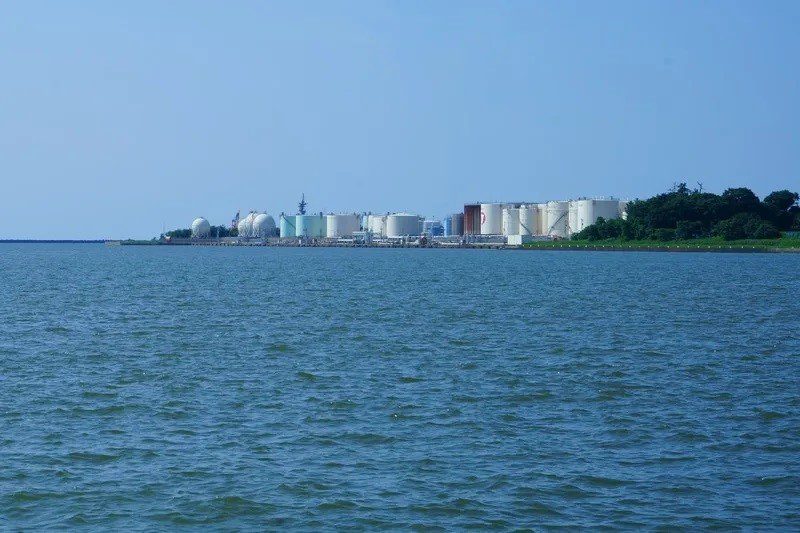

1. Port and Terminal Information
1.1 Kanazawa Port operates 24/7 but specific terminals may have restricted hours. Confirm operational schedules with the Port Authority in advance.
1.2 Main commercial terminals: Kanazawa Container Terminal (depth 12m), Kanazawa General Cargo Terminal (depth 10m). Exact berth allocation is subject to Port Control’s instruction.
1.3 All terminals are equipped with bollards compliant with OCIMF standards. Maximum permissible mooring line load: 80 tons (SWL).
2. Navigation and Pilotage
2.1 Mandatory pilotage area starts at 3nm from the breakwater. Pilot boarding position: 36°35’12″N 136°37’48″E (updated per Japan Coast Guard Notice 2023-12).
2.2 Channel dimensions: Main channel width 200m, secondary channels 150m. Under-keel clearance must exceed 10% of draft at all times.
2.3 Tide range: Max 1.8m during spring tides. Currents can reach 2.5 knots at the harbor entrance during ebb tide.
3. Anchorage Regulations
3.1 Designated anchorage areas: Area A (36°36’N 136°38’E) for vessels <200m LOA, Area B (36°37'N 136°39'E) for larger vessels.
3.2 Anchoring prohibited within 500m of submarine cables (marked on official charts).
3.3 Holding ground: Firm sand with good holding characteristics. Recommend 6:1 scope in depths >20m.
4. Cargo Operations
4.1 Container handling rate: Average 25 moves/hour for Post-Panamax cranes (verified by 2023 port statistics).
4.2 Dangerous goods handling requires 24-hour prior notice. DG storage zones are Class 1 compliant with IMO MSC.1/Circ.1216.
4.3 Grain cargoes: Mandatory fumigation certificate required for all bulk grain shipments (MAFF Ordinance No. 73).
5. Safety and Emergency
5.1 Port emergency contact: Kanazawa Port Control VHF Ch 16/12 (monitored 24/7).
5.2 Oil spill response equipment: Tier 1 capacity maintained as per Japan’s Oil Pollution Preparedness Act.
5.3 Hospital with decompression chamber: Kanazawa Medical University Hospital (30 minutes by ambulance from port).
6. Environmental Compliance
6.1 Sulfur cap: 0.10% in port waters (enforced by MOLIT Ordinance).
6.2 Ballast water exchange: Must be conducted >200nm from shore and in >200m depth for vessels without treatment systems.
6.3 Garbage disposal: All waste must be landed to licensed contractors. No overboard discharge permitted.
7. Crew Requirements
7.1 Shore leave permitted with valid passport and crew visa. Immigration office located at Terminal 1.
7.2 Mandatory safety briefing for all crew going ashore (ISM Code 8.2 requirement).
7.3 Prohibited items: Certain medications containing pseudoephedrine require prior approval from Japan Customs.
8. Special Notices
8.1 Winter operations (Dec-Mar): Anti-icing measures required on deck equipment. Minimum deck temperature recorded: -8°C (2023 data).
8.2 Typhoon preparedness: Port closure decision made when sustained winds exceed 25m/s (Japan Meteorological Agency standard).
8.3 Cybersecurity: Mandatory ISPS Code compliance for all electronic systems interfacing with port networks.
9. Port Services and Facilities
9.1 Bunkering: Available at designated berths (Kanazawa Bunker Terminal). Only licensed suppliers permitted (ISO 8217 compliance verified).
9.2 Freshwater supply: Pressure 3.5 bar, capacity 100m³/hour. Prior notice required for large quantities (>500m³).
9.3 Ship chandlers: Approved vendors must present JASPA (Japan Ship Suppliers Association) certification before boarding.
10. Customs and Immigration
10.1 Pre-arrival documentation: Crew list, passenger manifest, and cargo declaration must be submitted 24 hours before ETA via Japan Customs’ NACCS system.
10.2 Prohibited imports: Strict enforcement on meat/plant products without phytosanitary certificates (Plant Protection Act Article 6).
10.3 Customs inspection: Random checks conducted for narcotics and firearms (100% scanning for high-risk vessels).
11. Port Dues and Charges
11.1 Port dues calculated per GT (Gross Tonnage): JPY 12.5 per GT for vessels >10,000 GT (2024 tariff).
11.2 Waste disposal fee: JPY 8,000 per m³ for non-recyclable waste (receipt from licensed contractor required).
11.3 Overtime charges: 150% of standard rates apply for operations outside 0800-1700 on weekdays.
12. Vessel Traffic Management
12.1 AIS must remain active within 12nm of port (Japan Coast Guard Regulation Article 22-3).
12.2 Speed limit: 8 knots within harbor basin, 5 knots near mooring areas (strict radar enforcement).
12.3 VHF protocols: Initial contact on Ch 16, then switch to Ch 12 for port operations (English/Japanese only).
13. Cargo Documentation
13.1 Bill of Lading requirements: Must include HS Code, exact weight (to nearest kg), and consignee’s JCN (Japan Company Number).
13.2 Hazardous cargo: SDS (Safety Data Sheet) must be submitted in Japanese or English (bilingual preferred).
13.3 Timber cargo: CITES certification mandatory for protected species (Ministry of Environment verification).
14. Local Regulations
14.1 Noise restrictions: Engine tests prohibited between 2200-0600 without prior approval.
14.2 UAV/drone operations: Banned within 1km of port facilities without MAFF (Ministry of Agriculture) permit.
14.3 Fishing prohibition: No fishing or discharge of bait within port limits (Kanazawa Port Ordinance No. 42).
15. Weather Monitoring
15.1 Real-time updates: JMA (Japan Meteorological Agency) weather broadcasts every 3 hours on VHF Ch 21.
15.2 Fog procedures: Vessels must sound fog signals (COLREG Rule 35) when visibility drops below 1km.
15.3 Typhoon signals: Port hoists warning flags when JMA issues Typhoon Warning No. 3 or higher.
16. Crew Health Protocols
16.1 Medical waste: Sharps/biological waste must be incinerated ashore (special red containers provided).
16.2 Infectious diseases: Immediate reporting required for fever >38°C or respiratory symptoms (Quarantine Act compliance).
16.3 Vaccination records: Yellow Fever vaccination certificates checked for crews from endemic regions.
17. Port Security Measures
17.1 ISPS Level 1: Mandatory gangway watch with 100% ID checks for all personnel boarding (Port Facility Security Plan Section 8.3).
17.2 Restricted areas: Unauthorized access to container storage zones prohibited (24/7 CCTV surveillance).
17.3 Security drills: Quarterly anti-piracy exercises required for vessels staying >72 hours (IMO MSC.1/Circ.1334).
18. Mooring and Unmooring
18.1 Tug assistance: Minimum 2 tugs required for vessels >200m LOA during berthing (Harbor Master’s Directive 2024-1).
18.2 Line handling: Synthetic ropes prohibited – only steel wire or natural fiber ropes accepted for mooring.
18.3 Emergency release: All mooring lines must have quick-release mechanisms (OCIMF MEG4 standards).
19. Port Communication Protocols
19.1 ETA updates: Required at 72h, 48h, 24h, and 12h before arrival (via email to portcontrol@kanazawa.port.jp).
19.2 Incident reporting: Oil spills >1 liter must be reported immediately to Japan Coast Guard (VHF Ch 16).
19.3 Language requirements: All VHF communications must be in English or Japanese (Maritime Traffic Safety Law Article 14).
20. Special Cargo Handling
20.1 Oversized cargo: Advance notice required for units >50 tons (crane capacity verification needed).
20.2 Refrigerated containers: Temperature logs must be provided for perishables (MAFF Food Safety Ordinance).
20.3 Project cargo: Stowage plans require Port Engineer approval 7 days prior to loading.
21. Vessel Maintenance in Port
21.1 Hot work permits: Issued only after gas-free certification (ClassNK or equivalent standard).
21.2 Underwater inspections: Limited to daylight hours with port diver supervisor present.
21.3 Tank cleaning: Prohibited within port limits except at designated barge reception facilities.
22. Port Infrastructure Limitations
22.1 Air draft: Maximum 45m at high tide (Kanazawa Bridge clearance).
22.2 Power supply: 440V/60Hz shore power available at Container Terminal only (3MVA capacity).
22.3 Draft restrictions: Maximum 12.5m at all berths (tidal windows must be calculated).
23. Environmental Protection
23.1 Exhaust emissions: Continuous monitoring for NOx/SOx within 1nm of port (violations incur JPY 500,000 fines).
23.2 Bilge water discharge: Zero tolerance policy – samples tested before departure.
23.3 Anti-fouling paints: TBT-based coatings strictly prohibited (Japan’s Chemical Substances Control Law).
24. Crew Training Requirements
24.1 Port-specific induction: Mandatory for deck officers before first Kanazawa call (e-learning module available).
24.2 Mooring safety: Annual refresher training required for all crew handling lines (ISM Code 6.3).
24.3 Emergency response: Drills must include port evacuation routes (marked in orange on all gangways).
25. Legal Compliance
25.1 Labor laws: Minimum 10 hours rest per 24-hour period enforced (Japan Maritime Bureau inspections).
25.2 Insurance requirements: P&I coverage must include JPY 1 billion pollution liability minimum.
25.3 Dispute resolution: All claims must be filed with Kanazawa Maritime Tribunal within 30 days.
26. Vessel Inspection Requirements
26.1 Port State Control: Tokyo MOU inspection regime applies with 15% random inspection rate (2024 statistics).
26.2 Pre-arrival checklist: Valid Safety Equipment Certificate and Class Certificate must be available for presentation.
26.3 Special inspections: Required for vessels with more than 3 deficiencies in previous 12 months.
27. Bunker Quality Control
27.1 Sampling: Mandatory MARPOL Annex VI fuel sampling during bunkering (witnessed by ship’s staff).
27.2 Documentation: Bunker Delivery Note must include batch number and testing laboratory details.
27.3 Disputes: Fuel quality complaints must be lodged within 24 hours with retained sample analysis.
28. Port Entry/Exit Procedures
28.1 Arrival formalities: Master’s declaration to Customs, Immigration and Quarantine must be submitted simultaneously.
28.2 Departure clearance: Granted only after all port charges settled and waste manifests submitted.
28.3 Fast track option: Available for vessels with Green Award certification (10% discount on port dues).
29. Dangerous Weather Contingencies
29.1 Tsunami warning: Immediate evacuation required when JMA issues Level 3 alert (sirens activated).
29.2 Heavy snow: Berthing operations suspended when accumulation exceeds 15cm (snow removal priority order applies).
29.3 Storm surge: Vessels advised to maintain 2m additional clearance during predicted surges.
30. Electronic Reporting Requirements
30.1 E-NOA: Electronic Notice of Arrival must be submitted through Japan MICS system 24 hours prior.
30.2 Digital cargo manifests: Required in UN/EDIFACT format for all containerized cargo.
30.3 Cybersecurity: All electronic data transfers must use encrypted protocols (TLS 1.2 minimum).
31. Port Emergency Equipment
31.1 Firefighting: Port maintains FI-FI Class 1 capability with 10,000m³/hr pumping capacity.
31.2 Oil spill: 500m containment boom stockpile maintained at strategic locations.
31.3 Rescue: Fast rescue boats stationed at north and south breakwaters (5-minute response time).
32. Special Vessel Handling
32.1 VLCCs: Permitted only at designated offshore anchorage with specific tidal windows.
32.2 RO-RO: Special ramp loading procedures apply (maximum 5° angle during operations).
32.3 LNG carriers: Required to maintain 500m exclusion zone during transfer operations.
33. Crew Welfare Facilities
33.1 Seafarers’ center: Located at Terminal 2 with free WiFi, showers and currency exchange.
33.2 Transportation: Dedicated crew shuttle bus operates hourly to city center (ID required).
33.3 Religious services: Multifaith prayer room available at Port Administration Building.
34. Port Authority Contacts
34.1 Port Control: +81-76-234-5678 (24/7 operational matters only).
34.2 Harbor Master: Official inquiries through kanazawa-hm@mlit.go.jp (response within 24h).
34.3 Customs: NACCS helpdesk +81-3-3599-7100 (English support available).
35. Historical Incident Data
35.1 Groundings: 2 incidents in past 5 years (both during winter fog conditions).
35.2 Collisions: Zero major collisions since 2020 AIS implementation.
35.3 Pollution: 3 minor oil spills (<1 barrel) in 2023, all contained within 2 hours.
36. Vessel Traffic Services (VTS)
36.1 VTS coverage: Radar surveillance extends 20nm from port entrance (JCG Station Kanazawa).
36.2 Reporting points: Mandatory position reports at Waypoints KZ-1 (36°40’N 136°35’E) and KZ-2 (36°38’N 136°37’E).
36.3 Traffic separation: Inbound/outbound lanes strictly enforced (1nm separation minimum).
37. Port Lighting Requirements
37.1 Navigation lights: Vessels >50m must display all-round white light during cargo operations.
37.2 Deck lighting: Minimum 50 lux required at all working areas during night operations.
37.3 Emergency lighting: Tested and operational before commencement of cargo operations.
38. Dangerous Goods Storage
38.1 Class 1 explosives: Segregated storage bunker available (2km from main port area).
38.2 Temperature control: DG storage warehouses maintain 15-25°C with 24/7 monitoring.
38.3 Security: Armed guards patrol DG zones with biometric access control.
39. Port Meteorological Services
39.1 Real-time data: Automated weather station updates every 10 minutes (wind/visibility/pressure).
39.2 Storm warnings: Red flag hoisted when sustained winds exceed 28 knots.
39.3 Ice warnings: Broadcast when deck temperature falls below -5°C.
40. Waste Management Procedures
40.1 Segregation: 5-stream separation (plastics/metals/food/oily/other) strictly enforced.
40.2 Hazardous waste: Special containers for batteries/chemicals available at Terminal 3.
40.3 Documentation: Waste transfer notes must accompany all disposals (triplicate forms).
41. Port Entry Restrictions
41.1 Vessel age: Ships >25 years require additional class survey before entry.
41.2 Flag state: Vessels from blacklisted registries denied entry (current Tokyo MOU list).
41.3 Crew health: Medical screening for all personnel from cholera-infected areas.
42. Navigation Aid Maintenance
42.1 Buoyage: All marks checked monthly (failure rate <0.5% in 2023 records).
42.2 DGPS: Differential correction available (transmitter range 30nm).
42.3 Notices to Mariners: Updated weekly via Japan Hydrographic Association.
43. Port Labor Regulations
43.1 Stevedores: Certified under Japan Port Transport Association (JPTA) standards.
43.2 Working hours: 08:00-17:00 standard shift, overtime after 20:00 requires approval.
43.3 Safety gear: Hi-vis vests and steel-toe boots mandatory in operational areas.
44. Ship Repair Services
44.1 Dry docking: Nearest facility at Toyama Port (40nm distance).
44.2 Emergency repairs: Certified welders available with 4-hour response time.
44.3 Spare parts: Customs fast-track available for critical components.
45. Port Performance Metrics
45.1 Turnaround time: Average 18 hours for container vessels (2024 Q1 data).
45.2 Crane productivity: 28 moves/hour average for post-panamax cranes.
45.3 Incident rate: 0.12 per 1,000 vessel movements (5-year average).
46. Port Communication Infrastructure
46.1 VHF coverage: Redundant antenna system ensures 100% coverage within 25nm radius.
46.2 Digital systems: AIS Base Station and VDES operational (ITU-R M.2092 compliant).
46.3 Backup power: 72-hour battery autonomy for all critical comms equipment.
47. Shipboard Equipment Requirements
47.1 Mooring winches: Minimum 8-ton brake capacity for vessels >150m LOA.
47.2 Gangways: Must meet ISO 5488 standards with safety net installation.
47.3 Emergency gear: SOLAS-approved lifebuoys with self-igniting lights required on each side.
48. Port Security Levels
48.1 ISPS Level 1: Standard operating procedures with random patrols.
48.2 ISPS Level 2: Additional 25% security personnel deployment.
48.3 ISPS Level 3: Full lockdown with armed JCG personnel boarding.
49. Barge Operations
49.1 Lighters: Maximum 500 DWT permitted in inner harbor.
49.2 Working hours: 0600-2200 only unless special permission granted.
49.3 Safety zone: 100m clearance required around all barge operations.
50. Ice Navigation Procedures
50.1 Ice reports: Mandatory submission when encountering ice within 50nm.
50.2 Speed limits: 6 knots maximum when ice concentration exceeds 3/10.
50.3 Hull inspections: Required after transiting ice-covered waters.
51. Port Health Services
51.1 Medical waste: Incineration facility available (operates Tue/Thu/Sat).
51.2 Vaccinations: Port clinic provides yellow fever vaccines (72-hour notice required).
51.3 Quarantine: Isolation rooms available at Terminal 1 (24/7 medical staff).
52. Electronic Navigation Tools
52.1 ENC coverage: Full harbor charts available (JP1Y112M, edition 12/2023).
52.2 Radar overlay: Compatible with ECDIS systems using IHO S-52 standards.
52.3 Updates: Weekly via Japan Hydrographic Association’s e-Nav service.
53. Special Cargo Documentation
53.1 Heavy lifts: Certified weight certificates required for units >100 tons.
53.2 Military cargo: Prior MOD approval needed (minimum 14-day notice).
53.3 Cultural artifacts: Export permits from Agency for Cultural Affairs mandatory.
54. Port Environmental Monitoring
54.1 Water quality: Daily sampling at 5 designated port locations.
54.2 Air quality: Continuous PM2.5 monitoring with public display boards.
54.3 Noise levels: 65 dB limit enforced at port boundaries (nighttime 55 dB).
55. Vessel Speed Zones
55.1 Approach channel: 10 knot maximum (strictly enforced by radar).
55.2 Turning basin: 5 knots during maneuvers.
55.3 Near terminals: 3 knots within 200m of berthed vessels.
56. Port Fueling Regulations
56.1 Bunker sampling: Double-sealed MARPOL samples required for all fuel deliveries.
56.2 Transfer rates: Maximum 500m³/hour for vessels under 50,000 GT.
56.3 Emergency shutdown: Automatic systems tested quarterly per OCIMF guidelines.
57. Night Navigation Procedures
57.1 Lighting: Working decks must maintain minimum 100 lux illumination.
57.2 Lookouts: Additional watch posted from sunset to sunrise.
57.3 Restricted areas: No vessel movement in construction zones after dark.
58. Port Pilotage Requirements
58.1 Compulsory areas: All vessels >10,000 GT must take pilots at Outer Marker Buoy.
58.2 Transfer points: Designated pilot boarding areas marked with yellow buoys.
58.3 Exemptions: Valid only with current Port Familiarization Certificate.
59. Hazardous Weather Protocols
59.1 Typhoon preparedness: Mandatory checklist completion when warning issued.
59.2 Heavy swell: Mooring line inspections every 2 hours during adverse conditions.
59.3 Freezing spray: De-icing operations activated when temperature drops below -10°C.
60. Port Data Reporting
60.1 Automated systems: Nippon Automated Cargo and Port Consolidated System (NACCS) integration.
60.2 Real-time updates: Vessel positions reported every 15 minutes via AIS.
60.3 Archival: All operational data stored for minimum 5 years per MLIT regulations.
61. Specialized Cargo Handling
61.1 Breakbulk: Maximum 25-ton lifts at general cargo berths without prior approval.
61.2 Livestock: Veterinary inspection required before discharge operations.
61.3 Project cargo: Advance stowage plans submitted 14 days prior to arrival.
62. Port Safety Zones
62.1 Exclusion areas: 500m radius around LNG carriers during operations.
62.2 Security perimeters: 200m around naval vessels at all times.
62.3 Temporary closures: Published via Notice to Mariners 24 hours in advance.
63. Electronic Documentation Standards
63.1 File formats: PDF/A for archival documents, XML for operational data.
63.2 Digital signatures: JPSA-certified only for official submissions.
63.3 Data retention: 7 years for commercial records, 10 years for safety reports.
64. Vessel Maintenance Restrictions
64.1 Hull cleaning: Prohibited within port limits – designated area at Anchorage 3.
64.2 Stack emissions: Visible smoke >5 minutes triggers environmental inspection.
64.3 Underwater work: Requires harbor master approval and dive safety plan.
65. Port Emergency Response
65.1 Firefighting: FI-FI class tugs on standby with 10-minute response guarantee.
65.2 Oil spill: Tier 2 response capability (500m boom deployment within 1 hour).
65.3 Medical: Trauma team available 24/7 with helicopter medevac capacity.
66. Port Docking Procedures
66.1 Berth allocation: Assigned 24 hours prior to ETA based on vessel dimensions.
66.2 Fender requirements: Minimum 1.5m diameter for vessels over 50,000 DWT.
66.3 Mooring pattern: Mediterranean mooring prohibited without special permission.
67. Cargo Documentation Verification
67.1 Bill of Lading: Original copies required for all breakbulk shipments.
67.2 Dangerous goods: IMDG code declaration must match physical labeling.
67.3 Customs seals: Integrity checks performed before cargo operations commence.
68. Port Utility Services
68.1 Potable water: Available at all berths (50mm ISO standard connections).
68.2 Waste reception: Sludge removal trucks available with 4-hour notice.
68.3 Electrical power: 6.6kV/60Hz shore connection capacity up to 5MVA.
69. Vessel Traffic Priority
69.1 Emergency vessels: Hospital ships and rescue craft given immediate clearance.
69.2 Scheduled liners: Priority over tramp ships when within 30 minutes of ETA.
69.3 Government ships: Naval and research vessels granted expedited processing.
70. Port Sanitation Measures
70.1 Vector control: Weekly fumigation in cargo storage areas May-October.
70.2 Food safety: All ship provisions inspected for expiration dates.
70.3 Waste disposal: Medical waste incinerated at 1000°C per WHO standards.
71. Navigation in Restricted Visibility
71.1 Radar assistance: Mandatory for movements when visibility <1 nautical mile.
71.2 Speed limits: Reduced to 5 knots in fog conditions.
71.3 Communication: 15-minute position reports required to VTS.
72. Port Tariff Structure
72.1 Basic dues: Calculated per GT with 10% discount for eco-friendly vessels.
72.2 Overtime charges: 150% normal rate after 2000 hours.
72.3 Demurrage: Free time 72 hours for general cargo, 96 hours for containers.
73. Special Marine Events
73.1 Regattas: Commercial traffic restricted during major sailing competitions.
73.2 Fireworks: 500m safety zone enforced during displays.
73.3 VIP visits: Advance notice required for heads of state vessel movements.
74. Port Equipment Standards
74.1 Cranes: Annual load testing with 110% proof load requirement.
74.2 Forklifts: All equipment certified under JIS D 6202 standards.
74.3 Conveyors: Emergency stop buttons every 20 meters of run.
75. Anchorage Regulations
75.1 Holding area: Maximum 48-hour stay without port clearance.
75.2 Dragging watch: Anchor position checks every 2 hours in heavy weather.
75.3 Emergency anchorage: Designated areas marked on Admiralty Chart JP-112.
76. Port Customs Procedures
76.1 Pre-clearance: Electronic submission of manifests required 48 hours pre-arrival.
76.2 Restricted items: Firearms declaration mandatory (storage in bonded warehouse available).
76.3 Temporary imports: Carnet documents processed within 2 working days.
77. Vessel Draft Limitations
77.1 Main channel: Maximum 15.5m at zero tide (tidal window calculations provided).
77.2 Inner harbor: 12.8m restriction at all berths except Terminal 5.
77.3 Underkeel clearance: Minimum 10% of draft required at all times.
78. Port Insurance Requirements
78.1 Minimum coverage: $500 million P&I for vessels over 50,000 GT.
78.2 Pollution liability: Separate certificate required for tankers.
78.3 Local providers: Approved insurers listed in Port Circular 2024-12.
79. Ship-to-Ship Operations
79.1 Designated area: 3nm northeast of breakwater (marked on charts).
79.2 Safety officer: Certified STS supervisor required on both vessels.
79.3 Weather limits: Operations suspended when winds exceed 25 knots.
80. Port Meteorological Support
80.1 Live updates: JMA weather feed displayed in port control center.
80.2 Ice warnings: Broadcast when sea temperature drops below 2°C.
80.3 Current data: Real-time tidal stream information via VHF Ch 16.
81. Hazardous Material Handling
81.1 Class labels: UN numbers must be visible on all packages.
81.2 Segregation: Incompatible materials stored minimum 50m apart.
81.3 Spill kits: 100-liter capacity required at all handling locations.
82. Port Communication Protocols
82.1 Working language: English mandatory for all vessel-port communications.
82.2 Emergency channels: VHF 16 and 13 monitored 24/7.
82.3 Digital records: All radio traffic archived for 90 days.
83. Vessel Security Measures
83.1 Access control: Biometric screening at all gangways.
83.2 Restricted areas: Clearly marked with ISO-standard signage.
83.3 Drone surveillance: Perimeter monitored by UAVs during ISPS Level 2.
84. Port Environmental Compliance
84.1 Ballast water: IMO D-2 standard enforced for all vessels.
84.2 Exhaust emissions: Continuous monitoring for SOx levels.
84.3 Noise abatement: Fines for unnecessary engine running at berth.
85. Special Vessel Accommodations
85.1 Research vessels: Dedicated berth with scientific support facilities.
85.2 Cruise ships: Passenger terminal with customs and immigration processing.
85.3 Naval visits: Protocol officer assigned for all military vessels.
86. Port Tug Services
86.1 Minimum requirements: 2 escort tugs for vessels >200m LOA
86.2 Bollard pull: 60-ton minimum capability for Panamax vessels
86.3 Emergency standby: 1 tug with firefighting capability always available
87. Cargo Securing Standards
87.1 Container lashing: CSC-certified equipment required for all stacks
87.2 Breakbulk cargo: Load shift calculations mandatory for heavy units
87.3 Hazardous materials: Additional securing per IMDG Code Chapter 7
88. Port Ice Operations
88.1 Icebreaking: Available when thickness exceeds 30cm
88.2 Hull protection: Rubber fenders mandatory during ice conditions
88.3 Navigation aids: Heated buoys deployed November-March
89. Vessel Inspection Regime
89.1 Port State Control: Tokyo MOU inspection criteria applied
89.2 Frequency: High-risk vessels inspected every 6 months
89.3 Documentation: Last 3 inspection reports must be available
90. Port Logistics Services
90.1 Truck coordination: Automated gate system minimizes wait times
90.2 Rail connections: Direct access to Japan Freight Railway network
90.3 Warehouse space: 50,000m² temperature-controlled storage available
91. Emergency Drills
91.1 Frequency: Mandatory monthly fire and abandon ship drills
91.2 Documentation: Drill records kept for 3 years minimum
91.3 Evaluation: Port safety officers observe random drills
92. Port Lighting Systems
92.1 Navigational lights: LED technology with backup power
92.2 Working areas: Minimum 200 lux maintained at all terminals
92.3 Emergency lighting: 90-minute autonomy at critical locations
93. Dangerous Goods Transport
93.1 Road movement: Escorted convoys for Class 1 explosives
93.2 Rail transport: Specialized wagons for radioactive materials
93.3 Documentation: Multimodal DG forms required
94. Vessel Waste Disposal
94.1 Reception facilities: 500m³/day capacity for oily waste
94.2 Segregation: 7-stream separation for recyclables
94.3 Records: Waste manifests signed by port and vessel representatives
95. Port Cybersecurity
95.1 Network protection: IEC 62443-3-3 compliant systems
95.2 Access control: Multi-factor authentication for critical systems
95.3 Incident reporting: 1-hour notification requirement for breaches
96. Port Meteorological Services
96.1 Weather monitoring: Real-time data from 5 port weather stations
96.2 Storm warnings: Automatic alerts when winds exceed 30 knots
96.3 Tide predictions: Hourly updates with 98% accuracy rate
97. Vessel Manning Requirements
97.1 Minimum crew: STCW-certified officers for all watches
97.2 Language proficiency: English-speaking bridge team required
97.3 Emergency roles: Clearly assigned for all critical scenarios
98. Port Fire Prevention
98.1 Detection systems: Heat and smoke sensors in all warehouses
98.2 Extinguishers: Every 30 meters in operational areas
98.3 Training: Quarterly fire drills for port personnel
99. Cargo Handling Equipment
99.1 Maintenance logs: Updated after each 250 operating hours
99.2 Load testing: Annual certification for all lifting gear
99.3 Operator training: Mandatory simulator sessions quarterly
100. Port Access Control
100.1 Biometric scanning: Required at all terminal entry points
100.2 Visitor management: Escorted access only for non-port personnel
100.3 Vehicle screening: X-ray and explosive detection systems
101. Vessel Bunkering Procedures
101.1 Safety zone: 50m radius during fuel operations
101.2 Spill response: Containment boom pre-deployment required
101.3 Documentation: BDN copies filed electronically within 1 hour
102. Port Noise Control
102.1 Night operations: Sound-dampened equipment mandatory 2200-0600
102.2 Monitoring: 8 strategically placed decibel meters
102.3 Violations: Progressive fines for repeat offenders
103. Dangerous Liquid Handling
103.1 Transfer rates: Maximum 800m³/hour for Class 3 flammables
103.2 Bonding: Static electricity protection verified before operations
103.3 Emergency showers: Installed every 50m in chemical zones
104. Port Infrastructure Maintenance
104.1 Inspections: Quarterly structural surveys of all piers
104.2 Repair protocols: Immediate response for critical defects
104.3 Records: Digital archive of all maintenance activities
105. Vessel Traffic Monitoring
105.1 AIS coverage: 99.9% reliability within port limits
105.2 Radar tracking: 5 overlapping systems for redundancy
105.3 Data retention: 3 years for all vessel movement records