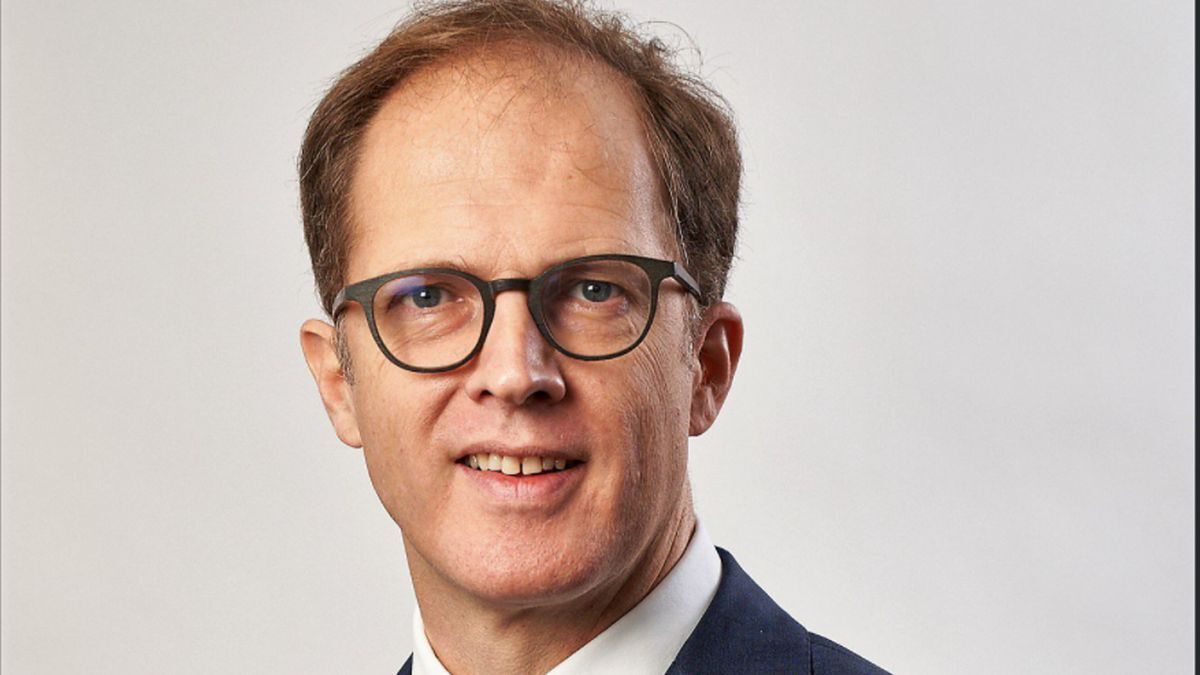
 Hugo De Stoop: “Simply appealing to morality is not enough in a world ruled by money”
The UAE’s new ship recycling regulations are a positive step towards safer and more environmentally friendly practices, but widespread adoption will hinge on economic incentives not green principles, says former chief executive of Euronav, Hugo De Stoop*
“When first announced, the UAE regulations came as a surprise, as people were expecting other countries such as Brazil to be the next ones to introduce regulations,” says Mr De Stoop. “Another surprise was the UAE’s rules seem to be more demanding than even the EU’s. This is surely a good thing, and the timing during COP28 is likely no coincidence.”
He accepts the introduction of the UAE regulations does present some challenges for shipowners around compliance, capacity constraints, liability risks and the lack of approved recycling infrastructure. That said, “complying with the regulations is actually less complex if you do the right thing. Trying to find and exploit loopholes, which will still exist even after the Hong Kong Convention is fully in place in 2025, makes things more complicated.”
He says for sustainable ship recycling to become viable, a compelling business case needs to be made that a ship can be dismantled more profitably using modern, safe and green methods compared with the current beaching practices that exploit minimal labour costs and lack of regulations.
“While these regulations may be annoying for some, and shipowners may make slightly less money at the end of a ship’s life, the benefits to society are so significant that we shouldn’t hesitate to embrace them.
“It seems counterintuitive that poorer countries can pay more for old ships than wealthy ones. The reason comes down to the extremely low labour costs and complete lack of regulation around disposal of toxic waste in South Asia, which allow beaching yards to be competitive despite their lack of infrastructure and technology.
“With all the advanced technologies we’ve developed, it should be possible to dismantle a ship and extract more value using modern, safe techniques compared with a few workers risking their lives using just their bare hands. While the human costs of beaching are tragic, for sustainable alternatives to succeed, they have to make business sense. Simply appealing to morality is not enough in a world ruled by money.”
Achieving change is no small challenge, but a few pioneers are diligently working towards cracking this problem.
Mr De Stoop is working alongside sustainable ship recycling disrupter Elegant Exit Company to develop an economic model proving that ship recycling can be done more profitably when using safe processes, proper facilities and modern infrastructure. The company aims to change the ship recycling industry by operating a fleet of end-of-life ships that will be operated until their planned recycling date and then converting them into green steel. Its first ship, Wan Hai 65, was acquired in February 2023 and recycled in June 2023.
“The company is still in its scale-up phase so there remains work to be done. But its founders remain convinced their goals are achievable given the barriers encountered so far have not been insurmountable. Their mission is admirable. But to succeed long-term they need a compelling business case.”
*Hugo De Stoop, a board member EBE Shipping, a small dry bulk player, and former chief executive of Euronav, will participate in a panel discussion titled Scrutinising the impact of ship recycling regulations at Riviera Maritime Media’s Responsible Ship Recycling Forum, held 29 May, in Brussels. Mr De Stoop will provide perspectives on navigating fragmented regulatory regimes and share his insights on the impact of regulations on the shipping industry.