1. General Overview of Kawasaki Port
Kawasaki Port is a major commercial port in Japan, managed by the Kanagawa Prefectural Government and Kawasaki City. It operates under the Port and Harbor Law (Law No. 218 of 1950) and related regulations. The port handles cargo, containers, and hazardous materials, with strict adherence to international conventions (e.g., SOLAS, MARPOL) and Japanese domestic laws.
2. Port Rules and Regulations
2.1 Vessel Entry and Departure
– Prior notice: Vessels must submit advance notice via the Japan Coast Guard (JCG) electronic system (Nippon Automated Cargo and Port Consolidated System, NACCS) at least 24 hours before arrival/departure.
– Mandatory reporting: Include cargo details (especially hazardous materials), crew list, and ship particulars.
– Anchorage: Designated anchorage areas are enforced; unauthorized anchoring is prohibited.
2.2 Navigation and Safety
– Speed limits: 10 knots within port limits, reduced in congested areas.
– Pilotage: Compulsory for vessels over 3,000 GT or carrying hazardous materials (Kawasaki Port Ordinance No. 40).
– Traffic lanes: Follow designated routes per the Japan Hydrographic Association charts.
2.3 Hazardous Materials Handling
– Compliance with IMDG Code and Japan’s Fire Service Act (Law No. 186 of 1948).
– Special permits required for Class 1 (explosives) and Class 2 (gases) materials.
– Mandatory pre-approval from Kawasaki City Fire Department for high-risk cargo.
3. Compliance and Enforcement
3.1 Inspections
– JCG conducts routine safety inspections (SOLAS compliance, lifesaving equipment, firefighting systems).
– Port State Control (PSC) inspections target high-risk vessels (Tokyo MOU criteria).
3.2 Penalties
– Fines up to ¥500,000 for violations of the Port Regulations Law (e.g., unauthorized discharges).
– Suspension of port entry permits for repeated non-compliance.
4. Crew and Vessel Safety
4.1 Emergency Procedures
– Immediate reporting of incidents (oil spills, injuries) to JCG Kawasaki Office (phone: +81-44-233-0110, official contact).
– Mandatory drills: Fire, abandon ship, and oil spill response drills per ISM Code.
4.2 Health and Welfare
– Medical facilities: Kawasaki Port Health Center provides emergency care (official).
– Crew changes: Permitted with prior approval from Immigration Services Agency of Japan.
5. Environmental Regulations
– Zero discharge policy for oil, chemicals, and garbage (MARPOL Annexes I, II, V).
– Waste disposal: Use licensed contractors only (Kawasaki Port Waste Management Ordinance).
6. Official Contacts
– Japan Coast Guard Kawasaki Office: +81-44-233-0110 (official).
– Kawasaki City Port Authority: +81-44-200-2581 (official).
– NACCS support: naccs@mlit.go.jp (official).
7. Cargo Operations and Handling
-Container Handling: Compliance with ISO standards (ISO 3874, ISO 1496) for container safety and handling.
-Bulk Cargo: Dust control measures mandatory under the Air Pollution Control Law (Law No. 97 of 1968).
-Dangerous Goods: Segregation and stowage per IMDG Code; real-time monitoring for temperature-sensitive cargo.
8. Port Facilities and Services
-Terminals: Dedicated terminals for containers, bulk, and liquid cargo (e.g., Kawasaki Higashi-Ogishima Terminal).
-Bunkering: Licensed providers only; fuel quality must meet ISO 8217 standards.
-Ship Repair: Approved yards with ClassNK or equivalent certification.
9. Security Measures
-ISPS Code Compliance: Mandatory for all vessels over 500 GT; Port Facility Security Plans (PFSP) enforced.
-Restricted Areas: Unauthorized access to port facilities prohibited (Port Security Law, Law No. 31 of 2004).
-Surveillance: 24/7 CCTV monitoring and patrols by JCG.
10. Vessel Traffic Management
-VTS (Vessel Traffic Service): Mandatory participation for vessels > 300 GT (Japan Coast Guard Order No. 22).
-Collision Avoidance: AIS must be operational at all times; radar-assisted navigation in poor visibility.
11. Legal and Administrative Requirements
-Customs Clearance: Submit declarations via NACCS; penalties for false declarations (Customs Law, Law No. 61 of 1954).
-Immigration: Crew must possess valid seafarer’s books and visas (Immigration Control Act, Law No. 319 of 1951).
12. Weather and Natural Disaster Preparedness
-Typhoon Protocols: Mandatory evacuation orders issued by JCG; vessels must follow mooring guidelines.
-Earthquake Response: Immediate shutdown of cargo ops; tsunami alerts broadcast via JCG VHF Channel 16.
13. Pollution Control
-Ballast Water Management: Compliance with BWM Convention (D-2 standard enforced).
-Sewage Discharge: Prohibited within 3 nautical miles of port (MARPOL Annex IV).
15. Port Fees and Charges
-Port Dues: Calculated based on GT and vessel type (Kawasaki Port Tariff Regulation 2023).
-Pilotage Fees: Standard rates apply for compulsory pilotage areas.
-Mooring Charges: Hourly/daily rates for commercial vessels at designated berths.
16. Special Operations
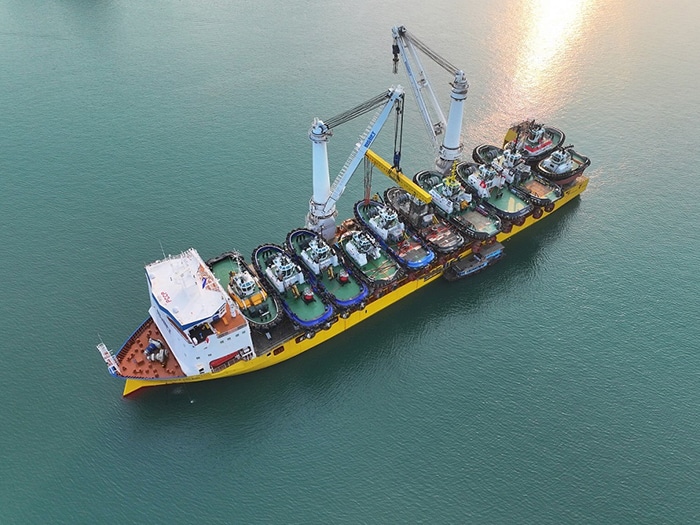
-Heavy Lift Operations: Require prior approval with submitted lifting plan (48 hours notice).
-Night Navigation: Restricted to vessels with approved lighting and pilotage arrangements.
-Tanker Operations: Additional fire watch personnel required during cargo transfer.
17. Crew Responsibilities
-Watchkeeping: Minimum safe manning requirements must be maintained at all times.
-Documentation: Original certificates (SOLAS, MARPOL, Class) must be available for inspection.
-Training: Crew handling hazardous materials must have valid IMDG certification.
18. Port Emergency Contacts
-Port Control: VHF Channel 16/12 (24/7 monitoring).
-Medical Emergency: Kawasaki City Medical Center +81-44-244-0111 (official).
-Pollution Response: Japan Coast Guard Pollution Hotline +81-44-233-0119 (official).
19. Prohibited Activities
-Unauthorized repairs: Hot work requires port authority permit.
-Waste disposal: Overboard discharge of any waste strictly prohibited.
-Fishing: Commercial/recreational fishing within port limits forbidden.
20. Additional Regulations
-Diving Operations: Require 72-hour prior notice with safety plan submission.
-Noise Control: Engine tests limited to 0800-1700 on weekdays.
-Lighting Restrictions: No unauthorized high-intensity lights after 2200.
22. Vessel Maintenance and Repair Regulations
-Dry Dock Requirements: Mandatory for vessels exceeding 5 years of age (ClassNK inspection cycle)
-Underwater Cleaning: Prohibited without prior environmental impact assessment
-Paint Application: VOC-compliant coatings only (Japan Industrial Standards JIS K 5600)
23. Dangerous Goods Storage
-Onshore Facilities: Class 1 explosives limited to designated storage areas with 24/7 monitoring
-Temperature Control: Refrigerated dangerous goods require continuous temperature logging
-Segregation Distances: Minimum 50m between incompatible hazard classes (IMDG Code Chapter 7.2)
24. Port Access Control
-Crew Shore Leave: Restricted to designated areas with valid port ID
-Visitor Access: Pre-approved visitors only with escort requirements
-Vehicle Permits: Mandatory for all port-operated vehicles (annual inspection required)
25. Radio Communication Protocols
-Primary Channels: VHF 16 (distress), 12 (port operations), 14 (pilotage)
-Language Requirements: English/Japanese mandatory for bridge communications
-Silent Periods: Radio testing prohibited during scheduled safety broadcasts
26. Winter Operations
-De-icing Requirements: Mandatory for mooring lines and gangways when temperatures drop below 0°C
-Visibility Restrictions: Pilotage suspended when visibility falls below 500m
-Heating Fuel: Only low-sulfur marine gas oil permitted in port (0.1% sulfur cap)
27. Port Infrastructure Specifications
-Berth Load Limits: Clearly marked at each terminal (typically 2-5 t/m²)
-Fender Systems: Regular inspection records required for all berths
-Gangway Standards: Minimum width 1.2m with safety nets for passenger vessels
28. Crew Welfare Facilities
-Seafarers’ Center: Located at Honmoku Pier with recreation and internet services
-Medical Facilities: Port clinic available for emergency vaccinations and basic care
-Provisions Delivery: Approved vendors only with pre-arranged delivery schedules
29. Tugboat Assistance Requirements
-Minimum Tug Requirements: Based on vessel LOA and displacement (Kawasaki Port Tugboat Guidelines 2022)
-Emergency Tugs: 2 standby tugs maintained at all times for oil tankers >20,000 DWT
-Tug Connection Points: Must comply with OCIMF Mooring Equipment Guidelines
30. Port Lighting Standards
-Berth Illumination: Minimum 200 lux for general cargo operations
-Navigation Lights: Additional shore-based leading lights for channel approach
-Emergency Lighting: Self-contained systems required at all hazardous material berths
31. Cargo Documentation Procedures
-Manifest Accuracy: 100% verification for high-risk cargo (Customs Ordinance Article 67-2)
-Dangerous Goods Declaration: Separate submission required 72 hours prior to loading
-Weight Certification: Mandatory for all containerized cargo (SOLAS VI/2 amendment)
32. Port Safety Zones
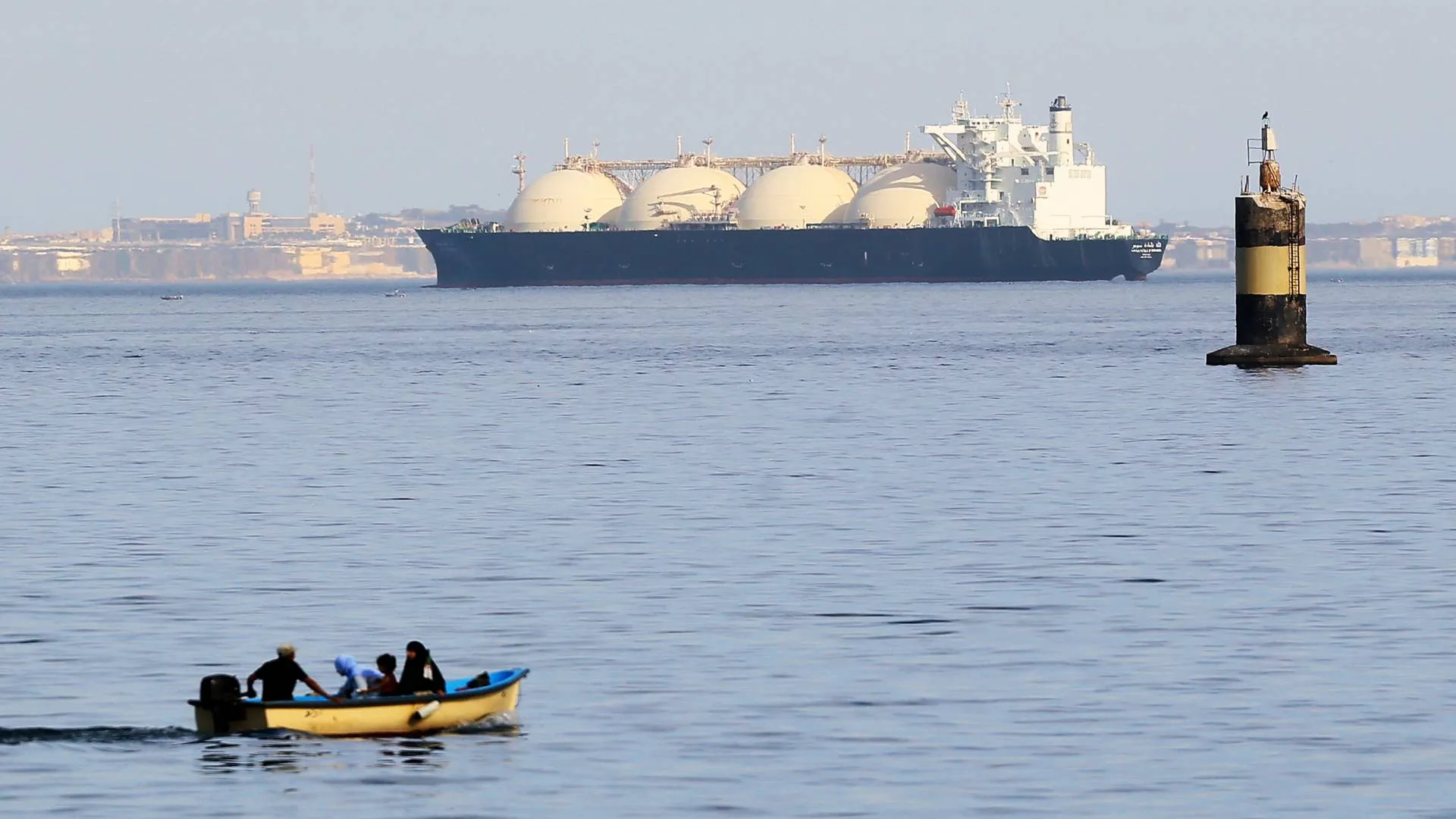
-Exclusion Areas: 50m radius around LNG carriers during transfer operations
-Helicopter Operations: Designated landing zones with prior approval
-Diving Exclusion: 200m radius around any underwater operations
33. Vessel Mooring Practices
-Line Handling: Synthetic ropes prohibited for vessels >50,000 DWT
-Mooring Patterns: Standard Mediterranean mooring requires special permission
-Tension Monitoring: Required for all crude oil tankers during cargo ops
34. Port Sanitation Measures
-Pest Control: Mandatory fumigation certificates for grain carriers
-Waste Reception: Medical waste requires separate handling procedures
-Water Quality Testing: Weekly bacteriological checks at all potable water points
35. Special Cargo Handling
-Oversized Loads: Requires route survey and police escort for road transport
-Radioactive Materials: Additional security clearance from Nuclear Regulation Authority
-Livestock Transport: Veterinary inspection prior to discharge required
36. Port Authority Inspection Rights
-Random Checks: 5% of vessels subject to comprehensive safety audits
-Document Review: Original certificates must be produced within 1 hour of request
-Detention Criteria: Immediate detention for critical safety deficiencies
37. Vessel Speed and Wake Restrictions
-Channel Speed Limit: Maximum 8 knots within main navigation channel
-Wake Control: Zero wake policy within 200m of moored vessels
-High-Speed Craft: Special permission required for speeds exceeding 15 knots
38. Bunkering Operations Protocol
-Spill Prevention: Double-hose connections mandatory for vessels >10,000 GT
-Fuel Sampling: Retain samples for 90 days (ISO 4259 requirements)
-Emergency Shutdown: Testing required before commencement of operations
39. Port Security Levels
-MARSEC Level Changes: Immediate implementation when notified by JCG
-Access Control: Biometric verification at restricted area entry points
-Security Drills: Quarterly mandatory drills for all port facility personnel
40. Dangerous Weather Contingencies
-Gale Warning Procedures: Automatic suspension of container gantry operations at Beaufort 7
-Heavy Rain Protocol: Additional spill containment measures for oil terminals
-Extreme Heat Measures: Cooling breaks enforced for outdoor workers above 35°C
41. Vessel Dimension Limitations
-Air Draft: Maximum 55m at high tide for East Channel access
-Beam Restrictions: Vessels exceeding 45m require special convoy arrangement
-Draft Monitoring: Real-time underkeel clearance system mandatory for deep-draft vessels
42. Port Noise Abatement Rules
-Nighttime Operations: No horn signals between 2200-0600 except emergencies
-Equipment Standards: All cargo handling machinery must meet ISO 4871 noise limits
-Complaint Response: Mandatory investigation of noise exceedances within 2 hours
43. Port Waterway Maintenance
-Dredging Operations: Prior notice of 14 days required for survey vessels
-Channel Markers: Tampering with navigation aids carries criminal penalties
-Depth Verification: Weekly surveys of main channel by port authority
44. Special Vessel Requirements
-RO-RO Operations: Additional vehicle securing inspections prior to departure
-Cruise Ships: Mandatory medical waste disposal contracts for vessels >500 pax
-Research Vessels: Clearance required for any scientific equipment deployment
45. Hazardous Material Spill Response
-Tiered Response System: Level 1 (minor) to Level 3 (major) incident protocols
-Containment Equipment: Pre-positioned boom deployment within 30 minutes of notification
-Reporting Threshold: Immediate notification for spills exceeding 100 liters
46. Port Electrical Safety Standards
-Shore Power Connections: IEC/ISO/IEEE 80005-1 compliant systems required
-Explosion-Proof Equipment: Mandatory in Zone 1 hazardous areas
-Grounding Verification: Daily checks for all fuel transfer operations
47. Vessel Traffic Separation Scheme
-Lane Discipline: Strict adherence to IMO-adopted traffic lanes
-Overtaking Restrictions: Prohibited in channel bends and bridge areas
-Fishing Vessel Zones: Designated areas marked on port navigation charts
48. Port Fire Prevention Measures
-Hydrant Pressure Testing: Quarterly verification of all fire mains
-Foam System Capacity: Minimum 45-minute supply for oil terminals
-Hot Work Permits: Validity limited to 8-hour operational windows
49. Navigation Aid Specifications
-Buoy Maintenance: Monthly inspection and cleaning schedule
-Light Characteristics: IALA-compliant rhythms and colors
-Racon Systems: Operational verification before typhoon season
50. Port Labor Regulations
-Certified Stevedores: Mandatory accreditation for all cargo handlers
-Work Hour Limits: Maximum 12-hour shifts with 8-hour rest periods
-Safety Training: Annual refresher courses for terminal operators
51. Customs Clearance Procedures
-Express Lane: Available for vessels with pre-cleared e-manifests
-Restricted Items: Declaration required for drones and survey equipment
-Temporary Imports: Bonded warehouse options for vessel stores
52. Port Wildlife Protection
-Bird Deterrent Systems: Mandatory at grain terminals
-Marine Mammal Monitoring: Seasonal restrictions during migration periods
-Ballast Water Reporting: Full compliance with local biodiversity protocols
53. Port Waste Management Regulations
-Recycling Requirements: 75% minimum recycling rate for operational waste
-Hazardous Waste Storage: Double-contained facilities with 24/7 monitoring
-Food Waste Processing: Mandatory onboard treatment for cruise vessels
54. Vessel Ballast Water Compliance
-Treatment Standards: IMO D-2 standard or equivalent required
-Exchange Protocols: Minimum 200nm from shore for mid-ocean exchange
-Sampling Procedures: Port State Control random inspections authorized
55. Port Air Quality Controls
-Emissions Monitoring: Continuous PM2.5 measurement at terminal boundaries
-Shore Power Priority: Tier 3 vessels must connect within 1 hour of berthing
-Dust Suppression: Water spraying mandatory for dry bulk operations
56. Dangerous Cargo Handling
-Explosives Loading: Exclusive berth with 500m security perimeter
-Cryogenic Transfer: Specialized PPE required for LNG operations
-Segregation Rules: IMDG Class 1 separated from Class 3 by minimum 3 holds
57. Port Cybersecurity Measures
-Network Segmentation: Critical systems isolated from public networks
-Access Logging: 365-day retention for all operational system access
-Incident Reporting: Mandatory notification within 1 hour of detection
58. Vessel Hull Cleaning Standards
-Biofouling Control: Only approved antifouling systems permitted
-Underwater Cleaning: Capture systems required for all cleaning operations
-Invasive Species: Full hull inspection prior to dry docking
59. Port Emergency Drills
-Quarterly Exercises: Full-scale port-wide emergency response simulations
-Vessel Participation: Mandatory for all vessels in port during drill periods
-Debrief Requirements: Corrective action reports within 72 hours post-drill
60. Port Infrastructure Maintenance
-Corrosion Protection: Annual ultrasonic thickness testing for critical structures
-Pavement Standards: 50mm minimum asphalt thickness for heavy load areas
-Crane Certification: Load testing every 5 years for all lifting equipment