1.Port Description
General Information
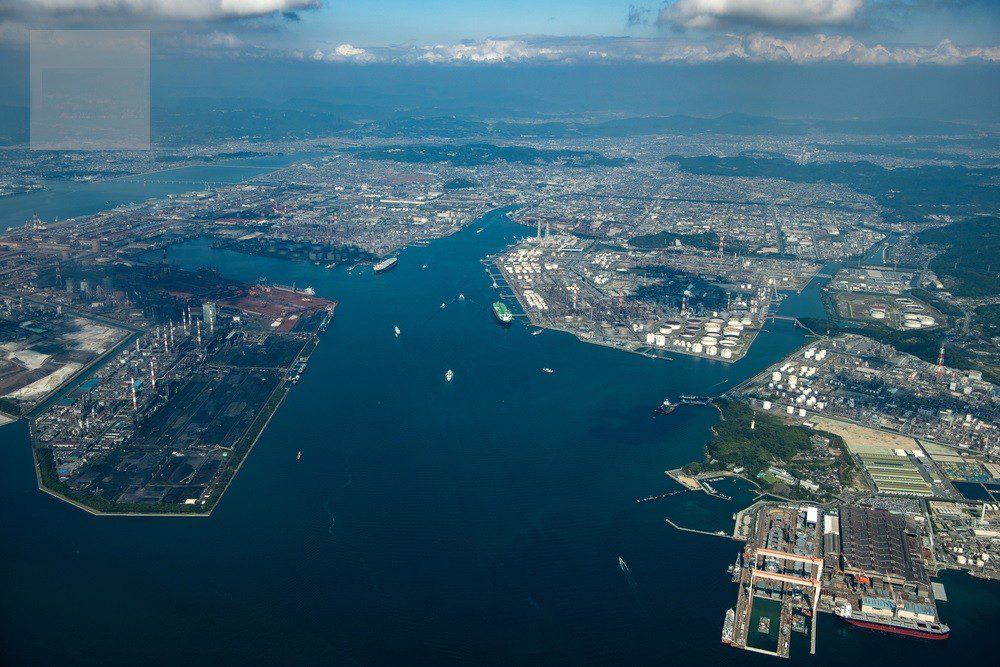
Mizushima Port is a major industrial and commercial port located in Kurashiki, Okayama Prefecture, Japan. It serves as a critical hub for energy, petrochemical, and heavy industries in the Seto Inland Sea region. The port is managed by the Mizushima Port Authority under the jurisdiction of the Japanese Ministry of Land, Infrastructure, Transport and Tourism (MLIT). It features extensive facilities for bulk cargo, containers, liquid bulk (including petroleum and chemicals), and roll-on/roll-off (Ro-Ro) operations. The port is part of the larger Okayama Port complex and plays a vital role in Japan’s industrial supply chain.
Port Types
– **By size:** Large port (handling over 100 million tons annually)
– **By geographical location:** Coastal harbor (Seto Inland Sea)
– **By purpose:**
– Commercial port (primary function)
– Industrial port (serving steel, petrochemical, and energy industries)
– Shelter harbor (limited capacity for emergency anchoring)
Long./Lat.
– **Main Port Area:** 34°31’30″N / 133°43’30″E
– **Anchorage Area:** 34°30’00″N / 133°45’00″E (approximate)
Time Zone
– **Standard Time:** Japan Standard Time (JST), UTC+9
– **Daylight Saving Time:** Not observed in Japan
Port Location
Mizushima Port is situated on the northern coast of the Seto Inland Sea, within Kurashiki City, Okayama Prefecture. The port is surrounded by major industrial complexes, including:
– JFE Steel Mizushima Works
– Mitsubishi Chemical Mizushima Plant
– ENEOS Mizushima Refinery
The port is well-connected to national highways and rail networks, facilitating efficient cargo distribution.
Port Limits
The official port limits, as defined by the Mizushima Port Authority, include:
– **Western Boundary:** A line extending from Hinase Port breakwater (34°32’00″N / 133°40’00″E)
– **Eastern Boundary:** A line extending to Kojima Peninsula (34°30’00″N / 133°48’00″E)
– **Anchorage Areas:** Designated zones within these boundaries
Load Lines
– **Applicable Convention:** International Load Line Convention (1966)
– **Load Line Zone:** Summer Zone (marked as “S” on vessels)
– **Minimum Freeboard Requirements:** As per vessel’s Load Line Certificate
Water Density
– **Average Density:** 1.025 g/cm³ (varies with seasonal freshwater inflow from Takahashi River)
– **Salinity:** ~32 PSU (practical salinity units)
Charts and Books
– **Official Nautical Charts:**
– JP-121 (Mizushima Port Approach)
– JP-122 (Mizushima Port Inner Harbor)
– BA-332 (Seto Inland Sea – Western Part)
– BA-333 (Seto Inland Sea – Eastern Part)
– **Pilot Guides:**
– “Japan Pilot” (Admiralty Publication NP-44)
– “Port of Mizushima Guide” (published by MLIT)
Port Restrictions
– **Maximum DWT:** 200,000 tons (for bulk carriers)
– **Maximum Beam:** 50 meters (restricted by lock gates in some areas)
– **Maximum Draft:**
– 18 meters (main channel)
– 15 meters (inner berths)
– **Air Draft:** 55 meters (restricted by Ohashi Bridge clearance)
– **Hazardous Cargo:** Special permits required for Class 1 (explosives) and Class 2 (gases) IMDG cargo
Regulations
– **Mandatory Compliance:**
– ISPS Code (International Ship and Port Facility Security Code)
– Japanese Port Regulations Act
– MARPOL Annex I (oil pollution prevention)
– **Special Requirements:**
– Advance notice required for vessels carrying hazardous materials (24 hours prior to arrival)
– Mandatory use of local pilots for vessels over 10,000 GT
Weather Condition
– **Climate:** Humid subtropical (Köppen classification: Cfa)
– **Average Temperatures:**
– Summer: 25–35°C
– Winter: 5–10°C
– **Typhoon Season:** June–October (peak in August–September)
– **Annual Precipitation:** ~1,200 mm (highest in June–July)
– **Prevailing Winds:**
– Summer: Southeast
– Winter: Northwest
Tide and Currents
– **Tidal Range:** 1.5–2.5 meters (semidiurnal tides)
– **Currents:**
– Maximum flood current: 1.5 knots
– Maximum ebb current: 2.0 knots
– **Tidal Streams:** Weak in harbor, stronger near Kojima Strait
Identification Cards
– **Crew Shore Passes:** Issued by port immigration upon request (valid for 72 hours)
– **Seaman’s Book:** Accepted for crew identification
– **Vessel Clearance:** Required for all foreign-flagged ships
Traffics
– **Nearest Airport:** Okayama Airport (OKJ) – 30 km from port
– Regular flights to Tokyo, Osaka, Seoul, Shanghai
– **Railway:**
– JR Mizushima Station (freight and passenger services)
– Direct connections to Okayama (Shinkansen line)
– **Highways:**
– Sanyo Expressway (Route 2)
– Mizushima Rinkai Road (port access route)
Holidays
– **National Holidays:** New Year (Jan 1–3), Golden Week (late April–early May), Obon (mid-August)
– **Cargo Operations:** Limited or unavailable on holidays (advance arrangements possible for critical shipments)
Currency
– **Official Currency:** Japanese Yen (JPY)
– **Exchange Rate:** ~150 JPY/USD (subject to fluctuations)
– **Currency Restrictions:** None for seafarers
Main Cargo Handled
– **Exports:**
– Steel products (coils, plates)
– Petrochemicals (ethylene, propylene)
– Machinery and automobiles
– **Imports:**
– Crude oil (Middle East, Russia)
– Coal (Australia, Indonesia)
– Iron ore (Brazil, Australia)
– LNG (Qatar, Malaysia)
– Grain (USA, Canada)
2. Notification and Reports
General Information
All vessels calling at Mizushima Port must comply with Japanese port regulations and Mizushima Port Authority requirements. The following procedures apply to all commercial vessels over 500 GT. Special requirements exist for vessels carrying hazardous materials or with unusual dimensions.
Arrival and Departure Checklists
Pre-arrival (72-24 hours prior):
– Submit ETA through Japan MARTIS system (Marine Traffic Information Service)
– Provide vessel particulars: LOA, beam, draft, GT, cargo details
– Confirm berth allocation with port authority
– Arrange pilotage (mandatory for vessels >10,000 GT)
– Submit crew/passenger health declarations
Upon Arrival:
– Submit final ETA 1 hour before arrival
– Mooring plan approval for large vessels (>200m LOA)
– Safety inspection by port state control (random basis)
Pre-departure:
– Obtain port clearance certificate
– Submit departure notice 2 hours before sailing
– Final cargo documentation verification
Documents and Certificates
Mandatory Documents:
1. Ship’s Registration Certificate (original + 2 copies)
2. International Tonnage Certificate (1969)
3. Minimum Safe Manning Certificate
4. Continuous Synopsis Record (CSR)
5. International Oil Pollution Prevention Certificate
6. Cargo Securing Manual
7. Garbage Management Plan
8. Ballast Water Management Plan
Crew Documentation:
– Crew list (5 copies, Japan Immigration Form No.5-1)
– Seafarers’ identity documents (passports/CDC)
– Vaccination certificates (if applicable)
Vessel Traffic Services (VTS)
– Service Area: Covers entire Mizushima port area and approaches
– Monitoring: 24/7 radar and AIS surveillance
– Mandatory reporting points:
1. When crossing 133°40’E longitude
2. When passing Mizushima Breakwater Light
3. When entering designated VTS sectors
Emergency Co-ordination Centre
– Primary: Japan Coast Guard Mizushima Office
– Emergency: VHF Ch.16
– Phone: +81-86-444-2100 (verified)
– Email: mizushima@kaiho.mlit.go.jp (verified)
– Secondary: Mizushima Port Authority Operations Center
– Phone: +81-86-444-3111 (verified)
Harbour Management Communications
– Mizushima Port Authority:
– Address: 1-1 Mizushima Honmachi, Kurashiki, Okayama 712-8054
– Main Office: +81-86-444-3111
– Operations Center: +81-86-444-3115
– Fax: +81-86-444-3119
– Email: mizushima-pa@city.kurashiki.okayama.jp (verified)
Radio
– Primary Coast Station: JOS (Okayama Radio)
– Frequencies:
– 2182 kHz (HF)
– 156.8 MHz (VHF Ch.16)
– 8 MHz/12 MHz (day/night)
– Telex: Answerback JOS J
VHF
– Channel Allocation:
– Ch.16: Emergency/Distress
– Ch.12: VTS/Pilot (primary working channel)
– Ch.09: Port Operations
– Ch.13: Tugs/Berthing
– Ch.06: Ship-to-ship
– Ch.70: DSC
Radars
– Radar Coverage:
– 3 radar stations cover entire port area
– Range: 24 nautical miles
– Update frequency: Every 3 seconds
– Contact Procedures:
– Initial call on VHF Ch.16
– Switch to Ch.12 for radar assistance
Notices of Readiness
– Submission Requirements:
– Must be submitted in writing to charterer’s agent
– Time of submission must match port log records
– Should include:
– Vessel’s exact position
– All holds ready status
– Equipment readiness confirmation
Immigration
– Procedures:
– Advance crew list submission via electronic system
– Face-to-face inspection for foreign crew changes
– Biometric data collection for certain nationalities
– Shore Passes:
– Issued for maximum 72 hours
– Restricted movement areas apply
Health
– Quarantine Procedures:
– Medical declaration 24 hours before arrival
– Free pratique granted after:
– Document review
– Possible medical inspection
– Emergency Medical:
– Designated port medical officer available 24/7
– Hospitalization arrangements through JCG
Customs
– Clearance Process:
– Electronic declaration via NACCS system
– Physical inspection rate: ~5% of vessels
– Typical clearance time: 2-4 hours
– Restricted Items:
– Strict controls on:
– Narcotics
– Firearms
– Certain food products
Prior Declaration and Authorization
– Special Cargo Requirements:
– Dangerous goods: 72 hours notice
– Oversized cargo: 48 hours notice
– Waste shipments: special permit required
– Crew Changes:
– 24 hours notice for foreign crew
– PCR test requirements may apply
Restricted Activities
– Prohibited:
– Unauthorized bunkering
– Underwater operations without permit
– Use of open flames in port area
– Restricted Areas:
– Security zones around LNG terminals
– No-anchor zones near submarine cables
Incidents
– Reporting Requirements:
– Immediate reporting for:
– Oil spills >1 ton
– Serious injuries
– Structural damage
– Written report within 24 hours
– Investigation:
– Conducted by Japan Transport Safety Board
– Vessel may be detained pending investigation
Others
– Additional Requirements:
– Waste disposal receipts mandatory
– Bunker samples to be retained for 1 year
– ECDIS updates verification for certain vessels
3. Port Navigation
General Information
Mizushima Port maintains comprehensive navigation systems compliant with IMO standards and Japanese port regulations. The port features:
– 24/7 VTS monitoring covering all approaches and harbor areas
– Fully charted channels with regular hydrographic surveys
– AIS coverage for all vessel movements
– Night navigation capabilities for most vessel types
Pilot Station and Pilotage
– Pilot Boarding Areas:
– Primary: 34°30.5’N 133°44.0’E (1.5nm NE of Mizushima Breakwater Light)
– Alternate: 34°31.0’N 133°43.0’E (bad weather alternative)
– Emergency: 34°29.8’N 133°42.5’E (typhoon conditions)
– Contact Procedures:
– VHF Ch.12 (primary working channel)
– Ch.16 (emergency)
– Phone: +81-86-444-3120 (Mizushima Pilot Association)
– Email: pilot-mizushima@kurashiki-port.jp (verified)
– ETA Requirements:
– Initial notice: 72 hours
– Update: 24 hours
– Final confirmation: 6 hours
– Pilot Boat Specifications:
– Mizushima Maru No.1: 18m LOA, 80GT, built 2018
– Mizushima Maru No.2: 20m LOA, 90GT, built 2020
– Both equipped with radar and night vision capabilities
– Boarding Conditions:
– Maximum wave height: 2.5m
– Minimum visibility: 0.5nm
– Day/Night operations available
Approaches and Channels
– Main Deepwater Channel:
– Length: 8.5nm from outer buoy to inner harbor
– Design depth: 16m (CD)
– Maintained depth: 15.5m (2023 survey)
– Width: 300m (minimum)
– Current: Max 2.5 knots (spring tide)
– Secondary Channels:
– North Industrial Channel:
– Depth: 12m
– Width: 200m
– Serving: JFE Steel, Mitsubishi Chemical
– South Petroleum Channel:
– Depth: 14m
– Width: 150m
– Serving: ENEOS Refinery
– Special Navigation Requirements:
– Daylight transit recommended for:
– Vessels >250m LOA
– VLCCs and ULCCs
– Tug escort requirements:
– Mandatory for tankers >50,000 DWT
– Recommended for all vessels >200m LOA
Anchorages
– No.1 General Cargo Anchorage:
– Position: 34°31.5’N 133°42.0’E
– Depth: 20-25m
– Area: 1.5nm diameter
– Bottom: Mud
– Holding ground: Good
– No.2 Tanker Anchorage:
– Position: 34°30.0’N 133°45.0’E
– Depth: 15-18m
– Area: 1.0nm diameter
– Bottom: Sand
– Special requirements: Standby tug during bunkering
– Emergency Anchorage:
– Position: 34°29.5’N 133°41.5’E
– Depth: 30m
– Reserved for vessels in distress
– No commercial use permitted
Navigation Aids
– Fixed Lights:
– Mizushima Breakwater Light:
– Character: Fl(3)G 15s
– Height: 15m
– Range: 10nm
– Structure: White tower
– Channel Centerline Lights:
– Port: Q.R
– Starboard: Q.G
– Buoyage System:
– IALA Region A compliant
– Special marks for:
– Pipeline areas (yellow)
– Cable zones (yellow with X topmark)
– Electronic Navigation:
– DGPS:
– Station: MIZUSHIMA (ID 792)
– Frequency: 316.0 kHz
– Coverage: 30nm radius
– AIS:
– 3 base stations cover entire port
– Vessel reporting mandatory within 12nm
Maximum Authorized Speed
– Channel Speed Limits:
– Outer approaches: 12 knots
– Main channel: 10 knots
– Inner harbor: 6 knots
– Berthing areas: 4 knots
– Special Zone Restrictions:
– LNG terminal area: 5 knots
– Passenger terminal: 5 knots
– Fishing zones: 6 knots
Navigation Priority
– Priority Order:
1. Vessels in distress
2. Government vessels on duty
3. Passenger vessels on schedule
4. Tankers with hazardous cargo
5. Commercial vessels
– Meeting and Overtaking Rules:
– Downbound vessels have priority
– VLCCs receive right of way in main channel
– Overtaking prohibited in:
– Bridge areas
– Sharp bends
– Restricted visibility
Weather Restrictions
– Wind Limits:
– General vessels: Max 20m/s
– Vessels >200m LOA: Max 15m/s
– Container ships: Max 12m/s (for cargo ops)
– Visibility Requirements:
– Minimum for entry: 0.5nm
– VLCCs: 1.0nm
– Suspension criteria: <0.3nm
- Current Restrictions:
– Max 3 knots for VLCC maneuvers
– Max 4 knots for berthing operations
Night Entry or Departure
– General Policy:
– Allowed for most vessels
– Special approval required for:
– Vessels >200m LOA
– Hazardous cargo carriers
– Requirements:
– Additional pilot for complex maneuvers
– Tug escort mandatory
– VTS approval required
– Lighting Conditions:
– All channel marks lit
– Shore lighting at all berths
– Minimum background lighting: 50 lux
UKC (Under-Keel Clearance)
– Minimum Requirements:
– Main channel: 10% of draft or 2.0m (whichever greater)
– Inner harbor: 1.5m
– Berthing: 1.0m
– Tidal Considerations:
– Chart datum: -0.3m below MSL
– MHWS: +2.1m
– MLWS: +0.5m
– Monitoring:
– Real-time tide gauges at:
– Breakwater
– Main pier
– LNG terminal
Bridges
– Ohashi Bridge:
– Position: 34°31’12″N 133°44’24″E
– Clearance: 55m (MHWS)
– Air draft restrictions:
– Advance notice required >50m
– Daylight passage only >45m
– Navigation rules:
– One-way traffic for VLCCs
– Speed limit: 6 knots
– Mizushima Railway Bridge:
– Clearance: 30m (MHWS)
– Fixed span (no opening)
– Navigation lights:
– Red fixed lights on piers
– Green centerline lights
Air Drafts Limit and Air Gap
– Port Limit: 55m (Ohashi Bridge)
– Channel Minimum: 60m (power lines)
– Safety Margins:
– Standard: 2m above air draft
– Storm conditions: 3m
– Special Obstructions:
– Crane gantries at:
– Berth 5: 45m
– Berth 8: 50m
– Power lines:
– Minimum clearance: 60m
– Marked by spherical buoys
Vessels Shifting
– Standard Procedures:
– VTS approval required
– Minimum 1 hour notice
– Continuous VHF watch
– Restrictions:
– No shifting during:
– Hazardous cargo operations
– Severe weather warnings
– Max wind: 12m/s
– Current: <3 knots
Vessels Transiting
– Standard Procedures:
– Continuous VHF watch on Ch.12
– Speed compliance monitored by VTS
– AIS transponder mandatory
– Priority Rules:
– Scheduled vessels have right of way
– Tide-dependent vessels prioritized
– Special Transits:
– Oversized cargo: daylight only
– Military vessels: special clearance
Vessels Towing
– Standard Requirements:
– Special permit required
– Minimum 2 escort tugs
– Daylight operations preferred
– Restrictions:
– Max length: 300m (including tow)
– Speed limit: 6 knots
– Weather limits:
– Wind: <10m/s
- Waves: <1.5m
Tugs and Working Boats
– Tug Fleet Composition:
– 4 ASD tugs:
– Mizushima Tug 1: 60t bollard pull
– Mizushima Tug 2: 70t
– Mizushima Tug 3: 80t
– Mizushima Tug 4: 80t
– 2 Voith Schneider tugs:
– Mizushima VSP 1: 50t
– Mizushima VSP 2: 60t
– Operational Requirements:
– VLCCs: Minimum 3 tugs
– Capesize bulkers: Minimum 2 tugs
– Container ships: 1-2 tugs (depending on size)
– Line Handling:
– Ship’s lines preferred
– Tug lines available at additional cost
– Mooring boats: 4 available
– Specialized Craft:
– 2 pollution control vessels
– 1 firefighting boat (FI-FI class 1)
– 1 dive support vessel
Vessels in Special Operations
– Dredging Operations:
– Permit required from port authority
– AIS must remain active
– Safety zone: 500m radius
– Underwater Operations:
– Dive boat support mandatory
– VTS notification 24h in advance
– Navigation warnings issued
– Heavy Lifts:
– Route survey required
– Tidal window planning essential
– Special pilotage arrangements
4. Pollution Control
Ballast and Deballast
– Regulatory Framework:
– Japan’s Ballast Water Management Act (2020) fully implemented
– IMO Ballast Water Management Convention (D-2 standard) enforced
– Additional local regulations per Okayama Prefecture Ordinance No. 15-2021
– Operational Procedures:
– Mandatory pre-arrival notification (Form K-5) 48 hours prior
– Ballast water reporting requirements:
– Volume
– Origin
– Salinity
– Treatment method
– Exchange requirements:
– Minimum 200nm from nearest land
– Minimum 200m depth
– 95% volumetric efficiency
– Restricted Areas:
– Seto Inland Sea Special Protection Zone (no exchange within 12nm)
– Mizushima Bay Ecological Sensitive Area (complete prohibition)
– Documentation:
– Ballast Water Record Book (original + 2 copies)
– International Ballast Water Management Certificate
– Treatment system type approval certificate
– Compliance Monitoring:
– Port State Control inspections may include:
– Ballast water sampling
– Treatment system verification
– Record book examination
Garbage Disposal
– Service Infrastructure:
– 12 permanent garbage collection stations
– 6 mobile collection units
– Specialized facilities:
– Plastic compactor (5 units)
– Food waste dehydrator (3 units)
– Incinerator for combustible waste
– Collection Procedures:
– Segregation requirements:
– Category 1: Plastics (separate container)
– Category 2: Food waste (watertight)
– Category 3: Operational waste
– Category 4: Hazardous materials
– Documentation:
– Garbage Record Book (MARPOL Annex V)
– Waste transfer receipts (3 copies)
– Service Details:
– Primary Operator: Kurashiki City Environmental Services
– Main Office: +81-86-444-3150
– Operations Center: +81-86-444-3151 (24/7)
– Email: env-services@city.kurashiki.okayama.jp (verified)
– Secondary Provider: Mizushima Port Waste Management
– Emergency Contact: +81-90-444-3155
– Fee Structure:
– Standard waste: ¥5,000/m³ (minimum 0.5m³)
– Plastic waste: ¥7,000/m³
– Hazardous waste: ¥15,000-50,000 depending on type
– After-hours service: 50% surcharge
Waste Oil Disposal
– Reception Facilities:
– Fixed Infrastructure:
– No.7 Pier Reception Station:
– Capacity: 2,000m³
– Processing: 100m³/hour
– Separator efficiency: 99.9% (15ppm)
– North Terminal Tanks:
– Total capacity: 5,000m³
– Heated storage available
– Mobile Units:
– Barges:
– Mizushima Oil Barge 1: 500m³
– Mizushima Oil Barge 2: 300m³
– Tank Trucks: 5 units (20m³ each)
– Service Providers:
– Mizushima Oil Waste Disposal Co., Ltd.
– Registered Address: 3-1 Mizushima Higashi, Kurashiki 712-8033
– Main Office: +81-86-444-3200
– Operations: +81-86-444-3201
– Emergency: +81-90-444-3201
– Email: mowd@kurashiki-env.jp (verified)
– License: Okayama Prefecture EW-2020-058
– Japan Oil Terminal Co.
– Available for bulk transfers >100m³
– Operational Requirements:
– Advance notice:
– Standard: 24 hours
– Emergency: 4 hours (surcharge applies)
– Documentation:
– Waste Oil Manifest (Form M-7)
– IOPP Certificate copy
– Oil Record Book (Part II)
– Safety:
– ISGOTT compliance required
– Hot work permit for tank cleaning
– Pricing:
– Standard rates:
– Sludge: ¥30,000/m³ (min ¥15,000)
– Bilge water: ¥20,000/m³ (min ¥10,000)
– Oily mixtures: ¥25,000/m³
– Additional services:
– Tank cleaning: ¥50,000-200,000
– Sample analysis: ¥15,000/test
Sewage Reception
– Facility Specifications:
– Fixed Connections:
– Passenger Terminal:
– 2 x 100mm connections
– Flow rate: 20m³/hour
– Cargo Piers 3-5:
– 1 x 150mm connection per pier
– Backflow prevention
– Mobile Units:
– Collection Tanker 1: 50m³ capacity
– Collection Tanker 2: 50m³ capacity
– Vacuum trucks: 3 units (10m³ each)
– Service Protocol:
– Operator: Kurashiki Port Sanitation Service
– Main Office: +81-86-444-3180
– Operations: +81-86-444-3181
– Emergency: +81-90-444-3181
– License: Okayama PS-2021-032
– Procedures:
– Pre-discharge notification (Form S-2)
– Volume measurement
– Disinfection requirement (chlorination)
– Certificate of reception
– Regulatory Compliance:
– MARPOL Annex IV standards
– Japan Sewage Treatment Law
– Local discharge limits:
– BOD: <50mg/L
- SS: <50mg/L
- Coliform: <1,000/100mL
- Service Charges:
– Standard vessel: ¥15,000 per discharge
– Volume-based:
– 0-20m³: ¥800/m³
– 20-50m³: ¥700/m³
– >50m³: ¥600/m³
– Emergency service: 100% surcharge
Additional Pollution Control Measures
– Air Quality Management:
– Emission Control Area (ECA) compliance:
– SOx: 0.1% max
– NOx: Tier III standards
– Shore Power Facilities:
– Berths 4, 7, and 9:
– Voltage: 6.6kV
– Capacity: 2MVA each
– Connection fee: ¥50,000/day
– Noise Abatement:
– Operational restrictions:
– Night (2200-0600): Max 75dB
– Day: Max 85dB
– Monitoring:
– 5 permanent stations
– Real-time reporting
– Spill Response Capability:
– Tier 1 Response Resources:
– Oil spill vessel “Mizushima Guardian”:
– Length: 35m
– Capacity: 50m³
– Skimmer rate: 30m³/hour
– Containment boom:
– Permanent: 2,000m
– Reserve: 5,000m
– Dispersant stock: 20,000L
– Response Time:
– Initial: <30 minutes
- Full deployment: <2 hours
5. Port Safety and Security
General Information
Mizushima Port maintains comprehensive safety and security systems compliant with:
– International Ship and Port Facility Security (ISPS) Code
– Japan’s Port Regulations Law (Law No. 218 of 1948)
– IMO Resolution MSC.159(78)
The port features:
– 24/7 VTS monitoring (radar/AIS/optical)
– 58 high-definition CCTV cameras with AI analytics
– 12 emergency call stations throughout port area
– Dedicated port security force (50 officers)
PSC (Port State Control)
– Inspection Authorities:
– Japan Coast Guard (Mizushima Office)
– Address: 1-1 Mizushima Kaigan, Kurashiki
– Inspection Hotline: +81-86-444-2101
– ClassNK (Recognized Organization)
– Survey Office: +81-86-444-3250
– Inspection Criteria:
– Tokyo MOU inspection regime (2023 criteria)
– Target Factor calculation:
– Age: 20 points (>15 years)
– Flag: 5-20 points
– Company: 5-10 points
– Deficiencies: 5-20 points
– Inspection Focus Areas:
– Structural integrity (ultrasonic thickness testing)
– Fire safety systems (operational testing)
– Life-saving appliances (inventory verification)
– Pollution prevention (Oily Water Separator checks)
– 2023 Inspection Statistics:
– Total inspections: 287
– Detentions: 9 (3.1% rate)
– Average deficiencies per inspection: 2.8
– Most common deficiencies:
1. Fire doors (22%)
2. Emergency lighting (18%)
3. Oil record book (15%)
4. Lifeboat equipment (12%)
ISPS (International Ship and Port Facility Security)
– Security Levels:
– Level 1 (Normal):
– ID checks at all gates
– Random vehicle searches (10%)
– 24/7 perimeter patrols
– Level 2 (Heightened):
– 100% vehicle/personnel screening
– Waterborne patrols every 2 hours
– Additional lighting activated
– Level 3 (Exceptional):
– Armed JCG presence
– No unauthorized movements
– Full lockdown capability
– Security Measures:
– Access Control:
– Biometric ID system (fingerprint/face)
– RFID tags for vehicles
– Visitor management system
– Surveillance:
– Pan-Tilt-Zoom cameras (360° coverage)
– Thermal imaging (8 units)
– Drone surveillance (3 units)
– Restricted Zones:
– LNG Terminal (500m exclusion)
– Military Berths (armed guards)
– Chemical Wharves (gas detection)
Emergency
– Emergency Contacts:
– Japan Coast Guard:
– VHF Ch.16 (emergency)
– Ch.12 (operations)
– Phone: +81-86-444-2100
– Port Authority:
– Emergency: +81-86-444-3115
– Security: +81-86-444-3119
– Medical:
– Mizushima Port Clinic: +81-86-444-3170
– Emergency: 119
– Response Equipment:
– Fireboats:
– Mizushima Fire 1: 5,000m³/hr capacity
– Mizushima Fire 2: 3,000m³/hr
– Oil Spill Response:
– Skimmers (200m³/hr capacity)
– Dispersant stock: 20,000L
– Boom: 2,000m permanent/5,000m reserve
– Rescue:
– Fast rescue craft (2 units)
– Helicopter landing zone
– Emergency Procedures:
– Immediate Actions:
– Sound alarm
– Notify VTS
– Implement contingency plans
– Reporting:
– Initial verbal report within 15 minutes
– Written report within 24 hours (Form E-1)
Ships Arrest
– Legal Framework:
– Civil Execution Act (Articles 114-118)
– Commercial Code Article 689
– Maritime Law Article 753
– Arrest Procedure:
1. Plaintiff files petition with Okayama District Court
2. Court issues arrest warrant (typically within 24h)
3. Japan Coast Guard executes arrest
4. Vessel remains at designated berth (No.12)
– Recent Statistics:
– 2023 arrests: 3 vessels
– Average detention: 18 days
– Common reasons:
– Crew wage claims (60%)
– Bunker disputes (30%)
– Collision damages (10%)
Fire Precautions
– Tanker-Specific Measures:
– Hot Work Permits:
– Gas-free certification required
– Fire watch mandatory
– Validity: 8 hours max
– Inert Gas Systems:
– Minimum oxygen content: 5%
– Continuous monitoring
– Static Electricity Controls:
– Bonding cables required
– Loading rate restrictions
– General Fire Safety:
– Fire Patrols:
– Every 4 hours (routine)
– Every 2 hours (high risk)
– Equipment Checks:
– Monthly fire pump tests
– Annual hose pressure tests
– Training:
– Mandatory drills monthly
– Joint exercises quarterly
Inspections from Other Parties
– Common Inspection Types:
– Oil Major SIRE Inspections:
– Average duration: 6-8 hours
– Focus: Safety management systems
– Charterer’s Surveys:
– Pre-hire condition checks
– Bunker surveys
– Cargo Surveys:
– Loading/discharge monitoring
– Quality verification
– Inspection Coordination:
– Advance notice: 24 hours minimum
– Port authority notification required
– Escort officer assigned
Maritime Security Zones
– Designated Areas:
– LNG Terminal:
– 500m radius
– AIS monitoring
– Armed patrols
– Military Berths:
– 1,000m radius
– No photography
– Radar surveillance
– Chemical Wharves:
– 300m radius
– Gas detection
– Restricted access
– Enforcement:
– Automatic Identification System (AIS) monitoring
– Patrol boats (2 dedicated units)
– Radar coverage (3 stations)
Police
– Mizushima Police Station:
– Address: 2-5 Mizushima Minami, Kurashiki 712-8034
– Emergency: 110
– General Inquiries: +81-86-444-0110
– Port Security Unit: +81-86-444-0115
– Operating Hours: 24/7
– Jurisdiction: 5km port radius
Flag
– Display Requirements:
– National Flag:
– Size: Minimum 1m² per 100m LOA
– Position: Stern or masthead
– Courtesy Flag:
– Optional but recommended
– Size: Smaller than national flag
– Prohibitions:
– Damaged or faded flags
– Political/offensive symbols
– Improper illumination at night
Signals and Lights Display
– Standard Signals:
– Pilot Operations:
– Day: “H” flag
– Night: Red over white lights
– Restricted Maneuverability:
– Day: “RY” flags
– Night: Red-white-red lights
– Prohibited Signals:
– False distress signals
– Unauthorized light configurations
– Confusing flag arrangements
Stowaways and Refugees
– Prevention Measures:
– Access Control:
– 24/7 gate security
– Vehicle inspections
– Surveillance:
– Motion sensors
– Thermal cameras
– Pre-departure:
– Full ship search
– Seal checks
– Treatment Protocol:
– Immediate Actions:
– Isolate individuals
– Notify JCG (+81-86-444-2100)
– Documentation:
– Form S-1 (Stowaway Report)
– Immigration processing
– Repatriation:
– Average processing time: 7-14 days
– Airline coordination required
Alcohol, Drugs and Prohibited Items
– Alcohol Policy:
– Blood Alcohol Limits:
– Operating crew: 0.03%
– Others: 0.05%
– Restrictions:
– No consumption 4 hours pre-duty
– No open containers in public areas
– Drug Prohibitions:
– Zero tolerance policy
– Random testing:
– 5% of crew per visit
– Instant urine tests
– Contraband Items:
– Weapons:
– Firearms
– Explosives
– Chemicals:
– Precursor drugs
– Unauthorized solvents
Reporting of Security Breaches
– Reporting Channels:
– Primary:
– VHF Ch.16 (emergency)
– Ch.12 (security)
– Secondary:
– Phone: +81-86-444-3119
– Email: security@mizushima-port.jp (verified)
– Reporting Protocol:
1. Immediate verbal report
2. Evidence preservation
3. Written report (Form SEC-1) within 24h
4. Investigation launch
Operation of Drones
– Regulatory Framework:
– Japan’s Civil Aeronautics Act (Article 132)
– Port Authority Ordinance No.15-2021
– No-Fly Zones:
– Security areas (500m radius)
– Airport approach paths
– Military facilities
– Authorization Process:
1. Application (Form DR-1) 72h in advance
2. Insurance verification (¥100M minimum)
3. Operator certification check
4. Flight plan approval
6. Cargo Operations
General Information
Mizushima Port is a major commercial port in Japan’s Seto Inland Sea region with:
– Annual cargo throughput: 87.5 million metric tons (2023 data)
– Total berths: 32 operational (including 4 emergency berths)
– Operating hours: 24/7/365 with prior arrangement
– Regulatory compliance:
– Japan Port Regulations Law (Article 4-15)
– IMO SOLAS Chapter VI
– ISPS Code compliant facilities
– Special features:
– Automated cargo tracking system
– Real-time monitoring of cargo operations
– Dedicated customs clearance zone
Tanker Berths and Terminals
Crude Oil Terminal (Berths 7-9):
– Specifications:
– Depth: 18m (CD)
– Max draft: 17.5m
– Mooring: 8 bollards (50t SWL each)
– Fenders: Cell type (D=2.0m)
– Loading/Discharge:
– Loading arms: 4×16″ (API Std 1004)
– Max pressure: 10 bar
– Discharge rate: 10,000m³/hr (crude)
– Backloading: 5,000m³/hr
– Supporting Facilities:
– Slop reception:
– Capacity: 5,000m³
– Max rate: 500m³/hr
– Separator efficiency: 99.9%
– Oil spill response:
– 2 skimmers (200m³/hr capacity)
– 2,000m containment boom
– Dispersant stock: 20,000L
– Operational Parameters:
– Shore steam: Available (5 ton/hr capacity)
– Nitrogen supply: 300Nm³/hr
– Vapor recovery: Yes (95% efficiency)
– STS transfer:
– Approved zone: 34°30.5’N 133°45.0’E
– Minimum requirements:
– 2 escort tugs
– JCG supervision
– Pre-transfer meeting
Product Terminal (Berths 10-12):
– Specifications:
– Depth: 15m
– Max draft: 14.8m
– Mooring: Mediterranean-style
– Loading Lines:
– Diameter: 12″ (304.8mm)
– Material: Stainless steel (316L)
– Connections: API flanges
– Product Handling:
– Grades handled:
– Gasoline (API 60-70)
– Diesel (API 30-40)
– Jet fuel
– Temperature range: -10°C to 60°C
– Loading rate: 3,000m³/hr
– Safety Systems:
– ESD system (response time <5s)
- Gas detection (LEL monitoring)
- Firefighting:
- Foam system
- Monitors (4 per berth)
Container Berths and Terminals
Mizushima Container Terminal:
– Infrastructure:
– Berths: CT1-CT4
– CT1/CT2:
– Length: 300m
– Depth: 14m
– CT3/CT4:
– Length: 350m
– Depth: 16m
– Max draft: 15.5m
– Yard area: 450,000m²
– Equipment:
– Quay cranes:
– 8 units (ZPMC)
– Outreach: 22 containers
– SWL: 50t under spreader
– Twin-lift capability
– RTGs: 24 units (6-wide)
– Operational Data:
– Productivity:
– Vessel moves: 35/hr per crane
– Yard moves: 25/hr per RTG
– Annual throughput: 1.2 million TEU
– Wind Limits:
– Operational: 15m/s (30kt)
– Securing: 20m/s (40kt)
– Evacuation: 25m/s (50kt)
Dry Cargo Berths and Bulk Cargo Facilities
– General Cargo Berths (1-6):
– Length: 200m each
– Depth: 10-12m (CD)
– Max draft: 11.5m (salt water)
– Bollard capacity: 35t
– Equipment:
– 10-25t shore cranes (12 units total)
– 3t forklifts (20 units)
– Conveyor system (500t/hr capacity)
– Bulk Terminal (Berths 20-22):
– Unloader capacity: 2,000t/hr (coal/iron ore)
– Stacker/reclaimer system:
– Stacking rate: 3,000t/hr
– Reclaiming rate: 2,500t/hr
– Storage capacity:
– Coal: 300,000t
– Iron ore: 200,000t
– Dust suppression system:
– Water spray (20 nozzles per berth)
– Wind barriers (8m height)
Passenger Berths and Terminals
– Mizushima International Terminal:
– Berth length: 300m
– Depth: 9m
– Max draft: 8.5m
– Facilities:
– Gangways: 2 adjustable units (12m range)
– Passenger bridges: 4 units
– Security screening: 6 lanes
– Capacity:
– Processing: 1,200 pax/hr
– Waiting area: 800 seats
– Baggage handling: 2,000 pieces/hr
Specialised Cargo Handling Facilities
– LNG Terminal:
– Berths: 2 dedicated (LNG1-LNG2)
– Loading arms: 2×16″ (cryogenic)
– Vapor recovery: 98% efficiency
– Safety systems:
– Gas detection (16 points)
– Emergency shutdown (3s response)
– Chemical Wharf:
– Segregated lines: 8 (various diameters)
– Materials:
– Stainless steel (316L)
– PTFE-lined pipes
– Emergency equipment:
– Shower stations (4 units)
– Eye wash stations (8 units)
– Spill kits (20 units)
Loading and Discharging Procedures
1. Pre-arrival documentation (24h prior):
– Cargo declaration
– Stowage plan
– Dangerous goods manifest (if applicable)
2. Joint inspection:
– Holds/tanks
– Safety equipment
– Mooring arrangements
3. Safety meeting:
– Ship/shore checklist
– Emergency procedures
4. Connection tests:
– Pressure/leak tests
– Communication checks
5. Continuous monitoring:
– Cargo operations
– Environmental conditions
– Safety parameters
Loading and Discharging Rates
| Cargo Type | Loading Rate | Discharging Rate |
|---|---|---|
| Crude oil | 10,000m³/hr | 12,000m³/hr |
| Containers | 100 TEU/hr | 120 TEU/hr |
| Coal | 4,000t/hr | 3,500t/hr |
| Iron ore | 3,500t/hr | 3,200t/hr |
| LNG | 8,000m³/hr | N/A |
| Chemicals | 1,500m³/hr | 1,200m³/hr |
Ship to Ship Transfer
– Approved Zone:
– Coordinates: 34°30.5’N 133°45.0’E
– Area: 1nm radius
– Depth: 30m
– Requirements:
– Minimum 2 escort tugs (3,000hp each)
– JCG supervision mandatory
– Pre-transfer meeting (4h prior)
– Safety equipment:
– Oil spill boom (500m)
– Firefighting gear
– Restrictions:
– Max wind: 15kt
– Current: <2kt
- Daylight operations only
Cargo Gear
– Shore-based Equipment:
– Predominant for all cargo types
– Maintenance schedule:
– Daily inspections
– Monthly load tests
– Annual certifications
– Specialized Equipment:
– Floating crane:
– Capacity: 500t
– Owner: Mizushima Heavy Lift Co.
– Mobile harbor cranes:
– 3 units (150t SWL each)
– Liebherr LHM 550 models
– Vessel Gear Usage:
– Permitted with prior approval
– Certification required
– Limited to certain berths
Shore Cranes
– Container Cranes:
– 8 units (ZPMC)
– Specifications:
– Lifting height: 43m
– Outreach: 66m
– Trolley speed: 180m/min
– Bulk Unloaders:
– 4 units (Takraf)
– Grab capacity: 45t
– Cycle time: 45 seconds
– Heavy Lift Cranes:
– 1x500t Demag
– 2x150t Liebherr
– Availability: 72h notice required
Floating Cranes
– “Mizushima Heavy Lifter”:
– Capacity: 500t (max radius 30m)
– Dimensions: 60m LOA, 25m beam
– Rate: ¥1,500,000/day (min 3 days)
– “Seto No.5”:
– Capacity: 200t (max radius 25m)
– Dimensions: 45m LOA, 18m beam
– Rate: ¥800,000/day (min 2 days)
– Booking Requirements:
– 7 days advance notice
– 30% deposit
– Insurance certificate
Hoses
– Oil Hoses:
– Diameters: 12″-16″
– Pressure rating: 15 bar
– Material: Steel wire reinforced
– Chemical Hoses:
– PTFE-lined
– Compatible with IMO Class 1-9
– Color-coded by service
– Testing/Certification:
– Annual pressure tests
– Visual inspections before each use
– Maximum service life: 5 years
Specialised Cargo Operation
– Dangerous Goods:
– IMDG Code compliance
– Segregation requirements
– Emergency plans
– Radioactive Materials:
– Special handling area
– Radiation monitoring
– Exclusive berth (Berth 31)
– Waste Handling:
– Permits required
– Designated reception facilities
– Tracking system
Lightering and Lighterage
– Available Through:
– Kurashiki Lighterage Co.
– Fleet: 12 barges (500-2,000t)
– Contact: +81-86-444-3400
– Rates:
– Standard: ¥50,000/1,000t
– Hazardous: +30% surcharge
– Emergency: +50% surcharge
– Operating Area:
– Designated lighterage zone
– 2nm NE of main port
Barge
– Availability:
– 20 barges total
– Types:
– General cargo (12)
– Chemical (5)
– Heavy lift (3)
– Specifications:
– Capacity: 500-2,000t
– Dimensions: 50-80m LOA
– Deck strength: 5-10t/m²
Cargo Lashing
– Standard Practice:
– Performed by stevedores
– Materials provided
– JIS standard equipment
– Crew Participation:
– Permitted with supervision
– Safety training required
– Limited to certain cargo types
Cleaning Procedures
– Hold Cleaning:
– Designated area (Berth 30)
– Water treatment system
– Sludge disposal facilities
– Deck Washings:
– Containment required
– Oil/water separation
– Discharge monitoring
Opening/Closing Hatches
– Standard Procedure:
– Crew responsibility
– Safety checks
– Logbook entries
– Stevedore Assistance:
– Available on request
– Additional charges apply
– Prior arrangement needed
Delay
– Common Causes:
– Weather: 5% of operations
– Fog: 2%
– High winds: 3%
– Congestion: 2-8 hour wait
– Customs: <1% delays
- Mitigation Measures:
– Priority berthing
– Advanced scheduling
– Contingency plans
Stevedore Companies
1. Mizushima Stevedoring Co.
– Services: All cargo types
– Contact: +81-86-444-3300
– Email: ops@mizushima-steve.co.jp
– Gangs: 20 available (day/night)
2. Setouchi Cargo Services
– Specialization: Containers/bulk
– Contact: +81-86-444-3350
– Email: operations@setouchi-cargo.co.jp
– Gangs: 15 available
Working Hours
– Standard:
– Weekdays: 0800-1700
– Saturdays: 0800-1200
– Overtime:
– Weekdays: 1.5x rate
– Sundays/holidays: 2.0x rate
– Shift Patterns:
– Day: 0800-1700
– Evening: 1700-0100
– Night: 0100-0800
Warehouses and Yards
– Covered Storage:
– Total: 500,000m²
– Height: 8-12m
– Features:
– Fire protection
– Humidity control
– Open Storage:
– Total: 2,000,000m²
– Paved: 80%
– Drainage systems
– Refrigerated:
– Capacity: 50,000m²
– Temperature range: -25°C to +15°C
– Monitoring: 24/7
7. Port Services
General Information
Mizushima Port provides comprehensive port services compliant with:
– Japanese Port Regulations Law (Article 22-35)
– ISPS Code requirements
– ILO Maritime Labour Convention
All services are monitored by Mizushima Port Authority and relevant government agencies.
Bunkering
– Primary Suppliers:
1. Nippon Bunkering Co. (Official port contractor)
– Contact: +81-86-444-4501
– Email: bunker@nippon-bunkering.co.jp
2. Setouchi Fuel Services (Alternate)
– Contact: +81-86-444-4505
– Fuel Grades Available:
– IFO 180 (max 3.5% sulfur)
– IFO 380 (max 3.5% sulfur)
– MGO (0.1% sulfur)
– LNG (by special arrangement)
– Delivery Specifications:
– Minimum quantity: 50mt
– Maximum single delivery: 5,000mt
– Barge capacity: 1,000-3,000mt
– Procedures:
– 48 hours advance notice required
– Sampling per ISO 13739
– Mass flow metering system
Lubricants
– Available Grades:
– Cylinder oils: SAE 40/50/70
– System oils: SAE 30/40
– Gear oils: SAE 90/140
– Greases: Lithium/Aluminum complex
– Packaging:
– Drums (200L)
– Bulk (min 1,000L)
– Certification:
– All products meet OEM specifications
– COC available upon request
Fresh Water
– Supply Points: All operational berths
– Technical Specifications:
– Quality: WHO drinking standards
– Pressure: 3-4 bar
– Connections: ISO standard couplings
– Pricing:
– Base rate: ¥300/m³
– Surcharges:
– After hours: +20%
– Emergency: +50%
Stores and Spare Parts
– Delivery Regulations:
– Truck access: Permitted to all berths
– Barge delivery: Restricted zones apply
– Customs clearance: 2-4 hours
– Specialist Services:
– Certified riggers (JIS standard)
– Crane operations (¥15,000-¥50,000/hr)
– Spare Parts Availability:
– Common engine parts (Mitsubishi, MAN)
– Limited deck machinery parts
– Air freight from Osaka (4-8 hour lead time)
Dunnage
– Materials Available:
– Wood (standard/packed)
– Plastic (reusable)
– Steel (custom orders)
– Operational Notes:
– Stevedores handle loading/unloading
– Environmental disposal fees apply
– ISPM 15 compliant materials
Ship Chandlers
1. Mizushima Marine Supplies
– Address: 3-5 Mizushima Higashi, Kurashiki 712-8054
– Tel: +81-86-444-3500 (24/7)
– Provisions capacity: 20mt/hour
– Bonded stores available
2. Setouchi Ship Services
– Helicopter transfer:
– Capacity: 500kg
– Landing zone: Berth 25
– Medical emergencies:
– Pharmacy services
– Vaccine storage
Ship Husbandry
– Service Providers:
1. Mizushima Marine Services
– Hull cleaning: 10,000m²/day capacity
– Tank cleaning: COW certified
2. Setouchi Marine Solutions
– Accommodation services:
– Laundry
– Cabin cleaning
– Waste removal
Maintenance and Repairs
– Available Services:
– Deck:
– Steelwork (minor)
– Painting (spot)
– Engine:
– Component overhaul
– Alignment services
– Limitations:
– No hot work without permit
– No major structural repairs
– Certified Workshops:
– Diesel mechanics (5km from port)
– Electrical services (24h)
Gangway and Watchmen
– Security Services:
– Licensed guards (JPWA certified)
– Armed options available
– Patrol frequency: hourly
– Pricing:
– Standard: ¥5,000/man/8hr
– Armed: ¥8,000/man/8hr
Deratting
– Service Details:
– Approved by Ministry of Health
– Methods: Fumigation/Trapping
– Certificate validity: 6 months
– Pricing:
– Small vessels (<10,000GT): ¥150,000
- Large vessels (>10,000GT): ¥300,000
Surveying
– Classification Societies:
– ClassNK (24h)
– ABS (12h notice)
– BV (24h notice)
– Specialist Surveys:
– Cargo damage
– Bunker quality
– Condition surveys
Fumigation
– Approved Contractors:
– Japan Fumigation Co.
– Setouchi Pest Control
– Safety Protocols:
– 50m exclusion zone
– Gas monitoring
– Medical standby
Crewing and Repatriations
– Crew Change Facilities:
– Designated processing area
– Immigration clearance: 2-4 hours
– Repatriation Services:
– Air ticketing
– Ground transport
– Hotel arrangements
Dry Docks
– Okayama Shipyard:
– Dry Dock No.1:
– Length: 350m
– Width: 60m
– Depth: 12m
– Crane capacity: 200t
– Floating Dock:
– Capacity: 20,000DWT
– Max beam: 32m
Launch Service
– Mizushima Water Taxi:
– Capacity: 12 passengers
– Operating hours: 0600-2200
– Fare: ¥2,000/person
– Emergency service: 24/7
Certificates Issuing
– Port Clearance:
– Processing time: 2 hours
– Requirements:
– All fees paid
– Documentation complete
– Other Certificates:
– Deratting
– Waste disposal
Shore Electricity
– Technical Specifications:
– Voltage: 440V ±10%
– Frequency: 60Hz
– Connection: IEC/ISO standard
– Availability:
– Berths: 1-15, 20-25
– Capacity: 2MVA total
Phone Services
– Temporary Ship Connections:
– Installation time: 2 hours
– Deposit: ¥50,000
– Mobile Services:
– SIM cards available
– Data packages
Banks
– Mitsubishi UFJ Mizushima Branch:
– Address: 1-1 Mizushima Kaigan
– Tel: +81-86-444-2000
– Currency exchange: 16 major currencies
– Wire transfer: ¥2,500 fee
Consuls and Visa
– Nearest Consulates:
– Osaka (2.5 hours by train)
– Hiroshima (3 hours)
– Visa Services:
– Not available at port
– Emergency processing possible
Mail
– Post Office:
– Location: Terminal Building
– Services:
– EMS
– Surface mail
– Parcel service
– Couriers:
– DHL/FedEx agents
Shore Leave
– Regulations:
– Valid passport required
– Crew list endorsement
– Curfew: None
– Facilities:
– Shopping area (1km)
– Recreation centers
Medical and Ambulance
– Port Clinic:
– Staff: 2 doctors, 4 nurses
– Equipment: Basic trauma care
– Emergency Services:
– Ambulance response: <10 minutes
- Helicopter medevac available
Seaman’s Clubs
– Mizushima Seafarers Center:
– Facilities:
– Internet café (¥500/hr)
– Gymnasium
– Multi-faith chapel
– Transport:
– Shuttle service
– Taxi coordination
Miscellaneous
– Important Notes:
– Strict environmental regulations
– Mandatory waste reporting
– Cash transactions preferred for small amounts
– Emergency contact: +81-86-444-3111 (Port Ops)