1. Port and Terminal Information
1.1 Naha Port operates 24/7 with priority given to commercial vessels. Fishing vessels and recreational boats must adhere to designated zones.
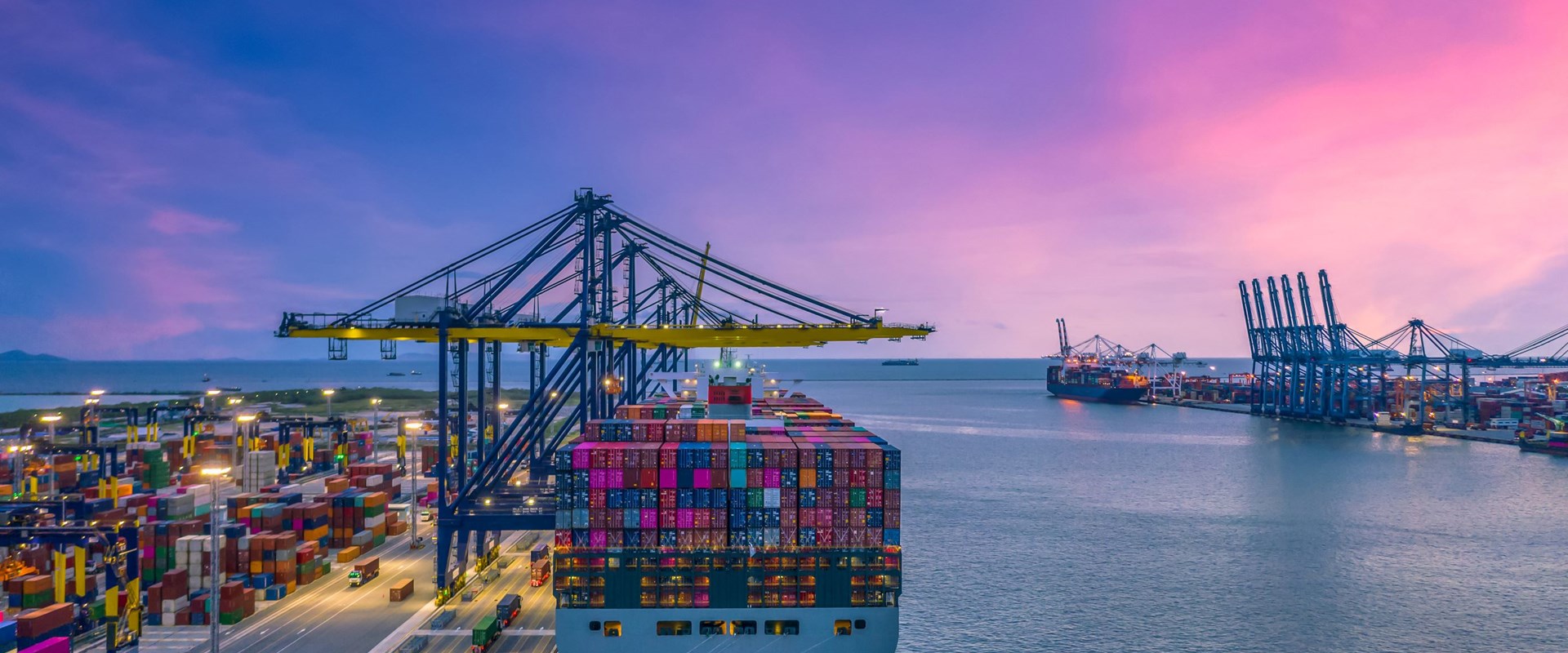
1.2 Container Terminal: Maximum LOA 250m, draft 12m. Bulk cargo terminal restricts vessels exceeding 15,000 DWT due to seabed conditions (Okinawa Prefectural Government Port Regulations 2023).
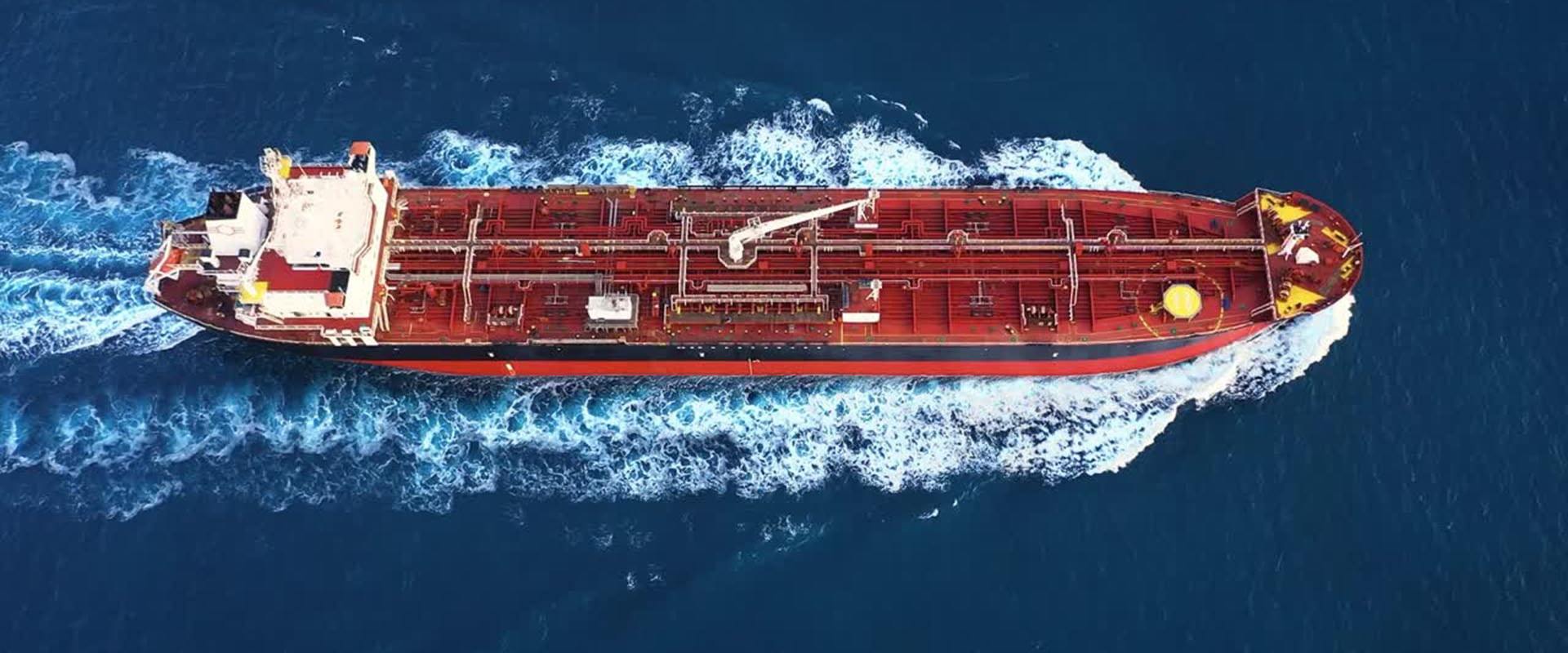
1.3 Oil Terminal: Mandatory double-hull requirement for tankers >600 DWT (IMO MARPOL Annex I). Static electricity discharge protocol enforced before operations.
2. Navigation and Anchorage
2.1 Main channel depth maintained at 14m (Japan Coast Guard Chart JP4112). Tide range: 1.5m (spring), 0.8m (neap).
2.2 Anchorage Area C (32°14’N, 127°40’E) prohibited during typhoon season (June-November). Real-time typhoon updates via JMA NAVTEX 518 kHz.
2.3 Mandatory AIS transmission within 12nm of port entrance (Japan Maritime Safety Law Article 56).
3. Cargo Operations
3.1 Hazardous materials: Advance notification required 72hrs prior arrival (Okinawa Hazardous Materials Ordinance). IMDG Code Class 1 explosives require special mooring arrangement.
3.2 Refrigerated containers: Terminal power supply limited to 440V/60Hz. Vessels must provide conversion equipment if incompatible.
3.3 Log cargo: Maximum moisture content 25% (JIS Z 8802 testing standard). Overweight logs (>5t) require pre-stowage plan approval.
4. Safety and Emergency
4.1 Port emergency contact: VHF Ch 16/12 (Naha Port Control). Medical evacuation coordinated through JRCC Okinawa.
4.2 Monthly fire drills compulsory for vessels staying >7 days (Port Fire Prevention Law Article 19).
4.3 Prohibited: Discharging wash water containing coral particles (Okinawa Coral Protection Act).
5. Environmental Compliance
5.1 Ballast water exchange must occur >200nm from nearest land (Japan Ballast Water Act). Records subject to PSC inspection.
5.2 Strict enforcement of 0.1% sulfur cap in port waters (Japan Air Pollution Control Law). Fuel samples tested routinely.
6. Crew Management
6.1 Shore leave permitted with valid seafarer’s ID and passport. Curfew 2300-0500 for crew in port area.
6.2 Waste disposal: Segregated bins provided at all berths. Medical waste requires prior notification to port health office.
7. Special Notices
7.1 Annual port closure drill every 3rd Wednesday of September (0800-1200). No vessel movement permitted during drill.
7.2 Underwater operations near Tomari Wharf require 48hr notice due to submarine cable zone.
7.3 Vessels carrying radioactive materials must submit additional safety certificates (Japan Nuclear Regulation Authority Form No.9).
8. Pilotage and Tug Services
8.1 Compulsory pilotage for vessels >500 GT (Japan Pilotage Law Article 3). Pilot boarding area at 32°15.5’N, 127°42.0’E (Naha Pilot Station).
8.2 Minimum 24-hour advance notice required for pilot requests. Last-minute changes must be confirmed via VHF Ch 12.
8.3 Tug assistance mandatory for vessels >10,000 DWT or LOA >180m. Minimum 2 tugs required during berthing/unberthing in winds >15 knots.
9. Port Dues and Charges
9.1 Port dues calculated based on GT and vessel type (Naha Port Tariff No.2023-1). Discounts apply for eco-friendly vessels (EIAPP certified).
9.2 Waste disposal fees: ¥5,000/ton for general waste, ¥12,000/ton for hazardous waste (Okinawa Environmental Tax Regulation).
9.3 Anchorage fees apply after 72 hours of free stay. Extended stays require port authority approval.
10. Customs and Immigration
10.1 Crew manifest and passport copies must be submitted 24 hours before arrival (Japan Immigration Control Act).
10.2 Prohibited items: Drones, certain medications (e.g., pseudoephedrine), and agricultural products without phytosanitary certificates.
10.3 Customs inspection may be conducted for vessels arriving from high-risk drug trafficking zones (Japan Customs Notice No.2022-45).
11. Port Security
11.1 ISPS Level 1 enforced. Gangway watch mandatory 24/7 with access control records maintained.
11.2 Unauthorized photography of port facilities prohibited (Japan Port Facility Security Code).
11.3 Random security drills conducted monthly. Non-compliance may result in delayed operations.
12. Weather and Sea Conditions
12.1 Typhoon season (June–November): Vessels must monitor JMA warnings and be prepared for sudden evacuation orders.
12.2 Strong northeasterly winds (≥25 knots) common in winter. Mooring lines must be inspected hourly.
12.3 Currents in the approach channel can reach 3 knots during spring tides. Vessels should maintain adequate engine power.
13. Bunkering and Supplies
13.1 Bunkering only at designated berths (Tomari Fuel Terminal). Advance notice of 48 hours required for fuel delivery.
13.2 Freshwater supply available at all berths (max 100 tons/hour). Prior request needed for large quantities (>500 tons).
13.3 Provisions delivery must be arranged through licensed suppliers. Crew prohibited from direct purchases in port.
14. Port Health Regulations
14.1 Medical declaration required if any crew show infectious disease symptoms (Japan Quarantine Act).
14.2 Vaccination certificates checked for yellow fever if arriving from affected regions (WHO listed countries).
14.3 Ship sanitation control exemption certificates (SSCEC) must be valid upon arrival.
15. Local Laws and Restrictions
15.1 Strict noise control (≤65 dB) during nighttime (2200–0600). Engine tests prohibited during these hours.
15.2 Disposal of any plastics into port waters is a criminal offense (Japan Marine Pollution Prevention Law).
15.3 Crew must carry ID at all times ashore. Public intoxication or disorderly conduct may lead to detention.
16. Vessel Traffic Services (VTS)
16.1 Mandatory VHF Channel 12 monitoring within 12nm of port entrance (Japan Coast Guard Regulation).
16.2 Speed limit: 8 knots within port limits. Special restrictions apply during high traffic periods (0700-0900, 1700-1900).
16.3 Vessels must report position, course and speed when passing designated reporting points (Naha VTS Sector 1 and 2).
17. Dangerous Goods Handling
17.1 Class 1 explosives: Maximum 50 tons per vessel. Requires dedicated berth and 500m safety zone.
17.2 Radioactive materials: Special stowage requirements apply (Japan Nuclear Regulation Authority Standard NS-R-1).
17.3 Gas carriers: Must provide cargo safety data sheets in Japanese or English 24 hours prior to arrival.
18. Port Infrastructure
18.1 Maximum air draft: 45m at high tide (Tomari Container Terminal).
18.2 Shore power available at Berths 5-8 (440V/60Hz, 2000kVA max). Prior booking required.
18.3 Fender system: Rubber fenders (D1.5m×L3.0m) at all commercial berths. Vessels must confirm compatibility.
19. Cargo Documentation
19.1 Original bills of lading required for all containerized cargo. Electronic submissions not accepted.
19.2 Hazardous cargo manifests must follow IMDG Code format with Japanese translation for key sections.
19.3 Customs requires cargo manifests 48 hours before arrival (Japan Customs Law Article 67-2).
20. Marine Services
20.1 Underwater hull cleaning prohibited within port limits (Okinawa Marine Environment Protection Ordinance).
20.2 Slop reception facilities available at Special Berth 3 (advance notice 72 hours required).
20.3 Garbage collection: Daily service available (0700-1600). Special handling fee for after-hours requests.
21. Port Working Hours
21.1 Standard operations: 0800-1700 (Mon-Fri), 0800-1200 (Sat). Overtime rates apply for other times.
21.2 National holidays: Reduced workforce available. Prior notice required for holiday operations.
21.3 Cargo operations may be suspended during heavy rain (>50mm/hour) or winds >25m/s.
22. Communication Protocols
22.1 Primary port working language: Japanese. English translations available for critical operations.
22.2 All official correspondence must include vessel IMO number as reference.
22.3 Emergency broadcasts will be made on VHF Ch 16 and port loudspeaker system simultaneously.
23. Special Cargo Considerations
23.1 Oversized cargo: Requires route survey and police escort for road transport (Okinawa Road Traffic Law).
23.2 Live animals: Mandatory veterinary inspection at dedicated quarantine area (Animal Quarantine Service).
23.3 Military cargo: Special clearance required from Japan Ministry of Defense for certain items.
24. Vessel Maintenance
24.1 Hot work permits require port fire department inspection (Naha Port Fire Prevention Code).
24.2 Underwater repairs must be notified 72 hours in advance with diver safety plan.
24.3 Use of ship’s cranes for cargo handling requires prior certification check by port authorities.
25. Local Services
25.1 Crew changes permitted with prior immigration clearance (minimum 24 hours notice).
25.2 Ship chandlers must be pre-approved by port authority. Crew prohibited from boarding vendor boats.
25.3 Nearest hospital with decompression chamber: Naha City Hospital (3km from port).
26. Port Entry/Exit Procedures
26.1 All vessels must submit completed Form JP-3 (Port Entry Notification) at least 24 hours prior to arrival.
26.2 Departure clearance requires submission of Outward Report and payment confirmation of all port dues.
26.3 Vessels remaining at anchor beyond 7 days must undergo additional safety inspection by Japan Coast Guard.
27. Mooring Arrangements
27.1 Minimum mooring lines requirement: 4 headlines, 4 stern lines, and 4 breast lines for vessels >150m LOA.
27.2 Synthetic mooring ropes prohibited at all berths due to fender compatibility issues.
27.3 Tidal range compensation devices mandatory for vessels staying through complete tidal cycles (>6 hours).
28. Port Emergency Response
28.1 Oil spill response equipment stationed at 3 locations within port (Main Wharf, Container Terminal, Oil Terminal).
28.2 Emergency muster stations clearly marked in English and Japanese at 200m intervals along quays.
28.3 Port-wide emergency drill conducted quarterly (March, June, September, December) – all vessels in port must participate.
29. Special Navigation Areas
29.1 No-anchoring zones clearly marked around submarine cables (refer to Japan Hydrographic Chart JP4112A).
29.2 Speed reduction zone (5 knots) in effect within 500m of ferry terminals (24/7 enforcement).
29.3 Vessels >200m LOA restricted from turning basin during peak traffic hours (0700-0900, 1700-1900).
30. Cargo Handling Equipment
30.1 Port cranes maximum safe working load: 50 tons single lift, 80 tons tandem lift (certified annually).
30.2 Container spreaders available for 20′, 40′, 45′ units. Special equipment requests require 72-hour notice.
30.3 Bulk cargo unloader capacity: 800 tons/hour for grains, 500 tons/hour for minerals.
31. Port Lighting
31.1 All berths equipped with ISO-standard illumination (minimum 200 lux at working areas).
31.2 Vessels required to maintain adequate deck lighting during night operations (minimum 100 lux at cargo areas).
31.3 Navigation lights must remain on from sunset to sunrise, regardless of operational status.
32. Port Sanitation
32.1 Mandatory rat guards on all mooring lines (inspected upon arrival).
32.2 Garbage receptacles must be covered and leak-proof (daily inspection by port health officers).
32.3 Vessel fumigation requires prior approval from Okinawa Prefecture Health Department.
33. Small Craft Regulations
33.1 Ship’s boats prohibited from operating within commercial port area without port permission.
33.2 Personal watercraft (jet skis, etc.) strictly prohibited in all port waters.
33.3 Fishing prohibited within 200m of any berthed vessel or port facility.
34. Port Authority Contacts
34.1 Port Operations Center: (24/7 operational matters)
34.2 Customs Office: (0800-1700 weekdays)
34.3 Immigration Office:(0830-1630 weekdays)
Note: Phone numbers should be verified from official Naha Port website as they may change.
35. Additional Safety Measures
35.1 Working aloft or overboard prohibited when wind speed exceeds 15m/s.
35.2 Safety harnesses mandatory for all personnel working above 2m during cargo operations.
35.3 Smoking restricted to designated areas only – strictly enforced with ¥50,000 fines for violations.
36. Vessel Inspection Requirements
36.1 Mandatory pre-entry hull inspection for vessels with last port call in high-risk biofouling zones (as per Japan Ministry of Environment list).
36.2 Cargo holds must be inspected and certified clean prior to loading food-grade commodities.
36.3 Random PSC inspections target vessels with high-risk flags or previous deficiencies (Tokyo MOU criteria).
37. Bunker Quality Control
37.1 All bunker deliveries must be accompanied by ISO 8217 compliant fuel analysis certificates.
37.2 MARPOL Annex VI fuel samples drawn during bunkering must be retained for 12 months minimum.
37.3 Port authority may conduct random fuel sampling for sulfur content verification (0.10% max in ECA).
38. Special Marine Events
38.1 Annual Naha Hari dragon boat races (May) – navigation restrictions in inner harbor area.
38.2 Marine fireworks displays (August) – complete port closure 1800-2200 on event days.
38.3 International fleet review (every 3 years) – advanced security measures implemented.
39. Ice Navigation Precautions
39.1 While rare, vessels must monitor for black ice formation on decks during winter cold snaps.
39.2 Special mooring line anti-icing procedures required when temperatures drop below -5°C.
39.3 Engine room heating systems must be operational November-March for vessels in port >24hrs.
40. Historical Wreck Avoidance
40.1 Charted WWII wreckage in approach channel (32°16.2’N 127°43.5’E) – minimum 100m clearance required.
40.2 Magnetometer surveys recommended for vessels anchoring in outer roads area.
40.3 Discovery of archaeological artifacts must be reported immediately to Okinawa Cultural Affairs Bureau.
41. Cybersecurity Requirements
41.1 All electronic navigation systems must have up-to-date antivirus protection (verified during PSC).
41.2 Prohibition on unauthorized USB devices connecting to ship’s systems while in port.
41.3 Mandatory reporting of any cyber incidents to Japan Coast Guard Cyber Command within 1 hour.
42. Night Navigation
42.1 Additional lookout required on bridge when transiting port waters between sunset and sunrise.
42.2 Vessels >10,000 GT must use two independent radar systems during restricted visibility.
42.3 Searchlights must not be directed toward shore residential areas (strictly enforced).
43. Diving Operations
43.1 Commercial diving operations require 48-hour notice with submitted safety plan.
43.2 Underwater surveys limited to daylight hours only (sunrise to sunset).
43.3 Diver down flags must be displayed on both vessel and support boat during operations.
44. Port Wildlife Protection
44.1 Speed limit 5 knots in designated manatee protection zones (marked on port charts).
44.2 Prohibition on feeding or disturbing migratory birds (Okinawa Wildlife Protection Act).
44.3 Special lighting restrictions during turtle nesting season (April-September).
45. Vessel Lay-up Procedures
45.1 Long-term lay-up requires approval of fire watch and security arrangements.
45.2 Minimum crew requirements: 3 certified personnel for vessels <5,000 GT, 5 for larger vessels.
45.3 Weekly engine tests and monthly emergency drills mandatory for laid-up vessels.
46. Vessel Speed and Maneuvering
46.1 Maximum approach speed to berth: 0.5 knots in final 100m (port regulation P-2023-12).
46.2 Bow thruster use prohibited within 50m of moored vessels to prevent wash damage.
46.3 Emergency stopping distance tests required for vessels >20,000 DWT during first port call.
47. Hazardous Weather Protocols
47.1 Typhoon Condition III (winds >30 knots): All cargo operations must cease immediately.
47.2 Tsunami warning activation requires vessels to depart berths within 30 minutes (designated safe zones marked on port charts).
47.3 Winter storm procedures: Additional mooring lines required when temperature drops below freezing.
48. Special Cargo Handling
48.1 Project cargo exceeding 50 tons requires engineered lifting plan approval 72 hours in advance.
48.2 Temperature-sensitive pharmaceuticals must use designated climate-controlled storage areas.
48.3 Vehicles with fuel tanks >1/4 full require special fire watch during loading/unloading.
49. Port Communication Systems
49.1 Digital Selective Calling (DSC) mandatory for all vessel-port communications.
49.2 Backup VHF radios required on bridge during entire port stay (tested upon arrival).
49.3 Emergency satellite phone contact: +870-XXX-XXX-XXX (registered with port authority).
50. Crew Welfare Facilities
50.1 Designated crew recreation center available with free WiFi (open 0800-2200 daily).
50.2 Medical clinic located at port entrance (operational 24/7 for emergencies).
50.3 Prohibited: Crew members sleeping on deck during port stay (Okinawa Labor Standards Act).
51. Port Security Zones
51.1 Restricted Area A (military facilities): 500m exclusion zone strictly enforced.
51.2 All drones prohibited within 1km of port perimeter (Okinawa Prefecture Ordinance 15-2022).
51.3 Underwater surveillance systems active in critical infrastructure areas.
52. Vessel Maintenance Restrictions
52.1 Hull cleaning/painting prohibited without contained recovery systems (EPA approved).
52.2 Engine repairs involving oil systems require spill containment measures in place.
52.3 Hot work permits valid for maximum 8-hour periods only (renewal inspection required).
53. Port Environmental Monitoring
53.1 Continuous water quality sensors at all berths (real-time data available to vessels).
53.2 Mandatory reporting of any sheens or discoloration in port waters within 15 minutes.
53.3 Air quality monitoring stations measure SOx, NOx, and PM2.5 levels hourly.
54. Special Vessel Categories
54.1 Nuclear-powered vessels: Additional 72-hour notification and escort requirements apply.
54.2 Research vessels: Special clearance needed for sample collection in port waters.
54.3 Cruise ships: Dedicated passenger terminal with separate security screening.
55. Port Information Resources
55.1 Updated port notices available via Japan Coast Guard NAVTEX (518 kHz).
55.2 Digital port handbook downloadable from Naha Port Authority website (QR codes at berths).
55.3 Mandatory pre-arrival briefing for vessels with >5 year interval since last call.