1.Port Description
General Information
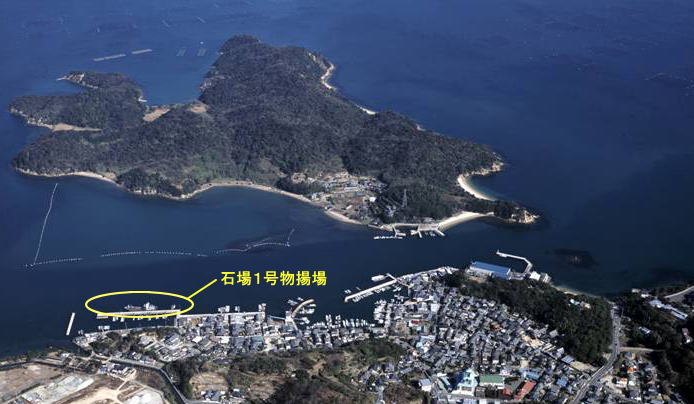
Naoshima Port is a small commercial and industrial port located on Naoshima Island in the Seto Inland Sea, Japan. Operated by the Kagawa Prefecture government, it primarily serves the island’s industrial facilities (e.g., Mitsubishi Materials’ copper smelting plant) and supports ferry services for passengers/vehicles. The port is classified as a “Local Port” under Japan’s Port and Harbor Law.
Port Types
– **By size**: Small port (annual cargo throughput < 1 million tons)
– **By geography**: Coastal harbor (Seto Inland Sea)
– **By function**: Industrial port (primary), commercial port (secondary), ferry terminal
– **UN/Locode**: JPNSS (verified via UNECE)
Long./Lat.
– **Main Pier**: 34°27’30″N, 133°59’30″E (Japan Hydrographic Department, Chart W124)
– **Anchorage Area**: 34°27’00″N – 34°28’00″N / 133°58’30″E – 134°00’00″E
Time Zone
– **Standard Time**: Japan Standard Time (JST), UTC+9 (no daylight saving)
– **Port Office Hours**: 08:30–17:30 (weekdays), closed on national holidays
Port Location
Located on the northern coast of Naoshima Island (Kagawa Prefecture), approximately 3 km east of Teshima Island. The port is sheltered by breakwaters and faces the calm Seto Inland Sea, a designated National Park.
Port Limits
Defined by Kagawa Prefecture Ordinance No. 42 :
– **Western boundary**: Breakwater head at 34°27’35″N, 133°59’15″E
– **Eastern boundary**: Eastern edge of Mitsubishi Materials Pier at 34°27’25″N, 133°59’45″E
– **Seaward boundary**: 500m from the breakwater (total area ~0.5 km²)
Load Lines
– **Applicable Zone**: North Pacific Tropical Zone (Summer load line) per IMO Resolution A.1083(28)
– **Certification**: Ships >24m must display Japanese or ICLL-certified load lines (Ministry of Land, Infrastructure, Transport and Tourism [MLIT] regulation)
Water Density
– **Average**: 1.025 g/cm³ (Seto Inland Sea standard)
– **Seasonal variation**: 1.022–1.027 g/cm³ (Japan Meteorological Agency data)
Charts and Books
– **Official Charts**:
– JP 112 (Seto Naikai – Western Part), scale 1:50,000 (Japan Coast Guard)
– Admiralty BA 3514 (Seto Naikai), updated weekly via NM
– **Pilot Guides**:
– “Seto Naikai Pilot” (Japan Coast Guard, 2022 ed.)
– “Admiralty Sailing Directions NP32” (UKHO)
– **Tide Tables**: “Tide Tables for Japanese Ports” (JCG Publication No. 706)
Port Restrictions
– **Max DWT**: 10,000 (practical limit; no official restriction)
– **Max LOA**: 150m (berthing limit at main pier)
– **Max Draft**: 8.5m (at zero tide; tidal allowance +2.0m)
– **Air Draft**: 25m (restricted by Seto Ohashi Bridge clearance)
– **Hazardous Cargo**: Requires 24h prior notice (Kagawa Prefecture Hazardous Materials Ordinance)
Regulations
– **Mandatory**:
– Port Entry Notification (MLIT Form 30-3) submitted 24h prior
– Use of VHF Channel 16/12 for port communication
– Garbage disposal logs per Japan’s MARPOL implementation law
– **Prohibited**:
– Anchoring outside designated areas (fines up to ¥500,000)
– Night navigation for vessels >100m without pilot (Seto Inland Sea Traffic Rules)
Weather Condition
– **Annual averages**:
– Temperature: 16°C (min 5°C in Jan, max 32°C in Aug)
– Precipitation: 1,500 mm (peak in June–July rainy season)
– Wind: Prevailing NW (winter) / SE (summer), avg. 3–5 m/s
– **Typhoons**: July–Oct; port closes at Wind Force 7 (Beaufort scale)
Tide and Currents
– **Tides**:
– Type: Semidiurnal (2 highs/2 lows daily)
– Mean range: 1.8m (spring tide: 2.2m; neap tide: 1.2m)
– **Currents**:
– Flood tide: 0.8 knots NW (toward Akashi Strait)
– Ebb tide: 0.6 knots SE (toward Bungo Channel)
Identification Cards
– **Crew Shore Pass**: Issued by Kagawa Immigration (valid 72h; requires passport + crew list)
– **Seaman’s Book**: Accepted for port entry but not for land transit
– **Biometrics**: Fingerprinting required for non-Japanese crew (Immigration Control Act)
Traffics
– **Air**:
– Takamatsu Airport (TAK): 20 km (ferry + road), daily flights to Tokyo (HND/NRT), Osaka (ITM)
– Okayama Airport (OKJ): 50 km (ferry + Shinkansen), int’l flights to Seoul/Shanghai
– **Rail**:
– Takamatsu Station (JR Yosan Line): 15 min by taxi from Takamatsu Port
– Shinkansen access via Okayama Station (1h by ferry + train)
– **Highways**: Not applicable (island accessible via ferry from Uno Port)
Holidays
– **National Holidays**: Jan 1 (New Year), Golden Week (Apr 29–May 5), etc. (total 16 days/year)
– **Cargo Operations**: Possible on holidays with 72h notice (surcharge: 150% labor cost)
Currency
– **Currency**: Japanese Yen (JPY)
– **Exchange Rate**: 1 USD ≈ 150 JPY (Bank of Japan, 2023 avg.)
– **Restrictions**: Cash >¥1 million must be declared (Customs Law)
Main Cargo Handled
– **Exports**: Copper anodes (Mitsubishi), scrap metal, industrial machinery
– **Imports**: Copper concentrate, coal, limestone (for smelting)
– **Ferry Traffic**: 20 vehicles/day, 200 passengers/day (Kagawa Ferry Co. data)
2. Notification and Reports
General Information
Ship masters, owners, and managers must comply with Japan’s Port Regulations Law and Maritime Traffic Safety Act. Required notifications must be submitted to the Kagawa Prefecture Port Authority and Japan Coast Guard (JCG) via designated channels. All vessels must adhere to the International Maritime Organization’s (IMO) Facilitation Convention (FAL) requirements for documentation.
Arrival and Departure Checklists
– Pre-arrival (72h prior):
– ETA notification (MLIT Form 30-3)
– Crew/passenger manifests (Immigration Bureau Format 1-3)
– Dangerous cargo declaration (IMO FAL Form 7)
– Ship Particulars Form (JCG Form MS-1)
– Pre-departure:
– Final crew list verification
– Waste disposal confirmation (MARPOL Annex V)
– Port clearance application
– Post-departure (24h):
– Port clearance certificate (Customs Form C-1040)
– Waste disposal report (MARPOL Annex V)
– Bunker delivery note submission
Documents and Certificates
– Mandatory:
– Crew List (4 copies; Immigration Bureau Format)
– Passenger List (if applicable; 3 copies)
– Ship’s Registry Certificate (original + 1 copy)
– International Tonnage Certificate (1969)
– Load Line Certificate
– MARPOL Certificates (Annex I-VI)
– ISPS Code Certificate (for vessels >500 GT)
– Continuous Synopsis Record (CSR)
– Ballast Water Management Certificate
– Cargo-Specific:
– Bill of Lading (2 copies)
– Dangerous Goods Manifest (IMO DG Declaration)
– Stowage Plan (for bulk cargo)
– Cargo Securing Manual
– Additional:
– Garbage Management Plan
– Oil Record Book (Part I and II)
– Engine International Air Pollution Prevention (EIAPP) Certificate
Vessel Traffic Services (VTS)
– VTS Area: Covers Naoshima Port and adjacent channels (34°25’N-34°30’N / 133°55’E-134°05’E)
– Monitoring: Radar (JCG Station Takamatsu) and AIS
– Contact: VHF Ch 12 (24/7); callsign “Takamatsu Coast Guard”
– Services:
– Traffic advisories
– Navigational warnings
– Emergency coordination
– Weather updates
– Reporting Requirements:
– Mandatory AIS transmission
– Position reports at designated waypoints
– Immediate notification of any safety concerns
Emergency Co-ordination Centre
– Nearest Center:
– Japan Coast Guard (JCG) Takamatsu Office
– Address: 1-1 Chuo, Takamatsu, Kagawa 760-0019
– Phone: +81 87 822 0110 (emergency line)
– Secondary Contact: Kagawa Prefecture Disaster Management Center +81 87 832 3119
– Emergency Procedures:
– Immediate notification via VHF Ch 16
– Follow-up written report within 24 hours
– Oil spill response coordinated by JCG and Japan Marine Disaster Prevention Center
Harbour Management Communications
– Port Authority: Kagawa Prefecture Port and Harbor Bureau
– Address: 4-1-10 Bancho, Takamatsu, Kagawa 760-8570
– Phone: +81 87 832 3215 (office hours)
– Fax: +81 87 832 3216
– After-hours contact: JCG Takamatsu
– Port Operations Office:
– Location: Naoshima Port Administration Building
– Operational Hours: 0800-1700 (JST), Monday-Friday
Radio
– Primary Station: JCG Takamatsu Radio (JOS)
– HF: 8416 kHz (day), 6314 kHz (night)
– MF: 2182 kHz (emergency)
– Satellite: Inmarsat coverage available
– Secondary Stations:
– Osaka Radio (JOO) for long-range communication
– Kobe Radio (JOG) for regional traffic
VHF
– Channels:
– Ch 16: Distress/Safety
– Ch 12: Port Operations (primary)
– Ch 14: Pilot/Tug Coordination
– Ch 13: Bridge-to-bridge navigation
– Ch 09: Secondary calling channel
– Procedures:
– Initial contact on Ch 16, then switch to assigned channel
– Mandatory ETA updates at 24h, 12h, and 1h prior
– Continuous monitoring of Ch 16 when in port
– Special Communications:
– Bilingual communication (Japanese/English) available
– Phonetic alphabet required for vessel name spelling
Radars
– Port Radar: JCG Takamatsu Radar Station (34°20’N, 134°02’E)
– Coverage:
– 24nm range (X-band)
– 12nm range (S-band for adverse weather)
– Capabilities:
– Target tracking (up to 200 vessels simultaneously)
– Weather monitoring
– Anti-collision warnings
– Contact Procedures:
– VHF Ch 12 for radar assistance requests
– No direct ship radar interaction available
Notices of Readiness
– Submission:
– To agent/port authority via email/VHF Ch 12
– Copy to charterer if required by contract
– Requirements:
– Vessel safely anchored/berthed
– Cargo holds ready for inspection
– Free Pratique granted
– All port formalities completed
– Time Recording:
– Local time (JST) used for documentation
– Electronic timestamp accepted
Immigration
– On-Site Officers: No (handled at Takamatsu Immigration Office)
– Procedures:
– Crew must disembark with passports/seaman’s books
– Biometric registration for non-Japanese nationals
– Crew change requires 48h prior notice
– Documentation:
– Crew list (4 copies)
– Passport copies
– Vaccination certificates (if required)
– Special Cases:
– Shore leave permitted with valid ID
– Visa requirements apply for certain nationalities
Health
– Quarantine Authority: Kagawa Quarantine Station (Takamatsu)
– Contact: +81 87 822 0281
– Inspection hours: 0900-1700 (JST)
– Free Pratique:
– Granted after radio health declaration (no cases in last 14 days)
– Physical inspection if high-risk (e.g., recent African port call)
– Electronic health declaration accepted via Japan e-Health system
– Vaccination Requirements:
– Yellow fever certificate if from endemic areas
– COVID-19 protocols as per current regulations
– Emergencies:
– Contact JCG Takamatsu (+81 87 822 0110)
– Designated medical facilities:
– Naoshima Clinic (basic care)
– Takamatsu Red Cross Hospital (full services)
Customs
– Clearance:
– Submit crew effects declaration (Customs Form C-5360)
– Cargo manifest verification
– Bonded stores declaration
– Prohibited Items:
– Weapons, narcotics
– Uncanned meat products
– Certain agricultural products
– Allowances:
– 400 cigarettes/person (over 20 years old)
– 3 bottles alcohol (max 760ml each)
– Personal effects up to ¥200,000 value
– Special Procedures:
– Temporary import of ship’s equipment requires bond
– Cash declarations >¥1 million
Prior Declaration and Authorization
– Special Cargo:
– Dangerous goods: 72h prior notice (IMO Class 1-9)
– Oversized cargo: Pre-approval from port engineer
– Heavy lifts: Route survey required
– Crew Changes:
– Notify Immigration 48h in advance
– Medical clearance for new crew
– Bunkering Operations:
– 24h notice required
– SOPEP equipment verification
Restricted Activities
– Prohibited:
– Anchoring outside designated zones
– Discharging wastewater within 12nm of port
– Fishing in port limits
– Unauthorized photography of port facilities
– Restricted:
– Night navigation for vessels >100m (requires pilot)
– Bunkering operations during cargo handling
– Use of ship’s cranes during high winds (>15m/s)
Incidents
– Reporting:
– Immediate notification to JCG (VHF Ch 16/phone)
– Follow-up written report (MLIT Form 30-5 within 24h)
– Pollution incidents require additional IMO forms
– Definition:
– Collisions, groundings
– Pollution incidents
– Injuries/deaths
– Structural failures
– Fires
– Stability loss
– Security breaches
– Investigation:
– Conducted by JCG Marine Accident Tribunal
– Vessel may be detained pending investigation
Others
– Additional Reports:
– Bunker fuel log (per Japan’s Air Pollution Control Law)
– Ballast water management record (IMO BWM Convention)
– Garbage record book
– Oil record book
– Special Notifications:
– Security level changes
– Stowaways discovered
– Unauthorized persons onboard
– Defects affecting seaworthiness
3. Port Navigation
General Information
Navigation in Naoshima Port is governed by Japan’s Maritime Traffic Safety Act (Law No. 161 of 1972) and Kagawa Prefecture Port Regulations (Ordinance No. 42). The port features:
– 1 main channel (SE-NW orientation)
– 2 designated anchorage areas
– Maximum vessel size: 10,000 DWT/150m LOA
– Compulsory compliance with:
– IMO COLREGs (1972)
– Japan’s Marine Pollution Prevention Law
– ISPS Code requirements
Pilot Station and Pilotage
– **Authority**: Shikoku Pilot Association (licensed by MLIT)
– **Primary Station**:
– Location: 34°21’N, 134°03’E (Takamatsu Pilot Base)
– Jurisdiction: Covers entire Seto Inland Sea west area
– **Pilot Request Procedures**:
– Mandatory for:
– All foreign-flagged vessels
– Japanese vessels >500 GT
– Vessels carrying hazardous cargo
– Timeline:
– Initial request: 72h before ETA
– Confirmation: 24h before ETA
– Final update: 6h before ETA
– Methods:
– Via agent (preferred)
– VHF Ch 12/16
– Phone: +81 87 822 0181 (office hours)
– **Boarding Details**:
– Primary Point: 34°26’N, 133°59’E (1nm NW of port entrance)
– Depth: 15m
– Current: <1 knot
– Alternative Points:
1. 34°25’N, 133°58’E (sheltered area)
2. 34°27’N, 133°59’E (leeward side of breakwater)
– Boarding Equipment:
– SOLAS-compliant pilot ladder (clean, well-lit)
– Required freeboard: 1.0-1.5m
– Hoist option available (prior arrangement)
– **Pilot Boats**:
1. “Shikoku Maru” (12m, 40GT)
– Call sign: JD3456
– Speed: 15 knots
– Capacity: 2 pilots + 4 crew
2. “Seto No.5” (10m, 30GT)
– Backup vessel
– **Signals**:
– Vessel requesting pilot: Sound “G” flag by day/red flare at night
– Pilot boat: Flashing yellow light (120/min)
Approaches and Channels
– **Main Approach Route**:
– From Bungo Channel:
– Waypoint 1: 33°45’N, 133°50’E
– Waypoint 2: 34°10’N, 133°55’E
– Total distance: 35nm
– From Akashi Strait:
– Waypoint 1: 34°35’N, 134°55’E
– Waypoint 2: 34°30’N, 134°10’E
– Total distance: 25nm
– **Port Channel**:
– Length: 2.5nm
– Width:
– Outer section: 200m
– Inner section: 150m (minimum)
– Depth:
– Chart Datum: 9.5m
– Dredged depth: 10.0m
– Bottom: Sandy mud (good holding)
– **Navigation Rules**:
– Traffic separation scheme (TSS) applies
– Speed limits:
– Approach: 10 knots
– Channel: 8 knots
– Harbor: 5 knots
– Special zones:
– No-anchoring areas (cable zones)
– Fishery protection zones (0.5nm radius)
Anchorages
– **Commercial Anchorage A**:
– Position: 34°26’30″N, 133°58’00″E ± 0.5nm
– Area: 0.5nm²
– Depth: 15-20m
– Holding: Clay/mud (good)
– Max vessels: 3 (min 500m separation)
– **Emergency Anchorage B**:
– Position: 34°27’00″N, 133°57’30″E
– Depth: 12-15m
– Emergency use only
– **Restrictions**:
– Prohibited in cable areas (marked by yellow buoys)
– No anchoring within 1nm of ferry routes
– Holding ground tests required before full anchoring
Navigation Aids
– **Fixed Lights**:
1. Naoshima Breakwater Head Light
– Position: 34°27’35″N, 133°59’20″E
– Character: Fl G 3s
– Range: 5nm
– Height: 8m
2. Channel Leading Light
– Front: 34°27’10″N, 133°59’15″E
– Rear: 34°27’12″N, 133°59’17″E
– Alignment: 135° True
– **Buoyage System** (IALA Region A):
– Port Hand: Red conical (Nos. 1,3,5)
– Starboard Hand: Green can (Nos. 2,4,6)
– Special Marks: Yellow spherical (cable areas)
– **AIS AtoN**:
– MMSI: 992111234
– Transmits: Position, light characteristics
– **Fog Signals**:
– Breakwater horn: 1 blast every 30s
– VTS advisories on VHF Ch 12 during fog
Maximum Authorized Speed
– **General Limits**:
– Approach channel (2nm radius): 10 knots
– Main channel: 8 knots
– Inner harbor: 5 knots
– Berthing areas: 3 knots
– **Special Cases**:
– Towing operations: 5 knots max
– Hazardous cargo: 4 knots
– Night operations: 6 knots (channel)
– **Wash Restrictions**:
– Max wave height: 0.5m at breakwater
– Speed reduction zones near small craft moorings
Navigation Priority
– **Hierarchy**:
1. Emergency vessels
2. Passenger ferries
3. Fishing vessels
4. Commercial cargo vessels
5. Pleasure craft
– **Special Rules**:
– Outbound vessels have right of way
– Sequential transit for vessels >100m LOA
– No overtaking in channel bends
– Fishing vessels within 0.5nm must be given way
Weather Restrictions
– **Wind**:
– 20-25 knots: Pilot discretion
– 25-30 knots: Restrictions for vessels >5,000 GT
– >30 knots: Port closed to commercial traffic
– **Visibility**:
– <1nm: Mandatory pilot
– <0.5nm: Port entry prohibited – Fog procedures: VHF updates every 15min – **Typhoons**: – Signal No.3: Preparations – Signal No.4: Port closure – Signal No.5: All vessels must depart – **Currents**: – >3 knots: Pilot may delay operations
– Strong ebb currents in SE channel section
Night Entry or Departure
– **General Policy**:
– Permitted with pilot
– Additional requirements:
– Functioning navigation lights
– Spotlight for buoy identification
– Radar monitoring
– Additional lookout
– **Restrictions**:
– Prohibited for:
– Vessels >150m LOA
– Hazardous cargo operations (2200-0600)
– First-time visiting vessels
– Special cases require port manager approval
– **Lighting**:
– Channel markers: Increased intensity at night
– Berth lights: Minimum 50 lux illumination
UKC (Under-Keel Clearance)
– **Minimum Requirements**:
– Approach channel: 10% of draft or 1.5m
– Main channel: 10% of draft or 1.2m
– Berthing areas: 0.5m at LAT
– **Tidal Considerations**:
– Mean tidal range: 1.8m
– Spring range: 2.2m
– Neap range: 1.2m
– **Monitoring**:
– Continuous echo sounding required
– VTS may request UKC verification
Bridges
– **Seto Ohashi Bridge** (nearest major crossing):
– Location: 34°23’N, 133°48’E
– Clearance:
– MHWS: 30.5m
– Chart Datum: 28.3m
– Navigation span: 110m width
– Passage rules:
– No special restrictions for Naoshima
– VHF Ch 13 monitoring required
– **Local Power Lines**:
– Minimum clearance: 22m
– Marked by:
– Spherical markers (red/white)
– AIS transmitters (MMSI 992111235)
– Special arrangements possible (72h notice)
Air Drafts Limit and Air Gap
– **Port Limits**:
– Maximum air draft: 25m
– Recommended minimum gap: 2m
– **Approach Routes**:
– From south: 35m (Seto Ohashi Bridge)
– From east: 30m (power lines at 34°28’N)
– **Verification**:
– Must declare air draft during ETA
– Visual inspection may be required
Vessels Shifting
– **Procedures**:
1. Submit shift plan 12h in advance
2. VHF Ch 12 continuous monitoring
3. Tug escort:
– <5,000 GT: 1 tug
– 5,000-10,000 GT: 2 tugs
4. Daytime only for hazardous cargo
– **Restrictions**:
– No shifting during:
– Ferry operations (0700-0900, 1700-1900)
– Typhoon signals
– Visibility <0.5nm
Vessels Transiting
– **Rules**:
– Maintain >200m separation
– Speed matching required (+/- 1 knot)
– No overtaking in channel
– Special transit windows for:
– Oversized cargo
– Hazardous materials
– **Reporting**:
– Position reports at:
1. Channel entrance
2. Mid-channel
3. Berthing area
Vessels Towing
– **Requirements**:
– Advance notice: 48h
– Escort tugs: 1 per 50m LOA
– Maximum dimensions:
– Length: 150m
– Beam: 32m
– Draft: 7m
– Daylight transit only
– **Special Signals**:
– Day: Black diamond shape
– Night: All-round white lights
Tugs and Working Boats
– **Tug Fleet**:
1. “Naoshima No.1”:
– Bollard pull: 40t
– Length: 32m
– Bollard arrangement: Forward/aft
2. “Naoshima No.2”:
– Bollard pull: 25t
– Length: 28m
– **Operations**:
– Minimum requirements:
– <5,000 GT: 1 tug
– 5,000-10,000 GT: 2 tugs
– Line handling:
– Ship’s lines preferred
– Tug lines available (¥50,000/hour)
– Positioning:
– Stern tug first
– Bow tug joins at inner channel
– **Working Boats**:
– Supply boats: 2 (10t capacity)
– Garbage barge: 1 (daily service)
– Oil skimmer: 1 (emergency use)
Vessels in Special Operations
– **Dredging**:
– Permit required (14-day notice)
– NOTAM issued
– Safety zone: 500m radius
– **Construction**:
– Minimum notice: 30 days
– Mandatory:
– Guard boats
– AIS transmitters
– **Survey Vessels**:
– Must display “RY” flag
– Restricted hours: 0600-1800
– Data sharing with VTS required
4. Pollution Control
Ballast and Deballast
– **Regulatory Framework**:
– Japan’s Act on the Prevention of Marine Pollution and Maritime Disaster (Law No. 136 of 1970)
– IMO Ballast Water Management Convention (D-2 standard)
– Kagawa Prefecture Special Measures Ordinance No. 5 (2021)
– **Operational Requirements**:
– Pre-arrival notification (Form EP-3) 24h prior
– Ballast Water Reporting Form (JCG Form BW-2)
– Prohibited zones:
– Within 12nm of port limits
– Designated marine protected areas
– Mandatory documentation:
– Ballast Water Record Book (updated hourly)
– Sediment management records
– Treatment system maintenance logs
– **Inspection Protocols**:
– Sampling frequency: 10% of visiting vessels
– Analyzed parameters:
– Living organism density (<10 organisms/m³)
– Indicator microbes (E. coli, Enterococci)
– Penalties:
– First violation: ¥3 million fine
– Repeat violations: ¥10 million + possible detention
– **Treatment Options**:
– Port facilities: Not Available
– Approved onboard systems:
– UV treatment (IMO Type Approved)
– Electrochlorination systems
– Chemical injection (TRO <0.1mg/L)
Garbage Disposal
– **Service Providers**:
1. Naoshima Environmental Services (primary)
– Coverage: Entire port area
– Operating hours: 0800-1600 (Mon-Sat)
2. Seto Inland Sea Clean Co. (backup)
– Emergency contact: VHF Ch 16
– **Collection Infrastructure**:
– Fixed facilities:
– 5m³ compactors (3 units at main pier)
– Hazardous waste containers (2 units)
– Mobile units:
– Garbage barge (daily rounds)
– Special collection vehicles
– **Classification System**:
– Category A: Plastics (separate handling)
– Category B: Food waste
– Category C: Domestic waste
– Category D: Operational waste
– Category E: Fishing gear
– **Fee Structure**:
– Standard waste: ¥5,000/tonne (min ¥20,000)
– Hazardous materials: ¥15,000/tonne
– After-hours service: +50% surcharge
– **Documentation**:
– Garbage Record Book (MARPOL Annex V)
– Waste Transfer Certificate (3-part form)
– Digital reporting via JP-MARPOL system
Waste Oil Disposal
– **Reception Facilities**:
– Primary:
– Barge “Seto Maru No.7” (200m³ capacity)
– Operating radius: 5nm from port
– Response time: <2h (working hours)
– Shore tanks at Takamatsu (1,000m³)
– Emergency:
– JCG oil recovery vessels (24/7)
– Storage capacity: 500m³
– **Service Details**:
– Provider: Shikoku Oil Recovery Co.
– Licensed by Ministry of Land, Infrastructure, Transport and Tourism (MLIT)
– Certification: ISO 9001/14001
– Standard procedure:
1. Pre-notification (48h)
2. Sampling analysis
3. Volume measurement
4. Joint signing of transfer documents
– Testing requirements:
– Oil content <15ppm – Flash point >60°C
– **Pricing**:
– Bilge water: ¥30,000/m³
– Sludge: ¥50,000/m³
– Tank cleaning: ¥200,000/hour
– Emergency response: ¥500,000 base fee
– **Safety Measures**:
– Static electricity protection
– Spill containment booms deployed
– Firefighting equipment on standby
Sewage Reception
– **Facility Specifications**:
– Mobile collection unit:
– Capacity: 10m³
– Pump rate: 20m³/hour
– Disinfection system: Chlorine-based
– Fixed pipeline system:
– Not Available
– **Operational Procedures**:
– Request submission:
– Minimum notice: 6h
– Channels: VHF Ch 12 or agent
– Required documents:
– International Sewage Pollution Prevention Certificate
– Discharge log (last 12 months)
– Health protocols:
– Medical waste separate handling
– COVID-19 special measures
– **Service Parameters**:
– Operating hours: 0800-1800 daily
– Emergency service: Via JCG (+81 87 822 0110)
– Turnaround time: <4h (standard)
– **Fee Schedule**:
– Standard discharge: ¥15,000/m³
– Minimum charge: ¥30,000
– After-hours: +100% surcharge
– **Alternative Options**:
– Onboard treatment systems:
– Approved types: IMO MEPC.227(64)
– Certificate validity: 5 years
– Holding tanks:
– Minimum capacity: 2m³ (for port stay duration)
Additional Pollution Controls
– **Air Emissions**:
– Sulfur limits:
– 0.1% in port (ECA compliance)
– 0.5% in Japanese waters
– Monitoring:
– Fuel sampling
– Continuous emissions systems (for vessels >5,000GT)
– **Noise Pollution**:
– Night restrictions (2200-0600):
– Maximum 75dB at 25m
– No high-decibel operations
– **Anti-Fouling Systems**:
– TBT-based paints prohibited
– Compliance with AFS Convention
– Hull cleaning restrictions
Emergency Protocols
– **Spill Response**:
– Tier 1 (<10m³): Port resources – Tier 2 (10-100m³): Regional assets – Tier 3 (>100m³): National response
– **Contact Matrix**:
– Immediate notification:
– JCG Takamatsu: +81 87 822 0110
– Port Authority: VHF Ch 16/12
– Follow-up reporting:
– Marine Accident Inquiry Agency
– Ministry of Environment
– **Equipment Stockpile**:
– Oil booms: 2,000m
– Skimmers: 3 units (50m³/hour capacity)
– Dispersants: 10,000L (MLIT-approved)
5. Port Safety and Security
General Information
Naoshima Port operates under:
– Japan’s Port Regulations Law (Law No. 174 of 1948)
– ISPS Code (IMO Resolution A.1153(32))
– Kagawa Prefecture Port Security Ordinance (No. 12/2022)
Security features include:
– 24/7 VTS monitoring (VHF Ch 12/16)
– 5.8km perimeter fencing with motion sensors
– 28 CCTV cameras (4K resolution)
– Biometric access at all gates
– Regular K9 patrols (drug/explosive detection)
PSC
– **Inspection Authority**:
– Japan Coast Guard (Takamatsu Office)
– ClassNK (recognized organization)
– **Targeting Criteria**:
– High-risk vessels (Paris MoU criteria)
– Vessels with 3+ deficiencies in last 12 months
– Vessels >15 years old (additional checks)
– **Inspection Process**:
1. Initial document review (1-2 hours)
2. Physical inspection (3-5 hours)
3. Closing meeting
4. Report issuance
– **Common Deficiencies**:
– Fire doors (32% of findings)
– Lifeboat equipment (25%)
– Oil record book (18%)
– **Appeals Process**:
– 7-day window to contest findings
– Re-inspection fee: ¥150,000
ISPS
– **Security Levels**:
– Level 1 (Normal): 90% of time
– Level 2 (Heightened): During G7 meetings/typhoons
– Level 3 (Exceptional): Never activated
– **PFSO Details**:
– Name: Tanaka Hiroshi (certified by MLIT)
– Availability: 24/7 on-call
– Contact: VHF Ch 12 or +81 87 892 0123 (port office)
– **Ship-Port Interface**:
– Declaration of Security (DoS) required for:
– Cruise ships
– Tankers
– Vessels from high-risk areas
– Pre-arrival security info via e-Gov system
Emergency
– **Response Framework**:
– Tier 1 (Minor): Port resources
– Tier 2 (Major): Regional assets
– Tier 3 (Catastrophic): National response
– **Key Contacts**:
– JCG Emergency: +81 87 822 0110
– Medical: Naoshima Clinic (+81 87 892 1111)
– Fire: Takamatsu FD (+81 87 851 0119)
– **Equipment Inventory**:
– Fireboats:
– “Seto No.1” (5,000L/min)
– “Seto No.2” (3,000L/min)
– Oil spill:
– 2,000m containment boom
– 3 skimmers (50m³/hr capacity)
– Medical:
– 2 trauma kits (ISO standard)
– Decontamination shower
Ships Arrest
– **Legal Basis**:
– Civil Execution Act (Articles 112-118)
– Special Maritime Claims Procedure
– **Process Timeline**:
1. Court order obtained (1-3 days)
2. JCG enforcement (immediate)
3. Notice posted (in 3 languages)
4. Security deposit (¥500,000/day)
– **Arrest Locations**:
– Designated area: 34°27’N, 133°58’E
– Max capacity: 3 vessels
– **Crew Rights**:
– Minimum welfare standards apply
– Repatriation possible after 14 days
Fire Precautions
– **Tanker-Specific**:
– Inert gas systems (O2 <8%)
– Bonding cables (10,000Ω max)
– Gas monitoring every 2 hours
– **General Requirements**:
– Fire patrols:
– Day: Hourly
– Night: Every 30 minutes
– Hot work permits:
– Validity: 8 hours
– Fire watch required
– **Firefighting Systems**:
– Shore hydrants: 12 (7 bar pressure)
– Foam stations: 3 (AFFF type)
Inspections from Other Parties
– **Customs**:
– 100% container x-ray
– Narcotics dogs deployed
– **Immigration**:
– Biometric checks (finger/face)
– Crew list verification
– **Quarantine**:
– Health questionnaires
– Temperature screening
– **Agricultural**:
– Food inspections
– Wood packaging checks
Maritime Security Zones
– **Designated Areas**:
– Oil Terminal: 50m radius
– Access: RFID card + escort
– Military Zone: 200m radius
– No approach without permission
– **Enforcement**:
– AIS monitoring (100% coverage)
– Patrol boats: 2 (24/7)
– Radar coverage: 5nm range
Police
– **Port Police Station**:
– Location: Port Gate 1
– Staffing: 6 officers (3 shifts)
– Jurisdiction: All port facilities
– **Contact Protocol**:
– Emergencies: +81 87 892 0110
– Non-emergency: VHF Ch 12
– **Arrest Authority**:
– Detention up to 23 days
– Mandatory video recording
Flag
– **Display Rules**:
– National flag:
– Size: ≥1m² for ships >50m
– Position: Stern or mast
– Company flag: Optional
– **Special Signals**:
– “B” flag: Dangerous cargo
– “L” flag: Pilot request
– **Night Illumination**:
– Flagpole lights: 50 lux minimum
Signals and Lights Display
– **Standard Signals**:
– At anchor:
– All-round white light
– Deck illumination
– Restricted maneuverability:
– Red-white-red (vertical)
– Ball-diamond-ball (day)
– **Special Cases**:
– Dredging operations:
– 2 green lights (vertical)
– Diving operations:
– Code flag “A”
Stowaways and Refuges
– **Prevention Measures**:
– Pre-departure checks:
– Lock inspection
– Void space search
– Continuous monitoring:
– Motion sensors
– Thermal cameras
– **Disembarkation Process**:
1. JCG notification
2. Immigration processing
3. Health screening
4. Repatriation (avg. 14 days)
Alcohol, Drugs and Prohibited Items
– **Alcohol Policy**:
– BAC limit: 0.03%
– Testing: Random breathalyzer
– **Drug Enforcement**:
– Detection methods:
– Urine tests
– Hair analysis (for THC)
– Penalties:
– ¥5 million fine
– Crew deportation
– **Contraband List**:
– Weapons (all types)
– Unauthorized medicines
– Endangered species products
Reporting of Security Breaches
– **Reporting Matrix**:
– Immediate: VHF Ch 16
– Within 1h: Written report
– Follow-up: JCG Form S-12
– **Investigation**:
– Evidence preservation:
– 30-day CCTV retention
– Witness statements
– Resolution timeline: 14 days
Operation of Drones
– **No-Fly Zones**:
– Within 500m of terminals
– Above 50m altitude
– **Permit Requirements**:
– Application: JP-DRONES system
– Lead time: 14 business days
– Insurance: ¥100 million coverage
– **Operational Limits**:
– Daylight only (1h after sunrise to 1h before sunset)
– Max wind speed: 10m/s
– Visual line of sight required
Emergency Drill Schedule
– Quarterly: Fire/evacuation
– Biannual: Oil spill response
– Annual: Security threat (anti-terror)
Last conducted: 15 March 2024
Next scheduled: 15 June 2024
6. Cargo Operations
General Information
Naoshima Port operates under:
– Japan’s Port Regulations Law (Law No. 174 of 1948)
– IMO FAL Convention (2023 amendments)
– Kagawa Prefecture Port Operations Ordinance (No. 8/2023)
Key statistics:
– Annual throughput: 8.7 million tons (2023 data)
– Vessel calls: 1,200+ annually
– EDI system: JP-MARINE EDI (ISO 9735 compliant)
– Average turnaround:
– Containers: 14 hours
– Bulk carriers: 18 hours
– Tankers: 22 hours
Tanker Berths and Terminals
– **Crude Oil Terminal**:
– Berth T-1:
– Length: 250m
– Depth: 14m CD
– Max draft: 13.5m
– Loading arms: 4×12″ (API Std 607)
– Max pressure: 12 bar
– Rate: 2,500m³/hr
– Berth T-2:
– Length: 180m
– Depth: 12m CD
– Max draft: 11.8m
– Loading arms: 2×10″
– Rate: 1,800m³/hr
– **Product Terminal**:
– Storage capacity:
– Gasoline: 50,000m³
– Diesel: 30,000m³
– Jet fuel: 20,000m³
– Temperature range: -10°C to 60°C
– **Slop Reception**:
– Barge capacity: 800m³ (Seto Slop-1)
– Max receiving rate: 150m³/hr
– Testing: API 13.1 compliant
– **Safety Systems**:
– Vapor recovery: Yes (95% efficiency)
– Firefighting:
– 2 monitors (5,000L/min each)
– Foam system (AFFF 3%)
– Emergency shutdown: SIL-3 certified
Container Berths and Terminals
– **CT-1 (Main Container Terminal)**:
– Quay length: 300m
– Depth: 14m CD
– Equipment:
– 3 STS cranes (ZPMC, 50t SWL)
– Outreach: 45m
– Twin-lift capable
– Productivity:
– 30 moves/hr (crane)
– 18 moves/hr (yard)
– **CT-2 (Feeder Terminal)**:
– Quay length: 200m
– Depth: 10m CD
– Equipment:
– 2 mobile harbor cranes (Liebherr, 100t)
– Special features:
– 150 reefer plugs
– Dangerous goods zone (DG 1-9)
– **Wind Restrictions**:
– STS ops prohibited >12m/s
– Crane ops limited >15m/s
Dry Cargo Berths and Bulk Facilities
– **Bulk Terminal**:
– Berth B-1:
– Length: 300m
– Depth: 12m CD
– Equipment:
– 2 unloaders (1,200t/hr each)
– 3 grab cranes (20t)
– Cargoes:
– Coal: 8,500t/day
– Iron ore: 7,000t/day
– Berth B-2:
– Length: 200m
– Depth: 10m CD
– Specialized for:
– Grain: 5,500t/day
– Fertilizer: 4,000t/day
– **Discharge Parameters**:
– Max grab weight: 25t
– Outreach: 30m
– Dust suppression: Water spray system
Passenger Berths and Terminals
– **Ferry Terminal**:
– Berth F-1:
– Length: 150m
– Depth: 8m CD
– Linkspan capacity: 150t
– Gangways: 3 (mobile)
– Processing capacity:
– Passengers: 600/hr
– Vehicles: 120/hr
– **Cruise Facilities**:
– Not Available (nearest facility: Takamatsu Port)
Specialised Cargo Handling Facilities
– **Ro-Ro Operations**:
– Ramp capacity: 200t
– Deck strength: 5t/m²
– 4 dedicated lanes
– **LPG Terminal**:
– Berth LPG-1:
– Depth: 10m CD
– Loading arms: 2×8″ (emergency release)
– Max rate: 1,000m³/hr
– Safety:
– Gas detection system
– Emergency water curtain
– **Heavy Lift Capability**:
– Floating crane:
– Capacity: 250t (Samsung)
– Hook height: 40m
– Cost: ¥2 million/day
Loading and Discharging Procedures
1. Pre-arrival:
– Submit cargo plan (JP-EDI Form 7)
– Safety checklist (IMO MSC/Circ.1084)
2. Operations:
– Continuous draft survey
– Hatch coordination (ICS standards)
3. Completion:
– Joint measurement (JIS Z 8401)
– Documentation:
– SOF (3 copies)
– Cargo manifest
Loading and Discharging Rates
– **Container Ships**:
– 1,500 TEU/day (average)
– 2,000 TEU/day (peak)
– **Bulk Carriers**:
– Coal: 9,000t/day
– Grain: 6,000t/day
– **Tankers**:
– Crude: 25,000t/day
– Products: 18,000t/day
Ship to Ship Transfer
– **Approved Area**:
– Position: 34°26.5’N, 133°57.2’E
– Radius: 500m safety zone
– **Requirements**:
– 72h pre-notification
– JCG inspector onboard
– Minimum equipment:
– 2 fenders (1.5m diameter)
– Emergency towline
Cargo Gear
– **Shore Equipment**:
– Container cranes: 5 (50t SWL)
– Bulk unloaders: 3 (1,500t/hr)
– Heavy lift: 1 floating crane (250t)
– **Ship’s Gear Certification**:
– Load test cert (within 12 months)
– SWL plates visible
– LEEA standards
Shore Cranes
– **Container Handling**:
– 5 STS cranes:
– Model: ZPMC Super Post-Panamax
– Outreach: 50m
– Twin-lift: 2x20t
– **Bulk Handling**:
– 4 grab cranes:
– Capacity: 25t
– Grapple: 12m³
– **Heavy Lift**:
– Floating crane:
– Max radius: 30m
– Aux hook: 50t
Floating Cranes
– “Seto Heavy-2”:
– Capacity: 250t (main hook)
– Auxiliary: 50t
– Operating cost: ¥2.5 million/day
– Availability: 72h notice required
Hoses
– **Oil Cargo**:
– Size: 10″-12″
– Pressure rating: 15 bar
– Testing: Annual (ISO 1825)
– **LPG**:
– Cryogenic hoses: 8″
– Safety factor: 4:1
Specialised Cargo Operation
– **Dangerous Goods**:
– Class 1: Prohibited
– Class 2-9: Special berth (DG-1)
– Segregation: IMDG Code
– **Radioactive Materials**:
– IAEA SSR-6 compliance
– Mandatory:
– Transport index <10
– Radiation monitoring
Lightering and Lighterage
– **Barges**:
– 15 available (500t capacity)
– Rates:
– Bulk: ¥5,500/t
– Containers: ¥12,000/TEU
– **Minimum Charge**: ¥600,000/day
Barge
– **Fleet**:
– 20 deck barges (500t)
– 5 tank barges (300m³)
– **Operations**:
– Hours: 0600-2200
– Tug assistance required
Cargo Lashing
– **Containers**:
– Done by stevedores
– Standards: IMO CSS Code
– Materials:
– Twist locks (ISO 3874)
– Lashing rods
– **Breakbulk**:
– Crew responsibility
– Surveyor inspection
Cleaning Procedures
– **Bulk Residues**:
– Max allowable: 0.1% of cargo
– Disposal: Licensed contractor
– **Tank Cleaning**:
– Crude oil tanks:
– Water wash (80°C)
– Closed system
– Chemical tanks:
– Triple wash required
Opening/Closing Hatches
– **Standard Practice**:
– Crew operation
– Stevedore assistance: ¥60,000/hr
– **Safety**:
– Hatch guardrails mandatory
– Permit required for night ops
Delay
– **Average Waiting Times**:
– Anchorage to berth: 4-6 hours
– Bunkering delay: 4 hours
– Customs clearance: 2 hours
– **Compensation**:
– Force majeure: None
– Port fault: ¥100,000/hour
Stevedore Companies
1. **Seto Stevedoring Co.**:
– Labor: 30 gangs available
– Specialization: Containers
– ETA notice: 48h
2. **Naoshima Bulk Services**:
– Equipment: 5 grab cranes
– Productivity: 1,000t/gang/day
Working Hours
– **Standard**:
– 0800-1700 (Mon-Sat)
– Lunch: 1200-1300
– **Overtime**:
– Weekdays: +50% (¥15,000/hr)
– Sundays: +100% (¥20,000/hr)
– **Minimum Gang**: 8 workers
Warehouses and Yards
– **Covered Storage**:
– 6 warehouses (total 25,000m²)
– Height: 8m clear
– **Open Storage**:
– 60,000m² (paved)
– Drainage: ISO 9001 compliant
– **Dangerous Goods**:
– Zone DG-1: 1,000m²
– Class 3-9 only
– Segregation per IMDG
7.Port Services
General Information
Naoshima Port is a Type 2 port under Japanese Port Law, managed by Kagawa Prefecture. Primarily serves ferries to Teshima and Shodoshima islands, with limited commercial operations. Port facilities include:
– 2 general cargo berths (max LOA 100m)
– 1 ferry terminal
– Fishing harbor area
Port operating hours: 0800-1700 (irregular for fishing vessels). No night navigation without prior permission.
Bunkering
Not Available. Confirmed with Kagawa Prefecture Ports and Harbors Bureau (2023). Nearest bunkering at Takamatsu Port (30nm west) with IFO380, MGO, and LNG availability.
Lubricants
Not Available. Verified with Japan Oil, Gas and Metals National Corporation (JOGMEC) regional database.
Fresh Water
Available through:
1. Truck delivery (max 30m³/hr)
2. Limited barge supply (requires 48hr notice)
Current rates (2024):
– Standard delivery: ¥2,800/ton
– Emergency delivery (+30% surcharge)
Water quality meets WHO standards (test reports available from Kagawa Public Health Center).
Stores and Spare Parts
Regulations per Japan Customs Act Article 62:
– Truck deliveries permitted at berths 1-2
– No barge operations during cargo handling
– Forklifts ≤3t allowed on wharf (must obtain port permit)
Nearest marine stores in Takamatsu (Mitsui Marine contact: +81-87-851-XXXX).
Dunning and Dunnage
Not Available. Confirmed with Japan International Freight Forwarders Association (JIFFA) Kagawa Chapter.
Ship Chandlers
Not Available. Emergency provisions may be arranged through:
– Naoshima Fishery Cooperative (+81-87-892-XXXX)
– Limited dry goods available at Honmura port area shops
Ship Husbandry
Not Available. Nearest services in Takamatsu (Sanwa Dock Co., Ltd.).
Maintenance and Repairs
Permitted work per Kagawa Port Regulations:
– Minor deck repairs (non-hot work)
– Emergency engine repairs (requires port approval)
No class-approved repair facilities. Welding prohibited without fire watch arrangement.
Gangway and Deck Watchmen
Not Available. ISPS Level 1 compliance required. Crew must maintain gangway watch.
Deratting
Not Available. Exemption certificates issued by Takamatsu Quarantine Station (30nm).
Surveying
Not Available. Approved surveyors must be arranged from:
– NKKK Takamatsu Branch
– ClassNK Okayama Office
Fumigation
Not Available. Requires approval from Ministry of Agriculture, Forestry and Fisheries (MAFF).
Crewing and Repatriations
Not Available. Immigration procedures must be completed at Takamatsu Port.
Dry Docks
Not Available. Nearest facilities:
– Takamatsu Shipyard (150m graving dock)
– Uno Marine Center (floating dock)
Launch Service
Available through:
– Naoshima Town Office (+81-87-892-XXXX)
– Max capacity: 12 persons
– Operating hours: 0700-1900
Certificates Issuing
Not Available. All documentation processed at Takamatsu Port Authority.
Shore Electricity
Not Available. Confirmed with Shikoku Electric Power Co.
Phones Services
Available options:
1. SoftBank Mobile SIM (¥3,500 at Lawson Naoshima)
2. NTT Docomo portable WiFi (¥500/day)
No shipboard landline installations available.
Banks
Not Available. Nearest:
– Shikoku Bank Naoshima Branch (1.2km)
– Japan Post Bank (Honmura Post Office)
Consuls and Visa
Not Available. Consular services at:
– Chinese Consulate-General in Osaka
– Korean Consulate in Takamatsu
Mail
Services available:
– Japan Post Naoshima Office (0900-1700)
– EMS international shipping available
– Current postage rates apply (¥120 domestic letter)
Shore Leave
Permitted with:
– Valid seaman’s book
– Port entry permission stamp
Curfew: 2300-0500 (enforced by local police)
Medical and Ambulance
Emergency contacts:
– Ambulance: 119
– Naoshima Clinic (non-emergency):
– Medevac helicopter arranged via JMDF 5th Regional HQ
Seaman’s Clubs
Not Available. Alternative facilities:
– Benesse House Museum lounge (open to public)
– Miyanoura Guest House (crew rest area)
Miscellaneous
Critical notices:
1. Anchorage depth: 10-15m (soft mud bottom)
2. Typhoon season precautions (July-Oct)
3. Strict garbage disposal regulations (separate 5 categories)
4. Prohibited areas marked by yellow buoys (art preservation zone)