1. Port Rules and Regulations
1.1. Navigation Rules
– Compliance with Japan’s Maritime Traffic Safety Act (Law No. 62 of 1972) is mandatory.
– Vessels must adhere to designated traffic lanes and speed limits (max 8 knots in inner harbor).
– Mandatory use of AIS and VHF Channel 16 for communication within port limits.
1.2. Berthing Regulations
– Prior permission required from Owase Port Authority (OPA) 24 hours before arrival.
– Mooring must follow OPA’s “Standard Mooring Procedures (2021 Edition)”.
– Prohibited to exceed maximum allowable draft (10.5m at high tide for main quay).
1.3. Dangerous Cargo Handling
– Strict compliance with ISGOTT and IMDG Code for hazardous materials.
– Special berths (No.3-5) designated for dangerous goods (Class 1-9).
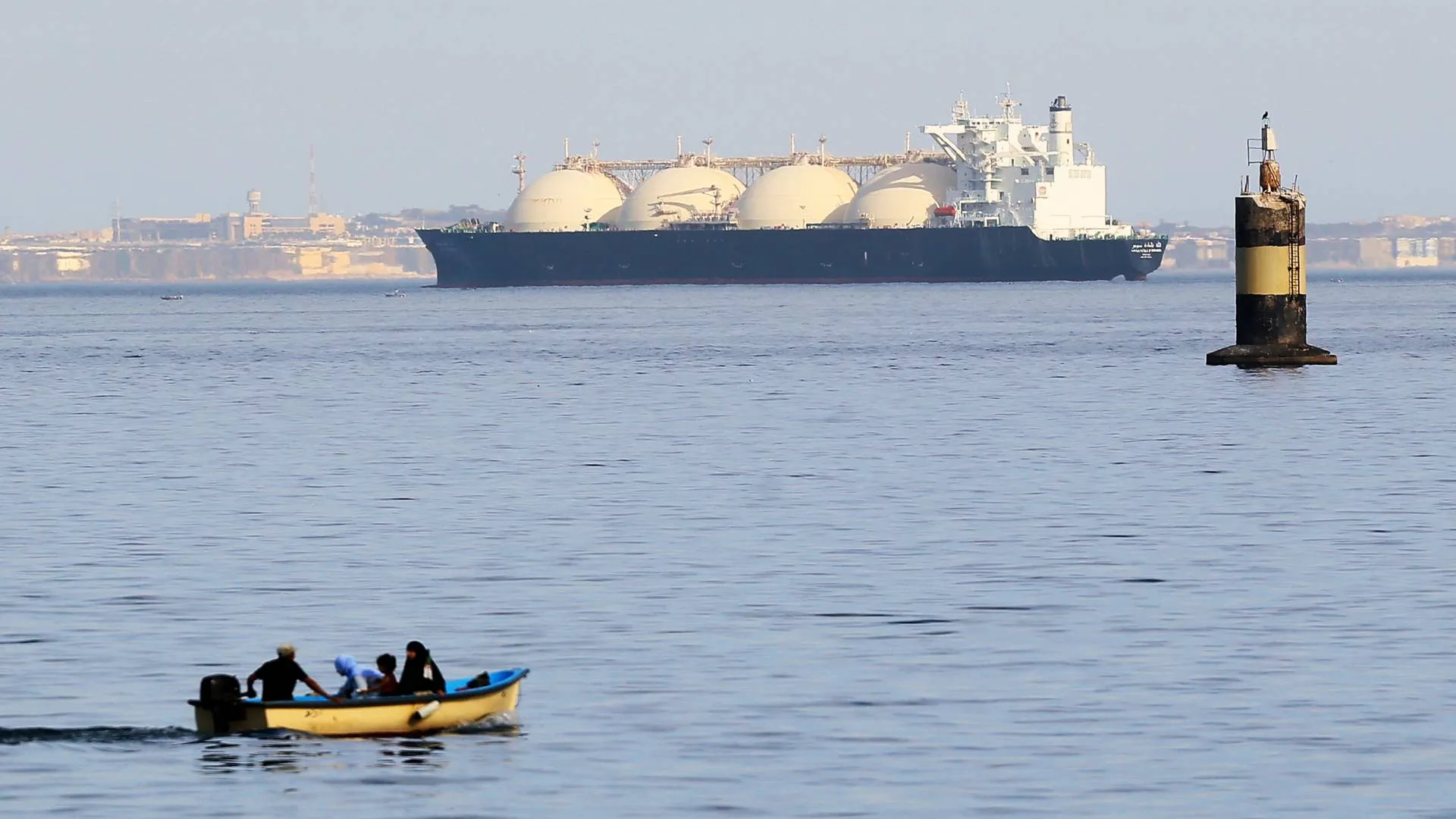
– Mandatory 500m safety zone during LNG carrier operations.
2. Compliance Requirements
2.1. Document Submission
– Ship Registry Certificate
– P&I Insurance Certificate
– ISPS Code Compliance Declaration
– Crew List (submitted 48h prior)
2.2. Environmental Compliance
– Zero discharge policy for bilge water (Japan’s Prevention of Marine Pollution Law).
– Sulfur content limit: 0.1% in ECA zones (per MARPOL Annex VI).
– Mandatory garbage segregation (5 categories).
2.3. Crew Requirements
– Valid STCW certifications for all operational crew.
– Minimum safe manning certificate must be displayed.
– Port-specific safety briefing required before cargo operations.
3. Enforcement Measures
3.1. Inspection Regime
– 100% inspection for vessels with high-risk flags (Tokyo MOU criteria).
– Random inspections for compliance with SOLAS Chapter XI-2.
– Port State Control may detain vessels with critical deficiencies.
3.2. Penalties
– Fine up to ¥3,000,000 for pollution violations (Article 55 of Port Regulations Law).
– Operational suspension for repeated safety violations (max 90 days).
– Criminal charges for deliberate non-compliance with navigation rules.
3.3. Emergency Protocols
– Immediate reporting to OPA Operations Center (+81-597-22-3111) for:
— Oil spills >100 liters
— Serious injuries/fatalities
— Navigation hazards
– Mandatory participation in annual port emergency drills.
4. Safety Provisions
4.1. Navigational Aids
– 2 leading lights (bearing 274° True) for main channel approach.
– Radar coverage by Mie Prefecture VTS (24/7 monitoring).
– Tide tables published quarterly (OPA Notice No.12 of 2023).
4.2. Fire Prevention
– Minimum 3 fire patrols daily for vessels carrying Class A cargo.
– Shore fire hydrants (50m spacing) with 2000kPa pressure.
– Mandatory fire drill within 24h of berthing.
4.3. Crew Welfare
– Designated safe access routes (OSHA-compliant gangways).
– Emergency medical support via Owase Municipal Hospital (15-minute response).
– Prohibition of hot work without permit (OPA Form W-7).
5. Cargo Operations
5.1. General Cargo Handling
– Maximum loading/unloading rate: 150 tons/hour (bulk), 20 containers/hour.
– Mandatory use of certified lifting gear (tested every 6 months).
– Hazardous cargo segregation as per IMDG Code Chapter 7.
5.2. Container Operations
– Strict adherence to CTU Code for stuffing/unstuffing.
– Verified Gross Mass (VGM) declaration required before loading.
– Refrigerated containers must have continuous power monitoring.
5.3. Bulk Cargo Precautions
– Dust suppression measures mandatory for coal/grain operations.
– Hatch cover integrity checks before rainfall.
– Prohibition of simultaneous loading/unloading on adjacent hatches.
6. Vessel Traffic Services
6.1. Reporting Procedures
– Initial report at 12nm from port entrance (ETA, cargo, defects).
– Final confirmation at pilot boarding area (Channel 12).
– Departure report 1 hour before sailing.
6.2. Pilotage Requirements
– Compulsory for vessels >200 GT or LOA >50m.
– Pilot ladder compliance with SOLAS Regulation V/23.
– Night operations require additional tug assistance.
6.3. Tug Assistance
– Minimum 2 tugs for vessels >20,000 DWT.
– Bollard pull requirements based on vessel size/wind conditions.
– Emergency tug on standby during adverse weather.
7. Port Security
7.1. ISPS Code Implementation
– Security Level 1: Standard screening of all persons/vehicles.
– Security Level 2: 100% cargo inspection + additional patrols.
– Restricted areas marked with red zone markings.
7.2. Access Control
– Biometric identification for all port workers.
– Vessel crew shore leave requires port-issued passes.
– 24/7 CCTV coverage of operational areas.
7.3. Anti-Piracy Measures
– Armed guards prohibited within port limits.
– Waterborne patrols during nighttime.
– Mandatory reporting of suspicious vessels to JCG.
8. Environmental Protection
8.1. Waste Management
– MARPOL Annex V compliant reception facilities.
– Separate bins for food waste, plastics, and operational waste.
– Oil record book inspections during PSC.
8.2. Air Quality Control
– Shore power connection mandatory for vessels berthing >2 hours.
– Real-time emissions monitoring at berths 1-6.
– Prohibition of visible smoke emissions (>Ringelmann 1).
8.3. Wildlife Protection
– Speed reduction zones near marine protected areas.
– Prohibition of garbage disposal within 12nm of port.
– Seasonal restrictions on ballast water exchange.
9. Emergency Response
9.1. Oil Spill Contingency
– Tier 1 response capability (50 ton capacity).
– Pre-positioned containment boom at strategic locations.
– Mandatory participation in annual OPRC drills.
9.2. Medical Emergencies
– First aid stations at 500m intervals along quays.
– Hyperbaric chamber available at Owase Medical Center.
– Helicopter medevac coordination through JCG.
9.3. Search and Rescue
– Joint response protocol with 5th Regional Coast Guard.
– Emergency towing vessels on 30-minute standby.
– Port closure procedures for typhoon conditions.
10. Port Fees and Charges
10.1. Vessel Dues
– Basic port dues: ¥150 per GT for first 24 hours, ¥75 per GT thereafter
– Wharfage fees: ¥3,200 per 20ft container, ¥4,800 per 40ft container
– Discounts available for eco-friendly vessels (EIAPP certified)
10.2. Service Charges
– Pilotage: ¥25,000 for vessels <10,000 GT, ¥35,000 for larger vessels
– Tug assistance: ¥45,000 per tug/hour (minimum 2 hours)
– Fresh water supply: ¥300 per ton (potable quality guaranteed)
10.3. Payment Procedures
– Prepayment required for vessels with no prior port call history
– Accepted currencies: JPY, USD (exchange rate fixed monthly)
– Electronic funds transfer preferred (SWIFT code: OWASJPJT)
11. Special Operations
11.1. Heavy Lift Handling
– Prior notice required for cargo >100 tons (72 hours minimum)
– Mandatory stability calculations submission
– Daylight operations only for loads exceeding 150 tons
11.2. Night Operations
– Additional 30% surcharge on all services
– Minimum lighting requirement: 200 lux at work areas
– Prohibited for certain hazardous cargo (Class 1.1-1.3)
11.3. Adverse Weather Protocols
– Operations cease when wind speed exceeds 15m/s
– Special mooring arrangements for typhoon conditions
– Port closure decision made by Harbor Master
12. Crew Services
12.1. Shore Leave
– Crew must carry valid ID and shore pass
– Curfew: 2300-0500 for non-officers
– Designated crew recreation areas in port vicinity
12.2. Provisions Supply
– Certified suppliers only (OPA approved list)
– Food safety standards compliance required
– 4-hour advance notice for fresh provisions
12.3. Crew Change Procedures
– Advance notification to Immigration Office (48 hours)
– Health declaration forms mandatory
– Designated crew change area at South Pier
13. Port Infrastructure
13.1. Berth Specifications
– Main Wharf: 300m LOA, depth -12m CD
– South Pier: 150m LOA, depth -8m CD
– Maximum air draft: 45m (tide dependent)
13.2. Cargo Handling Equipment
– 4 post-Panamax cranes (50 ton capacity)
– 12 rubber-tired gantry cranes
– Bulk handling system capacity: 2,000 tons/hour
13.3. Utilities Availability
– 440V/60Hz shore power at all berths
– Bunkering services (IFO 180/380, MGO)
– Potable water pressure: 3.5 bar minimum
14. Bunkering Operations
14.1. Fuel Quality Standards
– ISO 8217:2017 compliance mandatory for all marine fuels
– Maximum sulfur content: 0.1% in ECA zones
– Bunker Delivery Note must accompany all fuel deliveries
14.2. Operational Procedures
– Pre-bunkering meeting required (ship/terminal/supplier)
– Continuous monitoring during transfer operations
– Emergency shutdown system testing before commencement
14.3. Spill Prevention
– Double-hulled bunker barges required
– 100% containment boom deployment during operations
– SOPEP equipment verification prior to transfer
15. Ballast Water Management
15.1. Regulatory Compliance
– IMO Ballast Water Convention standards enforced
– Mandatory exchange outside 200nm from coast
– Treatment system approval certificates required
15.2. Reporting Requirements
– Ballast Water Reporting Form submission 24h before arrival
– Detailed records of treatment/exchange operations
– Port State Control inspections for compliance
15.3. Sediment Management
– Mandatory tank cleaning for vessels with excessive sediment
– Designated reception facilities available
– Prohibited discharge within port limits
16. Port State Control
16.1. Inspection Criteria
– Tokyo MOU inspection regime implementation
– Targeting factor system for high-risk vessels
– Concentrated Inspection Campaigns conducted biannually
16.2. Deficiency Rectification
– 14-day compliance period for minor deficiencies
– Immediate rectification required for major deficiencies
– Vessel detention for serious safety/environmental violations
16.3. Appeal Process
– Formal objection to be filed within 24 hours
– Independent review by MSA regional office
– Final determination within 72 hours
17. Customs Procedures
17.1. Clearance Requirements
– Electronic manifest submission 48h before arrival
– Original ship’s papers presentation upon request
– Crew personal effects declaration mandatory
17.2. Restricted Items
– Strict prohibition of firearms/ammunition
– Controlled medicines require special permits
– CITES-protected species documentation verification
17.3. Temporary Imports
– Bonded storage facilities available
– Maximum 30-day storage period
– Customs supervision required for sensitive cargo
18. Ship Repair Services
18.1. Approved Facilities
– Class NK certified repair yard within port area
– Maximum dry dock capacity: 20,000 DWT vessels
– Specialized electrical/mechanical workshops available
18.2. Work Permit System
– Hot work permits issued after safety inspection
– Confined space entry requires gas-free certificate
– Night work restrictions for certain repair activities
18.3. Quality Assurance
– Welding procedures must meet IACS standards
– Non-destructive testing reports required for critical repairs
– Final inspection by classification society surveyor
19. Port Communication Protocols
19.1. VHF Channels
– Port Operations: Channel 12 (24/7 monitoring)
– Pilotage: Channel 09 (working frequency)
– Emergency: Channel 16 (distress calls only)
19.2. Digital Reporting
– Electronic Notice of Arrival (eNOA) system mandatory
– Web-based port clearance application process
– Automated berth booking platform available
19.3. Linguistic Requirements
– English as primary working language
– Japanese port terminology guide provided
– Mandatory bilingual signage in operational areas
20. Ice Navigation Provisions
20.1. Winter Operations
– Icebreaker assistance available December-March
– Special hull strengthening requirements
– Reduced port dues for ice-class vessels
20.2. Cold Weather Precautions
– Anti-icing systems for cargo handling equipment
– Temperature-sensitive cargo storage protocols
– Emergency heating shelters for dock workers
20.3. Ice Monitoring
– Daily ice condition reports issued
– Radar ice mapping for approach channels
– Tidal current monitoring to prevent ice accumulation
21. Port Safety Management
21.1. Accident Reporting
– Immediate notification for all incidents
– Detailed investigation reports within 72 hours
– Safety alerts issued for preventable incidents
21.2. Personal Protective Equipment
– Mandatory high-visibility vests in operational areas
– Fall protection for work above 2 meters
– Gas detectors required in enclosed spaces
21.3. Safety Training
– Monthly emergency drills for port workers
– Ship/Shore Interface courses for terminal staff
– Annual refresher training on new regulations
22. Dangerous Goods Handling
22.1. Classification and Documentation
– IMDG Code classification mandatory for all hazardous materials
– Dangerous cargo manifest required 48 hours prior to arrival
– Special stowage requirements for Class 1 (explosives) and Class 7 (radioactive) materials
22.2. Storage Facilities
– Dedicated explosive magazines (Class 1) with 24/7 monitoring
– Temperature-controlled storage for Class 4.1 (flammable solids)
– Isolated containment areas for Class 8 (corrosive) materials
22.3. Emergency Response
– Specialized HAZMAT team on 15-minute standby
– Radiation detection equipment at all hazardous cargo berths
– Mandatory emergency drills every 3 months for dangerous goods handlers
23. Port Entry/Exit Procedures
23.1. Arrival Formalities
– Master’s declaration submission to customs and immigration
– Crew passport verification by port authorities
– Ship’s stores declaration for customs clearance
23.2. Departure Clearance
– Port clearance certificate issued after all fees paid
– Outward manifest submission 6 hours before sailing
– Final inspection by port state control officers
23.3. Special Circumstances
– Quarantine procedures for vessels from infected areas
– Armed guard disembarkation protocols
– War risk area declarations and inspections
24. Marine Pollution Prevention
24.1. Oil Pollution Control
– Double valve segregation on all bunker lines
– Oil spill detection sensors at all transfer points
– Mandatory use of drip trays for engine work
24.2. Sewage Management
– No discharge policy within 12nm of port
– Approved MARPOL Annex IV treatment systems required
– Port reception facilities available for sludge disposal
24.3. Anti-Fouling Measures
– TBT-free hull coatings mandatory
– Underwater cleaning requires prior environmental approval
– Hull cleaning waste must be properly contained and disposed
25. Port Working Hours
25.1. Standard Operations
– Main gates open 0600-2200 daily
– Administrative offices 0830-1730 (Mon-Fri)
– Customs clearance available 24/7 with prior arrangement
25.2. Holiday Schedule
– Reduced operations on national holidays (15 days/year)
– Emergency services maintain 24/7 coverage
– Special permission required for weekend operations
25.3. Overtime Arrangements
– 150% normal rate for work outside standard hours
– Minimum 4-hour call-out fee applies
– Advance notice required for night/weekend work
26. Port Navigation Aids
26.1. Channel Markings
– IALA Buoyage System A implementation
– LED lighting on all primary channel markers
– Radar reflectors on critical navigation buoys
26.2. Dredging Operations
– Annual maintenance dredging (March-April)
– Real-time depth monitoring system
– Notice to Mariners issued for depth changes
26.3. Tidal Information
– Real-time tide gauges at port entrance
– Predicted tidal streams published daily
– Special notices for spring tide conditions
27. Port Health Services
27.1. Medical Facilities
– Port clinic with emergency treatment capability
– 24/7 telemedicine consultation available
– Designated infectious disease isolation area
27.2. Sanitation Control
– Ship sanitation certificates verified on arrival
– Vector control measures in cargo areas
– Food safety inspections for provision suppliers
27.3. Pandemic Protocols
– Thermal screening at all entry points
– Emergency quarantine berths available
– Contact tracing system for port visitors
28. Port Legal Framework
28.1. Jurisdictional Authority
– Port Act 2018 governs all operations
– Maritime Safety Agency enforcement powers
– Local port regulations posted at all terminals
28.2. Dispute Resolution
– Mandatory mediation for commercial disputes
– Arbitration panel for technical disagreements
– Maritime court for serious violations
28.3. Insurance Requirements
– Minimum P&I coverage $500 million
– Port liability insurance for all operators
– Cargo damage claims processed within 30 days
29. Port Technology Systems
29.1. Vessel Tracking
– AIS coverage for entire port area
– Radar tracking of all vessel movements
– Automated collision avoidance alerts
29.2. Cargo Monitoring
– RFID tagging for all containers
– Weight verification systems at gates
– Automated damage detection cameras
29.3. Data Security
– Encrypted port community system
– Two-factor authentication for all users
– Regular cybersecurity audits
30. Port Security Measures
30.1. Access Control
– Biometric identification for all port personnel
– Automated vehicle license plate recognition
– Restricted areas with motion detection sensors
30.2. Surveillance Systems
– 360° CCTV coverage with 30-day recording
– Night vision cameras in high-security zones
– AI-powered suspicious activity detection
30.3. ISPS Compliance
– Security Level 1: Standard operating procedures
– Security Level 2: Additional screening measures
– Security Level 3: Full port lockdown protocol
31. Port Environmental Policies
31.1. Air Quality Control
– Shore power connections to reduce emissions
– Real-time air monitoring stations
– Incentives for low-emission vessels
31.2. Noise Abatement
– Nighttime noise restrictions (55 dB limit)
– Acoustic barriers around residential areas
– Electric equipment preferred for night operations
31.3. Wildlife Protection
– Marine mammal observation protocols
– Seasonal restrictions for migratory birds
– Oil spill response plans for sensitive habitats
32. Port Emergency Services
32.1. Firefighting Capabilities
– Foam and CO2 systems at all berths
– Fireboats with 10,000 L/min capacity
– Mutual aid agreements with city fire department
32.2. Search and Rescue
– Dedicated SAR team on 5-minute standby
– Helicopter landing zone at port command center
– Underwater recovery equipment available
32.3. Disaster Preparedness
– Tsunami evacuation routes clearly marked
– Earthquake-resistant infrastructure standards
– Annual full-scale emergency exercises
33. Port Business Services
33.1. Shipping Agencies
– List of approved shipping agents available
– Minimum service standards enforced
– Electronic power of attorney system
33.2. Financial Services
– On-site banking facilities
– Electronic payment systems integration
– Currency exchange services
33.3. Logistics Support
– Customs brokerage services
– Freight forwarding options
– Warehousing and distribution solutions
34. Vessel Traffic Management
34.1. Traffic Separation Schemes
– Mandatory adherence to designated shipping lanes
– Speed restrictions in congested areas
– Automated vessel sequencing system
34.2. Pilotage Requirements
– Compulsory pilotage for vessels >10,000 GT
– Pilot boarding areas clearly marked
– Emergency pilot transfer procedures
34.3. Anchorage Regulations
– Designated anchorage areas with depth charts
– Maximum stay duration: 72 hours
– Prohibited anchoring zones enforced
35. Port Tariff Structure
35.1. Vessel Charges
– Tonnage-based port dues calculation
– Discounts for environmentally-friendly vessels
– Overtime charges for extended stays
35.2. Cargo Handling Fees
– Standardized tariff for all cargo types
– Special rates for bulk commodities
– Container demurrage after 5 free days
35.3. Utility Services
– Fresh water supply metered billing
– Waste disposal fees by volume/type
– Electricity connection charges
36. Port Community System
36.1. User Registration
– Mandatory for all port users
– Role-based access permissions
– Annual revalidation required
36.2. Data Exchange Standards
– UN/EDIFACT message formats
– API integration options
– Real-time status updates
36.3. System Availability
– 99.9% uptime guarantee
– Scheduled maintenance windows
– Disaster recovery protocols
37. Port Infrastructure
37.1. Berth Specifications
– Maximum LOA: 400m
– Maximum draft: 18m
– Bollard capacity: 100-250t
37.2. Cargo Handling Equipment
– Post-Panamax cranes available
– Automated stacking yards
– Specialized heavy lift capability
37.3. Storage Facilities
– 500,000 TEU container capacity
– Temperature-controlled warehouses
– Bonded storage areas
38. Port Customs Procedures
38.1. Clearance Process
– Electronic customs declaration mandatory
– Average clearance time: 2 hours for standard shipments
– Priority clearance available for perishables
38.2. Inspection Protocols
– Risk-based selection for physical inspections
– Non-intrusive scanning for containers
– Certified laboratories for sample testing
38.3. Duty Management
– Online duty payment system
– Temporary admission procedures
– Bonded warehouse facilities
39. Port Meteorological Services
39.1. Weather Monitoring
– Real-time weather station network
– Storm warning system with 12-hour lead time
– Wave height and current monitoring
39.2. Visibility Conditions
– Fog detection system with automatic alerts
– Pilotage suspension criteria
– Radar-assisted navigation during low visibility
39.3. Wind Restrictions
– Beaufort scale operational limits
– Mooring line tension monitoring
– Special procedures for high-wind conditions
40. Port Bunkering Services
40.1. Fuel Types Available
– MGO (0.1% sulfur)
– VLSFO (0.5% sulfur)
– LNG bunkering capability
40.2. Bunkering Procedures
– Advance notice required: 48 hours
– Mass flow metering system
– Simultaneous operations protocol
40.3. Quality Assurance
– ISO 8217 compliance
– Fuel sampling procedures
– Dispute resolution mechanism
41. Port Waste Management
41.1. Reception Facilities
– MARPOL-compliant waste reception
– Segregated waste collection points
– Hazardous waste treatment center
41.2. Recycling Programs
– Oil-water separation system
– Plastics recycling initiative
– Food waste composting
41.3. Waste Tracking
– Digital waste manifests
– Waste disposal certificates
– Annual environmental reporting
42. Port Ship Repair Services
42.1. Dry Dock Facilities
– Panamax-sized graving dock available
– Floating dock capacity: 50,000 DWT
– Hull cleaning and painting services
42.2. Technical Services
– Engine repair specialists on-site
– Electrical and electronic systems maintenance
– Propeller polishing and balancing
42.3. Emergency Repairs
– 24/7 emergency response team
– Mobile repair units for critical systems
– Approved spare parts inventory
43. Port Communications
43.1. VHF Channels
– Channel 16: Emergency and calling
– Channel 12: Port operations
– Channel 14: Vessel traffic service
43.2. Digital Communication
– Port-wide WiFi coverage
– Secure email system for official correspondence
– Mobile app for real-time updates
43.3. Language Requirements
– English as working language
– Multilingual support available
– Standard marine communication phrases
44. Port Ice Navigation
44.1. Icebreaking Services
– Icebreaker escort available November-March
– Ice class requirements for winter operations
– Ice convoy system for severe conditions
44.2. Winter Navigation Aids
– Heated buoys in critical areas
– Ice radar coverage of approaches
– Daily ice condition reports
44.3. Cold Weather Precautions
– Anti-icing systems on cranes
– Winterized mooring equipment
– Special procedures for sub-zero temperatures
45. Port Passenger Services
45.1. Cruise Terminal Facilities
– Dedicated cruise berths with passenger bridges
– Baggage handling system
– Customs and immigration processing center
45.2. Ferry Operations
– Scheduled ferry services timetable
– Vehicle loading procedures
– Passenger safety briefings
45.3. Special Needs Assistance
– Wheelchair accessible facilities
– Multilingual information services
– Medical support for passengers
46. Port Dangerous Goods Handling
46.1. Classification System
– IMDG Code compliance mandatory
– Segregated storage areas by hazard class
– Specialized handling equipment available
46.2. Documentation Requirements
– Dangerous goods declaration forms
– Emergency response information sheets
– Verified container packing certificates
46.3. Emergency Preparedness
– Dedicated hazmat response team
– Containment booms on standby
– Decontamination stations
47. Port Supply Services
47.1. Provisions Supply
– Certified food suppliers
– Potable water testing standards
– Medical supplies availability
47.2. Technical Stores
– Marine equipment suppliers
– Engine spare parts inventory
– Paint and chemical suppliers
47.3. Crew Services
– Crew change facilities
– Transportation arrangements
– Shore leave information
48. Port Performance Metrics
48.1. Operational Efficiency
– Average vessel turnaround time
– Crane moves per hour
– Gate processing times
48.2. Safety Statistics
– Lost time injury frequency rate
– Pollution incident records
– Near-miss reporting system
48.3. Customer Satisfaction
– Quarterly service surveys
– Complaint resolution process
– Service level agreements
49. Port Innovation Initiatives
49.1. Smart Port Technologies
– Blockchain for documentation
– AI-powered traffic optimization
– Automated guided vehicles
49.2. Sustainability Projects
– Shore power expansion
– Hydrogen fuel pilot program
– Solar panel installations
49.3. Research Partnerships
– University collaborations
– Technology incubator program
– Industry working groups
50. Port Navigation Aids
50.1. Lighting Systems
– Sector lights for channel navigation
– LED lighting for energy efficiency
– Emergency backup power for all navigational lights
50.2. Buoyage System
– IALA Region A compliant buoyage
– Solar-powered buoys with telemetry
– Winter ice-resistant buoys
50.3. Electronic Navigation
– Differential GPS coverage
– AIS base station network
– Real-time tidal information system
51. Port Labor Services
51.1. Stevedoring Operations
– Certified stevedore companies
– Specialized cargo handling teams
– 24/7 labor availability
51.2. Training Standards
– Mandatory safety certifications
– Equipment-specific competency training
– Annual refresher courses
51.3. Labor Relations
– Collective bargaining agreements
– Dispute resolution procedures
– Productivity incentive programs
52. Port Insurance Requirements
52.1. Vessel Coverage
– Minimum P&I club requirements
– Hull and machinery insurance
– Pollution liability coverage
52.2. Cargo Insurance
– All-risk policy options
– Special coverage for valuables
– Claims processing procedures
52.3. Port Liability
– Port operator’s indemnity limits
– Third-party liability provisions
– Incident investigation protocols
53. Port Public Relations
53.1. Community Engagement
– Port open days and tours
– School education programs
– Neighborhood liaison committee
53.2. Media Relations
– Press office contacts
– Port development updates
– Emergency communications plan
53.3. Stakeholder Reporting
– Annual sustainability report
– Economic impact studies
– Port performance dashboard