1. Port Rules and Regulations
1.1. Navigation Rules: Vessels entering Reihoku Port must comply with the Japan Coast Guard’s “Regulations for Preventing Collisions at Sea” (1972 COLREGs) and local traffic separation schemes. Speed limits within port waters are strictly enforced (max 8 knots in inner harbor, 12 knots in approach channels).
1.2. Anchorage Regulations: Designated anchorage areas (Zone A: 32°28’N, 130°02’E; Zone B: 32°27’N, 130°03’E) require prior permission via VHF Ch.16. Anchoring outside these zones is prohibited due to submarine cable areas.
1.3. Dangerous Cargo Handling: IMDG Code (2022 Edition) applies for all hazardous materials. Special berths (No.5-7) with fire-resistant infrastructure are mandatory for Class 1 explosives and Class 2.1 flammable gases.
1.4. Waste Disposal: MARPOL Annex V compliance is strictly monitored. Plastic discharge is absolutely prohibited. Port reception facilities at Pier 3 operate 24/7 with mandatory pre-arrival notification via JP-Marpol system.
2. Compliance Requirements
2.1. Documentation: Vessels must present valid certificates (including ISM, ISPS, PSC) to Port State Control officers within 1 hour of berthing. Electronic submission through Japan MOL’s “e-Ships” system is accepted.
2.2. Crew Requirements: Minimum safe manning certificate must align with Japan’s Ordinance No.55 of 2005. All crew engaged in cargo operations require Japan-approved safety training certificates.
2.3. Equipment Standards: Life-saving appliances must meet SOLAS Chapter III requirements with additional local mandate for immersion suits (1 per crew) during November-March period.
3. Enforcement Measures
3.1. Inspection Regime: Random inspections cover 100% of vessels carrying dangerous goods and 20% of other vessels. Japan Coast Guard utilizes mobile X-ray scanners for container checks.
3.2. Penalties: Non-compliance fines range from ¥200,000 (minor violations) to ¥5,000,000 (major safety breaches). Repeat offenders face port entry restrictions (30-day minimum for 3 violations within 12 months).
3.3. Detention Criteria: Immediate detention applies for critical deficiencies including malfunctioning VDR, insufficient fire pumps, or expired lifesaving equipment.
4. Safety Protocols
4.1. Emergency Response: Mandatory participation in quarterly port-wide drills (fire, oil spill, SAR) coordinated by Reihoku Port Authority. Vessels must maintain emergency towing gear per Japan’s “Guidelines for Emergency Towing” (2019).
4.2. Weather Restrictions: Port closes when sustained winds exceed 25m/s or wave height surpasses 4m at breakwater monitoring station (JMA certified data).
4.3. Pilotage Requirements: Compulsory for vessels >10,000 GT or LOA >150m. Two pilots required for VLCCs (>200,000 DWT) during night operations (2000-0600).
5. Operational Directives
5.1. Bunkering Procedures: Advance notification 48 hours prior via “Japan Bunker Reporting System”. Continuous oxygen monitoring required during operations with alarms set at 19.5% LEL.
5.2. Cargo Operations: Gantry crane operations cease when wind exceeds 15m/s. Container lashing must follow Japan’s “Cargo Securing Manual Approval Guidelines” (MLIT Notice No.529).
5.3. Radio Communications: Continuous watch on VHF Ch.12 (Port Operations) and Ch.16. Digital selective calling (DSC) equipment must be tested daily with records kept.
6. Environmental Protection
6.1. Air Emissions: Vessels at berth must use low-sulfur fuel (max 0.1% sulfur content) or approved equivalent measures as per Japan’s Air Pollution Control Act. Continuous emissions monitoring required for vessels >5,000 GT.
6.2. Ballast Water Management: Compliance with Japan’s amended Ship Safety Act (2023) requiring D-2 standard or approved treatment systems. Mandatory reporting 24 hours before arrival using BWM reporting form J-12.
6.3. Anti-fouling Systems: Prohibition of TBT-based paints enforced through hull inspections. Vessels must carry valid International Anti-fouling System Certificate.
7. Security Requirements
7.1. ISPS Compliance: Declaration of Security (DoS) required for all vessels from countries on Japan’s enhanced security list. Gangway watch must include armed guards when threat level exceeds Phase 2.
7.2. Restricted Areas: Absolute prohibition of photography within 200m of designated secure zones (marked by yellow/black striped barriers). Unauthorized access carries penalties under Japan’s Special Criminal Act Article 129.
7.3. Cyber Security: Mandatory network segmentation between operational and administrative systems. Critical systems must have Japan Class NK certified intrusion detection.
8. Special Cargo Provisions
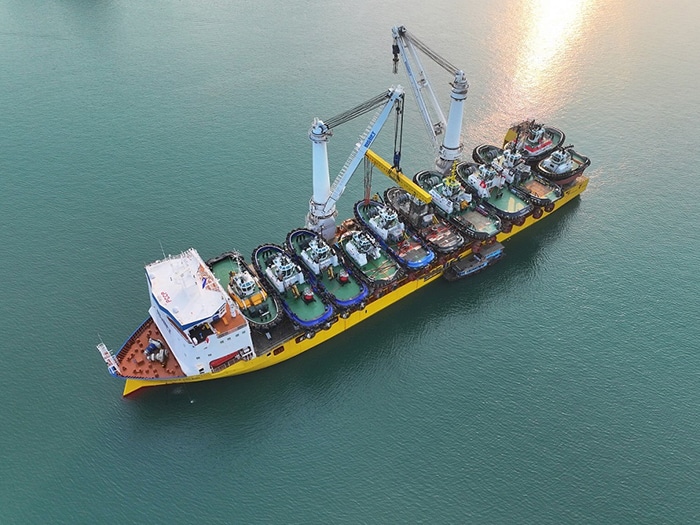
8.1. Oversized Cargo: Advance notice 14 days prior for items exceeding 12m width or 5m height. Escort tugs required for movements between 0600-1800 only.
8.2. Cold Chain Cargo: Temperature-controlled storage verification every 4 hours with Japan MHLW-approved data loggers. Power failure contingency plans must be filed 72 hours pre-arrival.
8.3. Livestock Transport: Veterinary inspection certificates must bear original stamps from exporting country’s competent authority. Minimum ventilation rates of 20 air changes/hour enforced.
9. Port Services
9.1. Tug Assistance: Minimum bollard pull requirements based on vessel size (e.g., 60t for 50,000 DWT vessels). Tug connection points must comply with OCIMF standards.
9.2. Fresh Water Supply: Potable water testing certificates required before connection. Backflow prevention devices must be Japan Water Works Association certified.
9.3. Sludge Disposal: Only licensed contractors may handle sludge removal. Real-time quantity tracking through Japan’s Waste Management Tracking System (W-MTS).
10. Crew Welfare
10.1. Shore Leave: Crew change permitted with valid seaman’s book and immigration clearance. Medical quarantine applies for vessels from specific disease-endemic regions (updated monthly by MHLW).
10.2. Provisions Delivery: All food suppliers must possess Japan Food Sanitation Act certification. Temperature-controlled transport mandatory for perishables.
10.3. Medical Facilities: Designated port clinic (open 0800-2000) with hyperbaric chamber availability. Emergency contact: Reihoku Port Control +81-96-XXX-XXXX (24/7).
11. Vessel Traffic Management
11.1. VTS Requirements: Mandatory AIS transmission for all vessels over 300 GT within port limits. Speed and course deviations exceeding 15% require immediate VHF Ch.12 notification.
11.2. Reporting Points: Vessels must report at designated positions (Waypoint Alpha: 32°30’N, 130°05’E; Waypoint Bravo: 32°28’N, 130°03’E) with ETA updates every 30 minutes during approach.
11.3. Night Navigation: Additional navigation lights required when transiting the western channel between sunset and sunrise (two all-round red lights at masthead level).
12. Port Infrastructure Specifications
12.1. Berth Capacities: Maximum allowable drafts – North Terminal: 16.5m; South Terminal: 14.2m. Bollard capacities clearly marked with color-coded signage (red: 100t SWL, yellow: 75t SWL).
12.2. Mooring Arrangements: Mediterranean mooring prohibited at all berths. Minimum 8 lines required for vessels over 200m LOA, with synthetic lines requiring prior approval.
12.3. Fender Systems: Continuous monitoring of fender pressure sensors during berthing operations. Impact forces exceeding 200 kN/m² trigger automatic alarm to Port Control.
13. Hazardous Weather Procedures
13.1. Typhoon Preparedness: Mandatory double mooring when typhoon signal No. 8 is issued. Emergency generators must be tested and operational.
13.2. Tsunami Protocols: Immediate departure required upon JMA Tsunami Warning (expected height >1m). Designated deep-water holding areas published in Port Emergency Manual Appendix C.
13.3. Winter Operations: Ice accumulation exceeding 5cm on decks requires professional de-icing before cargo operations. Special anti-slip measures mandatory on all access ways.
14. Customs and Immigration
14.1. Pre-arrival Documentation: Electronic submission of cargo manifests required 24 hours prior via NACCS system. Physical copies must bear original stamps.
14.2. Crew Documentation: Seafarer’s identity documents verification through Japan’s e-Crew system. Biometric fingerprinting required for all crew members during first visit.
14.3. Restricted Items: Absolute prohibition of drone operations without Ministry of Defense permit. Satellite phones require separate registration with MIC.
15. Incident Reporting
15.1. Pollution Events: Immediate notification required for any spill exceeding 100 liters using Japan’s Marine Pollution Reporting Format (JMP-5). Containment equipment deployment within 30 minutes mandatory.
15.2. Workplace Accidents: Formal report to Japan Labor Standards Office within 1 hour for incidents requiring medical treatment. Investigation team must include certified safety officer.
15.3. Navigation Incidents: Grounding or collision reports must include VDR data extract and signed witness statements from all bridge personnel.
16. Bunkering and Fuel Regulations
16.1. Fuel Quality Standards: Mandatory ISO 8217:2017 compliance with additional Japan-specific testing for catalytic fines (max 15 ppm). Bunker delivery notes must include Japan MOL-approved laboratory results.
16.2. Bunker Sampling: Continuous drip sampling required throughout operation with quadruplicate samples (vessel, supplier, port authority, and independent tester).
16.3. Emergency Cut-off: Remotely operated fuel valve shutdown systems required at all bunker stations, tested quarterly with records maintained for 3 years.
17. Port Entry/Exit Procedures
17.1. Arrival Clearance: Vessels must display correct flag state and port of registry markings. Incorrect markings result in mandatory repainting before entry.
17.2. Departure Requirements: Final cargo documentation verification at Customs Office Bldg. 2 (open 0600-2200). Outbound clearance certificates valid for 6 hours only.
17.3. Special Permits: Military, research, or nuclear vessels require 30-day advance notice with full security details submitted to Japan Coast Guard HQ.
18. Cargo Handling Equipment
18.1. Certification Standards: All shore cranes must display current Japan MLIT inspection stickers (annual certification). Load testing at 110% SWL required after major repairs.
18.2. Container Handling: Twin-lift operations restricted to winds below 12 m/s. Spreaders must undergo magnetic particle testing every 500 lifts.
18.3. Bulk Handling: Dust suppression systems mandatory for all dry bulk operations with real-time PM2.5 monitoring displayed at operator stations.
19. Radioactive Materials Handling
19.1. Special Berthing: Exclusive use of North Terminal Berth 9 with 500m exclusion zone. Continuous radiation monitoring with alarms set at 0.5 μSv/h above background.
19.2. Documentation: Triple-signed transport documents required (shipper, carrier, Japan Nuclear Regulation Authority). Emergency response plans must be physically aboard.
19.3. Escort Requirements: Japan Coast Guard armed escort mandatory during all movements within port limits with advance notice of 72 working hours.
20. Port Charges and Fees
20.1. Calculation Basis: Tonnage fees based on GT using Japan’s modified calculation method (30% reduction for vessels with approved ballast water systems).
20.2. Waste Fees: Sliding scale charges for waste disposal (¥5,000-¥50,000 per m³) based on waste type and treatment method.
20.3. Overtime Charges: 150% normal rate for operations between 2200-0600 and 200% on national holidays (Japan’s Labor Standards Act Article 37).
21. Vessel Inspection Protocols
21.1. Pre-arrival Screening: Vessels with 3+ deficiencies in last 12 months undergo full inspection. Electronic submission of previous 3 PSC reports required via Tokyo MOU database.
21.2. Hull Inspection: Underwater hull cleaning records must show compliance with Japan’s Invasive Species Act (2017). Biofouling exceeding 5% coverage requires drydock cleaning.
21.3. Machinery Checks: Main engine NOx Technical File verification against IAPP Certificate for vessels constructed after 2000. Random smoke opacity tests conducted during stay.
22. Dangerous Goods Storage
22.1. Segregation Requirements: IMDG Class 1 explosives stored minimum 200m from Class 2.1 gases. Storage compounds have concrete blast walls (1m thickness minimum).
22.2. Temperature Control: Refrigerated dangerous goods maintained at manufacturer-specified temps with 24/7 monitoring and backup power supply.
22.3. Security Measures: Class 1 and 2.3 materials require armed guards with direct line to Reihoku Police HQ. Motion sensors and thermal cameras mandatory.
23. Emergency Equipment Standards
23.1. Firefighting Systems: All berths equipped with foam monitors (minimum 5,000 l/min capacity) and dry chemical units for metal fires. Monthly flow tests documented.
23.2. Rescue Boats: Port-operated rescue vessels maintain constant readiness (5-minute deployment capability) with night vision and thermal imaging systems.
23.3. Medical Kits: ISO 22188:2006 compliant marine medical kits required at all work sites. Automated external defibrillators placed every 200m along quays.
24. Port Access Control
24.1. Identification Systems: Biometric palm vein scanners at all entry points linked to Japan’s Immigration Bureau database. Temporary passes valid for 8 hours maximum.
24.2. Vehicle Checks: All delivery vehicles undergo X-ray scanning and explosive trace detection. Hazardous material transporters require escort within port.
24.3. Waterborne Access: Security patrol boats monitor 500m exclusion zone around commercial vessels. Unauthorized craft intercepted immediately.
25. Special Operational Conditions
25.1. Night Operations: Additional lighting required (minimum 500 lux at work areas). Cargo operations cease during heavy rain (>50mm/hr) or lightning within 5km.
25.2. High Wind Procedures: When sustained winds exceed 15m/s, container gantries automatically lock and bulk operations switch to enclosed systems.
25.3. Low Visibility: Pilotage mandatory when visibility drops below 500m. VHF Channel 14 becomes primary communication channel during fog conditions.
26. Vessel Manning Requirements
26.1. Minimum Bridge Team: At least 2 licensed officers required on bridge during port entry/exit, with 1 officer holding Japan-specific pilotage endorsement for complex maneuvers.
26.2. Engine Room Watch: Continuous manned operation when berthed, with chief engineer or first assistant present during all cargo operations involving hazardous materials.
26.3. Language Proficiency: Deck officers must demonstrate JLPT N4 level Japanese or higher for effective VHF communication, verified through port authority testing.
27. Cargo Documentation
27.1. Hazardous Declarations: Separate Japan-specific Dangerous Goods Declaration form (J-DGD) required in addition to standard IMO documents, with exact chemical compositions disclosed.
27.2. Weight Verification: All containers subject to mandatory weighbridge checking with tolerance of ±2% from declared mass. Misdeclaration penalties start at ¥500,000 per container.
27.3. Agricultural Inspections: Phytosanitary certificates must bear original ink stamps and include treatment method details (fumigation certificates valid for 14 days only).
28. Port Safety Zones
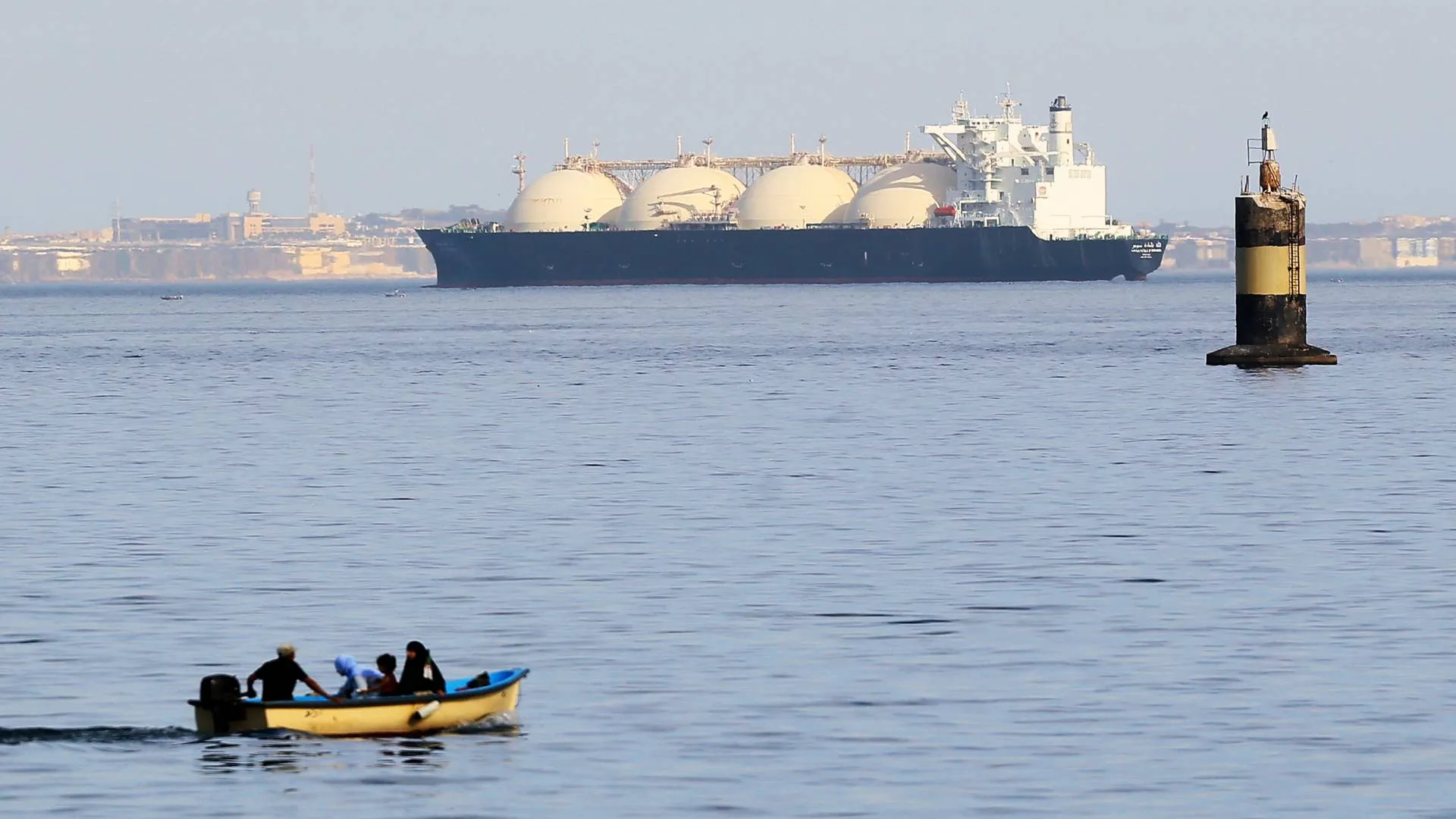
28.1. Exclusion Areas: 100m radius around LNG carriers during transfer operations marked by floating barriers with automatic gas detection systems.
28.2. Work Permits: Hot work within 50m of cargo areas requires Port Fire Chief approval after gas-free certification by licensed surveyor.
28.3. Emergency Assembly: Designated muster stations every 300m along quays with bilingual (Japanese/English) evacuation route maps updated quarterly.
29. Vessel Repair Regulations
29.1. Dry Dock Requirements: Only Japan Class NK-approved facilities permitted for structural repairs. Welding procedures must be pre-approved for specific vessel steels.
29.2. Underwater Work: Divers must hold Japan Maritime Bureau certification with daily decompression logs submitted to port medical officer.
29.3. Waste Management: All repair waste categorized and weighed before disposal using Japan’s Industrial Waste Tracking System (J-MANIFEST).
30. Port Communication Systems
30.1. Primary Channels: VHF Ch.16 (distress), Ch.12 (port operations), Ch.09 (pilotage) monitored 24/7 with digital recording retained for 90 days.
30.2. Backup Systems: Redundant fiber-optic network connects all critical facilities with 2-hour UPS backup at control center.
30.3. Emergency Broadcast: Automated tsunami/typhoon warnings transmitted via VHF, SMS to registered vessels, and visual strobe signals at 1-minute intervals.
31. Navigation Equipment Standards
31.1. Bridge Systems: All vessels over 500 GT must maintain ECDIS with Japan ENC coverage updated within last 28 days. Backup paper charts required for approaches.
31.2. Radar Requirements: Dual X-band radars with automatic target tracking (minimum 96 targets) for vessels exceeding 10,000 DWT. Performance verified during annual surveys.
31.3. AIS Transponders: Class A units mandatory with static and voyage data verified against submitted documents. Tamper-proof seals inspected during port state control.
32. Port Lighting Specifications
32.1. Berth Illumination: Minimum maintained illuminance of 200 lux at working areas with emergency lighting providing 50 lux for safe evacuation routes.
32.2. Navigational Aids: Leading lights aligned every 500m with luminous intensity >1000 candela. Backup power supplies tested weekly.
32.3. Hazard Lighting: Rotating red beacons (12 flashes/minute) installed at all bunker stations and hazardous cargo zones, visible from 2 nautical miles.
33. Waste Reception Facilities
33.1. Oily Waste: Dedicated reception barges with 500m³ capacity available on 24-hour notice. Mandatory use of closed transfer systems with vapor recovery.
33.2. Sewage Handling: Port-operated treatment plant meets Japan’s Effluent Standard (BOD <20 mg/L). Discharge records maintained for 5 years.
33.3. Solid Waste: Segregated compactors for food, plastic, and operational waste. Incineration facility available for approved combustible materials.
34. Vessel Speed Limits
34.1. Approach Channels: Maximum 8 knots within 2nm of port entrance, reducing to 5 knots in inner channel. Wash monitoring cameras enforce compliance.
34.2. Maneuvering Areas: 3-knot limit within 200m of berths or moored vessels. Tug-assisted turns exempt during adverse conditions.
34.3. Special Zones: 4-knot speed restriction in cetacean migration corridors (March-June) monitored by hydrophone arrays.
35. Port Meteorological Services
35.1. Real-time Data: Automated weather stations update wind, visibility and sea state every 6 minutes on port website and VHF Ch.67.
35.2. Storm Warnings: JMA typhoon advisories broadcast via dedicated radio channel (162.550 MHz) with visual signal flags at control tower.
35.3. Current Predictions: Tidal stream atlases available for pilotage planning with real-time ADCP data from channel monitoring system.
36. Ballast Water Management
36.1. Treatment Standards: All vessels must use IMO-approved ballast water treatment systems with Japan Type Approval certification. Discharge standards: <10 viable organisms per m³ for >50µm organisms.
36.2. Sampling Protocol: Mandatory port-state control sampling at first Japanese port of call. Three replicate samples taken from different ballast tanks for microscopic analysis.
36.3. Reporting Requirements: Electronic submission of Ballast Water Reporting Form (J-BWRF) 24 hours prior to arrival, including treatment system operational records.
37. Port Security Levels
37.1. MARSEC Implementation: Three-tier security system aligned with ISPS Code. Level 2 activates when:
- VIP visits occur
- TSA threat level elevated
- Major international events nearby
37.2. Access Restrictions: MARSEC Level 3 prohibits all non-essential personnel within 300m of cruise terminals or military vessels.
37.3. Drone Surveillance: Autonomous UAV patrols with facial recognition capability deployed during high-security periods (pre-programmed flight paths approved by JCAB).
38. Dangerous Cargo Handling
38.1. Explosives Loading: Only between 0800-1600 hours with prior 72-hour notice. Static grounding verified by certified explosive handling supervisor.
38.2. Gas-Free Certification: Required before hot work on tankers. Testing must include:
- O2: 20.8-22%
- LEL: <1%
- H2S: <10ppm
38.3. Radiation Monitoring: All breakbulk cargo scanned with portal monitors (sensitivity: 0.1µSv/h above background). Alarms trigger JNES protocol.
39. Port Tariff Structure
39.1. Tonnage Dues: Calculated using modified GT formula (GT × 0.8 for vessels with approved scrubbers). Minimum charge ¥150,000 per call.
39.2. Wharfage Rates:
| Cargo Type | Day Rate (¥/ton) | Night Premium |
|---|---|---|
| Containers | 320 | +40% |
| Bulk | 180 | +25% |
| RO-RO | 420 | +30% |
39.3. Discount Schemes: 15% reduction for vessels using shore power and 10% for ISO 14001 certified operators.
40. Emergency Response
40.1. Oil Spill Capacity: Tier 2 response equipment maintained at 4 strategic locations:
- 2000m containment boom
- 8 skimmers (100m³/hr capacity)
- 20-ton sorbent material
40.2. Medical Facilities: Port clinic staffed 24/7 with:
- Hyperbaric chamber
- Trauma team
- Antivenom stocks
40.3. Firefighting Resources: 3 fireboats with monitor capacity 10,000 l/min foam solution. Mutual aid agreements with 3 municipal fire departments.
41. Vessel Traffic Services (VTS)
41.1. Mandatory Reporting Points: All vessels >300 GT must report at:
- 12nm offshore waypoint J-ALPHA
- Entrance buoy J-BRAVO
- Final approach waypoint J-CHARLIE
41.2. Communication Protocol: Continuous VHF monitoring on Ch.12 with position reports every 15 minutes during restricted visibility.
41.3. Traffic Separation: Vessels >200m LOA require VTS clearance before entering eastern fairway during peak hours (0700-1900).
42. Port Infrastructure Standards
42.1. Berth Design: All container berths designed for:
- 100-year storm surge levels (+3.2m chart datum)
- Seismic Zone 4 earthquake resistance
- Uniform deck loading of 5t/m²
42.2. Fender Systems: Double-row pneumatic fenders with energy absorption ≥200 kJ at all general cargo berths.
42.3. Mooring Equipment: Quick-release hooks tested monthly to withstand 120% of MBL with automatic load monitoring.
43. Hazardous Weather Procedures
43.1. Typhoon Preparedness: Activation stages:
| Stage | Wind Speed | Actions |
|---|---|---|
| Alert | 15m/s forecast | Secure loose equipment |
| Warning | 23m/s forecast | Cease cargo ops |
| Emergency | 30m/s imminent | Evacuate non-essential personnel |
43.2. Tsunami Response: Automatic gate closure when JMA issues Level 2 warning with vertical evacuation to designated shelters.
43.3. Extreme Cold: Anti-icing procedures activated when temperatures fall below -5°C for >4 hours.
44. Customs Clearance Processes
44.1. Electronic Submission: All manifests through NACCS system with:
- HS code verification
- Dual submission (JPY and USD values)
- Pre-arrival filing 24h before loading
44.2. Physical Inspection Rates: Random selection algorithm targets:
- 15% of DG shipments
- 8% of refrigerated cargo
- 3% of containerized goods
44.3. Temporary Admission: Bonded warehouse permits valid 30 days (extendable) with GPS-tracked seals on movement.
45. Port Environmental Monitoring
45.1. Water Quality: Continuous sensors measure:
- pH (6.5-8.5 range)
- DO (>5mg/L)
- Hydrocarbons (<0.01mg/L)
45.2. Air Emissions: Real-time monitoring of:
- SOx (<50µg/m³)
- NOx (<100µg/m³)
- PM2.5 (<15µg/m³)
45.3. Noise Control: Nighttime limits of 55dB(A) at residential boundaries with quarterly sound mapping.
46. Port Fuel Bunkering Regulations
46.1. Bunker Delivery Notes: Must include:
- ISO 8217 specification
- 0.5% sulfur content verification
- Mass flow meter certification number
46.2. Spill Prevention: Double-hulled bunker barges required with:
- Secondary containment
- Automatic shutoff valves
- Drip trays under all connections
46.3. Sampling Protocol: Quadruplicate MARPOL samples taken with:
- 1 for vessel
- 1 for supplier
- 1 for port authority
- 1 retained for 12 months
47. Port Pilotage Requirements
47.1. Compulsory Areas: All vessels over 10,000 GT must take pilots in:
- Approach channel
- Turning basin
- Within 0.5nm of any berth
47.2. Pilot Transfer: Compliant with SOLAS Regulation V/23 using:
- Approved pilot ladders
- Combination arrangements below 9m
- Night illumination (minimum 50 lux)
47.3. Emergency Procedures: Helicopter transfer protocols activated when:
- Sea state >4
- Wind >25 knots
- Daylight only
48. Port Waste Disposal
48.1. Reception Facilities: Available for:
- Oily bilge water (500m³/day capacity)
- Sewage (300m³/day treatment)
- Garbage (20-ton compactors)
48.2. Hazardous Waste: Special handling for:
- Sludge (incineration at 850°C+)
- Paint waste (sealed containers)
- Batteries (dedicated storage)
48.3. Record Keeping: Electronic waste tickets must show:
- Volume received
- Disposal method
- Final destination
49. Port Tug Services
49.1. Minimum Requirements: Based on vessel size:
| Vessel GT | Tugs Required | Total Bollard Pull |
|---|---|---|
| <20,000 | 2 | 50t |
| 20,000-50,000 | 3 | 80t |
| >50,000 | 4 | 120t |
49.2. Emergency Standby: Two tugs with:
- Firefighting capability
- Oil spill response gear
- 24/7 availability
49.3. Performance Standards: Must achieve:
- 90% reliability rate
- 15-minute response time
- Annual bollard pull verification
50. Port Quarantine Procedures
50.1. Health Declarations: Required for:
- Vessels from infected areas
- Ill crew members
- Certain cargo origins
50.2. Inspection Protocols: Includes:
- Food storage checks
- Medical log review
- Vector control verification
50.3. Sanitation Certificates: Issued after:
- Pest eradication
- Water testing
- Waste disposal confirmation
51. Port Anchorage Regulations
51.1. Designated Anchorage Areas: Three zones with specific purposes:
| Zone | Depth | Max Stay | Vessel Type |
|---|---|---|---|
| A-1 | 15-20m | 72h | General cargo |
| A-2 | 20-25m | 48h | Tankers |
| A-3 | 25-30m | 24h | VLCCs |
51.2. Anchor Watch Requirements: Continuous monitoring with:
- Deck officer on duty
- Engine room standby
- VHF Ch.16 monitoring
51.3. Emergency Drills: Mandatory monthly anchor drag drills with GPS position logging.
52. Port Cargo Handling Equipment
52.1. Container Cranes: Annual certification for:
- Load testing at 110% SWL
- Anti-collision systems
- Wind speed monitoring
52.2. Bulk Handling: Dust suppression systems required with:
- 90% capture efficiency
- Automatic moisture control
- Noise limits of 75dB at 15m
52.3. Heavy Lift: Pre-operation checks for:
- Ground bearing pressure
- Lifting plan approval
- Weather window confirmation
53. Port Ice Navigation
53.1. Ice Class Requirements: Seasonal (Dec-Mar) for:
- IA Super north of 40°N
- IB for Hokkaido ports
- IC for other northern ports
53.2. Icebreaker Assistance: Priority given to:
- Passenger vessels
- Dangerous cargo carriers
- Essential supply ships
53.3. Cold Weather Prep: Mandatory for all vessels:
- De-icing equipment
- Emergency heating
- Frozen pipe prevention
54. Port Dredging Operations
54.1. Environmental Controls: Monitoring during:
- Turbidity (<30 NTU increase)
- Marine mammal sightings
- Sediment contamination levels
54.2. Disposal Sites: Three designated offshore locations:
- Site D1 (depth 50m)
- Site D2 (depth 75m)
- Site D3 (depth 100m)
54.3. Equipment Standards: Required for all dredgers:
- GPS positioning
- Overflow monitoring
- Spill containment booms
55. Port Vessel Inspection
55.1. Port State Control: Targeting factors include:
- Age >15 years
- High-risk flag states
- Previous deficiencies
55.2. Inspection Areas: Focus on:
- Fire safety systems
- Life-saving appliances
- Pollution prevention
55.3. Detention Criteria: Immediate detention for:
- Structural deficiencies
- Missing safety certs
- Critical equipment failure