1. Port Rules and Regulations
1.1. Jurisdiction: Sasebo Port is governed by Japanese national laws including the Port and Harbor Law (Act No. 218 of 1950) and local ordinances of Nagasaki Prefecture.
1.2. Navigation Rules: Compliance with COLREGs (International Regulations for Preventing Collisions at Sea) is mandatory. Local traffic separation schemes are enforced in the approach channels (refer to Japan Coast Guard Notice No. 10 of 2021).
1.3. Port Entry Requirements: Prior notification must be submitted via JP-MICS (Japan Maritime Information and Communication System) at least 24 hours before arrival (Ministry of Land, Infrastructure, Transport and Tourism Ordinance No. 28).
1.4. Anchorage Regulations: Designated anchorage areas are specified in Sasebo Port Ordinance Article 12. Unauthorized anchoring is prohibited.
1.5. Dangerous Cargo Handling: Strict adherence to IMDG Code and Japan’s Fire Service Act (Act No. 186 of 1948) is required for hazardous materials.
2. Compliance and Enforcement
2.1. Inspection Authority: The Sasebo Coast Guard Office and Nagasaki Prefectural Government conduct routine inspections under the Ship Safety Act (Act No. 11 of 1933).
2.2. Common Violations:
– Failure to submit pre-arrival documentation (JP-MICS)
– Improper ballast water management (Violations of Act No. 73 of 2004)
– Non-compliance with sulfur cap regulations (Air Pollution Control Act Article 18-20)
2.3. Penalties: Fines up to ¥500,000 for environmental violations (Nagasaki Prefecture Ordinance No. 45) and vessel detention for safety deficiencies.
2.4. Port State Control: Tokyo MOU inspection regime applies, with particular focus on:
– Life-saving appliances (LSA Code compliance)
– Fire safety systems (FSS Code verification)
– Structural integrity (SOLAS Chapter II-1)
3. Crew Safety Requirements
3.1. Personal Protective Equipment (PPE): Mandatory use of ISO-compliant PPE when working dockside (Industrial Safety and Health Act Article 21).
3.2. Emergency Procedures: All vessels must conduct port-specific emergency drills including:
– Oil spill response (Pollution Preparedness, Response and Cooperation Act)
– Mooring emergency scenarios
3.3. Working Hours: Compliance with Maritime Labor Convention 2006 requirements for rest periods is strictly monitored.
3.4. Medical Facilities: Designated port medical services are available at Sasebo City Medical Center (approved by Japan Medical Association).
4. Vessel Operational Requirements
4.1. Mooring Standards: Use of double mooring lines is required for vessels over 10,000 GT during typhoon season (June-October).
4.2. Speed Limits: 8 knots within port limits (Sasebo Port Management Office Notice 2020-3).
4.3. Waste Management: Mandatory use of licensed waste disposal contractors (Waste Management and Public Cleansing Act).
4.4. Bunkering Regulations: Advance notification required 6 hours prior to operations (Nagasaki Prefecture Environmental Protection Ordinance).
5. Environmental Compliance
5.1. Air Emissions: Vessels must use fuel with ≤0.1% sulfur content while at berth (Act on Prevention of Marine Pollution and Maritime Disaster).
5.2. Ballast Water: Treatment systems must meet IMO D-2 standard (enforced since 2020 per Japan’s ratification).
5.3. Underwater Noise: Recommended use of quieting technologies during night operations (2100-0600).
6. Special Provisions
6.1. Naval Operations: Coordination required with Sasebo Naval Base for movements within shared channels.
6.2. Fishing Vessels: Priority access granted to local fishing fleet during peak seasons (April-May and October-November).
6.3. Ice Conditions: Winter monitoring required from December-February (rare occurrence but mandated by MLIT Directive).
7. Port Security Measures
7.1. ISPS Compliance: All vessels must maintain valid ISSC and implement Security Level 1 measures as minimum (Maritime Security Act of Japan).
7.2. Restricted Areas: No-entry zones around naval facilities strictly enforced (Sasebo Defense Bureau Ordinance).
7.3. Crew Identification: Seafarers must carry valid passports and crew member certificates when disembarking (Immigration Control Act Article 22-3).
8. Cargo Handling Regulations
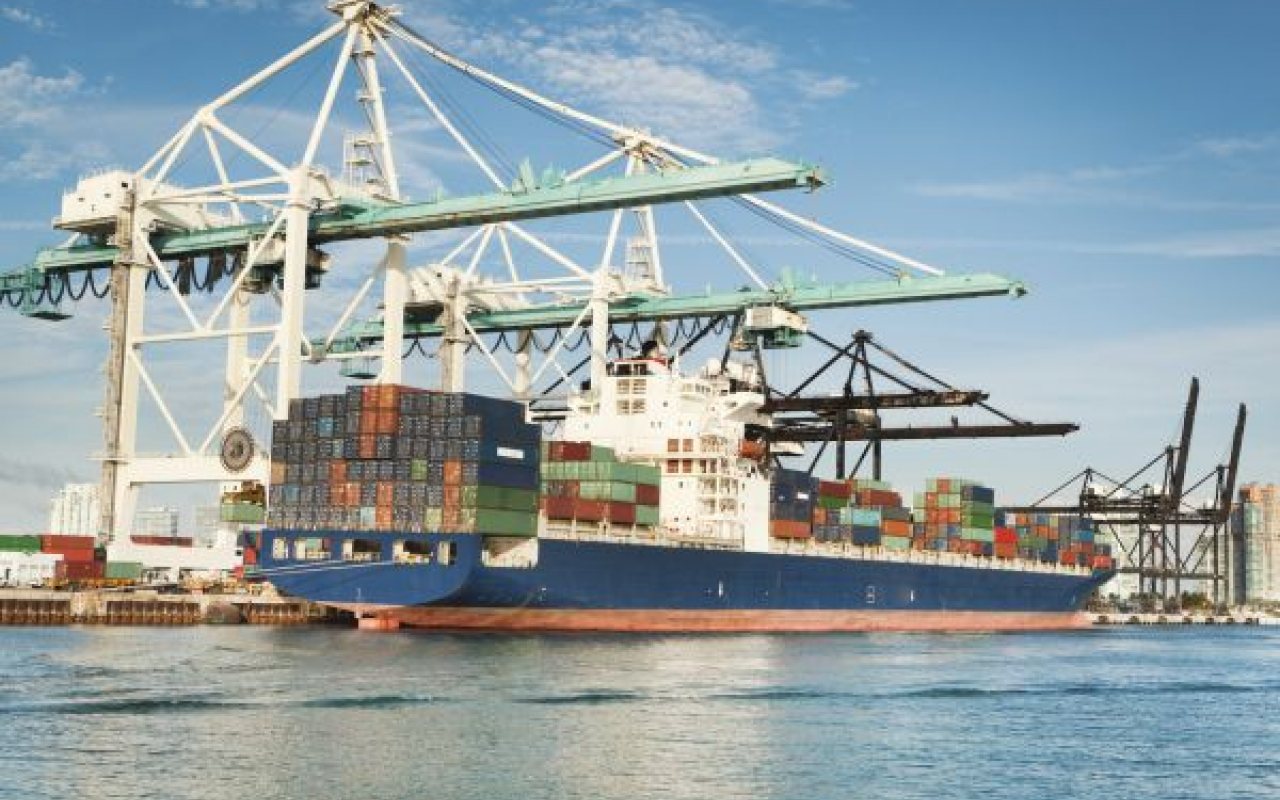
8.1. Container Weight Verification: Mandatory VGM submission before loading (SOLAS VI/2 implemented via MLIT Notice 498).
8.2. Heavy Lift Operations: Prior approval required for loads exceeding 100 tons (Port Labor Safety Rules Article 15).
8.3. Grain Cargo Precautions: Fumigation certificates must be presented 24 hours before operations (Plant Protection Act).
9. Pilotage and Towage
9.1. Compulsory Pilotage: Required for vessels over 10,000 GT or LOA exceeding 200m (Sasebo Port Ordinance Article 8).
9.2. Towage Requirements: Minimum two tugboats for vessels above 50,000 DWT during berthing (Port Operation Safety Standards).
9.3. Pilot Boarding Area: Designated position at 33°09’N 129°43’E (Japan Coast Guard Chart W1276).
10. Port Services and Facilities
10.1. Bunker Supply: Licensed providers only (confirmed by Japan Institute of Marine Surveying).
10.2. Fresh Water Availability: Potable water meets WHO standards (Sasebo City Waterworks Bureau certification).
10.3. Ship Repair: Dry dock capacity up to 300,000 DWT available (Sasebo Heavy Industries verification).
11. Emergency Response
11.1. Oil Spill Capacity: Port maintains 500-ton response capability (Nagasaki Prefecture Disaster Prevention Plan).
11.2. Firefighting: Port fireboats equipped with 12,000m³/hr pumping capacity (Sasebo Fire Department data).
11.3. Medical Evacuation: Helicopter medevac available through JCG Rescue Coordination Center.
12. Weather Restrictions
12.1. Typhoon Procedures: Port closure when winds exceed 25m/s (Japan Meteorological Agency threshold).
12.2. Fog Navigation: VHF Channel 16 mandatory monitoring when visibility <1,000m.
12.3. Tsunami Preparedness: Evacuation protocol activated for earthquakes exceeding 6.5 magnitude.
13. Legal Framework
13.1. Port Fees: Calculated per GT and service type (Sasebo Port Tariff Schedule 2023).
13.2. Dispute Resolution: Maritime arbitration available through Nagasaki District Court.
13.3. Liability Limits: Governed by Japan’s Commercial Code (Articles 736-747 for maritime matters).
14. Vessel Traffic Services (VTS)
14.1. Monitoring Area: Covers entire port limits plus 5nm radius (Japan Coast Guard Notice 2022-5).
14.2. Reporting Points: Mandatory position reports at Hirado Strait (33°20’N 129°35’E) and Ōmura Bay entrance (33°05’N 129°50’E).
14.3. Communication Protocol: VHF Channel 12 for port operations, Channel 16 for emergencies (Radio Law enforcement).
15. Dangerous Goods Handling
15.1. Class 1 (Explosives): Requires separate berthing approval from Sasebo Coast Guard and municipal fire department.
15.2. Toxic Gas (Class 2.3): Mandatory gas detection systems during unloading (Industrial Safety and Health Act).
15.3. Radioactive Materials: Prior notification to Nuclear Regulation Authority required 72 hours in advance.
16. Port State Control Inspection Focus Areas
16.1. Structural Integrity: Special attention to hull plating thickness (SOLAS Chapter II-1/3-2).
16.2. Fire Safety: Verification of fixed firefighting systems operation (FSS Code Chapter 10).
16.3. Life-Saving Appliances: Monthly inspection records verification (LSA Code Section VII).
17. Crew Welfare Provisions
17.1. Shore Leave: Guaranteed under normal security conditions (MLC 2006 Standard A2.4).
17.2. Repatriation: Approved agencies available in case of crew abandonment (Seafarers’ Employment Security Act).
17.3. Religious Facilities: Designated multi-faith prayer rooms available at port terminal.
18. Special Cargo Operations
18.1. Oversized Cargo: Night movement restrictions apply (2200-0500 prohibited).
18.2. Livestock Transport: Mandatory veterinary inspection before discharge (Animal Quarantine Act).
18.3. Heavy Weather Cargo Securing: Additional lashing requirements during monsoon season (July-September).
19. Port Infrastructure Specifications
19.1. Berth Dimensions: Deep-water berths up to 15m draft available (Port of Sasebo technical specifications).
19.2. Crane Capacity: Maximum 150-ton floating cranes available (Sasebo Port Equipment Registry).
19.3. Warehouse Space: 250,000m² total covered storage (Nagasaki Prefecture Commerce Department data).
20. Navigational Aids
20.1. Buoyage System: Complies with IALA Region A standards.
20.2. Leading Lights: Hirado Channel range lights (F.G. 15m 12M).
20.3. DGPS Service: Available through Japan Coast Guard beacon (frequency 322.0kHz).
21. Customs and Immigration Procedures
21.1. Customs Clearance: Electronic declaration via NACCS system mandatory for all cargo (Customs Act Article 67-2).
21.2. Immigration Processing: Crew must present valid seaman’s books and passports (Immigration Control Act Article 22).
21.3. Prohibited Items: Strict enforcement of CITES restrictions on wildlife products (Washington Convention implementation).
22. Port Health Regulations
22.1. Quarantine Requirements: Maritime Declaration of Health submission prior to free pratique (Quarantine Act Article 12).
22.2. Pest Control: Mandatory deratting certificates or inspection for vessels from high-risk areas.
22.3. Medical Waste: Special disposal procedures for clinical waste (Waste Management Act Article 6-2).
23. Bunkering Operations
23.1. Fuel Quality Standards: Must meet JIS K 2205 specifications (Japan Industrial Standards).
23.2. Spill Prevention: Double-hose connections required for vessels over 20,000 DWT.
23.3. Bunker Survey: Mandatory quantity/quality verification by licensed surveyors.
24. Salvage and Wreck Removal
24.1. Local Capability: Sasebo Salvage Association maintains 5,000-ton lifting capacity.
24.2. Reporting Obligations: Immediate notification of any obstruction to navigation (Port Regulations Article 24).
24.3. Cost Recovery: Shipowners liable for all removal expenses (Maritime Accident Inquiry Act).
25. Fishing Vessel Interactions
25.1. Traffic Separation: Designated fishing zones marked on JCG Chart 1287.
25.2. Gear Avoidance: Special caution required near fixed net areas (33°12’N 129°38’E).
25.3. Conflict Resolution: Fishery Coordinating Committee mediates disputes.
26. Ice and Cold Weather Operations
26.1. Anti-icing Measures: Recommended for deck equipment December-February.
26.2. Visibility Restrictions: Additional fog signals required when visibility <500m.
26.3. Crew Protection: Thermal clothing requirements below 5°C (Labor Standards Act).
27. Port Communication Systems
27.1. VHF Coverage: 24-hour monitoring on Ch 12/16 with English-speaking operators.
27.2. NAVTEX: MSI broadcasts on 518kHz (call sign JMH).
27.3. Digital Notices: Real-time updates via Japan NOTSHIP system.
28. Port Entry and Navigation Procedures
28.1. Entry Permissions: Vessels must obtain clearance from Sasebo Port Control before entering the breakwater (Port Regulations Article 5).
28.2. Channel Restrictions: One-way traffic enforced in main channel during peak hours (0700-0900 and 1700-1900).
28.3. Underkeel Clearance: Minimum 10% of draft required at all times (Japan Coast Guard Navigation Safety Law).
29. Waste Reception Facilities
29.1. Garbage Disposal: Mandatory use of licensed contractors for all waste categories (MARPOL Annex V implementation).
29.2. Oily Waste: Reception facilities available at all commercial berths (capacity 500m³/day).
29.3. Record Keeping: Waste delivery receipts must be retained for 2 years (Ministry of Environment Ordinance).
30. Ship Repair and Maintenance
30.1. Hot Work Permits: Required for all welding/grinding operations (Fire Service Act Article 8).
30.2. Underwater Cleaning: Prohibited without prior environmental approval.
30.3. Paint Restrictions: TBT-free antifouling mandatory (Japan’s Ship Anti-fouling Systems Act).
31. Port Labor Regulations
31.1. Stevedore Standards: All port workers certified under Japan Harbor Transportation Association.
31.2. Gangway Safety: Minimum 1.2m width required with proper lighting at night.
31.3. Cargo Handling: Maximum 8-hour shifts with mandatory breaks (Labor Standards Act Article 34).
32. Anchorage Management
32.1. Designated Zones: Primary anchorage at 33°10.5’N 129°42.0’E (depth 25-30m).
32.2. Holding Requirements: Minimum 5:1 scope for all anchor cables.
32.3. Watchkeeping: Continuous bridge watch required while at anchor.
33. Small Craft Regulations
33.1. Speed Limits: 5 knots within 500m of commercial vessels.
33.2. Traffic Separation: Dedicated small boat channel on west side of port.
33.3. Safety Equipment: Mandatory VHF radios and lifejackets for all craft.
34. Port Security Zones
34.1. Restricted Areas: Clearly marked with yellow buoys and signage.
34.2. Access Control: Biometric identification for all port workers.
34.3. Surveillance: 24/7 CCTV monitoring of critical infrastructure.
35. Vessel Manning Requirements
35.1. Minimum Crew: Compliance with Japan’s Safe Manning Document requirements (Ship Safety Act Article 29).
35.2. Watchkeeping Standards: STCW work/rest hour compliance strictly enforced during port stays.
35.3. Language Proficiency: Bridge team must demonstrate English communication ability (IMO Resolution A.1155(32)).
36. Port Lighting and Visibility
36.1. Navigation Lights: Full compliance with COLREGs required 24/7.
36.2. Berth Illumination: Minimum 50 lux maintained at all working areas (JIS C 8105 standard).
36.3. Emergency Lighting: Backup systems tested monthly (Port Facility Security Plan requirement).
37. Dangerous Weather Protocols
37.1. Typhoon Preparedness: Mandatory double mooring when winds exceed 15m/s.
37.2. Tsunami Warning: Immediate departure procedure for vessels under 10,000 GT.
37.3. Heavy Rain Restrictions: Cargo operations suspended during >50mm/hour rainfall.
38. Specialized Cargo Handling
38.1. Project Cargo: Advance stowage plan submission 72 hours prior to arrival.
38.2. Refrigerated Containers: Temperature monitoring logs required for inspection.
38.3. Deck Cargo: Special lashing certificate from classification society required.
39. Port Dues and Charges
39.1. Calculation Basis: GT-based with environmental discounts available.
39.2. Payment Methods: Electronic funds transfer preferred (JCB, Visa, Mastercard accepted).
39.3. Dispute Resolution: Formal appeals process through Nagasaki Port Authority.
40. Marine Pollution Control
40.1. Bilge Water: Zero discharge policy within port limits.
40.2. Sewage Handling: Mandatory use of port reception facilities or approved treatment systems.
40.3. Anti-pollution Equipment: Oil boom deployment required during bunkering.
41. Naval Coordination
41.1. Movement Priorities: US Navy and JMSDF vessels have right of way.
41.2. Security Zones: 500m exclusion around naval assets strictly enforced.
41.3. Communication Protocol: Special VHF channels designated for naval traffic.
42. Port Information Services
42.1. Real-time Updates: Automated port status notifications via J-Maritex system.
42.2. Tide Information: Continuous monitoring with 15-minute forecast updates.
42.3. Port Directory: Comprehensive contact list for all service providers available digitally.
43. Vessel Technical Requirements
43.1. Engine Readiness: Must maintain 30-minute standby capability during port stay.
43.2. Emergency Systems: Weekly testing of emergency generators and pumps required.
43.3. Ballast Management: Compliance with Japan’s Ballast Water Regulations (2008 Ministry Order).
44. Port Safety Management
44.1. Incident Reporting: Mandatory within 1 hour for all accidents (Port Safety Ordinance Article 12).
44.2. Safety Drills: Quarterly emergency exercises conducted with port stakeholders.
44.3. Hazardous Atmospheres: Continuous gas monitoring in enclosed spaces mandatory.
45. Special Vessel Handling
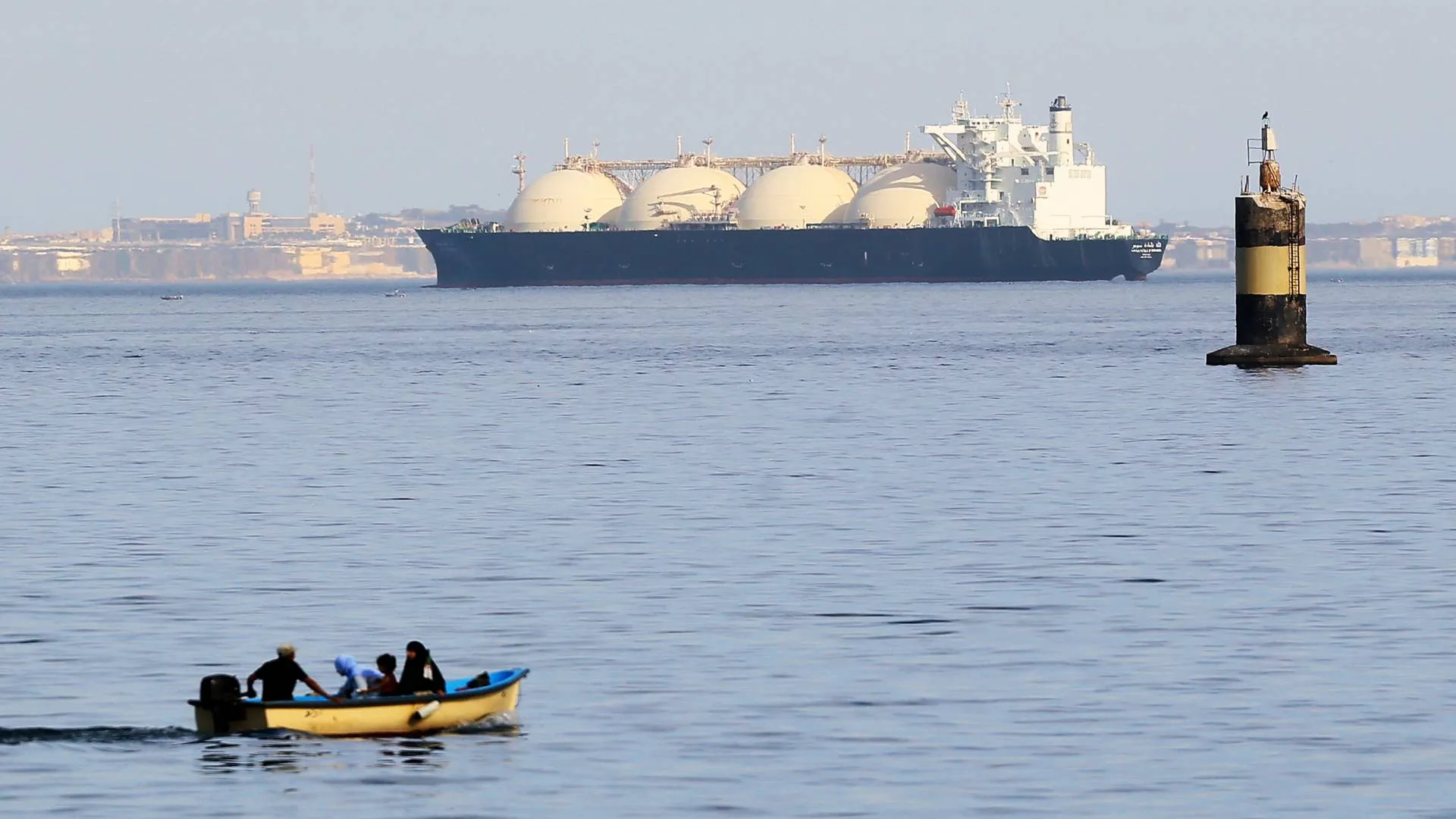
45.1. LNG Carriers: Additional escort tugs required during entire transit.
45.2. Cruise Ships: Dedicated passenger terminal with customs and immigration facilities.
45.3. RO-RO Vessels: Special ramp operations protocol during high tides.
46. Port Environmental Standards
46.1. Air Quality: Continuous PM2.5 monitoring with operational restrictions if >50μg/m³.
46.2. Noise Control: Nighttime operations (2200-0600) limited to 65dB at boundary.
46.3. Water Quality: Regular sampling for hydrocarbons and heavy metals.
47. Navigation Equipment Requirements
47.1. AIS: Continuous transmission mandatory (Japan’s Ship Safety Law).
47.2. ECDIS: Updated to latest ENC charts for Japanese waters.
47.3. Radar: Dual operational systems required for vessels >500GT.
48. Port Community System
48.1. Electronic Submission: All standard documents via JP-CIS platform.
48.2. Data Sharing: Real-time vessel movement information to stakeholders.
48.3. Integration: Compatible with IMO’s Maritime Single Window requirements.
49. Port Emergency Response
49.1. Emergency Contacts: 24/7 Port Control Center.
49.2. Oil Spill Response: Tier 2 capability with 500-ton recovery capacity on standby.
49.3. Medical Emergency: Designated port clinic with trauma care facilities (ISO 9001 certified).
50. Vessel Inspection Protocols
50.1. Pre-arrival Checks: Electronic submission of vessel condition report 24 hours prior.
50.2. Port State Control: Tokyo MOU inspection regime with 25% targeting rate.
50.3. Safety Equipment: Monthly testing records must be available for review.
51. Port Infrastructure Maintenance
51.1. Berth Surveys: Annual underwater inspections by certified divers.
51.2. Fender Systems: Replaced every 5 years or after significant impact.
51.3. Mooring Equipment: Weekly load testing of bollards and quick-release hooks.
52. Special Area Regulations
52.1. Emission Control: Sulfur content <0.1% in fuel while at berth (Air Pollution Control Act).
52.2. Wildlife Protection: Seasonal speed restrictions in whale migration corridors.
52.3. Cultural Heritage: No anchoring in designated historical shipwreck zones.
53. Port Digitalization
53.1. Smart Port System: IoT sensors for real-time berth availability monitoring.
53.2. Blockchain Platform: Digital Bill of Lading processing available.
53.3. AI Forecasting: Predictive analytics for cargo handling optimization.
54. Vessel Traffic Management
54.1. Dynamic Routing: AI-assisted traffic sequencing during peak periods.
54.2. Virtual Arrival: Incentivized slow steaming program for congestion management.
54.3. Digital Twin: 3D port model used for navigation simulation and training.
55. Port Business Services
55.1. Ship Agency: Licensed operators available for all vessel types.
55.2. Financial Services: On-site foreign exchange and banking facilities.
55.3. Legal Support: Maritime law specialists for contract and dispute services.