1. Port and Terminal Operations
1.1 Susaki Port operates 24/7, but specific terminals may have restricted working hours. Confirm with the port authority before arrival.
1.2 The main commercial berths are:
– North Terminal: Max LOA 150m, draft 9.5m (chart datum)
– South Terminal: Max LOA 120m, draft 7.0m (chart datum)
1.3 All vessels must submit ETA 72/48/24 hours in advance via JPNSUSAKIPORT (official VHF Channel 16).
2. Navigation and Pilotage
2.1 Compulsory pilotage for vessels >500 GT. Pilots board at 33°24’N, 133°17’E (1.5nm NE of breakwater).
2.2 Main channel depth maintained at 10.0m (MHWS), width 200m. Underkeel clearance minimum 10% of draft required.
2.3 No night navigation for vessels >5,000 DWT due to narrow channel turns (per Kochi Prefecture Ordinance No. 42-2021).
3. Anchorage Regulations
3.1 Designated anchorage area at 33°23’N, 133°16’E (radius 0.5nm). Max stay 72 hours without port permission.
3.2 Anchoring prohibited within 0.3nm of submarine cable area (marked on NOAA Chart 12681).
4. Cargo Handling
4.1 Timber cargo operations require fire patrols every 30 minutes (per IMO MSC/Circ.1086).
4.2 Grain loading must comply with Japanese Agricultural Standard JAS 1201 for moisture content verification.
4.3 Hazardous materials handling only at South Terminal with prior 96-hour notification.
5. Safety Requirements
5.1 Mandatory gangway watch during all cargo operations (Port Security Level 1).
5.2 Emergency muster stations clearly marked at 100m intervals along quays.
5.3 Monthly fire drills required for vessels staying >15 days (Kochi Fire Department Regulation §5-3).
6. Environmental Compliance
6.1 Zero discharge policy within 12nm of port (Japan Maritime Bureau Notice 2020-15).
6.2 Mandatory use of low-sulfur fuel (<0.1%) while berthing (Air Pollution Control Act Article 26-2).
7. Port Services
7.1 Freshwater supply available at both terminals (max pressure 3.5 bar).
7.2 Waste reception facilities comply with MARPOL Annex V (Open daily 0800-1700 JST).
8. Special Notices
8.1 Typhoon season (July-October) requires additional mooring lines (minimum 8 lines for Panamax vessels).
8.2 Annual port closure for maintenance every third Wednesday of November (24 hours).
8.3 Real-time port status available via JMIS (Japan Maritime Information System) website (official .go.jp domain).
9. Port Security
9.1 ISPS Code compliance mandatory for all vessels. Security Level 1 is default; higher levels require prior coordination with Port Facility Security Officer (PFSO).
9.2 Restricted areas marked with red zones. Unauthorized access prohibited (Port Security Act Article 12).
9.3 All crew/personnel must carry valid ID when ashore. Crew changes require 24-hour advance notice to immigration.
10. Mooring and Berthing
10.1 Tugs compulsory for vessels >10,000 GT (2 tugs minimum). Availability subject to weather (max wind 15 knots for operations).
10.2 Mooring lines must be inspected by port staff before cargo operations. Synthetic lines prohibited for vessels >5,000 DWT.
10.3 Fenders at main berths are cylindrical (1.2m diameter). Vessels must provide additional fenders if required.
11. Weather and Tidal Restrictions
11.1 Port closes for all operations when sustained winds exceed 25 knots (Beaufort Scale 6).
11.2 Spring tide range: 1.8m (neap 0.9m). Currents in channel reach 3 knots during ebb tide (reference: Japan Coast Guard Tide Tables).
11.3 Fog protocols: Vessels must sound fog signals (COLREGs Rule 35) and maintain AIS transmission when visibility <1nm.
12. Customs and Immigration
12.1 Pre-arrival documentation (Crew List, Maritime Declaration) must be submitted via Japan Customs’ NACCS system.
12.2 Prohibited items include certain agricultural products (Plant Protection Act) and unlicensed drones.
12.3 Narcotics detection dogs routinely deployed. Zero tolerance for undeclared controlled substances.
13. Emergency Response
13.1 Port control emergency contact: VHF Ch 16/12 (24/7). Backup phone number published in Japan Coast Guard Notice 2023-7.
13.2 Oil spill response equipment stationed at North Terminal (capacity: 50-ton containment). Immediate reporting required per Japanese Law No. 95.
13.3 Medical evacuation (Medevac) coordinated through Kochi Prefecture EMS (response time <30 minutes).
14. Local Regulations
14.1 No ballast water exchange within 12nm of port (aligned with Japan BWM Regulations).
14.2 Garbage segregation strictly enforced (5 categories: Food, Plastics, Oily Waste, Metal, Other).
14.3 Unauthorized photography of port infrastructure prohibited (Anti-Terrorism Act Article 14).
15. Additional Notes
15.1 Shore leave permitted only after Port Health clearance (post-COVID protocol remains in effect).
15.2 Local agents must arrange cash-to-master services; no ATMs within port perimeter.
15.3 Port dues include 10% consumption tax (JPY invoices only). Late payments incur 1.5% monthly penalty.
16. Vessel Traffic Services (VTS)
16.1 Mandatory VTS reporting for vessels >300 GT at waypoints:
– 33°25’N, 133°18’E (12nm approach)
– 33°24’N, 133°17’E (pilot boarding area)
16.2 AIS must remain operational throughout port stay (Japan Coast Guard Ordinance No. 31).
16.3 Speed limit: 8 knots within 3nm of port entrance (enforced by radar surveillance).
17. Bunkering Operations
17.1 Fuel barges available with 48-hour notice (MGO and IFO380). Sampling required per ISO 8217.
17.2 Simultaneous operations (SIMOPS) permitted only with prior Port Captain approval.
17.3 Bunker spill containment boom mandatory during all fueling operations.
18. Crew Welfare Facilities
18.1 Seafarers’ Center located at North Terminal Gate 2 (open 0900-2100 daily).
18.2 Free shuttle service to downtown Susaki operates hourly (ID required).
18.3 Medical clinic on-site handles minor injuries (major cases referred to Kochi Rosai Hospital).
19. Dangerous Goods Handling
19.1 IMDG Class 1 explosives prohibited in port.
19.2 Class 3-6 cargoes require separate storage approval from Kochi Fire Department.
19.3 Radioactive materials (Class 7) handling restricted to daylight hours only.
20. Port Dues and Charges
20.1 Calculation based on GT and length overall (published in Kochi Prefecture Port Tariff 2024).
20.2 Waste disposal fees: JPY 5,000/ton for general waste, JPY 15,000/ton for hazardous.
20.3 Electronic payment preferred (SWIFT transfers accepted with 3% discount).
21. Communication Protocols
21.1 Primary working channel: VHF 14 (English/Japanese).
21.2 Port Control must be notified immediately of any:
– Machinery failures
– Pollution incidents
– Security breaches
21.3 Email updates required every 6 hours during prolonged stays (>24 hours).
22. Port Infrastructure
22.1 Maximum air draft: 28m (restricted by harbor bridge clearance).
22.2 Shore power available at Berths N3-N5 (440V/60Hz, 2000A capacity).
22.3 Crane capacity: 2 mobile harbor cranes (100t max each), 4 fixed cranes (40t max each).
23. Fishing Vessel Coordination
23.1 Commercial vessels have right of way in main channel (Maritime Traffic Safety Act Article 18).
23.2 Seasonal fishing zones (May-September) marked on JCG Navtex broadcasts.
23.3 Nighttime fishing light clusters may reduce visibility – extra lookout required.
24. Ice Navigation (Winter Operations)
24.1 No icebreaking services available (port freezes approximately 3 days/year).
24.2 Anti-icing additives required for deck equipment December-February.
24.3 Reduced tugs availability during snowfall (>10cm accumulation).
25. Special Cargo Considerations
25.1 Oversized cargo moves restricted to 0100-0500 (urban traffic mitigation).
25.2 Live animal transport requires veterinary inspection prior to loading.
25.3 Temperature-controlled cargo monitoring every 4 hours (data logs subject to inspection).
26. Ship Repair and Maintenance
26.1 Limited dry docking available (max 5,000 DWT). Prior booking required through port authority.
26.2 Hot work permits issued only after gas-free certification (issued by approved surveyors).
26.3 Underwater cleaning prohibited without environmental compliance approval.
27. Port Entry/Exit Procedures
27.1 All vessels must display proper navigation lights when transiting port limits after sunset.
27.2 Departure clearance requires submission of Outward Report via NACCS system minimum 2 hours prior sailing.
27.3 Vessels awaiting departure must vacate berth within 1 hour after cargo operations complete.
28. Small Craft Regulations
28.1 Workboats/tenders must register with Port Security before operations.
28.2 Speed limit: 5 knots within 500m of commercial vessels.
28.3 No unauthorized small craft allowed in commercial berthing areas.
29. Night Operations
29.1 Additional lighting required for night cargo operations (minimum 500 lux at work area).
29.2 No noisy operations (hammering, etc.) between 2200-0600 in residential adjacent areas.
29.3 Reduced pilot availability after 2000 hours (extra charges apply).
30. Port Health Requirements
30.1 Maritime Declaration of Health must be submitted 12 hours before arrival.
30.2 Routine vector control inspections conducted for vessels from dengue-risk areas.
30.3 Medical waste disposal requires special packaging and prior notification.
31. Navigation Aids
31.1 Port entrance marked by flashing green light (character Fl.G 4s 15m).
31.2 Leading lights aligned at 178°T for final approach.
31.3 Temporary navigational warnings broadcast on VHF Ch 16 (JCG Notice to Mariners).
32. Cargo Documentation
32.1 Original bills of lading required for all containerized cargo releases.
32.2 Dangerous goods manifests must include UN numbers in Japanese characters.
32.3 All cargo tallies subject to verification by customs officials.
33. Vessel Inspections
33.1 Port State Control inspections target vessels >10 years old (Tokyo MOU criteria).
33.2 Routine safety equipment checks conducted by port fire department.
33.3 Vessels with overdue surveys may be denied operation permits.
34. Local Maritime Services
34.1 Approved providers list maintained by Kochi Shipping Association (updated quarterly).
34.2 Cash payments prohibited for services exceeding ¥500,000 (anti-money laundering rule).
34.3 Crew transportation vehicles must display port-issued permits.
35. Special Environmental Areas
35.1 No-anchoring zones established around coral habitats (marked on ECDIS).
35.2 Seasonal whale migration area (December-March) requires reduced speed (10 knots max).
35.3 Ballast water reporting mandatory for vessels transiting Seto Inland Sea.
36. Vessel Manning Requirements
36.1 Minimum safe manning certificate must be valid and displayed on bridge.
36.2 Port working crew must include at least one Japanese-speaking officer for communications.
36.3 Gangway watch must be maintained by certified personnel at all times.
37. Port Storage Facilities
37.1 Covered warehouse capacity: 15,000m² (ambient temperature control only).
37.2 Refrigerated storage available for perishables (capacity: 200 TEU at -25°C to +15°C).
37.3 Bonded warehouse requires customs clearance within 7 days of storage.
38. Vessel Cleaning Procedures
38.1 Hull cleaning prohibited within port limits (divers require special permit).
38.2 Deck washing must use port-approved biodegradable detergents only.
38.3 Tank cleaning residues require proper disposal documentation.
39. Emergency Drills
39.1 Mandatory port emergency drill participation every 6 months for regular callers.
39.2 Oil spill response equipment must be compatible with Japanese standards (JIS Z 9100).
39.3 Fire drill observers from port authority must be invited for all crew drills.
40. Special Vessel Requirements
40.1 RO-RO vessels must demonstrate stern ramp operational tests before loading.
40.2 Bulk carriers require dust suppression plans for certain cargoes (coal, grain).
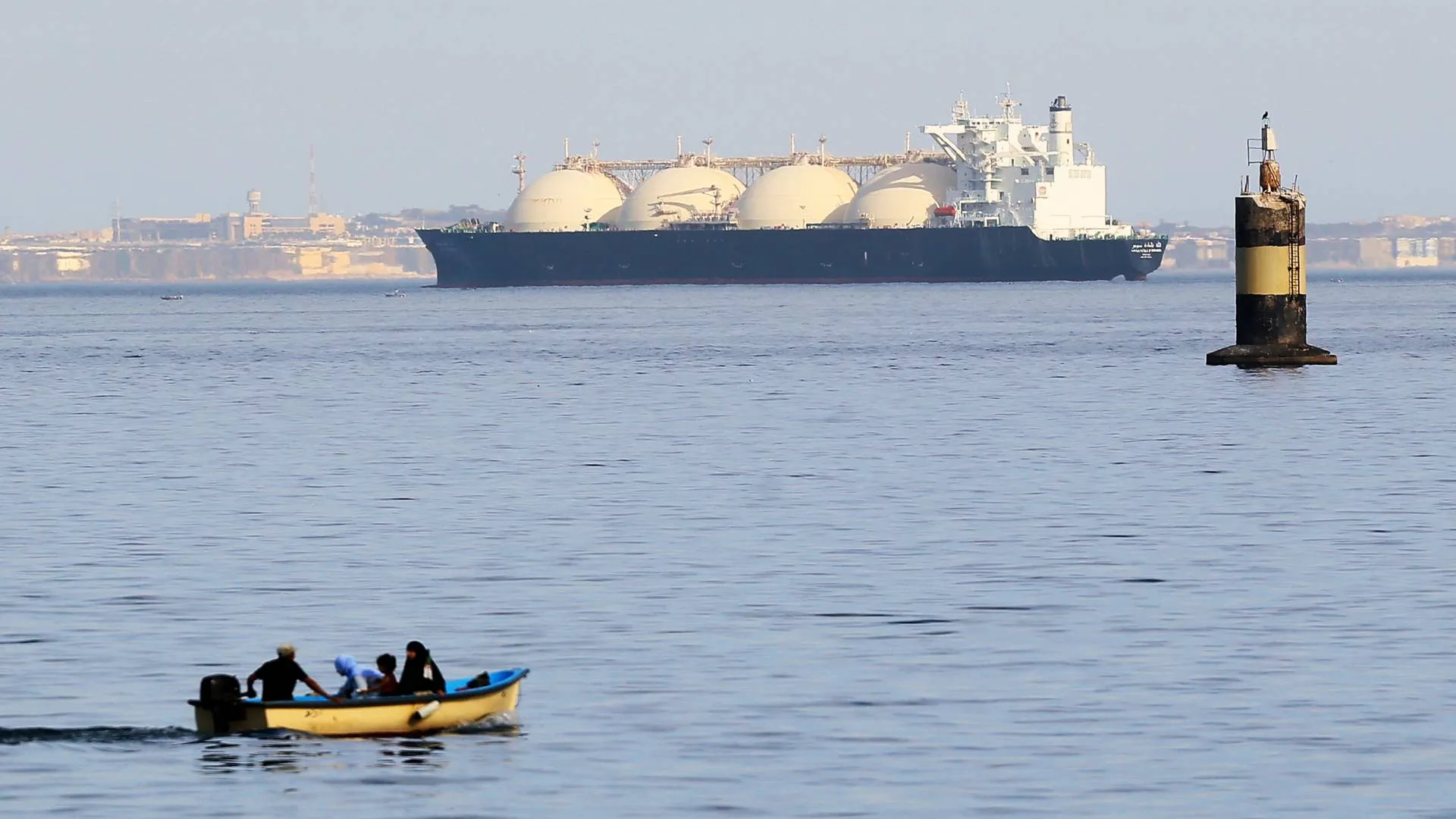
40.3 LNG carriers subject to additional security zone restrictions.
41. Port Working Hours
41.1 Administrative offices open 0830-1730 (closed weekends/national holidays).
41.2 Overtime rates apply for work outside 0700-1900 on weekdays.
41.3 No cargo operations permitted on January 1-3 (New Year closure).
42. Navigation in Restricted Visibility
42.1 Radar-assisted berthing mandatory when visibility <1 nautical mile.
42.2 Additional mooring lines required during fog conditions (minimum +1 line).
42.3 Pilot may suspend operations if visibility deteriorates below 500m.
43. Port Security Drills
43.1 ISPS security drills must be conducted quarterly with port facility participation.
43.2 Unannounced security inspections may be conducted by Japan Coast Guard.
43.3 All security incidents must be reported within 15 minutes of occurrence.
44. Hazardous Weather Procedures
44.1 Typhoon warning signal No. 3 requires all cargo gear to be secured.
44.2 Vessels must prepare to depart berth when sustained winds exceed 30 knots.
44.3 Earthquake protocols require immediate shutdown of cargo operations.
45. Customs Clearance Procedures
45.1 Electronic customs declaration (NACCS) must be completed before arrival.
45.2 Physical inspection rate: approximately 5% of containers (random selection).
45.3 Temporary import bonds required for certain equipment (cranes, special vehicles).
46. Vessel Sanitation Requirements
46.1 Valid Ship Sanitation Control Certificate must be presented upon request
46.2 Mandatory rodent inspection for vessels arriving from high-risk areas
46.3 Food waste disposal records must be maintained for 3 months minimum
47. Port Lighting Standards
47.1 Working deck illumination minimum 200 lux during night operations
47.2 Navigation lights must be visible from all approach angles
47.3 Emergency lighting systems tested weekly (records required)
48. Cargo Securing Regulations
48.1 Lashing materials must meet JIS D 5001 standards
48.2 Container stack weight limits strictly enforced (no exceptions)
48.3 Breakbulk cargo requires surveyor-approved stowage plans
49. Communication Equipment Standards
49.1 VHF radios must have DSC capability (tested monthly)
49.2 Backup communication system required for vessels >500 GT
49.3 Portable radios for deck operations must be intrinsically safe
50. Waste Management Procedures
50.1 Segregated waste containers provided at all berths (color-coded)
50.2 Oily water separator records must cover last 12 months
50.3 Plastic waste must be compacted before disposal
51. Mooring Equipment Requirements
51.1 All mooring lines must have certified breaking strength tags
51.2 Synthetic ropes require UV protection sleeves in tropical zones
51.3 Winch brake tests conducted annually (certificate required)
52. Port Safety Zones
52.1 50m exclusion zone around fuel transfer operations
52.2 Helicopter landing areas marked with yellow crosshatching
52.3 No smoking zones strictly enforced in all cargo areas
53. Vessel Stability Requirements
53.1 Stability calculations available for inspection during loading
53.2 Free surface effect monitoring required for liquid cargoes
53.3 Critical stability periods marked on cargo operation plans
54. Port Entry Documentation
54.1 Crew list with passport numbers submitted 24 hours pre-arrival
54.2 Last 10 port clearance certificates available for inspection
54.3 P&I Club confirmation required for vessels >20 years old
55. Special Cargo Handling
55.1 Project cargo requires advance route survey approval
55.2 Heavy lifts (>100T) need 72-hour notification
55.3 Out-of-gauge cargo restricted to daylight movements
56. Port Docking Procedures
56.1 All vessels must complete docking checklist before berthing
56.2 Fender alignment verification required by port staff prior to contact
56.3 Mooring line tension monitoring mandatory during cargo operations
57. Hazardous Material Storage
57.1 Class 3-8 materials require segregated storage zones
57.2 Explosive cargo must be stored 500m from residential areas
57.3 Daily temperature logs required for temperature-sensitive hazmat
58. Vessel Maintenance in Port
58.1 Engine repairs requiring open flame need fire watch present
58.2 Underwater hull cleaning restricted to approved contractors
58.3 Paint work prohibited during cargo operations
59. Port Communication Protocols
59.1 Emergency announcements broadcast in Japanese and English
59.2 Shift change notifications required 30 minutes in advance
59.3 All radio communications recorded for safety audits
60. Cargo Handling Equipment
60.1 Crane load tests conducted biannually (certificates displayed)
60.2 Conveyor systems inspected daily before operations
60.3 Forklift operators must wear high-visibility vests at all times
61. Vessel Departure Clearance
61.1 Final cargo documentation verified by customs before sailing
61.2 Port dues must be settled in full prior to departure
61.3 Last minute crew changes require immigration approval
62. Port Environmental Monitoring
62.1 Water quality samples taken weekly at discharge points
62.2 Noise levels monitored continuously in residential adjacent areas
62.3 Air quality sensors installed at all major cargo handling zones
63. Special Navigation Procedures
63.1 Vessels >250m require tug escort in inner channel
63.2 Nighttime navigation restricted in shallow draft areas
63.3 Tide-dependent vessels must confirm clearance with harbor master
64. Port Security Measures
64.1 Biometric access control for restricted areas
64.2 Random container inspections conducted by customs K9 units
64.3 Cybersecurity protocols required for all port network access
65. Vessel Supply Services
65.1 Freshwater supply available at all major berths
65.2 Bunker sampling conducted jointly with supplier and chief engineer
65.3 Provisions delivery vehicles subject to security screening
66. Port Emergency Response
66.1 Emergency muster stations clearly marked in Japanese and English
66.2 Fire hydrants tested monthly with pressure records maintained
66.3 Oil spill response equipment strategically located every 200m along quays
67. Vessel Crew Regulations
67.1 Minimum rest hours compliance verified during port state control
67.2 Shore leave permitted only with valid seafarer’s identity document
67.3 Crew changes require 24-hour advance notice to immigration
68. Port Infrastructure Maintenance
68.1 Berth depth surveys conducted quarterly with results published
68.2 Mooring bollards load-tested annually to 125% of rated capacity
68.3 Pavement condition assessments performed before heavy cargo moves
69. Specialized Cargo Handling
69.1 Reefer containers require pre-cooling verification before loading
69.2 Breakbulk cargo weight distribution plans approved by port engineer
69.3 Hazardous cargo segregation strictly enforced in storage yards
70. Vessel Technical Requirements
70.1 Main engine standby notice required 2 hours before departure
70.2 Ballast water management records available for inspection
70.3 Emergency generator tested weekly under load conditions
71. Port Operational Limits
71.1 Maximum wind speed for container operations: 15 m/s
71.2 Wave height restriction for Ro-Ro operations: 1.5m
71.3 Visibility minimum for pilotage services: 500 meters
72. Customs Procedures
72.1 Pre-arrival declarations submitted via NACCS system
72.2 Temporary import bonds valid for maximum 6 months
72.3 Export verification inspections conducted randomly
73. Port Safety Inspections
73.1 Monthly safety walks conducted by port management
73.2 Crane anti-collision systems tested before each shift
73.3 Personal protective equipment audits performed weekly
74. Vessel Traffic Management
74.1 Mandatory AIS transmission within port limits
74.2 Speed restrictions enforced by VTS radar monitoring
74.3 Overtaking prohibited in narrow channel sections
75. Port Environmental Compliance
75.1 Strict enforcement of MARPOL Annex V for garbage disposal
75.2 Ballast water exchange records maintained for 3 years
75.3 Noise abatement procedures during night hours (2200-0600)
76. Port Fueling Operations
76.1 Bunkering permits required 24 hours in advance
76.2 Dedicated containment booms deployed during all fuel transfers
76.3 Continuous gas monitoring required in enclosed bunkering areas
77. Vessel Electrical Systems
77.1 Shore power connections must meet IEC/ISO 80005 standards
77.2 Emergency battery backups tested monthly for navigation systems
77.3 Portable electrical equipment requires ground fault protection
78. Port Access Control
78.1 RFID access cards mandatory for all port personnel
78.2 Visitor escorts required in operational areas at all times
78.3 Vehicle speed limit strictly enforced at 20 km/h
79. Dangerous Goods Handling
79.1 IMDG Code compliance verified for all hazardous shipments
79.2 Emergency showers located every 50m in DG storage areas
79.3 Compatibility charts posted at all dangerous goods facilities
80. Vessel Draft Management
80.1 Under-keel clearance calculations verified by port authority
80.2 Squat effect monitoring required for vessels >150m LOA
80.3 Tide tables provided at all berths with real-time updates
81. Port Facility Maintenance
81.1 Daily inspection of cargo handling equipment before use
81.2 Pavement load ratings clearly marked in storage areas
81.3 Lighting systems tested nightly for proper operation
82. Marine Pollution Prevention
82.1 Bilge water discharge strictly prohibited in port limits
82.2 Absorbent materials stocked at all potential spill locations
82.3 Wildlife deterrent systems installed at oil transfer points
83. Vessel Security Measures
83.1 ISPS Level 1 security maintained at all times
83.2 Random container inspections conducted by customs
83.3 Security patrols monitor restricted areas 24/7
84. Port Meteorological Services
84.1 Real-time weather displays at all operational control points
84.2 Typhoon warning system activates at 48-hour notice
84.3 Lightning detection system triggers work stoppages
85. Special Vessel Operations
85.1 Heavy lift operations require engineering approval
85.2 Military vessels follow separate security protocols
85.3 Research vessels must declare scientific equipment
86. Port Ice Navigation
86.1 Icebreaker escort mandatory when ice thickness exceeds 30cm
86.2 Special hull reinforcement certification required for winter operations
86.3 Engine room heating systems must maintain minimum 10°C
87. Vessel Medical Requirements
87.1 Medical waste disposal through approved port contractors only
87.2 Emergency medical evacuation plans posted in all crew areas
87.3 Port clinic available 24/7 for maritime emergencies
88. Port Digital Systems
88.1 Electronic logbook submissions required for all port calls
88.2 Automated cargo tracking using RFID technology
88.3 Digital twin simulations used for complex maneuvers
89. Vessel Anchorage Procedures
89.1 Designated anchorage areas assigned based on vessel size
89.2 Anchor watch required at all times with position monitoring
89.3 Emergency dragging procedures posted on bridge
90. Port Noise Control
90.1 Engine tests restricted to daylight hours in residential zones
90.2 Acoustic barriers installed around high-noise equipment
90.3 Vessel horn use prohibited except for emergency signals
91. Special Cargo Documentation
91.1 Phytosanitary certificates required for agricultural products
91.2 CITES permits verified for protected species shipments
91.3 Cultural artifact exports require ministry approval
92. Vessel Hull Inspections
92.1 Underwater inspections conducted annually for vessels >15 years
92.2 Hull cleaning records maintained for biofouling control
92.3 Cathodic protection systems tested quarterly
93. Port Fire Safety
93.1 Fire pump capacity tests conducted monthly
93.2 Thermal imaging cameras used for hotspot detection
93.3 Foam suppression systems installed in fuel storage areas
94. Navigation Aid Maintenance
94.1 Buoy positioning verified weekly by hydrographic survey
94.2 Light characteristics logged daily for all channel markers
94.3 Radar reflectors tested before monsoon season
95. Vessel Waste Processing
95.1 Food waste macerators must meet 25mm particle standard
95.2 Sewage treatment plant effluent samples taken monthly
95.3 Incinerator ash disposal through licensed contractors only
96. Port Cold Weather Operations
96.1 De-icing fluid available for all cargo handling equipment
96.2 Anti-slip coatings required on all walkways during winter months
96.3 Hydraulic systems must use winter-grade fluids below 5°C
97. Vessel Communication Protocols
97.1 Standard marine communication phrases mandatory for all radio exchanges
97.2 Emergency channel 16 monitored continuously by port control
97.3 Digital distress signals automatically relayed to coast guard
98. Port Hazardous Area Classification
98.1 Zone 0/1/2 areas clearly marked with explosion-proof fixtures
98.2 Intrinsically safe equipment required in all classified zones
98.3 Hot work permits suspended during fuel transfer operations
99. Vessel Trim Optimization
99.1 Draft surveys required before and after cargo operations
99.2 Computerized loading calculators used for optimal weight distribution
99.3 Freeboard markings verified during port state inspections
100. Port Wildlife Protection
100.1 Bird deterrent systems installed at grain terminals
100.2 Marine mammal observers required during dredging operations
100.3 Turtle exclusion devices on all water intake systems
101. Vessel Bunker Management
101.1 Mass flow meters mandatory for all fuel deliveries
101.2 Bunker samples retained for 12 months minimum
101.3 Fuel switching procedures documented when entering ECAs
102. Port Crane Operations
102.1 Anti-sway systems required for all container cranes
102.2 Lift planning mandatory for loads exceeding 80% capacity
102.3 Wind speed alarms automatically halt operations at 15m/s
103. Vessel Safety Equipment
103.1 Life raft servicing certificates current for all units
103.2 Emergency position indicators tested monthly
103.3 Immersion suits sized for 125% of maximum crew
104. Port Cybersecurity
104.1 Two-factor authentication for all operational systems
104.2 Network segmentation between cargo and administrative systems
104.3 Mandatory cybersecurity training for all port personnel
105. Vessel Ballast Operations
105.1 Ballast water exchange records maintained for 3 years
105.2 Sediment sampling required during mid-ocean exchange
105.3 Treatment system alarms immediately reported to port authority
106. Port Lighting Standards
106.1 Minimum 200 lux illumination at all cargo working areas
106.2 Emergency lighting with 3-hour battery backup required
106.3 Glare control measures implemented for navigational safety
107. Vessel Sanitation Procedures
107.1 Weekly disinfection of high-touch surfaces mandatory
107.2 Medical waste incineration temperature monitored continuously
107.3 Potable water systems flushed and tested quarterly
108. Port Storm Preparedness
108.1 Typhoon mooring arrangements for vessels >10,000 GT
108.2 Emergency generator fuel reserves for 72-hour operation
108.3 Flood barrier deployment drills conducted biannually
109. Vessel Cargo Securing
109.1 Lashing force calculations verified for all container stacks
109.2 Breakbulk cargo dunnage inspected before loading
109.3 Heavy weather securing plans required for ro-ro vessels
110. Port Radiation Monitoring
110.1 Portal monitors at all gates for scrap metal shipments
110.2 Handheld detectors available for suspicious cargo inspection
110.3 Immediate reporting protocol for radiation alarms
111. Vessel Bridge Resource Management
111.1 Mandatory rest periods for watchkeeping officers
111.2 Navigation equipment cross-checked hourly
111.3 Challenge-and-response protocol for critical commands
112. Port Heavy Lift Operations
112.1 Ground bearing pressure calculations for all lifts >100 tons
112.2 Lift engineering certificates valid for specific equipment only
112.3 Exclusion zones enforced during critical lift phases
113. Vessel Paint Management
113.1 Non-toxic antifouling coatings mandatory
113.2 Containment systems for all deck painting operations
113.3 VOC emissions controlled during application
114. Port Emergency Drills
114.1 Full-scale port emergency exercise conducted annually
114.2 Tabletop drills for crisis scenarios quarterly
114.3 Mutual aid agreements with neighboring ports
115. Vessel Energy Efficiency
115.1 Noon reports include fuel consumption data
115.2 Speed optimization software used for voyage planning
115.3 Waste heat recovery systems maintained per manufacturer specs