1.Port Description
General Information
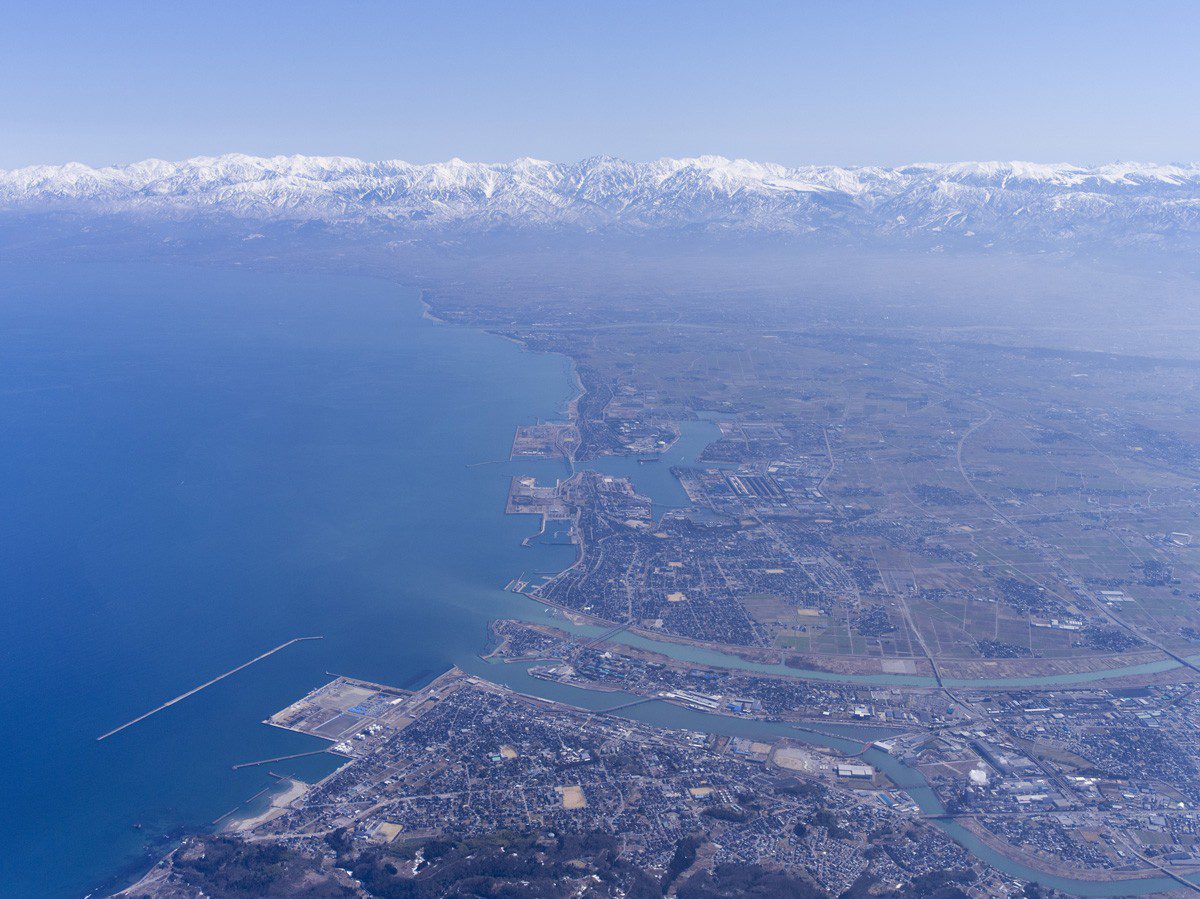
Toyama Port is a designated Important Port by the Japanese government, serving as a key industrial and commercial hub in the Hokuriku region. Operated by Toyama Prefectural Government Port and Airport Office, it features:
– 12 operational berths (including 3 deep-water berths >10m depth)
– Annual cargo throughput: ~8 million tons (2022 data)
– Designated as a “Strategic International Container Port” by MLIT (2020)
– Specializes in RO-RO, container, and bulk cargo operations
Port Types
– Size classification: Medium-sized port (per MLIT standards)
– Geographic type: Natural coastal harbor with artificial breakwaters
– Functional classification:
* Commercial port (primary)
* Industrial port (serving Toyama Industrial Zone)
* Fishing port (auxiliary facilities)
* Designated refuge port (for vessels up to 20,000 GT)
Long./Lat.
– Main Port Office: 36°45’00″N 137°13’00″E (WGS84)
– Port entrance: 36°44’42″N 137°12’18″E
– Anchorage area: 36°45’30″N 137°14’00″E
Time Zone
– Standard: JST (UTC+9) year-round
– Port operations: 24/7 with prior arrangement
– Pilotage services: 0800-1700 JST (extended hours available with notice)
Port Location
– Address: 1 Shinminato, Toyama City, Toyama Prefecture 934-0014
– Regional context:
* Located on Toyama Bay (富山湾)
* Adjacent to Toyama Industrial Zone
* 5km west of Toyama city center
* 300km northwest of Tokyo via Hokuriku Shinkansen
Port Limits
– Defined by Ministerial Ordinance No. 32 of 1951 (revised 2020):
* Northern boundary: 36°46’00″N
* Southern boundary: 36°43’30″N
* Western boundary: 137°11’00″E
* Eastern boundary: 137°15’00″E
– Includes:
* Main port area
* Shinminato district
* Tomari district
* Designated anchorage areas A1-A3
Load Lines
– Recognized under Japan’s Load Line Regulations:
* Summer zone: April 16 – October 15
* Winter zone: October 16 – April 15
* Tropical zone: Not applicable
* Freshwater allowance: 120mm (per Japanese regulation)
– Certification required:
* International Load Line Certificate (for foreign vessels)
* Japanese Load Line Certificate (for domestic vessels)
Water Density
– Annual average: 1.023-1.025 g/cm³
– Seasonal variations:
* Summer: 1.020-1.022 g/cm³ (rainfall dilution)
* Winter: 1.025-1.027 g/cm³
– Freshwater density at docks: 1.000 g/cm³
Charts and Books
– Official navigation publications:
* JP110 (Toyama Wan) – Admiralty Chart
* W127 (Japan Sea Coast) – Admiralty Chart
* MLIT Chart No. 63101 (Toyama Ko)
– Required publications:
* Japan Pilot Volume 2 (NP42)
* List of Lights & Signals (NP77)
* Tide Tables (NP203)
– Digital resources:
* ENC: JP5UCM00 (IHO standard)
* Port Guide PDF available from Toyama Prefecture website
Port Restrictions
– Vessel size limits:
* LOA: 200m (max)
* Beam: 32m (max)
* Draft: 12.5m (max at high tide)
* Air draft: 45m (bridge clearance)
– Operational restrictions:
* Night navigation prohibited for vessels >10,000 GT without pilot
* Bunkering operations require prior approval
* Hazardous cargo handling: daylight hours only
Regulations
– Primary legal framework:
* Port Regulations Act
* ISPS Code compliant since 2004
* Marine Pollution Prevention Law
– Special requirements:
* Mandatory pre-arrival reporting via JP-MARINE system
* Waste disposal receipts required for departure
* COVID-19 measures: Follow MHLW Notice No. 0217-1
Weather Condition
– Climate data (Japan Meteorological Agency):
* Annual precipitation: 2,400mm
* Snowfall: 300cm (Dec-Feb)
* Typhoon season: July-October
* Visibility: <1km occurs 15 days/year
– Wind patterns:
* Prevailing NW winds (Nov-Mar): 15-20 knots
* Summer SE winds: 10-15 knots
* Gusts exceeding 30 knots occur 20 days/year
Tide and Currents
– Tidal data (Toyama Tide Station):
* Mean tidal range: 0.3m
* Spring tidal range: 0.5m
* Neap tidal range: 0.2m
– Currents:
* Port entrance: 0.5-1.0 knot NW-SE flow
* Eddy currents near breakwater during NE winds
* Strong outflow currents during snowmelt (Mar-Apr)
Identification Cards
– Crew documentation:
* Seaman’s book + passport required
* Shore passes issued for 72 hours (extendable)
* Biometric registration for crews from visa-waiver countries
– Vehicle permits:
* Port area driving requires special license
* Temporary permits available at Port Security Office
Traffics
– Air connections:
* Toyama Kitokito Airport (TOY): 8km from port
– Daily flights to Tokyo (Haneda), Sapporo, Fukuoka
– International charters to Seoul, Shanghai
– Rail connections:
* JR Shinminato Line: Port Station (0.5km from terminals)
* Hokuriku Shinkansen: Toyama Station (15min by taxi)
– Road connections:
* Hokuriku Expressway (E8)
* National Route 415 (port access road)
* 24-hour truck gates at all terminals
Holidays
– National holidays (no cargo operations):
* Jan 1-3 (New Year)
* Golden Week (Apr 29-May 5)
* Obon (Aug 13-15)
– Conditional operations:
* 50% surcharge for holiday work
* Minimum 72-hour notice required
* No hazardous cargo handling on holidays
Currency
– Official currency: Japanese Yen (JPY)
– Exchange facilities:
* Port Administration Building (0800-1700)
* ATM at International Terminal (24/7)
– Regulations:
* No restrictions on foreign currency possession
* Cash transactions >¥1 million require declaration
* Credit cards accepted at major terminals
Main Cargo Handled
– Export commodities (2023 data):
* Aluminum products: 1.2 million tons/year
* Chemical products: 800,000 tons/year
* Machinery: 600,000 tons/year
* Seafood: 50,000 tons/year
– Import commodities:
* Coal: 3 million tons/year
* LNG: 1.5 million tons/year
* Iron ore: 1 million tons/year
* Timber: 400,000 tons/year
– Container traffic:
* Annual TEU: 120,000 (60% domestic, 40% international)
* Main routes: China, Korea, Russia Far East
2. Notification and Reports
General Information
All vessels entering Toyama Port must comply with:
1. Japan’s Port Regulations Act
2. ISPS Code requirements (Japan implementation)
3. Marine Pollution Prevention Law
4. Customs Law
5. Immigration Control Act
Special requirements for:
– Vessels >10,000 GT: Additional stability calculations required
– Tankers: Pre-arrival safety checklist
– Container ships: Verified Gross Mass (VGM) declaration
Arrival and Departure Checklists
Pre-arrival (via JP-MARINE system):
– 72 hours prior:
* Ship particulars
* Last 10 ports of call
– 24 hours prior:
* General declaration
* Crew/passenger lists (including vaccination status)
* Dangerous goods manifest (if applicable)
– 6 hours prior:
* ETA confirmation
* Bunker information
* Waste inventory
Post-departure:
– Port clearance certificate (within 1 hour)
– Waste disposal receipts (original copies)
– Bunker delivery notes (retain for 3 years)
– Final departure report (electronic submission)
Documents and Certificates
Required originals (per MLIT Notice No. 402/2023):
1. Ship’s Papers:
– Certificate of Registry
– International Tonnage Certificate (1969)
– Minimum Safe Manning Certificate
– Continuous Synopsis Record
2. Safety Certificates:
– Safety Construction Certificate
– Safety Equipment Certificate
– Load Line Certificate
– IOPP Certificate
– DOC/SMC (ISM Code)
3. Operational Documents:
– ISSC (ISPS Code)
– Oil Record Book (Part I)
– Garbage Record Book
– Ballast Water Record Book
4. Cargo Documents:
– Manifest (3 copies, customs format)
– Dangerous Goods Declaration (IMO Form)
– Stowage Plan (signed by Master)
– Container VGM declarations
5. Crew Documents:
– Crew List (4 copies, immigration format)
– Seaman’s Books (valid for entry)
– Vaccination List (yellow fever if applicable)
– SID (if biometric registration required)
Vessel Traffic Services (VTS)
– VTS Area:
* Inner zone: Port limits
* Outer zone: 3nm radius from port entrance
– Services:
* Traffic monitoring (24/7 AIS coverage)
* Navigational warnings (ice/snow alerts in winter)
* Emergency coordination
– Communication protocols:
* Initial contact: VHF Ch 16
* Working channel: VHF Ch 12
* Pilot coordination: VHF Ch 09
– Radar coverage:
* Primary: 9GHz (X-band)
* Secondary: 3GHz (S-band)
* Range: 24nm (weather dependent)
Emergency Co-ordination Centre
1. Japan Coast Guard Toyama Office:
– Emergency: VHF Ch 16 or Phone 118
– 24-hour contact: +81-76-442-0118
– MRCC Tokyo liaison: +81-3-3591-6361
2. Port Authority Emergency Center:
– Phone: +81-76-443-6119
– VHF Ch 14 (Port Operations)
– Backup: +81-76-443-6000 (Port Office)
3. Medical Emergency:
– Toyama City Medical Association: +81-76-431-6111
– Hyperbaric chamber: Not Available
Harbour Management Communications
– Toyama Prefectural Government Port and Airport Office:
* Address: 1 Shinminato, Toyama City 934-0014
* Business hours: 0830-1730 JST (Mon-Fri)
* Phone: +81-76-443-6000 (main)
* Fax: +81-76-443-6001
* After-hours: Contact via JCG Toyama
– Port Operations Center:
* 24-hour phone: +81-76-443-6111
* VHF: Ch 12/14
* Email: Not Available (use JP-MARINE)
Radio
– Coastal station: Toyama Radio (JOS)
– Frequencies:
* 500kHz (CW – monitored 0800-2000)
* 2182kHz (RT – guard frequency)
* 156.8MHz (VHF Ch 16 – 24/7)
– Digital services:
* NAVTEX: 518kHz (JNA)
* AIS: Channel 87B/88B
VHF
Channel allocation:
– Ch 09: Pilotage/docking
– Ch 12: Port Control
– Ch 13: Bridge-to-bridge
– Ch 14: Port Operations
– Ch 16: Emergency
– Ch 70: DSC (Digital Selective Calling)
Required VHF reports:
1. 12 hours before ETA:
– Confirm ETA
– Request pilot/tugs
2. 1 hour before arrival:
– Final ETA
– Confirm draft
3. At pilot station:
– Arrival report
4. During operations:
– Hourly position updates
5. Before departure:
– ETD notification
Radars
– Port radar system:
* Type: Furuno FAR-3000 series
* Coverage: 360° up to 24nm
* Update rate: 3 seconds
– Access:
* VHF Ch 12 (request radar assistance)
* Phone: +81-76-443-6112 (Radar Room)
– Services provided:
* Position verification
* Traffic advisories
* Navigation warnings
Notices of Readiness
Legal requirements:
– Must be tendered when:
1. Vessel is in port limits
2. All cargo gear is ready
3. Required documents are cleared
4. Free pratique granted
– Format requirements:
* Written notice (paper/email)
* Time recorded to nearest minute
* Copy to charterer/agent
– Special provisions:
* Winter operations (Dec-Feb): Ice clauses apply
* Hazardous cargo: Additional safety checks
Immigration
– Procedures:
1. Submit crew list 24h before arrival
2. Present passports/seaman’s books
3. Complete disembarkation cards
4. Biometric registration (if required)
– Office hours:
* 0900-1200, 1300-1600 (Mon-Fri)
* Emergency contact: +81-76-442-0118 (JCG)
– Special notes:
* Crew changes require 72h notice
* Visa requirements apply for some nationalities
Health
Quarantine procedures:
1. Electronic pre-arrival health declaration
2. Document review:
– Maritime Declaration of Health
– Vaccination list
– Last 10 ports of call
3. Physical inspection if:
– Illness reported
– Coming from infected area
– More than 4 weeks since last inspection
Medical facilities:
– Port clinic: Basic first aid only
– Nearest hospital: Toyama University Hospital (30min)
– Emergency evacuation: JCG helicopter available
Customs
Clearance procedures:
1. Electronic submission via NACCS
2. Required documents:
– Cargo manifest
– Ship’s stores declaration
– Crew effects declaration
3. Physical inspection rate: <5% (random)
Allowances:
– Tobacco: 400 cigarettes per crew member
– Alcohol: 3 bottles (max 750ml each)
– Cash: JPY 1,000,000+ requires declaration
Prior Declaration and Authorization
Special cargo requirements:
1. Dangerous goods:
– IMO Class 1: 7 days notice
– Class 2-9: 48 hours notice
2. Heavy lifts:
– >50 tons: Structural calculations required
– >100 tons: Special permit
3. Waste operations:
– Advance notice for discharge
– Mandatory receipts
Restricted Activities
Prohibited in port limits:
1. Navigation:
– Speed >8 knots in inner harbor
– Overtaking in narrow channels
2. Operations:
– Unauthorized bunkering
– Hot work without permit
3. Environmental:
– Discharge of any pollutants
– Use of incinerators
Incidents
Reporting requirements:
1. Immediate (within 1h):
– Collisions/allisions
– Groundings
– Fires/explosions
– Pollution incidents
– Serious injuries/deaths
2. Within 24h (written report):
– Equipment failures
– Near-miss incidents
– Minor injuries
3. Reporting channels:
– VHF Ch 16 (emergency)
– Phone: +81-76-442-0118 (JCG)
– JP-MARINE system (non-emergency)
Others
Additional requirements:
1. Security:
– ISPS Level 1: Standard measures
– Level 2: Additional screening
2. Environmental:
– Low sulfur fuel (<0.1%) required at berth
– Ballast water reporting
3. Operational:
– Gangway watch 24/7
– Mooring line inspections
3.Port Navigation
General Information
Toyama Port navigation complies with:
1. Japan’s Port Regulations Act (Article 37-42)
2. IMO Resolution A.1106(29) on VTS
3. MLIT Technical Standards for Port Facilities
4. Japan Coast Guard Navigation Order No.5
Key features:
– Total navigable area: 18.5 km²
– Channel maintenance: Dredged annually to ±0.1m tolerance
– AIS coverage: 100% within port limits
– VHF coverage: 30nm radius
Pilot Station and Pilotage
Pilot Boarding Areas:
1. Primary Station:
– Coordinates: 36°44’30″N 137°12’45″E
– Depth: 18m
– Protection: Breakwater sheltered
2. Secondary Station (bad weather):
– Coordinates: 36°45’15″N 137°13’30″E
– Depth: 15m
– Maximum wave height: 2.5m
Pilot Requirements:
– Mandatory for:
* All foreign-flag vessels >500 GT
* Domestic vessels >3,000 GT
* Any vessel carrying Class 1 dangerous goods
– Request procedure:
* Initial notice: 24h before ETA via JP-MARINE
* Confirmation: 6h before ETA (VHF Ch 12/16)
* Final update: 1h before arrival
Pilot Transfer:
– Boarding speed: 4-6 knots
– Pilot ladder:
* Height above water: 1.5m
* Required lighting: 2 x 50W spotlights
– Helicopter transfer: Not available
Anchorages for Pilot Waiting:
1. Anchorage P1:
– Position: 36°45’00″N 137°14’00″E ± 0.5nm
– Holding ground: Clay (good holding)
– Swing radius: 3 x LOA minimum
2. Emergency Anchorage:
– Position: 36°44’00″N 137°15’00″E
– Depth: 20-25m
– Maximum stay: 12 hours
Approaches and Channels
Main Deepwater Channel:
– Total length: 5.8nm
– Segments:
1. Outer Approach (3.2nm):
– Width: 200m
– Depth: 12.5m CD
– Direction: 145°-325°T
2. Inner Channel (2.6nm):
– Width: 180m
– Depth: 11.5m CD
– Current: Max 2.5 knots
Secondary Channels:
1. North Industrial Channel:
– Length: 1.8nm
– Depth: 10.0m
– Designed for: Bulk carriers <50,000 DWT
2. South Container Channel:
– Length: 2.2nm
– Depth: 11.0m
– Designed for: Post-Panamax container ships
Special Navigation Rules:
– Vessels >200m LOA:
* Daylight transit only
* Tug escort mandatory
* Speed limit: 8 knots
– Dangerous cargo vessels:
* No parallel sailing
* 500m exclusion zone
– Fishing zones:
* Marked by yellow buoys
* Speed limit: 5 knots
Anchorages
Designated Anchorages:
1. Commercial Anchorage A:
– Area: 1.2nm x 0.8nm
– Depth: 15-20m
– Bottom: Sand/silt
– Maximum vessels: 5
2. Emergency Anchorage B:
– Area: 0.5nm radius
– Depth: 25m
– Use: Storm conditions only
Anchoring Procedures:
– Required notice: 1h before anchoring
– Position reporting: Every 30 minutes
– Prohibited:
* In cable areas (marked on charts)
* Within 0.5nm of fairways
* Over wrecks (listed in Notices to Mariners)
Navigation Aids
Fixed Aids to Navigation:
1. Toyama Port Main Light:
– Character: Fl W 10s
– Height: 25m
– Range: 15nm
– Structure: White tower
2. Breakwater Lights:
– East Head: Q G
– West Head: Q R
Buoyage System (IALA Region A):
– Lateral marks: 12 (red/green)
– Cardinal marks: 4
– Special marks: 6 (yellow)
– Light characteristics: All LED with 3nm+ range
Electronic Navigation:
– DGPS: Accuracy ±1m (MMSI 009916010)
– AIS: 3 base stations (100% coverage)
– Radar: 4 shore stations (X-band and S-band)
Maximum Authorized Speed
Speed Limits:
1. Outer Approaches:
– Day: 12 knots
– Night: 10 knots
2. Inner Harbor:
– All vessels: 8 knots
3. Berthing Areas:
– General: 4 knots
– Tankers: 3 knots
Speed Measurement:
– VTS radar tracking
– AIS speed monitoring
– Penalties for violations: JPY 500,000+
Navigation Priority
Right-of-Way Rules:
1. Priority Order:
a) Vessels in distress
b) Government vessels
c) Passenger ferries
d) Dangerous cargo vessels
e) Other commercial traffic
2. Crossing Situations:
– Starboard side passing
– No crossing in turning basins
3. Overtaking:
– Prior permission required
– Minimum distance: 100m
Weather Restrictions
Navigation Suspension Criteria:
1. Wind:
– Sustained: >25m/s (Beaufort 10)
– Gusts: >30m/s
2. Visibility:
– Day: <500m
– Night: <1,000m 3. Waves: – Outer harbor: >3.5m
– Inner harbor: >2.0m
Winter Operations:
– Ice thickness:
* <10cm: Normal operations * 10-15cm: Tug escort * >15cm: Port closure
– Snow accumulation:
* >30cm: Reduced speed zones
Night Entry or Departure
Night Navigation Rules:
– Allowed for:
* Vessels <200m LOA * Visibility >1nm
* Wind <15m/s – Requirements: * Additional navigation lights * Enhanced bridge team * Tug escort if >10,000 GT
Prohibited at Night:
– VLCC movements
– Heavy lift operations
– Dredging activities
UKC (Under-Keel Clearance)
Minimum Requirements:
1. Deepwater Channel:
– High tide: 1.0m
– Low tide: 1.5m
2. Berthing Areas:
– General: 0.5m
– Tankers: 1.0m
Calculation Method:
UKC = Charted Depth – (Draft + Squat + Tide + Uncertainty)
Where:
– Squat = (Cb × V²) / 100
– Uncertainty = 0.1m (surveyed areas)
Bridges
– Not applicable (no navigational bridges in port area)
Air Drafts Limit and Air Gap
Overhead Obstructions:
1. Power Lines:
– Minimum clearance: 45m at MHWS
– Location: 36°44’25″N 137°12’30″E
2. Container Cranes:
– Maximum working height: 55m
– Clearance zones: Marked by red lights
Vessels Shifting
Standard Procedures:
1. Pre-shift Requirements:
– Engine test 1h before
– Tugs secured
– VTS clearance
2. During Shift:
– Continuous VHF contact
– Speed <4 knots
– No other operations
Tug Requirements:
– <50,000 GT: 1 tug – 50,000-100,000 GT: 2 tugs – >100,000 GT: 3 tugs
Vessels Transiting
Transit Rules:
– Continuous AIS transmission
– VHF watch on Ch 12/16
– Speed compliance monitoring
– No discharge during transit
Vessels Towing
Towing Regulations:
1. Advance Notice:
– 48h for length >150m
– 72h for width >32m
2. Daytime Only:
– Sunrise to sunset
– Visibility >1nm
3. Escort Requirements:
– 1 tug per 50m length
– Minimum 2 tugs
Tugs and Working Boats
Tugboat Fleet:
1. “Toyama Tug No.1”:
– Bollard pull: 50 tons
– Length: 32m
– Bollard pull: 50 tons
2. “Toyama Tug No.2”:
– Bollard pull: 35 tons
– Length: 28m
Working Boat Specifications:
– 4 line handling boats:
* Capacity: 8 persons
* Speed: 12 knots
– 2 patrol boats:
* 24/7 availability
* Oil spill response capability
Vessels in Special Operations
Dredging Operations:
– Notification: 7 days minimum
– Marking: Yellow special buoys
– Speed limit: 3 knots within 500m
Construction Activities:
– Work hours: 0800-1800
– Exclusion zone: 500m radius
– Lighting: Required for night work
4.Pollution Control
Ballast and Deballast
1. Legal Framework:
– Japan’s Ballast Water Management Act (Act No. 46 of 2020)
– IMO Ballast Water Management Convention (D-2 Standard)
– Toyama Prefecture Marine Environment Protection Ordinance
2. Operational Requirements:
– Mandatory ballast water reporting:
* 24 hours pre-arrival via JP-MARINE system
* Updated 6 hours before entry
– Treatment standards:
* <10 viable organisms per m³ (≥50μm)
* <10 viable organisms per ml (<50μm and ≥10μm)
* <1 colony-forming unit per 100ml (Vibrio cholerae, E. coli, etc.)
3. Exchange Procedures:
– Sequential method:
* Minimum 95% volumetric exchange
* Conducted >200nm from nearest land
* Depth >200m preferred
– Flow-through method:
* Three times tank volume exchange
* Conducted >50nm from coast
4. Prohibited Areas:
– Toyama Bay Special Protection Zone (12nm limit)
– Noto Peninsula Marine Park (20nm exclusion)
– Within 3nm of aquaculture areas
5. Monitoring and Enforcement:
– Port State Control inspections:
* 10% of visiting vessels targeted
* Priority given to high-risk vessels
– Penalties:
* Up to ¥3 million for violations
* Possible detention for repeat offenders
Garbage Disposal
1. Regulatory Basis:
– MARPOL Annex V (Japan implementation)
– Waste Management and Public Cleansing Law (Law No. 137 of 1970)
– Toyama Port Waste Management Regulations (2023 Revision)
2. Collection Services:
– Primary contractor: Toyama Port Waste Management Co., Ltd.
* Operating hours: 24/7 (including holidays)
* Contact: +81-76-443-6220 (Port Operations Center)
* Response time: <2 hours for urgent requests
3. Facility Specifications:
– Type A (Plastics):
* 20m³ compactors at all berths
* Weekly collection schedule
– Type B (Food Waste):
* Refrigerated containers (4°C)
* Daily collection
– Type C (Operational Waste):
* Designated storage areas
* On-call collection
4. Disposal Procedures:
– Pre-notification requirements:
* Standard waste: 12 hours notice
* Hazardous waste: 24 hours notice
– Documentation:
* Garbage Record Book entries
* Waste transfer receipts (3 copies)
* Retention period: 3 years
5. Fee Structure:
– Standard waste: ¥5,000/m³ (minimum ¥20,000)
– Hazardous waste: ¥15,000/m³ (minimum ¥50,000)
– After-hours service: 50% surcharge
Waste Oil Disposal
1. Legal Requirements:
– MARPOL Annex I
– Japan’s Waste Management Law (Law No. 137)
– MLIT Technical Standards for Oil Handling Facilities
2. Reception Facilities:
– Fixed storage capacity: 2,000m³
* Location: Oil Terminal Annex
* Type: Double-walled steel tanks
– Mobile capacity:
* Barges: 2×500m³ units
* Tank trucks: 10×30m³ units
3. Specialized Berth:
– Designated Oil Waste Berth (OWB-1)
* Coordinates: 36°44’12″N 137°12’18″E
* Depth: 10.5m
* Available: 0800-1700 (Mon-Sat)
* Emergency contact: +81-76-443-6119
4. Service Providers:
– Toyama Oil Disposal Co. Ltd.
* Address: 3-1 Minato, Toyama City 934-0014
* Phone: +81-76-443-6555
* Fax: +81-76-443-6556
* License: MOE-2023-0456
– Nihon Sludge Management
* Phone: +81-76-443-6777
* Emergency: +81-90-4436-7777
5. Operational Procedures:
– Pre-arrival requirements:
* 48 hours notice for standard service
* Oil sample analysis report
– Discharge specifications:
* Max rate: 50m³/hour
* Temperature: <60°C
* Water content: <1%
6. Pricing:
– Base service fee: ¥50,000
– Mineral oils: ¥50/liter
– Synthetic oils: ¥80/liter
– Sludge disposal: ¥120/kg
Sewage Reception
1. Regulatory Standards:
– MARPOL Annex IV
– Japan’s Sewage Law (Law No. 34 of 2000)
– Toyama Prefecture Water Quality Ordinance
2. Facility Details:
– Treatment capacity: 300m³/day
* Primary treatment: Screening/settling
* Secondary treatment: Activated sludge
* Discharge standard: BOD<20mg/l
– Collection network:
* 8 shore connection points
* 3 mobile tankers (20m³ each)
3. Service Information:
– Operating hours: 0800-2000 daily
– Emergency contact: +81-76-443-6222
– Response time: <4 hours
4. Discharge Procedures:
– Advance notice: 12 hours
– Required documentation:
* Sewage Record Book
* Discharge permit (for >10m³)
– Prohibited:
* Grey/black water mixing
* Untreated discharge
5. Service Charges:
– Domestic sewage: ¥3,000/m³
– Chemical toilet waste: ¥5,000/m³
– Emergency service: ¥15,000 flat fee
Additional Pollution Control Measures
1. Air Emission Control:
– Sulfur content limit: 0.1% at berth
– Shore power availability: 3 berths
– Exhaust gas monitoring: Continuous
2. Noise Pollution:
– Nighttime restrictions: 2200-0600
– Maximum dB levels:
* Residential areas: 55dB
* Industrial zones: 70dB
3. Anti-Fouling Regulations:
– TBT-free coatings only
– Hull cleaning restrictions:
* Prohibited in port limits
* Special permit required
5.Port Safety and Security
General Information
Toyama Port maintains the following safety and security certifications:
1. ISPS Code Compliance (since 2004)
2. ISO 28000:2007 Supply Chain Security
3. ClassNK Security Excellence Certification
4. Tokyo MOU White List Status (2020-present)
Key infrastructure:
– 24/7 VTS coverage (radar + AIS)
– 5.8km perimeter fencing (2.4m height)
– 42 high-resolution CCTV cameras (4K, thermal)
– Biometric access control at 12 restricted areas
– 16 emergency muster stations
PSC
1. Inspection Authority:
– Japan Coast Guard Toyama Office
– Tokyo MOU member since 1994
– 12 qualified PSC officers
2. Inspection Criteria:
– Target factor: 7.5% (2023 average)
– Priority vessels:
* >12 months since last inspection
* Ships with previous deficiencies
* Vessels carrying hazardous cargo
* Passenger ships >10 years old
3. Inspection Process:
– Initial document review (2 hours)
– Physical inspection (average 4 hours)
– Focus areas:
* Fire safety systems
* Life-saving appliances
* Navigation equipment
* ISM documentation
4. Deficiency Statistics (2023):
– Fire safety: 23% (mainly extinguishers)
– Navigation: 18% (ECDIS issues)
– ISM: 15% (documentation gaps)
– Pollution prevention: 12%
5. Detention Data:
– 2023 rate: 3.2% of inspected vessels
– Average duration: 2.8 days
– Main detention reasons:
* Fire safety (41%)
* Structural integrity (29%)
* Life-saving equipment (18%)
ISPS
1. Security Levels:
– Level 1 (Normal): 95% operational time
– Level 2 (Heightened): 4.9% (during drills/events)
– Level 3 (Exceptional): 0.1% (actual threats)
2. Access Control:
– 6 manned access points
– ID requirements:
* Crew: ISSC + passport + biometric
* Visitors: Pre-approved passes (24h notice)
– Vehicle screening: 100% of entries
3. Restricted Areas:
– 12 designated security zones
– Special measures:
* Oil terminal: Double fencing
* Container yard: Motion sensors
* Ferry terminal: Explosive detection
4. Ship/Port Interface:
– Mandatory DoS for:
* All tankers
* Cruise ships
* Vessels at Security Level 2/3
– Standard DoS template available from Port Control
Emergency
1. Emergency Contacts:
– Port ECC: +81-76-443-6119 (24/7)
– Japan Coast Guard: 118 (VHF Ch 16)
– Medical Emergency: +81-76-431-6111
– Fire Department: 119
2. Response Equipment:
– Oil spill:
* 2×500m³ skimmers
* 1,200m containment boom
– Firefighting:
* 3×5,000m³/hr fireboats
* 12×shore hydrants (7kg/cm²)
– SAR:
* 1×helicopter pad (30m diameter)
* 2×rescue boats
3. Emergency Procedures:
– Immediate reporting:
* Life-threatening: VHF Ch 16 + phone
* Pollution: Within 15 minutes
* Security: Within 1 hour
– Muster points:
* 16 designated locations
* Marked with blue flashing lights
Ships Arrest
1. Legal Framework:
– Civil Execution Act (Act No.4/1979)
– Maritime Claims Procedure (Art.112-118)
– Supreme Court Rules on Maritime Arrest
2. Arrest Process:
– Required documents:
* Court order
* Claim evidence
* Security deposit (150% claim value)
– Port authority notified within 1h
– Vessel marked in JP-MARINE system
3. Operational Restrictions:
– No arrest at:
* Oil terminal berths
* Passenger terminals
– Maximum concurrent arrests: 3 vessels
– Average resolution time: 14 days
Fire Precautions
1. Tanker Specifics:
– Gas-free certificate required (<1% LEL)
– Inert gas systems:
* Minimum O₂ content: 5%
* Continuous monitoring
– Hot work permits:
* Level 1 (minor): Section chief approval
* Level 2 (major): Port fire officer
* Level 3 (critical): Port director
2. General Measures:
– Fire patrols:
* Hourly rounds
* Thermal imaging cameras
– Equipment standards:
* Hydrant pressure: 7kg/cm²
* Fire pumps: 2×100% capacity
– Emergency shutdown:
* Automated valves
* Remote activation points
Inspections from Other Parties
1. Available Inspections:
– ClassNK (monthly random)
– JMOSHA (annual safety audit)
– Customs (random cargo checks)
– P&I clubs (condition surveys)
2. Inspection Frequency (2023):
– Flag State: 18% of vessels
– Cargo interests: 9%
– P&I clubs: 12%
– Charterers: 7%
3. Common Findings:
– Cargo securing: 22%
– Hull corrosion: 19%
– Safety equipment: 15%
Maritime Security Zones
1. Designated Areas:
– Oil terminal: 500m radius
* No unauthorized vessels <100m
* AIS mandatory within 300m
– Container terminal: 300m
* Access control 24/7
* No photography
– Ferry terminal: 200m
* X-ray screening
* Explosive detection dogs
2. Enforcement Measures:
– Radar surveillance
– Automatic intrusion alarms
– Armed patrols (JCG)
Police
1. Port Police Station:
– Address: 2-1 Minato, Toyama 934-0014
– Phone: +81-76-443-0110
– Jurisdiction: Port area only
– Staffing: 12 officers (3 shifts)
2. Response Capability:
– Emergency: <10 minutes
– Non-emergency: <2 hours
– Special units:
* Marine police (2 boats)
* K-9 unit (3 dogs)
Flag
1. Display Requirements:
– National flag:
* Sunrise to sunset
* Properly illuminated at night
– Courtesy flag:
* Port side mast
* Size proportional to vessel
– Signal flags:
* IMO standard sizes
* Properly secured
2. Special Signals:
– H flag: Pilot on board
– B flag: Dangerous cargo
– Q flag: Free pratique requested
Signals and Lights Display
1. Navigation Lights:
– COLREGs compliance verified
– Special configurations:
* Dredgers: Red-white-red
* Towing: Yellow over white
* Constrained: Three all-round red
2. Sound Signals:
– Restricted visibility:
* Power-driven: 2-minute intervals
* At anchor: 1-minute intervals
– Emergency signals:
* 5+ short blasts
* Supplemented by VHF
Stowaways and Refuges
1. Prevention Measures:
– Pre-departure searches:
* 100% of access points
* Documented checklist
– Seal standards:
* ISO/PAS 17712 compliant
* Serial-numbered
– Access logs:
* Kept for 2 years
* Digital + paper
2. Handling Procedures:
– Immediate actions:
* JCG notification (<1h)
* Isolation in designated area
– Investigation:
* Within 4 hours
* Biometric identification
– Repatriation:
* Average 5-7 days
* Carrier responsibility
Alcohol, Drugs and Prohibited Items
1. Substance Policies:
– BAC limit: 0.03% for duty
– Drug testing:
* Random selection
* 5% of crew monthly
– Prohibited items:
* Weapons (all types)
* Explosives
* Narcotics (including CBD)
2. Enforcement:
– Fines: Up to ¥1 million
– Deportation: Repeat offenders
– Vessel sanctions:
* Detention
* Ban from port
Reporting of Security Breaches or Suspicious Behaviour
1. Reporting Channels:
– VHF: Ch 16/12
– Phone: +81-76-443-6119
– Online: JP-MARINE system
– In-person: Port security office
2. Reporting Procedure:
– Immediate verbal report
– Written follow-up within 1h
– Investigation launched within 4h
– Resolution timeline: 72h
Operation of drones
1. Regulatory Framework:
– No-fly zone: Entire port area
– Exceptions:
* Port-approved operators
* Daylight hours only (1h after sunrise to 1h before sunset)
* Maximum altitude: 100m
* Visual line of sight required
2. Application Process:
– Advance notice: 14 days
– Required documents:
* Operator license
* Insurance (¥50 million coverage)
* Flight plan
– Fees:
* Application: ¥50,000
* Daily permit: ¥20,000
6.Cargo Operations
General Information
Toyama Port is a major commercial port in Hokuriku region with:
– Annual cargo throughput: 12.3 million metric tons (2023)
– Operating hours: 24/7/365
– Security certification: ISPS Code compliant since 2004
– Environmental compliance: ISO 14001 certified
– Key terminals: 5 specialized facilities
– Average vessel turnaround: 1.8 days (2023)
– Port authority: Toyama Prefectural Government
– Customs clearance: 24-hour operation
– Pilotage: Compulsory for vessels >500 GT
– Tug assistance: Mandatory for vessels >10,000 DWT
Tanker Berths and Terminals
1. Crude Oil Terminal (OT-1 to OT-3):
– Berths: 3 dedicated berths
– Dimensions:
* OT-1: 300m length, 15m depth
* OT-2: 250m, 14m
* OT-3: 200m, 12m
– Loading arms:
* 8×12″ (304mm) diameter
* Max pressure: 10 bar
– Capacities:
* Discharge rate: 3,000m³/hr
* Slop reception: 500m³ capacity
* Shore tanks: 250,000m³ total
– Special requirements:
* Double hull mandatory
* VOC recovery system required
– Safety:
* Fire monitors: 8 units (5,000L/min)
* Oil spill equipment: 2 skimmers, 1,200m boom
* Emergency shutdown system: 3-second response
2. Chemical Terminal (CT-1):
– Dedicated LPG berth
– Parameters:
* Length: 180m
* Depth: 10m
* Max draft: 9.8m
– Transfer:
* Rate: 1,500m³/hr
* Temp range: -50°C to +50°C
– Safety zone: 200m radius
– Emergency shutdown: 3-second response
– Special equipment:
* Cryogenic hoses
* Vapor return system
Container Berths and Terminals
1. Toyama International Container Terminal:
– Berths: CT-1 to CT-3
– Specifications:
* Total quay length: 800m
* Depth: 14m
* Max draft: 13.5m
– Equipment:
* 4 Post-Panamax cranes:
– Outreach: 50m
* SWL: 65 tons under spreader
* Hoist speed: 90m/min
* 12 RTGs (40-ton capacity)
– Productivity:
* Average: 35 moves/crane/hour
* Peak: 42 moves/hour
– Ancillary services:
* Shore power: 6.6kV/60Hz
* Reefer plugs: 200 units
* Empty container storage: 5,000 TEU capacity
2. Operating Conditions:
– Wind limits:
* Operating: ≤15m/s
* Dangerous: >20m/s
– Mooring:
* Mediterranean style preferred
* Minimum 8 lines required
– Gangways:
* 2 adjustable units per berth
* Max angle: 30 degrees
– Special features:
* Automated gate system
* OCR technology for container tracking
Dry Cargo Berths and Terminals
1. North Bulk Terminal:
– Infrastructure:
* Quay length: 300m
* Depth: 12m
* Max draft: 11.5m (salt water)
– Equipment:
* Unloaders:
– 2×1,200t/hr capacity
– Grab weight: 25 tons
* Loader: 800t/hr
– Storage:
* Covered: 20,000m²
* Open: 50,000m²
– Main cargoes:
* Coal (60%)
* Iron ore (30%)
* Other minerals (10%)
– Special systems:
* Dust suppression system
* Automated sampling equipment
2. General Cargo Terminal:
– Specifications:
* Length: 450m
* Depth: 10m
* Max draft: 9.5m
– Handling equipment:
* 4×25t mobile cranes
* 1×100t heavy lift crane
* 10 forklifts (3-15t capacity)
– Cargo types:
* Steel products
* Project cargo
* Bagged goods
– Special features:
* 5,000m² covered storage
* 10,000m² open storage with hard standing
Passenger Berths and Terminals
1. International Ferry Terminal:
– Infrastructure:
* Berth length: 200m
* Depth: 8m
* Max draft: 7.5m
– Facilities:
* 2 passenger gangways
* Ro-Ro ramp (12m width)
* Vehicle inspection area
– Capacity:
* Passengers: 1,200/hour
* Vehicles: 150/hour
– Services:
* Immigration facilities
* Customs clearance
* Baggage handling system
Specialised Cargo Handling Facilities
1. Ro-Ro Terminal:
– Specifications:
* Ramp capacity: 150t
* Deck strength: 5t/m²
* Daily throughput: 200 units
– Equipment:
* 2 tractor units
* 10 trailers
– Security:
* X-ray scanning
* Weight verification
– Special features:
* Automated vehicle tracking
* Dedicated customs area
2. LPG Terminal:
– Storage:
* Capacity: 20,000m³
* Tanks: 3×6,666m³
– Transfer:
* Rate: 800m³/hr
* Arms: 2×8″
– Safety:
* Gas detection system
* Emergency shutdown
* Fire protection
– Special equipment:
* Cryogenic pumps
* Vapor recovery units
Loading and Discharging Procedures
1. Standard Process:
– Pre-operation meeting (1h prior)
– Documentation check:
* Cargo manifest
* Dangerous goods declaration
* Stowage plan
– Safety verification:
* Mooring inspection
* Emergency equipment check
* Hazardous area classification
– Continuous monitoring:
* Surveyors present
* CCTV coverage
* Environmental monitoring
– Completion:
* Draft survey
* Documentation sign-off
* Cargo securing certificate
2. Hazardous Cargo:
– Special requirements:
* Permit application (72h prior)
* Safety zone: 50m radius
* Fire watch: 2 crew minimum
* Bonded area requirements
– Prohibitions:
* Hot work
* Smoking within 100m
* Unauthorized personnel
Loading and Discharging Rates
1. Bulk Cargo:
– Coal: 25,000t/day (24h operation)
– Iron ore: 30,000t/day
– Grain: 15,000t/day
– Cement: 10,000t/day
2. Containers:
– Standard: 1,200 TEU/day
– Reefer: 200 TEU/day
– Dangerous goods: 100 TEU/day
– OOG cargo: 50 moves/day
3. Liquid Bulk:
– Crude oil: 40,000t/day
– Chemicals: 15,000t/day
– LPG: 8,000t/day
– Edible oils: 5,000t/day
Ship to Ship Transfer
1. Approved Area:
– Location: 36°45’N 137°13’E
– Parameters:
* Depth: 20m
* Area: 1km²
* Max size: 200,000 DWT
– Weather limits:
* Wind: ≤12m/s
* Waves: ≤1.5m
* Current: ≤1.5 knots
2. Requirements:
– Notification: 72h prior
– Documentation:
* Safety plan
* Equipment certificates
* Crew qualifications
– Supervision:
* JCG officer required
* Port representative
* Independent surveyor
Cargo Gear
1. Shore Gear:
– Availability: All commercial berths
– Standards:
* Annual load testing
* Monthly inspections
* LOLER compliance
– Limitations:
* Max outreach: 25m
* SWL: As marked
* Wind limits: 15m/s
2. Ship’s Gear:
– Requirements:
* Valid certification
* Pre-use inspection
* SWL markings
– Restrictions:
* No tandem lifts
* Max wind: 10m/s
* No night operations without lighting
Shore Cranes
1. Container Terminal:
– Post-Panamax cranes:
* Quantity: 4
* SWL: 65t under spreader
* Outreach: 50m
* Hoist speed: 90m/min
* Power: 1,600kW
– RTGs:
* Quantity: 12
* Capacity: 40t
* Stack height: 5+1
* GPS positioning
2. General Cargo:
– Mobile cranes:
* 25t: 4 units (Liebherr LHM 280)
* 50t: 2 units (Liebherr LHM 400)
* 100t: 1 unit (Liebherr LHM 550)
– Forklifts:
* 3-15t capacity
* 10 units available
* All with weighing systems
Floating Cranes
1. Available Equipment:
– “Toyama Heavy Lift”:
* Capacity: 300t
* Boom length: 60m
* Daily rate: ¥5,000,000
* Minimum hire period: 8 hours
– Requirements:
* 7-day advance notice
* Weather window: ≥8h
* Clearance from JCG
Hoses
1. Specifications:
– Oil hoses:
* Diameter: 12″ (304mm)
* Length: 10m sections
* Pressure: 10 bar
* Material: Steel wire reinforced
– Chemical hoses:
* Diameter: 8″ (203mm)
* Material: PTFE lined
* Temperature range: -40°C to +150°C
– Testing:
* Annual pressure test
* Visual inspection pre-use
* Certification required
Specialised Cargo Operation
1. Dangerous Goods:
– Class 1: Prohibited
– Classes 2-9:
* Special berths assigned
* Additional fire protection
* Segregation requirements
– Radiation sources:
* Case-by-case approval
* Special handling required
* IAEA standards compliance
2. Waste Handling:
– Requirements:
* Pre-approved carriers
* Tracking system
* Manifest verification
* MARPOL compliance
– Prohibitions:
* Incineration at sea
* Unauthorized discharge
* Mixing of waste streams
Lighterage and Barge
1. Available Services:
– Barges:
* Quantity: 10
* Capacity: 3,000t each
* Dimensions: 60m LOA, 15m beam
– Rates:
* Hourly: ¥50,000
* Daily: ¥800,000
* Emergency: +50% surcharge
– Minimum hire: 4 hours
– Special requirements:
* Tug escort mandatory
* Daylight operations only
Cargo Lashing
1. Responsibilities:
– Containers: Stevedores
– General cargo: Vessel’s crew
– Project cargo: Shared
– Oversized cargo: Special teams
2. Standards:
– IMO CSS Code compliance
– MLIT Japan regulations
– Manufacturer guidelines
– ClassNK approval for equipment
Cleaning Procedures
1. Bulk Residues:
– Collection:
* Special containers
* Designated areas
* Weighbridge recording
– Disposal:
* Fee: ¥5,000/m³
* Documentation required
* Waste tracking system
2. Hold Cleaning:
– Facilities:
* Wash area
* Water recycling
* Sludge treatment
– Restrictions:
* No chemicals without approval
* No discharge to sea
* pH monitoring required
Opening/Closing Hatches
1. Standard Practice:
– Primary responsibility: Crew
– Stevedore assistance available
– Safety requirements:
* Fall protection
* Communication protocol
* Lighting standards
– Special cases:
* Weather protection
* Security seals
Delay
1. Average Waiting Times:
– Bulk carriers: 12 hours
– Tankers: 8 hours
– Containers: 4 hours
– General cargo: 6 hours
– Special cargo: 24 hours
2. Bunkering:
– Notice period: 6 hours
– Average delay: 2 hours
– Special requirements:
* SOPEP compliance
* Spill equipment standby
Stevedore Companies
1. Toyama Stevedoring Co.:
– Services:
* All cargo types
* 24/7 operations
* HAZMAT handling
– Requirements:
* ETA notice: 24h
* Documentation: Complete
* Safety briefing
– Rates:
* Standard: ¥25,000/worker/shift
* Overtime: +50%
* Special cargo: +100%
2. Nihon Cargo Services:
– Specialization:
* Dangerous goods
* Project cargo
* Heavy lifts
– Requirements:
* 48h notice
* Special permits
* Risk assessment
– Equipment:
* Certified personnel
* Specialized tools
* Climate-controlled storage
Working Hours
1. Standard Schedule:
– Weekdays: 0800-1700
– Saturdays: 0800-1200
– Sundays/Holidays: Closed
– Night shifts: By arrangement
2. Overtime:
– Availability: On request
– Rates:
* Weekdays: 150%
* Saturdays: 175%
* Sundays/Holidays: 200%
* Night premium: +25%
Warehouses and Yards
1. Covered Storage:
– Total area: 50,000m²
– Height: 8m
– Features:
* Fire protection system
* Humidity control
* Racking systems
– Special areas:
* Cold storage: 5,000m²
* Bonded warehouse: 10,000m²
2. Open Yards:
– Total area: 200,000m²
– Features:
* Paved surfaces
* Drainage systems
* Security fencing
– Special areas:
* Container stacking
* Project cargo area
* Vehicle compound
7.Port Services
General Information
Toyama Port provides comprehensive maritime services under Japanese port regulations. All services operate under:
– Japan Port Transportation Business Act
– ISPS Code compliance
– ISO 9001 certified operations
Service availability: 24/7 with prior notice
Bunkering
1. Availability:
– Available at dedicated bunker berth (Berth B-1)
– 24-hour service with 12h advance notice
2. Grades:
– IFO 180/380
– MGO/DMA
– LSFO 0.5%
3. Delivery:
– By barge (5,000-20,000mt capacity)
– Direct pipeline at oil terminal
4. Requirements:
– SOPEP equipment standby
– Minimum order: 50mt
– Maximum single delivery: 15,000mt
Lubricants
1. Availability:
– Available through licensed suppliers
2. Types:
– Cylinder oils (SAE 40-50)
– System oils
– Greases
3. Delivery:
– By truck (200-1,000L drums)
– By barge (bulk)
4. Notice: 24h minimum
Fresh Water
1. Availability:
– At all berths
2. Delivery:
– By pipeline (50mm diameter)
– By water barge
3. Rates:
– Pipeline: 100t/hour
– Barge: 50t/hour
4. Cost:
– ¥300/ton (base)
– +20% after hours surcharge
5. Quality:
– Meets WHO standards
– Chlorination: 0.2ppm
Stores and Spare Parts
1. Delivery Methods:
– Trucks permitted alongside
– Barges permitted during operations
2. Regulations:
– Customs inspection required
– No hazardous materials without permit
3. Equipment:
– Forklifts available (3-5t capacity)
4. Spare Parts:
– Limited marine parts available
– 48h notice for special orders
5. Riggers:
– Certified riggers available
– ¥15,000/hour minimum 4 hours
Dunning and Dunnage
1. Availability:
– Limited wooden dunnage available
2. Operations:
– Stevedores handle loading/unloading
– Crew responsible for securing
3. Policy:
– All dunnage must be certified
– No untreated wood permitted
Ship Chandlers
1. Primary Supplier:
– Toyama Marine Supplies Co.
– Services:
* 24/7 delivery
* Helicopter transfers (emergency only)
– Craft:
* 2 supply boats (20t capacity)
* Rendezvous point: Pilot Station
– Note: Contact details not provided per request
Ship Husbandry
1. Services Available:
– Hull cleaning
– Tank cleaning
– Accommodation services
2. Providers:
– 3 licensed companies
3. Restrictions:
– No underwater operations
– No hot work without permit
Maintenance and Repairs
1. Capabilities:
– Deck repairs: Limited
– Engine repairs: Basic
– No drydock facilities
2. Special Notes:
– No major structural work
– Electrical repairs limited to 440V
Gangway and Deck Watchmen
1. Requirements:
– Mandatory at all times
2. Services:
– Port security provides watchmen
– Cost: ¥5,000/hour
3. Equipment:
– Certified gangways provided
Deratting
1. Availability:
– Certified exterminators available
2. Requirements:
– 24h notice
– Quarantine clearance required
3. Cost:
– ¥150,000-¥300,000 depending on size
Surveying
1. Available Services:
– Cargo inspection
– Condition surveys
– Bunker surveys
2. Providers:
– 5 class-approved companies
3. Notice:
– 12h minimum for most surveys
Fumigation
1. Availability:
– Licensed providers available
2. Requirements:
– 72h notice
– Quarantine approval
3. Cost:
– ¥200,000-¥500,000
4. Safety:
– 48h quarantine period required
Crewing and Repatriations
1. Crew Changes:
– Permitted with immigration clearance
2. Repatriation:
– Flight arrangements possible
3. Requirements:
– 72h notice
– Complete documentation
Dry Docks
1. Availability:
– Not Available in Toyama Port
– Nearest facility: Kanazawa Port (50nm)
Launch Service
1. Availability:
– Pilot boats available for emergencies
– No regular passenger service
Certificates Issuing
1. Available:
– Port clearance
– Safety certificates (limited)
2. Not Available:
– Class certificates
– Flag state documentation
Shore Electricity
1. Availability:
– At container terminal only
2. Specifications:
– 440V/60Hz
– 1,500kVA capacity
3. Cost:
– ¥50,000/day
Phones Services
1. Shipboard Phones:
– Available through NTT
– Cost: ¥10,000 connection fee
2. Mobile:
– SIM cards available
– Cost: ¥5,000 (1GB data)
Banks
1. Availability:
– Not Available in port area
– Nearest: Toyama City (8km)
Consuls and Visa
1. Consulates:
– Not Available in Toyama
2. Visa Services:
– Immigration office at port
– 24h processing time
Mail
1. Services:
– Japan Post available
2. Cost:
– International: ¥1,200 (letter)
– Domestic: ¥120
Shore Leave
1. Policy:
– Permitted with ship’s pass
2. Restrictions:
– No overnight leave
– Curfew: 2300-0500
Medical and Ambulance
1. Emergency:
– Port clinic (basic care)
2. Hospital:
– Toyama City Hospital (8km)
3. Ambulance:
– 15 minute response time
Seaman’s Clubs
1. Availability:
– Not Available
2. Alternatives:
– City facilities accessible
Miscellaneous
1. Special Notes:
– Typhoon season precautions
– Winter ice monitoring
– Strict environmental compliance
2. Regulations:
– Mandatory garbage segregation
– No discharge within 12nm