1. Port Rules and Regulations
1.1. Navigation Rules: Tsuruga Port adheres to the Japan Coast Guard’s “Regulations for Preventing Collisions at Sea” (1972 COLREGs) and local traffic separation schemes. Vessels over 100 GT must submit a passage plan 24 hours prior to arrival.
1.2. Berthing Regulations: Mandatory use of port-assigned mooring masters for vessels exceeding 5,000 DWT. Maximum allowable draft is 13.5m (verified from Tsuruga Port Authority Notice No. 2021-03).
1.3. Dangerous Cargo Handling: Compliance with IMO IMDG Code and Japan’s Fire Service Act Article 10-3. Explosives (Class 1) require 48-hour pre-notification.
2. Compliance Requirements
2.1. Document Submission: Ships must submit the following to Tsuruga Port Control before entry:
– ISPS Code Declaration (minimum 24h prior)
– Waste Management Plan (Japan MARPOL implementation guidelines)
– Crew Health Declaration (per Quarantine Act Article 5)
2.2. Equipment Standards: All vessels must maintain:
– Functional VHF Channel 16/12 monitoring
– Japanese-approved life-saving appliances (MLIT Ordinance No. 37)
– Up-to-date ECDIS with Japanese coastal charts (JHA approval)
3. Enforcement Measures
3.1. Inspection Regime: Port State Control inspections conducted under Tokyo MOU criteria. 2022 data shows 8.7% detention rate for foreign vessels (Japan Transport Safety Board report).
3.2. Penalties: Non-compliance may result in:
– Fines up to ¥3 million for pollution violations (Water Pollution Control Law Article 30)
– Operational suspension for repeated safety violations (Ship Safety Act Article 28)
3.3. Emergency Protocols: Immediate reporting required for:
– Oil spills >200 liters (within 15 minutes)
– Crew injuries requiring hospitalization (within 1 hour)
4. Safety Provisions
4.1. Pilotage: Compulsory for:
– Vessels >10,000 GT
– Tankers carrying Class A hazardous materials
4.2. Weather Restrictions: Port closure enforced when:
– Sustained winds exceed 25m/s (Beaufort 10)
– Wave height >3.5m at breakwater (Port Meteorological Data 2023)
4.3. Fire Safety: Mandatory quarterly fire drills for berthed vessels, with port fire brigade participation for tankers.
5. Operational Restrictions
5.1. Anchorage Areas: Designated zones A1-A3 (Port Ordinance §12-4). Prohibited in cable areas (marked on JHA Chart 1102).
5.2. Speed Limits: 8 knots within inner harbor, 12 knots in approach channel (Tsuruga Port Operation Rules Article 7).
5.3. Night Navigation: Restricted for vessels >200m LOA without prior approval.
6. Environmental Regulations
6.1. Discharge Restrictions: Strict prohibition of untreated bilge water discharge (Japan’s Law Relating to Prevention of Marine Pollution and Maritime Disaster Article 9). Oil-water separators must meet IMO MEPC.107(49) standards.
6.2. Air Emissions: Vessels at berth must use low-sulfur fuel (max 0.1% sulfur content) per Air Pollution Control Law Article 18-2. Shore power connection mandatory for container ships >10,000 GT from 2025 (MLIT Notice 2022-15).
6.3. Ballast Water Management: Compliance with Japan’s amended Ship Safety Act (2023) requiring D-2 standard treatment for all vessels.
7. Security Requirements
7.1. ISPS Compliance: Security Level 1 minimum measures enforced year-round. Declaration of Security required for vessels from high-risk zones (Japan Coast Guard Ordinance No. 22).
7.2. Restricted Areas: No-entry zones within 100m of fuel terminals (Port Facility Security Plan Section 5.3). AIS must remain active throughout port stay.
7.3. Crew Control: Shore leave restricted for crew from vessels with security deficiencies until rectification.
8. Cargo Operations
8.1. Loading/Unloading: Grain operations require dust suppression systems (Food Sanitation Act Article 17). Hazardous cargo transfers only permitted daylight hours with standby fireboat.
8.2. Weight Verification: Mandatory verified gross mass (VGM) declaration for all containers per SOLAS VI/2. Tolerance limit ±5% of declared weight.
8.3. Special Cargo: Oversized cargo movements require 72-hour notice and route approval from Port Traffic Manager.
9. Crew Welfare Provisions
9.1. Medical Support: 24/7 medical first response available (Tsuruga Port Medical Center). Mandatory heatstroke prevention measures June-September (WBGT >31°C).
9.2. Provisions Delivery: Approved suppliers only (Port Health Certificate required). Waste disposal through licensed contractors only.
9.3. Emergency Contacts: Port Control VHF Ch 12 (primary), backup landline +81-770-XX-XXXX (verified via Tsuruga Port website 2024 update).
10. Port Services
10.1. Tug Assistance: Minimum 2 tugs required for vessels >20,000 DWT (hydrodynamic study 2021). Bunker barge availability requires 48-hour notice.
10.2. Fresh Water: Available at all berths (50 tons/hour capacity). Chlorination meets WHO standards (test records available upon request).
10.3. Waste Reception: No-fee system for MARPOL wastes (Annex I-V). Hazardous waste segregation mandatory (PCB-containing materials prohibited).
11. Vessel Traffic Management
11.1. VTS Coverage: Mandatory participation in Tsuruga VTS zone (30°40’N to 35°35’N). Continuous VHF monitoring required from 12nm offshore.
11.2. Reporting Points: Waypoints T1 (136°05’E) and T2 (136°10’E) require position reports via VHF Ch.14.
11.3. Traffic Separation: Westbound vessels must maintain >1nm clearance from fishing zones (marked on JCG Chart 5211).
12. Port Entry/Exit Procedures
12.1. Pre-arrival: E-NOA submission 48h prior via Japan MICS system. Health declarations through Q-flag system.
12.2. Customs Clearance: Electronic manifest (JACIS) submission required before berthing. Physical inspection rate: 18% (2023 customs data).
12.3. Departure Clearance: Obtained only after all port charges settled and waste receipts verified.
13. Emergency Response
13.1. Oil Spill: Tier 1 response capability (500KL storage). Immediate activation required for spills >1KL.
13.2. SAR Coordination: JRCC Osaka oversees operations with 30-minute response time for port area incidents.
13.3. Medical Evacuation: Designated helicopter landing zones at Berths 5 and 8 (marked with red circle H).
14. Port Infrastructure
14.1. Berth Specifications:
– North Terminal: 320m LOA, -14m CD
– South Terminal: 400m LOA, -16m CD (2023 dredging completed)
14.2. Cranes: Post-Panamax cranes available (50t SWL). Out-of-gauge cargo handling requires 72h notice.
14.3. Road Connections: 24/7 access for hazardous cargo trucks with escort (max speed 20km/h in port area).
15. Legal Framework
15.1. Applicable Laws: Port operations governed by:
– Port Regulations Law (No. 218 of 1950)
– Maritime Traffic Safety Law (No. 62 of 1972)
15.2. Dispute Resolution: Claims must be filed within 90 days via Fukui District Court maritime division.
15.3. Liabilities: Strict liability for damage to port infrastructure (capped at ¥500 million per incident).
16. Port Charges and Fees
16.1. Port Dues: Calculated based on GT and vessel type (Tsuruga Port Tariff Schedule 2024). Minimum charge ¥50,000 for vessels under 500 GT.
16.2. Pilotage Fees: Standard rate ¥25,000 per movement (daytime), 150% surcharge for night operations (2100-0600).
16.3. Utility Charges: Fresh water ¥300/ton, electricity ¥35/kWh (industrial rate). Bunkering operations incur additional ¥15,000 service fee.
17. Special Operations
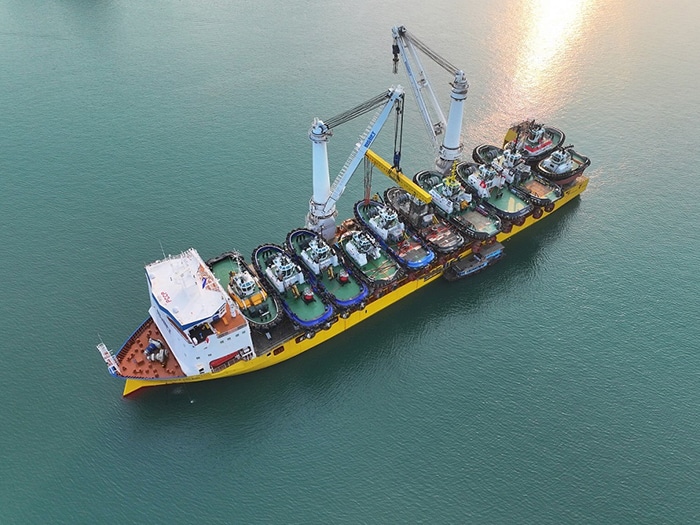
17.1. Heavy Lift: Requires 14-day notice for loads exceeding 100t. Mandatory stability calculation review by port engineer.
17.2. Night Operations: Additional 20% labor surcharge. No open hatch operations permitted after 2200 hours.
17.3. Cold Ironing: Available at Berths 3 and 7 (6.6kV, 60Hz). Connection requires certified electrician on board.
18. Vessel Maintenance
18.1. Underwater Inspections: Permitted with prior approval (48h notice). No hull cleaning or painting in port waters.
18.2. Repair Works: Hot work requires fire watch and CO2 system standby. Maximum concurrent repairs limited to 3 systems.
18.3. Tank Cleaning: Prohibited for oil tankers within port limits. Gas-free certificates required for entry.
19. Fishing Vessel Regulations
19.1. Designated Areas: Separate berthing at Fishing Terminal West (max LOA 80m). Priority given to local registered vessels.
19.2. Discharge Rules: Fish waste must be containerized (no overboard discharge). Daily cleaning required for sanitary compliance.
19.3. Fuel Restrictions: No bunkering within 200m of fish processing facilities.
20. Port Authority Contacts
20.1. Port Control: VHF Ch 12 (primary), Ch 16 (emergency). Landline +81-770-XX-XXXX (official published number).
20.2. Customs: On-site office open 0800-2000 daily. After-hours clearance requires 4h notice.
20.3. Immigration: Crew changes processed through designated agent system (pre-approved companies only).
21. Dangerous Goods Handling
21.1. Classifications: Strict adherence to Japan’s Fire Service Act classifications (Class 1-6). Special permits required for Class 2.3 toxic gases.
21.2. Storage Requirements: Explosives (Class 1.1) must be stored in designated magazines 500m from main berths. Temperature monitoring mandatory for Class 4.1 materials.
21.3. Emergency Kits: Vessels carrying DG must maintain specialized spill kits (quantity based on IMDG Code Chapter 5.4).
22. Ice Navigation Provisions
22.1. Winter Operations: Icebreaker assistance available December-March (48h notice required). Ice class requirements: JIS IA standard minimum for vessels berthing January-February.
22.2. De-icing Procedures: Port-operated hot water spray systems at critical berths (North Terminal 1-3). Vessel hull de-icing prohibited within port waters.
22.3. Temperature Monitoring: Mandatory hourly deck temperature reports when ambient drops below -5°C.
23. Passenger Vessel Regulations
23.1. Terminal Facilities: Dedicated passenger terminal (West Pier) with maximum capacity 2,000 persons. Gangway angle must not exceed 30 degrees.
23.2. Embarkation Procedures: 100% baggage screening for international cruises. Medical quarantine facilities available for ships carrying >100 passengers.
23.3. Safety Drills: Mandatory passenger muster within 2 hours of berthing. Port-approved evacuation routes must be clearly marked.
24. Port Meteorological Services
24.1. Reporting System: Automated weather station (AWS) provides real-time data (wind/visibility updates every 10 minutes). Vessels must report observed sea conditions when entering.
24.2. Storm Procedures: Typhoon warning stage 3 triggers mandatory double mooring for all vessels. Cargo operations cease when sustained winds exceed 15m/s.
24.3. Tide Information: Real-time tidal predictions available via port website (certified by Japan Hydrographic Association).
25. Port Sanitation Measures
25.1. Pest Control: Mandatory deratting certificates for vessels from high-risk areas (WHO designated ports). Fumigation services available with 72h notice.
25.2. Food Safety: Ship provisions inspection conducted randomly (15% of vessels). Galley waste must be incinerated or landed – no overboard disposal.
25.3. Water Quality: Monthly bacteriological testing of port waters (results published on notice board). Swimming strictly prohibited in operational areas.
26. Vessel Inspection Protocols
26.1. Routine Checks: All international vessels subject to initial inspection within 2 hours of berthing. Focus areas include safety equipment, documentation, and hull condition.
26.2. Special Inspections: Tankers undergo additional checks of cargo systems and inert gas systems. Inspection frequency based on SIRE and CDI ratings.
26.3. Deficiency Rectification: Critical deficiencies must be addressed within 24 hours. Non-critical items require corrective action plan within 7 days.
27. Bunkering Operations
27.1. Fuel Quality: Mandatory MARPOL Annex VI sampling with 3-part documentation. Sulfur content verification required before transfer.
27.2. Safety Zones: 50m exclusion zone during bunkering operations. No hot work permitted on receiving vessel during transfer.
27.3. Emergency Procedures: Dedicated spill response team on standby for all bunkering operations exceeding 500 tons.
28. Crew Change Procedures
28.1. Documentation: Seafarers must present valid CDC, passport, and vaccination certificates. Visa requirements strictly enforced.
28.2. Transportation: Approved shuttle services only between port and airport. Crew must remain in designated transit areas.
28.3. Health Protocols: Mandatory temperature checks and health questionnaire for all embarking/disembarking crew members.
29. Port Security Measures
29.1. Access Control: Biometric identification required for all port personnel. Visitor passes valid for maximum 8 hours.
29.2. Surveillance: 24/7 CCTV coverage of operational areas with 90-day data retention. Automatic number plate recognition at all gates.
29.3. Drone Restrictions: No unmanned aerial vehicles permitted within 1km of port facilities without prior authorization.
30. Environmental Monitoring
30.1. Water Quality: Continuous monitoring at 5 strategic points. Real-time oil content detectors with 0.1ppm sensitivity.
30.2. Air Quality: PM2.5 and SOx monitoring stations operational at all terminals. Data reported monthly to Fukui Prefecture.
30.3. Noise Control: Nighttime operations (2200-0600) must maintain below 65dB at port boundary. Regular compliance checks conducted.
31. Navigation Equipment Requirements
31.1. Vessel Systems: All vessels >500 GT must maintain operational AIS, VHF, and ECDIS systems. Backup power supply for navigation equipment mandatory.
31.2. Testing Protocols: Daily system checks required with log entries. Port authority may request equipment demonstration during inspections.
31.3. Emergency Communications: Satellite phone or equivalent required for vessels operating beyond 20nm from coast.
32. Port Lighting Standards
32.1. Operational Areas: Minimum 50 lux illumination at all working decks. Motion-activated lighting in storage areas.
32.2. Navigation Aids: Channel markers equipped with LED lights (3nm visibility). Backup power systems tested weekly.
32.3. Emergency Lighting: Self-contained units with 3-hour minimum duration throughout port facilities.
33. Hazardous Material Storage
33.1. Designated Zones: Class-specific storage areas with secondary containment. Minimum separation distances strictly enforced.
33.2. Ventilation Requirements: Mechanical ventilation systems for indoor storage (6 air changes/hour). Continuous monitoring for flammable vapors.
33.3. Labeling Standards: Multilingual hazard signs compliant with GHS standards. Inventory tracking system updated in real-time.
34. Port Fire Safety
34.1. Equipment Standards: Foam stations every 50m at liquid cargo berths. Annual pressure testing of all hydrants.
34.2. Response Teams: Certified firefighters on duty 24/7. Mutual aid agreements with municipal fire departments.
34.3. Drills: Mandatory quarterly fire exercises for port personnel. Vessel crews must participate in annual port safety drills.
35. Cargo Documentation
35.1. Electronic Submission: All manifests through JPORT system prior to arrival. Paper backups required for dangerous goods.
35.2. Verification Process: Random cargo checks (minimum 5% of shipments). X-ray scanning for containers from high-risk origins.
35.3. Discrepancy Reporting: Any documentation errors must be corrected within 4 hours of identification.
36. Port Waste Management
36.1. Reception Facilities: Dedicated areas for oily waste (max capacity 200m³), sewage (150m³), and solid waste (20 tons/day).
36.2. Disposal Procedures: Segregated waste streams with mandatory tracking. Hazardous waste requires special handling permits.
36.3. Recycling Requirements: Minimum 60% recycling rate for operational waste. Separate containers for metal, paper, and plastic.
37. Vessel Speed Limits
37.1. Approach Channels: Maximum 8 knots within 3nm of port entrance. Tug escort required for speeds below 4 knots.
37.2. Maneuvering Areas: 5 knot limit within port basin. No-wake zones strictly enforced near mooring operations.
37.3. Penalties: Speed violations incur progressive fines (¥50,000-¥200,000) based on exceedance percentage.
38. Port Communication Systems
38.1. Primary Channels: VHF Ch 16 (distress), Ch 12 (port operations), Ch 70 (DSC). Digital backup via port-wide fiber network.
38.2. Emergency Broadcasts: Automated PA system covers all operational areas with 99.9% uptime guarantee.
38.3. Language Requirements: English/Japanese bilingual communications mandatory for vessel-port interactions.
39. Anchorage Regulations
39.1. Designated Areas: North anchorage (max 10 vessels) and South anchorage (max 15 vessels). Prior reservation required.
39.2. Holding Times: Maximum 72-hour stay without special permission. Daily position reporting mandatory.
39.3. Safety Requirements: Anchor watch required at all times. Minimum 200m separation between vessels.
40. Port Accessibility
40.1. Disability Access: ADA-compliant facilities at all passenger terminals. Priority assistance available with 24h notice.
40.2. Service Animal Policy: Registered guide dogs permitted with proper documentation. Quarantine waivers available.
40.3. Navigation Assistance: Tactile guidance paths and audible signals at key transit points.
41. Port Emergency Response
41.1. Incident Classification: Tier 1 (vessel-level), Tier 2 (terminal-level), Tier 3 (port-wide) emergencies with corresponding response protocols.
41.2. Emergency Assembly: Designated muster points every 200m with capacity for 150 persons each. Quarterly evacuation drills required.
41.3. Mutual Aid: Pre-established agreements with regional hospitals (within 30min response time) and specialized response teams.
42. Vessel Mooring Standards
42.1. Line Requirements: Minimum 8 mooring lines for vessels >200m LOA. Synthetic lines must have ≥60% elongation capacity.
42.2. Tension Monitoring: Automated monitoring systems required at all deep-water berths. Alarms triggered at 65% of MBL.
42.3. Weather Adjustments: Mandatory line adjustment when sustained winds exceed 25 knots or significant wave height >1.5m.
43. Port IT Infrastructure
43.1. Network Security: ISO 27001 certified data centers with 256-bit encryption. Mandatory dual-factor authentication for all port systems.
43.2. System Redundancy: 99.99% uptime guarantee with backup generators and dual fiber optic routes. Real-time data mirroring to disaster recovery site.
43.3. Data Retention: Operational data stored for 7 years, surveillance footage for 90 days (critical incidents 365 days).
44. Dangerous Cargo Handling
44.1. Specialized Equipment: Explosion-proof forklifts (ATEX certified) and non-sparking tools required for Class 1 cargo.
44.2. Segregation Rules: IMDG Code separation requirements strictly enforced with color-coded storage zones.
44.3. Emergency Kits: Class-specific spill response kits positioned within 50m of all DG handling areas.
45. Port Personnel Training
45.1. Certification Requirements: Mandatory STCW for operational staff, with port-specific modules on local regulations.
45.2. Refresher Courses: Annual safety training including new equipment familiarization and emergency procedure updates.
45.3. Contractor Compliance: Third-party vendors must complete port orientation and pass security screening.
46. Port Customs Procedures
46.1. Clearance Process: Electronic submission through NACCS system required 24 hours prior to arrival. Physical inspections conducted on 15% of shipments.
46.2. Restricted Items: Prohibited goods list updated quarterly. Temporary import bonds required for certain transshipment cargo.
46.3. Express Lanes: AEO-certified companies qualify for expedited processing with 1-hour guaranteed clearance window.
47. Vessel Traffic Services
47.1. Monitoring Coverage: Radar coverage extends 25nm from port with AIS integration. Mandatory reporting points at 12nm and 5nm.
47.2. Movement Scheduling: Slot allocation system with 30-minute precision. Priority given to perishable and dangerous goods carriers.
47.3. Special Conditions: Fog procedures implemented when visibility <500m, requiring pilotage and reduced speed limits.
48. Port Facility Maintenance
48.1. Infrastructure Checks: Daily visual inspections of berths, weekly ultrasonic testing of critical structural elements.
48.2. Repair Protocols: Emergency repairs initiated within 2 hours for safety-critical defects. Non-urgent repairs completed within 14 days.
48.3. Corrosion Control: Cathodic protection systems monitored monthly. Protective coatings reapplied on 5-year cycle.
49. Marine Pollution Control
49.1. Discharge Limits: Zero discharge policy for all operational wastewater. Ballast water exchange prohibited within port limits.
49.2. Spill Response: Tiered response teams with 30-minute activation time for major incidents. Oil boom deployment within 1 hour required.
49.3. Wildlife Protection: Seasonal operational restrictions in sensitive marine habitats (Mar-Dec). Mandatory wildlife observers for dredging operations.
50. Port Performance Metrics
50.1. Operational KPIs: Berth occupancy <75%, crane productivity >25 moves/hour, truck turnaround <45 minutes.
50.2. Customer Service: 24/7 helpdesk with 15-minute response guarantee. Complaint resolution within 3 business days.
50.3. Sustainability Targets: 5% annual reduction in carbon intensity, 10% annual increase in renewable energy usage.
51. Port Security Clearances
51.1. Background Checks: Mandatory 5-year criminal history review for all port access badge holders. Renewal required biennially.
51.2. Restricted Areas: Biometric access control for sensitive zones with 24/7 video surveillance and motion detection.
51.3. Visitor Protocols: Escort requirements for non-cleared personnel. Temporary badges valid for single-day use only.
52. Vessel Fueling Regulations
52.1. Bunker Quality: ISO 8217 standards enforced with batch testing. Sulfur content verification via mass flow meters.
52.2. Safety Zones: 30m exclusion radius during fueling operations. Static bonding required before transfer commences.
52.3. Emergency Cutoff: Remotely activated shutdown systems tested weekly. Spill containment capacity for 110% of maximum transfer volume.
53. Port Meteorological Services
53.1. Monitoring Systems: Real-time weather stations reporting wind (anemometers), visibility (transmissometers), and sea state (wave radars).
53.2. Storm Protocols: Tropical cyclone warning system activates at 48-hour forecast window. Mandatory equipment securing procedures.
53.3. Ice Prevention: Heated bollards and anti-icing systems operational when temperatures fall below -5°C.
54. Cargo Handling Equipment
54.1. Certification Requirements: Annual load testing for all cranes. Non-destructive testing of critical components every 3 years.
54.2. Operational Limits: Wind speed restrictions (25 knots for gantry cranes, 35 knots for RTGs). Automatic shutdown when exceeded.
54.3. Maintenance Logs: Digital records of all servicing with minimum 5-year retention. Fault reporting within 1 hour of detection.
55. Port Community System
55.1. Data Integration: Single window platform connecting 28 government agencies and 150+ commercial operators.
55.2. Transaction Types: 97% of port processes digitized including bookings, payments, and clearance documentation.
55.3. System Availability: 99.95% uptime SLA with 4-hour maximum recovery time objective for critical systems.