Houthi-run Al Masirah TV reported more than 10 strikes on various locations, including the Al-Safra district of Saada. The area houses weapons storage and training sites, and is considered one of the group’s most important and heavily fortified military strongholds, according to Yemeni sources.
The strikes, launched on Saturday over theHouthis’ attacks against Red Sea shipping, are the biggest U.S. military operation in the Middle East since President Donald Trump took office in January.
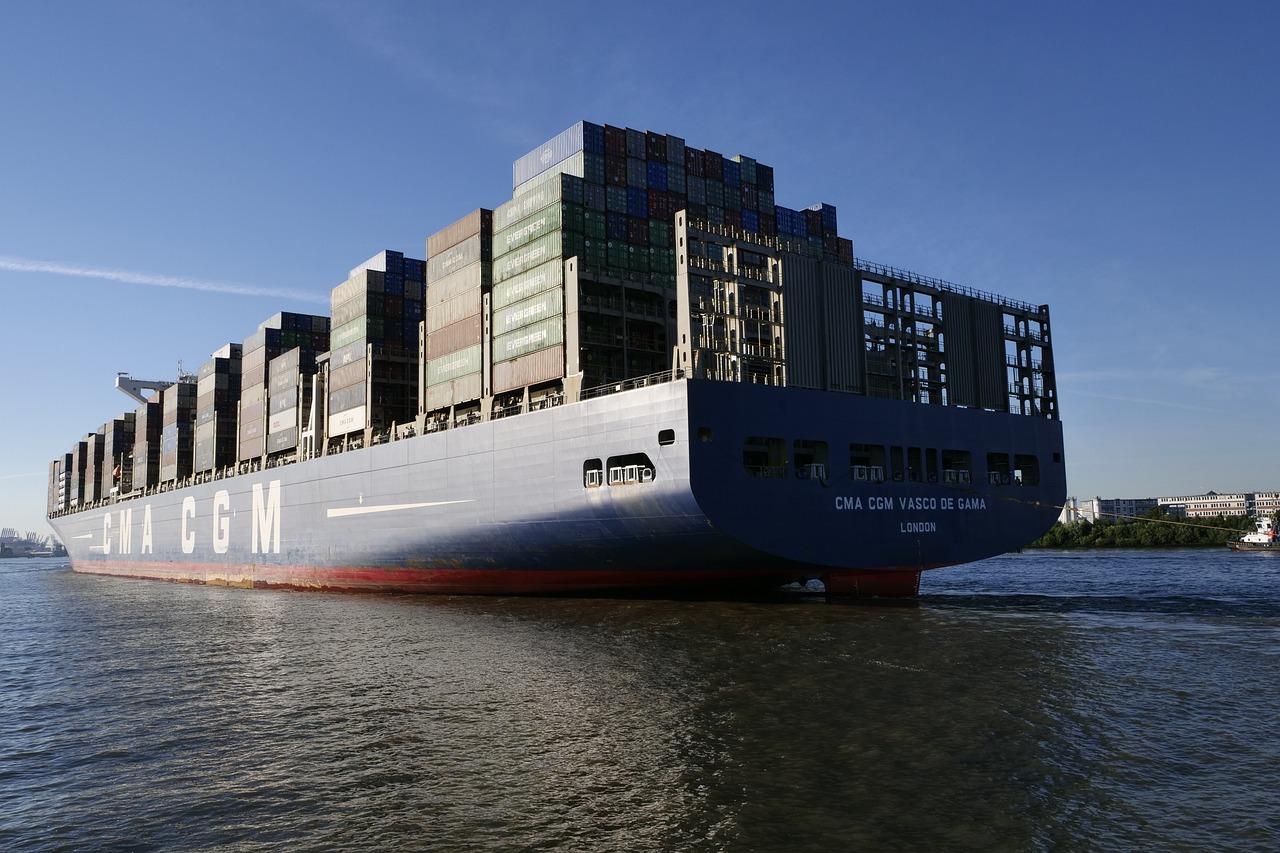
The Iran-alignedHouthis have carried out over100 attackson shipping after Israel’s war with Hamas began in late 2023, saying they were acting in solidarity with Gaza’s Palestinians. The attacks have disrupted global commerce and set the U.S. military off on a costly campaign to intercept missiles.
Houthileaders say they will escalate attacks in response to the U.S. campaign. Jamal Amer, theHouthiforeign minister, told Reuters from Sanaa on Monday: “Now we see that Yemen is at war with the U.S. and that means that we have a right to defend ourselves with all possible means, so escalation is likely.”
TheHouthis are part of what has been called the “Axis of Resistance” – an anti-Israel and anti-Western alliance of regional militias including Hamas, Hezbollah and armed groups in Iraq, all backed by Iran.
Trump threatened to holdIran accountablefor any futureHouthiattacks, warning of severe consequences.
Two senior Iranian officialstold Reutersthat Iran had delivered a verbal message to theHouthienvoy in Tehran asking the group to cool tensions.
TheHouthis, who have taken control of most of Yemen over the past decade, said last week they would resume attacks on Israeli ships after weeks of relative calm in the Red Sea following aGaza ceasefire in January.
Under the leadership ofAbdul Malik al-Houthi, the force has grown to number tens of thousands and has built a sophisticated arsenal of drones and ballistic missiles.
Since airstrikes started under former U.S. President Joe Biden’s administration, the group has moved its weapons away from known military sites, Yemeni sources said.
They established new trenches and bunkers to avoid being targeted by the U.S., but the latest U.S. campaign has targeted the newly established sites and forced theHouthileadership into hiding, the sources told Reuters.
The leaders have switched off or discarded their mobile phones to avoid detection, cutting off communications.
The only top leader to appear publicly recently was Mohammed Ali al-Houthi, head of the militia’s Supreme Revolutionary Committee, who was seen–in a video circulated on social media – disguised as a civilian on a bus two days ago, before delivering a speech in Sanaa’s Sabeen Square.
On Tuesday, ?Israeli Prime Minister Benjamin Netanyahu announced theresumption of airstrikes on Gazaand theHouthis declared they would expand their targets in Israel in the coming hours and days unless the “aggression” against Gaza stops.
The group’s military spokesman has said without providing evidence that it had launched attacks against the U.S. aircraft carrier USS Harry S. Truman in the Red Sea.
A U.S. officialsaid on SundayU.S. warplanes shot down 11Houthidrones none of which came close to the Truman. U.S. forces also tracked a missile that splashed down off the coast of Yemen and was not deemed a threat, the official said.
(Reporting by Mohammed Ghobari, Ahmed Tolba; writing by Jana Choukeir; Editing Michael Georgy and Ros Russell)