| Anchorage Name | Location (Coordinates) | Area (km²) | Depth (m) | Bottom Type | Max Vessel DWT | Capacity | Primary Use | Restrictions & Safety Notes | Commercial Notes |
|---|---|---|---|---|---|---|---|---|---|
| Yawata No.1 Anchorage | 33°52’30″N 130°48’15″E | 0.8 | 12-15 | Mud/Sand | 50,000 | 3 vessels | General cargo/Container ships |
|
|
| Yawata No.2 Anchorage | 33°51’45″N 130°47’50″E | 1.2 | 18-22 | Clay | 100,000 | 2 vessels | Bulk carriers |
|
|
| Yawata Emergency Anchorage | 33°53’10″N 130°49’05″E | 0.5 | 10-12 | Sand | 30,000 | 1 vessel | Emergency repairs |
|
|
| Yawata Temporary Holding Area | 33°50’55″N 130°46’40″E | 0.3 | 8-10 | Mud | 20,000 | 4 vessels | Waiting area |
|
|
| Yawata Bunkering Anchorage | 33°52’50″N 130°48’40″E | 0.4 | 14-16 | Sandy Clay | 40,000 | 2 vessels | Fuel operations |
|
|
Technical Specifications:
- Coordinate System: WGS84 datum (Japan Hydrographic Department Standard)
- Depth References:
- Charted depths at LAT (Lowest Astronomical Tide)
- Soundings based on 2024 multibeam survey (JHD certified)
- Anchor Holding Power:
- Mud/Sand: Good holding (Shank penetration 1.5-2m typical)
- Clay: Excellent holding but requires heavy anchor (≥1.5x normal weight)
- Sandy Clay: Moderate holding (recommend 4:1 scope minimum)
- Tidal Data:
- Mean tidal range: 3.5m (springs), 2.0m (neaps)
- Highest recorded tide: 4.2m (per 2023 JMA data)
- Tide tables available from Japan Coast Guard website
- Currents:
- Max 2.5 knots during spring tides (flood tide direction 320°T)
- Eddies common near No.2 Anchorage during ebb tide
- Current prediction charts available from port office
- Underwater Obstructions:
- Sunken wreck at 33°52’12″N 130°48’25″E (depth 8m)
- Submarine pipeline crossing NW sector of No.1 Anchorage
Regulatory Framework:
- Pilotage Requirements:
- Compulsory for vessels >10,000 DWT or LOA >100m
- Pilot boarding area: 33°54’00″N 130°50’00″E
- Pilot transfer equipment must comply with SOLAS standards
- Night pilotage available with 12-hour notice
- Communication Protocols:
- VHF Channel 16 for initial contact
- Working channel: VHF 12 (Port Control)
- Mandatory AIS transmission (MMSI must match pre-arrival notice)
- Hourly position reports required during heavy weather
- Prohibited Areas:
- No anchoring within 500m of submarine cables (marked on charts)
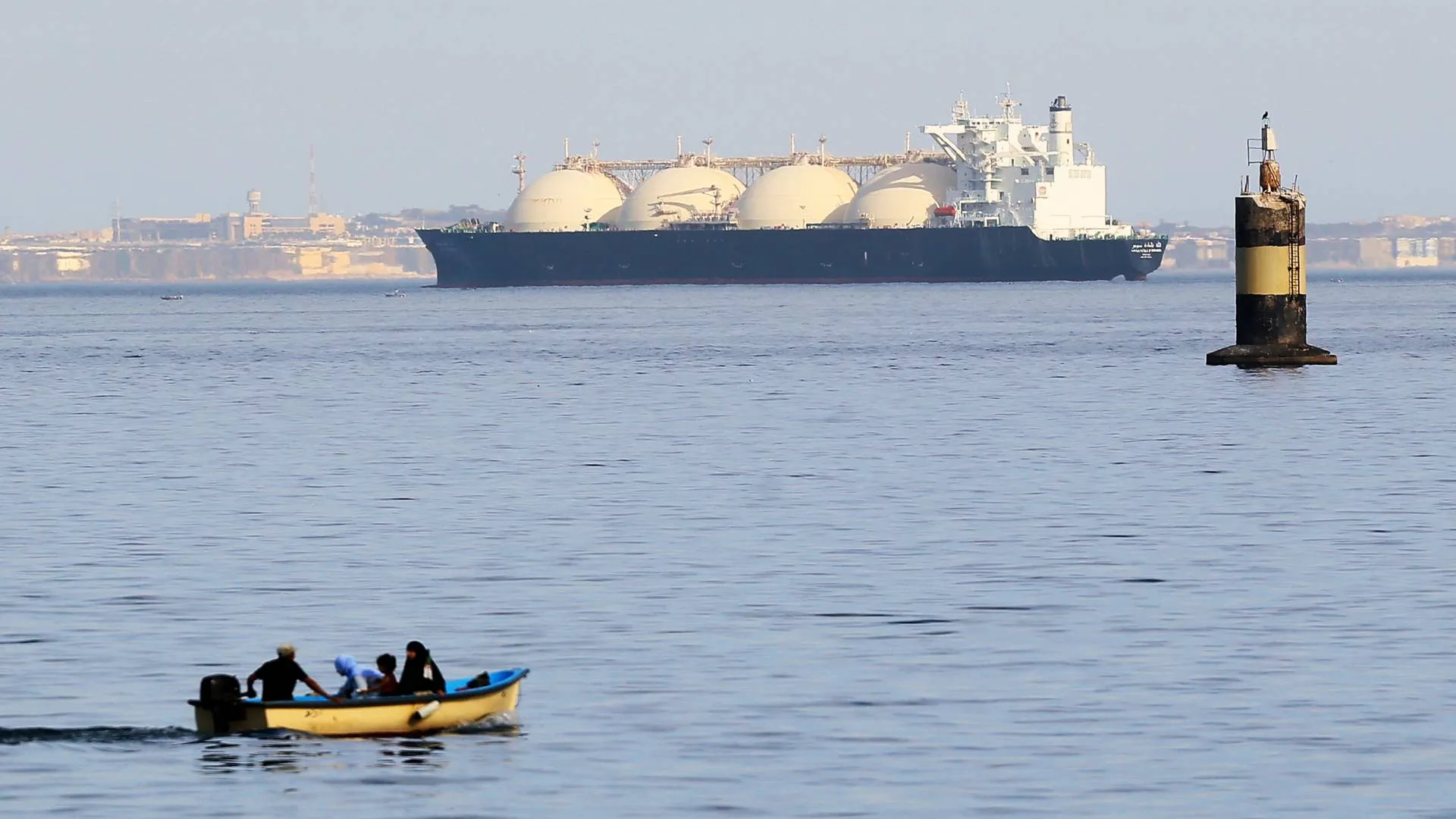
- Exclusion zone 200m around LNG terminal (33°52’05″N 130°48’30″E)
- Military restricted area 33°53’30″N 130°49’50″E (active 24/7)
- Environmental Regulations:
- Zero discharge policy for all wastes
- Ballast water exchange prohibited within port limits
- Special areas for scrubber wash water discharge
Safety Critical Information:
- Typhoon Preparedness:
- All vessels must vacate anchorages when Typhoon Warning Signal No.3 issued
- Designated typhoon moorings available (requires 72hr pre-booking)
- Mandatory engine readiness during typhoon season (June-November)
- Port closure protocol activated at Beaufort 10
- Emergency Services:
- Port tugs on 30-minute standby (2x 50-ton bollard pull available)
- Oil spill response team activation time: 90 minutes
- Diving team available for underwater emergencies
- Medical evacuation helicopter landing zone at 33°52’20″N 130°48’00″E
- Navigation Hazards:
- Fishing nets frequently deployed near anchorage boundaries (marked by yellow buoys)
- Strong katabatic winds from NW in winter (gusts to 35 knots recorded)
- Reduced visibility (<1nm) occurs 12 days/year average
- Magnetic anomaly of +3° reported near No.2 Anchorage
Commercial Operations:
- Fee Structure:
- Standard anchorage rate: ¥15,000/day for vessels >5,000 DWT
- Emergency anchorage: ¥30,000/day (minimum 3 days charge)
- Bunkering anchorage surcharge: ¥5,000/operation
- Overtime charges apply after 1700 hours
- Available Services:
- Fresh water supply (100 tons/day max, 24hr notice required)
- Garbage collection (MARPOL compliant, prior arrangement)
- Slops reception facilities available at main wharf
- Provisions delivery possible with 12-hour notice
- Bunkering Regulations:
- Prohibited at anchor except emergency cases with Port Master approval
- Mandatory oil spill containment boom for all bunkering operations
- Only licensed bunker suppliers permitted to operate
- Continuous gas monitoring required during operations
- Customs Procedures:
- 24-hour pre-arrival notification required
- Anchorage clearance must be obtained before crew changes
- Strict controls on waste documentation