1. Port and Terminal Operations
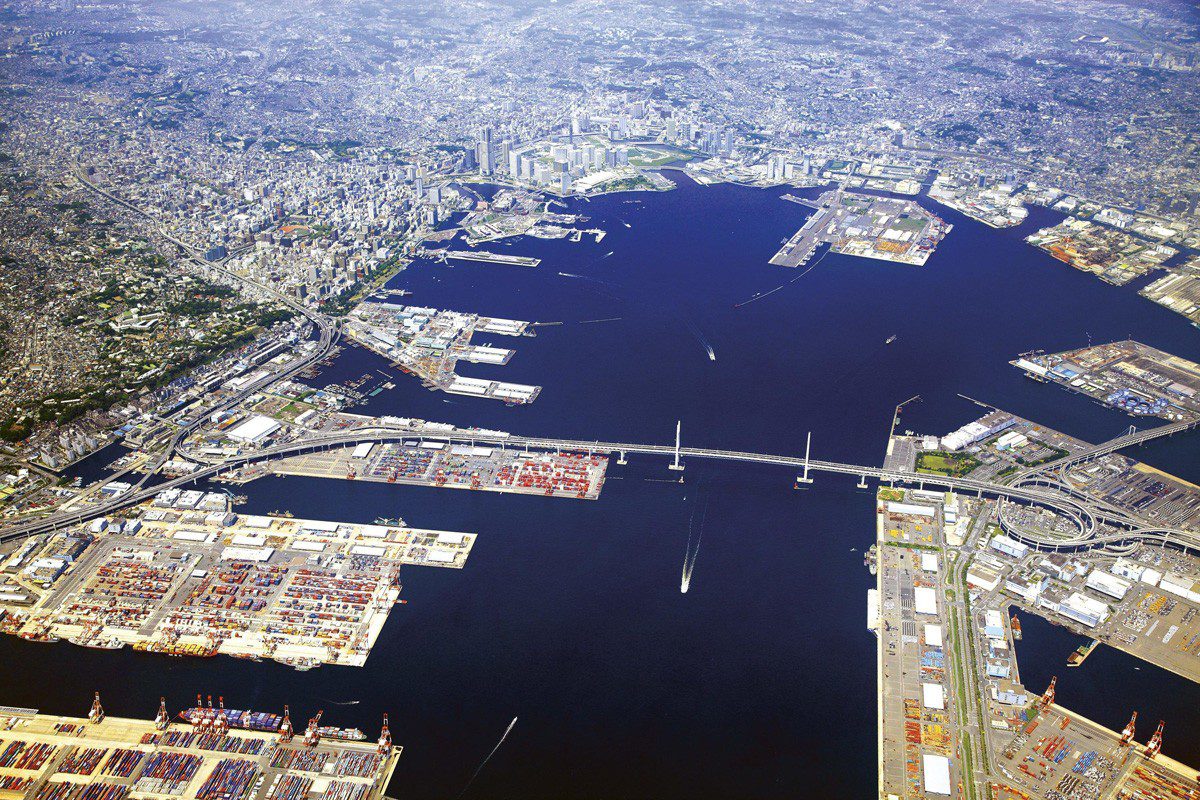
1.1 Yokohama Port operates 24/7, but specific terminals may have restricted hours. Confirm operational schedules with the terminal operator in advance.
1.2 The port has 10 major berths for international vessels, with depths ranging from 10m to 16m. Always verify current dredging status via Port of Yokohama website.
1.3 Container terminals (Honmoku, Daikoku) require mandatory advance notice 72 hours prior to arrival for slot allocation.
2. Navigation and Pilotage
2.1 Mandatory pilotage for vessels over 3,000 GT or LOA exceeding 100m. Pilot boarding area at 35°27.0’N, 139°46.5’E (updated 2023 coordinates).
2.2 Main channel depth maintained at 15m (MLW), but temporary restrictions may apply during maintenance dredging (check NOTMARs).
2.3 VHF Channel 16/12 for port communications. Channel 14 dedicated for pilot coordination.
3. Anchorage Regulations
3.1 Designated anchorage areas (A-1 to A-3) have holding ground of clay/sand. Anchorage A-2 temporarily closed for submarine cable works until Dec 2024.
3.2 Maximum anchoring period: 72 hours without special permission from Yokohama Port Authority.
3.3 Anchor watch must be maintained at all times due to frequent commercial traffic in vicinity.
4. Cargo Handling Requirements
4.1 Hazardous cargo operations require 96-hour pre-arrival notification to Yokohama Municipal Government Fire Bureau.
4.2 Grain terminals enforce strict dust control measures – non-compliance may result in operations suspension.
4.3 Refrigerated containers must have pre-arrival power request submitted 48 hours prior to berthing.
5. Safety and Emergency
5.1 Port emergency tug stationed at Honmoku Pier with 15-minute response time capability.
5.2 Oil spill response equipment stockpiled at Daikoku Cargo Terminal as per IMO Tier 1 requirements.
5.3 Mandatory ship-side fire drills required within 12 hours of berthing for vessels carrying Class A cargo.
6. Environmental Compliance
6.1 Strict enforcement of 0.1% sulfur cap within port limits (including at anchor). Fuel changeover must be logged and reported.
6.2 Ballast water management records must be available for inspection – Japan follows IMO D-2 standard.
6.3 No garbage discharge permitted within 12nm of port. Use port reception facilities only.
7. Crew and Documentation
7.1 Shore leave permitted with valid passport and landing permit issued by immigration at Osanbashi Terminal.
7.2 Original vaccination certificates required for crew changes (yellow fever if applicable).
7.3 PSC inspections average 3 hours duration – ensure all certificates are current and accessible.
8. Special Notices
8.1 Annual typhoon preparedness drill conducted every May – participating vessels receive port fee discounts.
8.2 Night navigation restrictions apply for vessels with LOA >250m during winter monsoon season (Dec-Feb).
8.3 Construction works at Shinko Pier until Q2 2025 may cause congestion – add 10% to planned turnaround times.
9. Port Security
9.1 ISPS Level 1 maintained at all terminals. Gangway watch must be posted 24/7 with access control logs available for inspection.
9.2 Armed guards prohibited within port limits unless pre-approved by Japan Coast Guard (minimum 14-day notice required).
9.3 Drone operations strictly prohibited without prior permission from Yokohama Port Security Office.
10. Bunkering and Supplies
10.1 Low-sulfur fuel (0.1%) available at Honmoku and Daikoku bunkering stations. Advance notice 48 hours required for stem quantities >1,000MT.
10.2 Freshwater supply pressure: 3.5 bar at all berths. Contamination testing mandatory before connecting hoses.
10.3 Provisions delivery allowed only through licensed contractors – no private vendors permitted.
11. Port Dues and Charges
11.1 Port dues calculated based on GT and cargo volume. Electronic payment (SWIFT) required before departure.
11.2 Waste disposal fees: ¥25,000 per cubic meter for non-recyclable garbage (2024 tariff).
11.3 Overtime charges apply for weekend/holiday operations – 150% of standard rates.
12. Weather Considerations
12.1 Typhoon season (June-October): Vessels must maintain 12-hour readiness to vacate berths upon Port Captain’s order.
12.2 Winter northerly winds (November-March) may require additional mooring lines at exposed berths.
12.3 Fog procedures enacted when visibility <500m - movement restrictions apply.
13. Customs and Immigration
13.1 Ship’s stores declaration must be submitted 24 hours before arrival via Japan Customs Nippon Automated Cargo and Port Consolidated System (NACCS).
13.2 Crew personal effects exceeding ¥200,000 in value require declaration.
13.3 Prohibited items include certain medications (e.g., pseudoephedrine) – check latest Japan Customs website updates.
14. Local Regulations
14.1 Strict noise control (≤60dB) enforced 2200-0600 hours at residential adjacent berths (Shinko, Osanbashi).
14.2 No overboard discharge of any kind permitted, including treated sewage within port limits.
14.3 Fishing or swimming prohibited within port area – violation may incur ¥500,000 fine.
15. Communication Protocols
15.1 Port Control must be notified immediately of any:
– Machinery failures affecting maneuverability
– Pollution incidents (even minor oil sheens)
– Medical emergencies requiring shore assistance
15.2 All incidents must be reported using standardized Japan P&I Club forms available at port offices.
16. Vessel Traffic Management
16.1 Vessels exceeding 50,000 DWT must request traffic clearance 24 hours prior to entering port approaches.
16.2 Speed limits: 8 knots within harbor limits, 5 knots within 500m of berths or anchored vessels.
16.3 Automatic Identification System (AIS) must remain operational at all times while in port waters.
17. Mooring Requirements
17.1 Minimum mooring configuration: 4 headlines, 4 stern lines, and 2 breast lines for vessels under 200m LOA.
17.2 Synthetic mooring lines require prior approval from harbor master due to bollard compatibility concerns.
17.3 Tidal range of 1.8m (max) requires regular adjustment of mooring lines – hourly checks mandatory.
18. Dangerous Goods Handling
18.1 IMDG Class 1 explosives require special berthing arrangements – submit request 10 days in advance.
18.2 Radioactive materials (Class 7) may only be handled at designated Daikoku Terminal Area D.
18.3 Gas-free certificates required before hot work on tankers – validity 12 hours only.
19. Port Services Availability
19.1 Hull cleaning services prohibited while alongside (diving operations require special permit).
19.2 Slop reception facilities available at Honmoku Terminal – prior appointment required.
19.3 No ship repair services available for foreign vessels except emergency repairs approved by Port State Control.
20. Navigation Warnings
20.1 Temporary exclusion zones may be established for naval exercises – monitor VHF Ch 16 for updates.
20.2 Submarine cables marked on charts require 500m clearance zone – anchoring prohibited.
20.3 High-speed ferries operate in main channel – extreme caution required when crossing fairways.
21. Health Protocols
21.1 Maritime Declaration of Health must be submitted 24 hours before arrival to Quarantine Office.
21.2 Crew medical waste must be stored in designated containers for shore disposal – no incineration aboard.
21.3 Malaria prophylaxis not required but mosquito control measures inspected during boarding.
22. Cargo Documentation
22.1 Original bills of lading required for all breakbulk cargo release – no electronic copies accepted.
22.2 Hazardous cargo manifests must include UN numbers in both Arabic numerals and words.
22.3 Timber cargo certificates must specify fumigation dates and chemicals used.
23. Port Infrastructure
23.1 Maximum air draft: 55m at high tide for vessels transiting under Yokohama Bay Bridge.
23.2 All gantry cranes rated for SWL 50 tons – overweight lifts require special engineering review.
23.3 Truck loading zones have 4.2m height clearance – confirm cargo dimensions match landside transport capacity.
24. Tug Services
24.1 Minimum tug assistance requirements: 2 tugs for vessels 150-200m LOA, 3 tugs for vessels >200m LOA.
24.2 Tug rendezvous point: 35°25.5’N 139°45.8’E – vessels must maintain 5 knots speed for safe connection.
24.3 Emergency tug available 24/7 with 30-minute response time – contact Port Control on VHF Ch 12.
25. Ice and Cold Weather Operations
25.1 No icebreaking services available – vessels must maintain own de-icing equipment December-February.
25.2 Hydraulic systems must use cold-resistant oil (minimum -10°C rating) during winter months.
25.3 Deck machinery covers mandatory when temperatures drop below freezing.
26. Waste Management
26.1 Segregated waste reception facilities available at all terminals – mixed waste incurs 200% surcharge.
26.2 Food waste must be separated and recorded in garbage record book with estimated volume in liters.
26.3 Plastic waste compactors available – maximum bale size 1m³ for efficient shore disposal.
27. Crew Welfare Facilities
27.1 Seafarers’ Center located at Osanbashi Terminal open 0900-2100 daily (except national holidays).
27.2 Free shuttle bus service operates between major terminals and crew facilities every 45 minutes.
27.3 Medical clinic at Honmoku Terminal handles emergency cases only – appointment required for non-emergencies.
28. Electronic Reporting
28.1 Electronic Pre-Arrival Report (ePAR) must be submitted via Japan MICS system 24 hours before ETA.
28.2 Digital crew list format must comply with IMMRAS standards – manual submissions not accepted.
28.3 Bunker delivery notes must be uploaded to Port Authority portal within 1 hour of completion.
29. Port State Control
29.1 Tokyo MOU inspection rate: 18% for foreign vessels – priority given to high-risk ships.
29.2 Common deficiencies: fire damper malfunctions, emergency lighting faults, and outdated charts.
29.3 Detention appeal process must be initiated within 24 hours of inspection report issuance.
30. Special Cargo Considerations
30.1 Oversized cargo handling limited to daylight hours only – night operations prohibited.
30.2 Project cargo stowage plans require prior approval from Port Engineering Department.
30.3 Vehicles with fuel tanks >1/4 full require special fire watch during loading/unloading.
31. Communication Infrastructure
31.1 Port-wide WiFi coverage available (Yokohama_Port_Guest) – registration required using ship’s call sign.
31.2 Emergency satellite phone access provided at all terminal offices (Inmarsat standard).
31.3 Digital notice boards display real-time operational updates at each berth.
32. Vessel Inspection Services
32.1 Underwater hull inspections permitted only at designated areas with prior port authority approval.
32.2 Drone-assisted inspections require 72-hour notice and certified operators.
32.3 Tanker gas-free inspections must be conducted by approved surveyors from ClassNK or equivalent IACS members.
33. Barge Operations
33.1 All barges must display proper lighting and IMO identification numbers when operating after dark.
33.2 Barge-to-ship transfers limited to daylight hours with maximum 2.5m swell conditions.
33.3 Barge operators must maintain continuous VHF contact with Port Control during movements.
34. Port Entry Procedures
34.1 Final entry clearance granted only after verification of all crew passports by immigration officials.
34.2 Vessels must display quarantine flag (Q) until pratique is granted.
34.3 Last port departure certificates must be originals with wet signatures – scanned copies not accepted.
35. Emergency Preparedness
35.1 Mandatory emergency towing arrangements must be rigged and ready during entire port stay.
35.2 Oil spill containment boom deployment capability required for tankers during cargo operations.
35.3 Emergency muster list must include specific port emergency contact numbers.
36. Cargo Securing
36.1 Container lashing gear must meet Japan Industrial Standard (JIS) certification requirements.
36.2 Breakbulk cargo securing plans require approval from Japan Cargo Securing Association.
36.3 Heavy lift items (>100 tons) require additional securing inspections every 12 hours.
37. Port Lighting Requirements
37.1 Working deck illumination minimum 200 lux during night operations.
37.2 Navigation lights must remain on throughout port stay regardless of daylight conditions.
37.3 Emergency lighting systems tested and logged before arrival.
38. Crew Training Requirements
38.1 Port-specific safety orientation required for all crew members going ashore.
38.2 Designated officers must complete Yokohama Port Security Awareness training annually.
38.3 Engine room staff must demonstrate competency in low-sulfur fuel switching procedures.
39. Port Approach Information
39.1 Radar coverage guaranteed for vessels within 12nm of port entrance.
39.2 Leading lights aligned at 142° True mark the main channel entrance.
39.3 Strong tidal currents (up to 3 knots) experienced near Uraga Suido – plan approach accordingly.
40. Ship Repair and Maintenance
40.1 Emergency repairs require prior notification to Port State Control with detailed work scope.
40.2 Hot work permits valid for 8 hours only – must be renewed for extended operations.
40.3 Underwater cleaning prohibited without environmental protection measures approved by port authorities.
41. Dangerous Weather Contingencies
41.1 Typhoon warning signal No. 3 requires all cargo operations to cease immediately.
41.2 Earthquake procedures mandate shutdown of all cargo transfers at first tremor detection.
41.3 Tsunami alert triggers mandatory departure from berth – follow port evacuation routes.
42. Special Vessel Requirements
42.1 RO-RO vessels must demonstrate stern ramp securing before port entry.
42.2 LNG carriers require additional security escort during entire port stay.
42.3 Cruise ships must conduct emergency drills with local authorities before passenger disembarkation.
43. Port Information Resources
43.1 Updated port regulations available at Yokohama Port Authority website (Japanese/English).
43.2 Navigation warnings broadcast daily at 0800 and 1600 on VHF Channel 16.
43.3 Tide tables and current charts issued quarterly by Japan Coast Guard Hydrographic Department.
44. Customs Procedures
44.1 Ship’s stores inventory must match actual quantities within 5% variance tolerance.
44.2 Alcohol and tobacco allowances strictly enforced for crew personal use.
44.3 Bonded stores require special seals – tampering results in immediate fines.
45. Port Safety Zones
45.1 50-meter exclusion zone enforced around all naval and government vessels.
45.2 Security perimeter established during VIP movements – follow Port Control instructions.
45.3 Unauthorized photography prohibited in designated high-security areas.
46. Vessel Positioning
46.1 Berthing plans must account for 1-meter safety margin from adjacent vessels.
46.2 Spring lines must be adjusted hourly during large tidal fluctuations (>1.5m).
46.3 Tug assistance mandatory when winds exceed 15 knots for vessels >20,000 DWT.
47. Environmental Monitoring
47.1 Continuous air quality monitoring conducted – visible emissions may trigger inspections.
47.2 Underwater noise restrictions apply in marine mammal migration seasons.
47.3 Ballast water sampling conducted randomly on 10% of visiting vessels.
48. Port Entry Restrictions
48.1 Vessels with draft exceeding 14.5m must coordinate with harbor pilots 72 hours in advance.
48.2 Ships carrying certain hazardous materials prohibited during national holidays and special events.
48.3 Vessels older than 25 years subject to additional inspection requirements before entry approval.
49. Navigation Equipment Requirements
49.1 All vessels must maintain operational radar with minimum 24nm range capability.
49.2 ECDIS systems must be updated with latest Japanese ENC charts before arrival.
49.3 Backup GPS systems mandatory for vessels over 10,000 GT.
50. Cargo Handling Equipment
50.1 Container gantry cranes have maximum outreach of 22 rows – confirm stowage plans accordingly.
50.2 Bulk conveyor systems rated for 2,000 tons/hour continuous operation.
50.3 Heavy lift capability limited to 250 tons single lift – heavier loads require special arrangements.
51. Port Agent Requirements
51.1 Only licensed shipping agents permitted to handle vessel documentation.
51.2 Agent must accompany all official inspections by port authorities.
51.3 24-hour contact information for designated agent must be posted on bridge.
52. Marine Pollution Prevention
52.1 Strict prohibition on any discharge within 12nm of port limits – including treated sewage.
52.2 Oil record book entries must be signed by both chief engineer and master.
52.3 Special containment procedures required when handling toxic liquid substances.
53. Port Communication Channels
53.1 Primary working channel: VHF 14 (Port Operations).
53.2 Emergency channel: VHF 16 with immediate switch to Channel 12 for coordination.
53.3 Pilot communication: VHF 09 (English/Japanese).
54. Special Area Regulations
54.1 Yokohama Bay Bridge area: Speed limit 6 knots, no overtaking.
54.2 Ferry lanes: Absolute right of way granted to high-speed ferries.
54.3 Anchorage zones: Designated areas only – no anchoring in navigation channels.
55. Crew Change Procedures
55.1 Immigration processing required for all crew changes – minimum 4 hours notice.
55.2 COVID-19 protocols: Current vaccination/test requirements posted at terminal gates.
55.3 Crew must remain in designated transit areas until formal clearance granted.
56. Bunkering Operations
56.1 Advance notification required 48 hours prior to bunkering – submit fuel quantity and supplier details.
56.2 Dedicated bunker zones at North and South Piers – no simultaneous cargo operations permitted.
56.3 Mandatory drip trays and spill kits must be deployed during all fuel transfers.
57. Port Security Measures
57.1 ISPS Level 1 security enforced at all times – random checks conducted by port security teams.
57.2 Restricted areas marked with red signage – access requires escorted security clearance.
57.3 All visitors must present government-issued ID and have pre-arranged appointments.
58. Ballast Water Management
58.1 Ballast water exchange must be completed 200nm from nearest land prior to port entry.
58.2 Treatment system compliance certificates must be available for inspection.
58.3 High-risk ballast water origins require additional testing – consult port authorities.
59. Port Fee Structure
59.1 Harbor dues calculated based on GT and length of stay – minimum charge applies.
59.2 Wharfage fees vary by cargo type – bulk rates differ from containerized goods.
59.3 Discounts available for vessels using approved environmental technologies.
60. Vessel Sanitation
60.1 Mandatory deratting certificates must be current – inspections conducted randomly.
60.2 Food storage areas subject to quarantine inspection – improper storage incurs fines.
60.3 Medical waste must be properly labeled and stored in locked containers.
61. Port Pilotage Services
61.1 Compulsory pilotage for all vessels over 500 GT – exceptions require special permission.
61.2 Pilot boarding area coordinates: 35°27’12″N 139°40’18″E – maintain 5 knot approach speed.
61.3 Pilot ladder must comply with SOLAS standards – improper rigging delays boarding.
62. Cargo Documentation
62.1 Original bills of lading required for all container releases – electronic copies not accepted.
62.2 Dangerous goods declarations must include 24-hour emergency contact details.
62.3 Outturn reports must be submitted within 6 hours of cargo discharge completion.
63. Port Emergency Contacts
63.1 Port Control: +81-45-201-4911 (24/7 operations center).
63.2 Medical Emergency: Dial 119 for ambulance services.
63.3 Coast Guard Coordination: VHF Channel 16 with immediate switch to Channel 22.
64. Vessel Traffic Services
64.1 Mandatory AIS transmission required within 20nm of port limits.
64.2 Speed restrictions: 10 knots within inner harbor, 6 knots in congested areas.
64.3 VTS reporting points at 12nm, 5nm and 1nm from port entrance – exact positions published in Notice to Mariners.
65. Hazardous Materials Handling
65.1 Class 1 explosives require dedicated berthing with 500m exclusion zone.
65.2 Radioactive materials (Class 7) must be declared 96 hours prior to arrival.
65.3 Gas-free certificate required before hot work on tankers carrying flammable substances.
66. Port Laytime Regulations
66.1 Standard laytime calculation excludes weekends and national holidays.
66.2 Demurrage rates increase by 25% after first 48 hours of delay.
66.3 Force majeure events must be officially declared within 6 hours of occurrence.
67. Ship Chandler Services
67.1 Approved vendors list available at port administration office.
67.2 All deliveries must be inspected by customs before boarding.
67.3 Cash transactions prohibited – all payments through port billing system.
68. Port Meteorological Services
68.1 Real-time weather updates broadcast hourly on VHF Channel 67.
68.2 Typhoon warning system uses 4-stage alert – color coded notices posted at all berths.
68.3 Wave height predictions available for outer anchorage areas.
69. Vessel Maintenance Restrictions
69.1 Hull cleaning/painting prohibited without prior environmental approval.
69.2 Engine repairs involving oil systems require spill containment measures.
69.3 Cargo hold maintenance must not interfere with adjacent loading operations.
70. Port Infrastructure Specifications
70.1 Maximum alongside depth: 15m at high tide (Datum +2.5m).
70.2 Bollard capacities range from 50-150 tons depending on berth location.
70.3 Electrical shore power available at 6.6kV, 60Hz – connectors comply with IEC/ISO standards.
71. Special Navigation Procedures
71.1 Fog protocol: Automatic speed reduction to 5 knots when visibility <500m.
71.2 Night navigation in inner harbor requires additional spotlights on bridge wings.
71.3 Vessels >250m LOA must coordinate movements with port control during tidal changes.
72. Port Waste Management
72.1 Mandatory garbage segregation into 5 categories – improper sorting incurs penalties.
72.2 Oil sludge disposal only through licensed contractors – manifests required.
72.3 Food waste must be processed through port-approved bio-digester facilities.
73. Ship Supply Services
73.1 Freshwater supply available at 50 tons/hour – advance booking required.
73.2 Provisions delivery limited to daylight hours – no refrigerated storage available.
73.3 Bunker sampling conducted jointly by supplier, vessel, and port authorities.
74. Vessel Clearance Procedures
74.1 Outward clearance certificates issued only after all port fees settled.
74.2 Crew lists must match immigration records exactly – discrepancies cause delays.
74.3 Last-minute cargo additions require recalculated stability documentation.
75. Port Safety Inspections
75.1 Random safety audits conducted on 15% of visiting vessels.
75.2 Firefighting systems tested under supervision during first 6 hours in port.
75.3 Emergency generator must demonstrate 30-minute load capacity.
76. Special Cargo Handling
76.1 Oversized cargo requires route survey 24 hours before movement.
76.2 Temperature-sensitive goods must declare required storage conditions.
76.3 Live animal shipments need veterinary certificates displayed prominently.
77. Port Communication Protocols
77.1 All radio communications must include vessel’s international call sign.
77.2 Digital Notice to Mariners updates available via port mobile app.
77.3 Emergency broadcasts override all other communications – immediate response required.
78. Vessel Departure Requirements
78.1 Minimum under-keel clearance of 1.2m required for departure.
78.2 All mooring lines must be properly stowed before leaving berth.
78.3 Final departure clearance granted only after port control visual confirmation.
79. Port Technical Services
79.1 Underwater surveys available with 72-hour notice – approved contractors only.
79.2 Compass adjustment services provided at designated magnetic quiet zone.
79.3 Stack emission testing can be arranged through port environmental office.
80. Port Lighting Requirements
80.1 All working decks must maintain minimum 50 lux illumination during night operations.
80.2 Navigation lights must be visible from 3nm – regular functionality checks required.
80.3 Emergency lighting systems tested weekly – records must be available for inspection.
81. Cargo Securing Standards
81.1 Container lashing must withstand 20° rolling motion calculations.
81.2 Breakbulk cargo requires certified securing plans for heavy weather conditions.
81.3 Steel coils must be chocked and wedged according to IMO CSS Code.
82. Port Ice Navigation
82.1 Icebreaker assistance mandatory when sea ice exceeds 30cm thickness.
82.2 Special hull reinforcement certification required for winter operations.
82.3 Engine room heating systems must maintain minimum 10°C during cold spells.
83. Vessel Manning Requirements
83.1 Minimum bridge team of 3 officers required during port maneuvers.
83.2 Engine room must maintain watch during all cargo operations.
83.3 Additional mooring teams required for vessels over 300m LOA.
84. Port Cyber Security
84.1 All electronic chart systems must have updated antivirus protection.
84.2 USB device usage restricted to authorized personnel only.
84.3 Mandatory reporting of any suspicious network activity to port IT department.
85. Special Vessel Categories
85.1 Research vessels require scientific equipment manifests for customs clearance.
85.2 Naval auxiliaries must declare weapons status before entry.
85.3 Floating cranes require stability booklets for each configuration change.
86. Port Noise Regulations
86.1 Nighttime operations (2200-0600) limited to 55dB at port perimeter.
86.2 Vessel horn use restricted to emergency situations within inner harbor.
86.3 Noise mitigation plans required for vessels with thruster operations exceeding 2 hours.
87. Port Customs Procedures
87.1 Pre-arrival declarations must be submitted 24 hours prior to berthing.
87.2 Bonded stores require separate inventory with customs seals.
87.3 Temporary import equipment must post security deposits.
88. Vessel Stability Requirements
88.1 Minimum GM of 0.30m required during all cargo operations.
88.2 Free surface effect calculations mandatory for all partially filled tanks.
88.3 Heavy lift operations require approved stability calculations for each stage.
89. Port Tug Services
89.1 Minimum 2 tugboats required for vessels exceeding 50,000 DWT.
89.2 Tug connection points must be clearly marked and accessible.
89.3 Emergency towage packages available at 1 hour notice.
90. Dangerous Goods Storage
90.1 Class 3 flammables limited to 48-hour storage in designated zones.
90.2 Explosives magazines maintain 24-hour temperature monitoring.
90.3 Segregation distances strictly enforced between incompatible substances.
91. Port Freshwater Resources
91.1 Water rationing implemented when reservoir levels drop below 40%.
91.2 Desalination plant provides 20,000 tons/day emergency supply.
91.3 Vessels must submit consumption estimates for water budgeting.
92. Vessel Anchorage Rules
92.1 Anchoring prohibited in cable areas marked on port charts.
92.2 Swing circles must not overlap with neighboring vessels.
92.3 Daily position reports required for vessels staying over 72 hours.
93. Port Fire Safety
93.1 Hot work permits valid for 8-hour periods only.
93.2 Fire patrols conduct hourly checks on vessels carrying hazardous cargo.
93.3 Foam firefighting systems tested quarterly – certificates must be current.
94. Port Environmental Monitoring
94.1 Continuous air quality sensors installed at all berths – real-time data available.
94.2 Water sampling conducted weekly for hydrocarbon and heavy metal content.
94.3 Noise monitoring stations record operational decibel levels 24/7.
95. Vessel Repair Regulations
95.1 Major repairs require port engineer approval and risk assessment.
95.2 Confined space entry permits valid for single 4-hour shift only.
95.3 All welding equipment must pass daily insulation tests.
96. Port Navigation Aids
96.1 Differential GPS available with 10cm accuracy in main channels.
96.2 Leading lights aligned for optimal visibility in all weather conditions.
96.3 Buoy maintenance conducted monthly – report missing aids immediately.
97. Cargo Handling Equipment
97.1 Certified load test certificates required for all cranes over 5 tons capacity.
97.2 Conveyor systems must have emergency stop cords every 20 meters.
97.3 Forklift traffic lanes clearly marked with right-of-way rules enforced.
98. Port Emergency Drills
98.1 Mandatory oil spill response exercises conducted quarterly.
98.2 Fire evacuation drills for port workers every 6 months.
98.3 Security incident simulations test response protocols annually.
99. Vessel Crew Regulations
99.1 Shore leave granted in rotation with minimum 25% crew remaining aboard.
99.2 Crew changes require 48-hour notice with complete documentation.
99.3 Medical quarantine procedures enforced for infectious disease cases.
100. Port Data Reporting
100.1 Automated cargo manifests must be submitted via EDI system.
100.2 Bunker delivery notes archived for 3 years minimum.
100.3 Incident reports required within 1 hour of occurrence.
101. Special Marine Operations
101.1 Diving operations require 500m safety zone with marker buoys.
101.2 Dredging activities coordinated through harbor master’s office.
101.3 Scientific sampling needs prior environmental impact assessment.
102. Port Security Measures
102.1 Access control with biometric verification at all restricted areas.
102.2 Mandatory escort for visitors in operational zones.
102.3 CCTV surveillance covers 100% of cargo handling areas.
103. Vessel Bunkering Procedures
103.1 Double-hose transfer system required for fuel quantities over 500 tons.
103.2 Bunker sampling conducted by independent surveyor.
103.3 No simultaneous operations during bunkering without special permit.
104. Port Meteorological Services
104.1 Real-time tide and current predictions displayed at all berths.
104.2 Storm warning alerts issued 12 hours in advance.
104.3 Visibility sensors provide minute-by-minute updates to navigation teams.
105. Cargo Documentation
105.1 Original bills of lading required for all container releases.
105.2 Dangerous goods declarations must include UN numbers in bold.
105.3 Out-of-gauge cargo requires special stowage plans.
106. Port Infrastructure Maintenance
106.1 Daily fender inspections conducted before vessel arrivals.
106.2 Mooring bollards load-tested annually.
106.3 Depth surveys performed monthly in main channels.
107. Vessel Sanitation
107.1 Mandatory garbage logs with weekly inspections.
107.2 Medical waste disposed through licensed contractors only.
107.3 Grey water discharge prohibited within port limits.
108. Port Traffic Management
108.1 One-way system enforced in narrow channels.
108.2 Vessel sequencing based on arrival times and cargo priority.
108.3 Tidal window restrictions apply for deep-draft vessels.
109. Specialized Cargo Handling
109.1 Project cargo requires engineered lifting plans.
109.2 Refrigerated containers must have valid inspection certificates.
109.3 Bulk cargo moisture content verified before loading.
110. Port Emergency Response
110.1 Dedicated fireboats on 15-minute standby.
110.2 Oil spill response equipment strategically located every 500m.
110.3 Emergency medical team available 24/7 at central clinic.
111. Port Electrical Safety
111.1 All shore power connections require ground fault protection.
111.2 High-voltage areas marked with international warning symbols.
111.3 Portable equipment must pass monthly insulation tests.
112. Vessel Mooring Standards
112.1 Minimum 8 mooring lines required for Panamax-class vessels.
112.2 Synthetic ropes must have UV protection certification.
112.3 Automatic tension monitoring systems mandatory for VLCCs.
113. Port Hazardous Materials
113.1 Chemical storage buildings require secondary containment.
113.2 Gas detectors installed in all enclosed cargo spaces.
113.3 Radiation portal monitors screen all inbound containers.
114. Vessel Communication Protocols
114.1 VHF Channel 16 monitored 24/7 with backup power.
114.2 Digital distress signals automatically trigger response protocols.
114.3 Pilot transfer communications use dedicated encrypted channel.
115. Port Equipment Certification
115.1 All lifting gear requires annual load testing.
115.2 Container handling equipment must have anti-collision systems.
115.3 Forklift operator certifications renewed every 2 years.
116. Special Weather Procedures
116.1 Typhoon preparedness drills conducted seasonally.
116.2 Dust suppression systems activated during high winds.
116.3 Cold weather de-icing protocols for cranes and gantries.
117. Port Waste Recycling
117.1 Segregated recycling stations at all operational areas.
117.2 Used oil collection points with tracking manifests.
117.3 Battery recycling through approved hazardous waste handlers.
118. Vessel Inspection Regimes
118.1 Port State Control inspections target high-risk vessels.
118.2 Random drug/alcohol testing of crew during inspections.
118.3 Electronic checklist system for consistent evaluation standards.
119. Port Lighting Standards
119.1 LED lighting required for all new installations.
119.2 Motion-activated lighting in low-traffic storage areas.
119.3 Emergency lighting with 3-hour battery backup throughout.
120. Cargo Tracking Systems
120.1 RFID tagging for all high-value shipments.
120.2 Real-time temperature monitoring for refrigerated cargo.
120.3 Blockchain-based documentation for sensitive commodities.