1. General Overview of Kanmon Ko Port
Kanmon Ko Port is a strategically important port located in the Kanmon Straits, between Honshu and Kyushu islands, Japan. It is governed by the Ministry of Land, Infrastructure, Transport and Tourism (MLIT) and local port authorities. The port handles commercial, industrial, and passenger vessels, with strict adherence to Japanese and international maritime regulations.
2. Port Rules and Regulations
2.1 Navigation Rules
– Vessels must comply with the International Regulations for Preventing Collisions at Sea (COLREGs) and local navigation rules.
– Speed limits are enforced within the port area, typically not exceeding 8 knots in congested zones.
– Mandatory use of VHF Channel 16 for communication with port control.
2.2 Port Entry and Departure
– Prior notification to Kanmon Ko Port Control is required at least 24 hours before arrival.
– Vessels must submit a Port Entry Report, including cargo details, crew list, and ETA/ETD.
– Pilotage is mandatory for vessels over 200 GT or those carrying hazardous materials.
2.3 Anchorage and Berthing
– Designated anchorage areas are assigned by port control based on vessel size and cargo type.
– Unauthorized anchoring is prohibited.
– Berthing permits must be obtained before docking.
2.4 Hazardous Materials Handling
– Strict compliance with the International Maritime Dangerous Goods (IMDG) Code.
– Special permits required for handling hazardous materials.
– Vessels must carry updated Material Safety Data Sheets (MSDS) for all hazardous cargo.
3. Compliance and Enforcement
3.1 Inspections
– Regular inspections by the Japan Coast Guard and port authorities.
– Vessels may be subject to Port State Control (PSC) inspections under Tokyo MOU.
– Non-compliance can result in detention, fines, or expulsion from the port.
3.2 Penalties
– Fines for violations range from JPY 100,000 to JPY 5,000,000, depending on severity.
– Repeat offenders may face suspension of port entry privileges.
– Serious violations, such as pollution, can lead to criminal charges.
4. Safety Measures
4.1 Crew Safety
– Mandatory use of personal protective equipment (PPE) while on deck.
– Emergency drills must be conducted monthly, as per SOLAS requirements.
– Medical facilities are available at the port for emergencies.
4.2 Vessel Safety
– All vessels must have valid certificates (e.g., SOLAS, MARPOL, ISM Code).
– Firefighting equipment must be operational and regularly inspected.
– Vessels must maintain a safe manning level as per Japanese regulations.
5. Environmental Regulations
– Strict adherence to MARPOL Annex I-VI.
– Discharge of oil, sewage, or garbage is prohibited within port limits.
– Vessels must use low-sulfur fuel (max 0.1% sulfur content) while at berth.
6. Emergency Procedures
– In case of emergency, contact Kanmon Ko Port Control on VHF Channel 16 or dial 118 for Japan Coast Guard.
– Oil spill response teams are stationed at the port.
– Evacuation routes and assembly points are clearly marked at all terminals.
8. Vessel Traffic Services (VTS)
– Kanmon Ko Port operates a Vessel Traffic Service (VTS) to monitor and manage maritime traffic in the Kanmon Straits.
– Vessels over 300 GT or 50 meters in length must report to VTS when entering or transiting the strait.
– Real-time AIS (Automatic Identification System) tracking is mandatory for all commercial vessels.
– VTS provides navigational warnings, weather updates, and collision avoidance assistance.
9. Port Security
– Compliance with the International Ship and Port Facility Security (ISPS) Code is mandatory.
– Restricted areas are enforced; unauthorized personnel are prohibited from accessing secure zones.
– Vessels must submit a Declaration of Security (DoS) before berthing.
– Armed guards are not permitted unless authorized by Japanese authorities.
10. Cargo Operations
– All cargo must be properly stowed and secured in accordance with the IMO’s Code of Safe Practice for Cargo Stowage and Securing (CSS Code).
– Dangerous goods must be declared in advance and handled by certified personnel.
– Overweight or oversized cargo requires special permission from port authorities.
– Night operations are permitted but must follow additional safety protocols.
11. Bunkering and Ship Supplies
– Bunkering operations must comply with MARPOL Annex VI (air pollution prevention).
– Only licensed suppliers are permitted to provide fuel and lubricants within the port.
– Waste oil and sludge must be disposed of at approved reception facilities.
– Freshwater supply is available at designated berths; advance booking is recommended.
12. Crew and Passenger Regulations
– Crew members going ashore must carry valid seafarer identification (e.g., CDC or passport).
– Shore leave is permitted but subject to immigration and port security checks.
– Passenger vessels must follow additional safety protocols, including muster drills before departure.
– Medical quarantine measures apply if infectious diseases are suspected onboard.
13. Weather and Tidal Restrictions
– Port operations may be suspended during typhoons or severe weather (winds exceeding 25 knots).
– Strong tidal currents in the Kanmon Straits require careful navigation; pilotage is highly recommended.
– Vessels must monitor Japan Meteorological Agency (JMA) updates for real-time weather advisories.
14. Waste Management
– Garbage must be segregated and disposed of at port reception facilities (no overboard discharge).
– Plastic waste is strictly prohibited from being incinerated or dumped at sea.
– Ships must maintain a Garbage Record Book as per MARPOL Annex V.
15. Port Dues and Fees
– Port dues are calculated based on vessel GT (Gross Tonnage) and length of stay.
– Pilotage, towage, and berth fees are charged separately.
– Late payments may incur penalties or denial of future port access.
16. Dispute Resolution and Legal Framework
– Maritime disputes are handled under Japanese maritime law and international conventions.
– Arbitration may be conducted through the Japan Shipping Exchange or Tokyo Maritime Arbitration Commission.
– Non-compliance with port regulations may result in legal action under the Japanese Port Regulations Law.
17. Ship Repair and Maintenance
– Dry docking and repair services are available at designated facilities within Kanmon Ko Port
– All repair works must comply with Class Society rules and Japanese maritime safety standards
– Hot work permits are required for welding or other fire hazard operations
– Waste materials from repairs must be properly disposed through approved contractors
18. Ice and Cold Weather Operations
– While Kanmon Ko Port rarely experiences freezing conditions, winter preparedness is mandatory
– Vessels must carry appropriate de-icing equipment when operating November-March
– Engine room heating systems must be operational during winter months
– Special mooring arrangements may be required during periods of strong northerly winds
19. Port Communication Protocols
– Primary language for port communications is Japanese; English translations available
– Digital submission of documents through Japan’s Maritime Single Window system is mandatory
– Emergency broadcasts will be made on VHF Channel 16 and 70 (DSC)
– Port notices to mariners are issued weekly via Japan Coast Guard NAVTEX service
20. Special Vessel Requirements
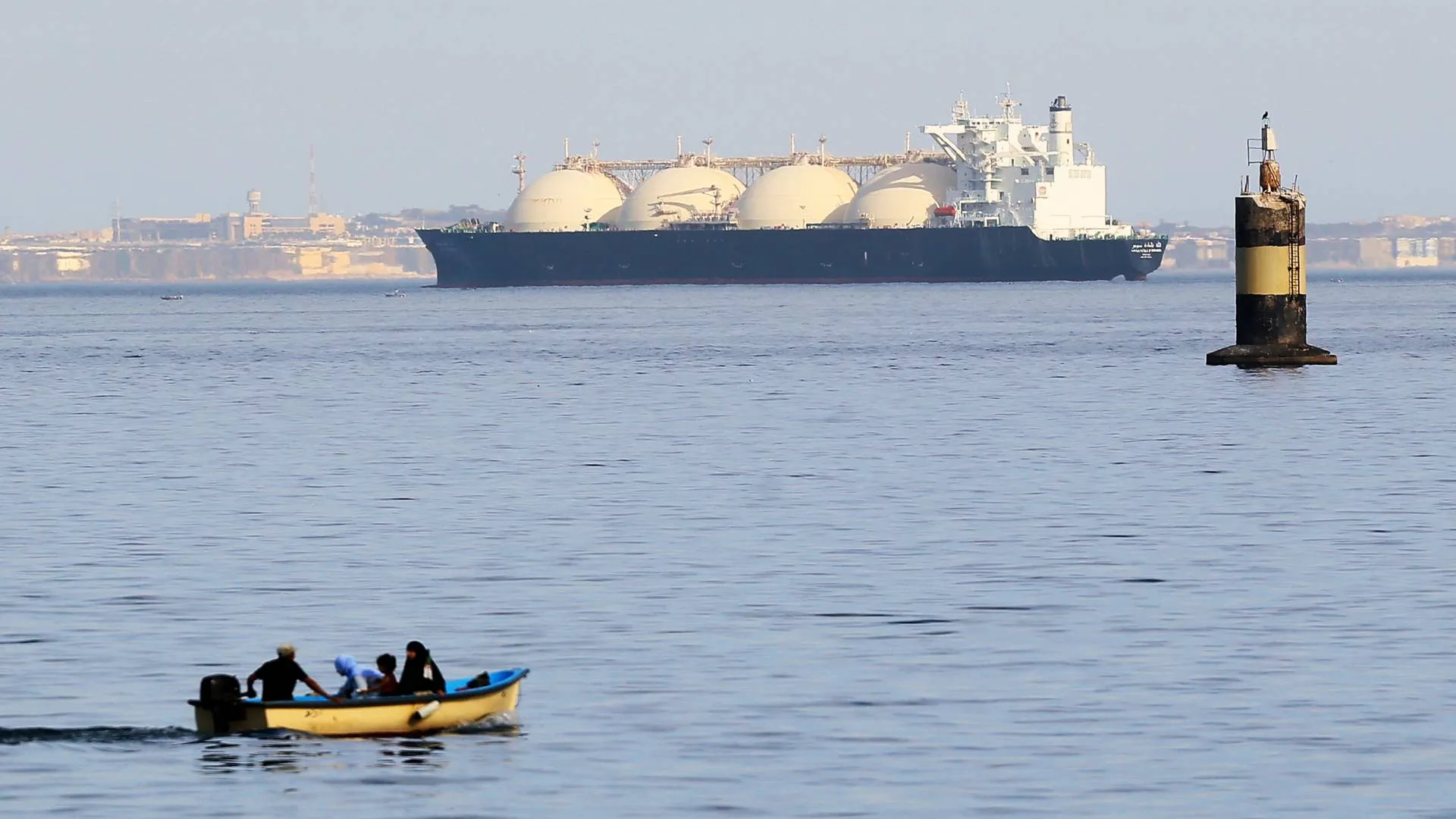
– LNG carriers require additional security and safety escorts while in port
– Nuclear-powered vessels are prohibited unless prior diplomatic clearance obtained
– Warships must provide 72 hours advance notice and follow separate berthing protocols
– Research vessels conducting sampling operations need special environmental permits
21. Port Infrastructure Specifications
– Maximum air draft clearance: 55 meters (restricted by Kanmon Bridge)
– Deepest berth depth: 15 meters at low tide
– Maximum LOA for turning basin: 250 meters
– Shore power available at selected berths (440V/60Hz)
22. Customs and Immigration Procedures
– 24/7 customs clearance available for commercial vessels
– Crew changes permitted with proper documentation and advance notice
– Strict biosecurity controls for food waste and ballast water management
– Immigration processing typically completed within 4 hours of document submission
23. Local Maritime Services
– Tugboat assistance mandatory for vessels over 10,000 DWT
– Available bunker suppliers: 3 licensed operators (MGO, IFO, LNG)
– Provisions delivery available within 2 hours notice at most berths
– Waste collection services operate on scheduled basis (advance booking required)
24. Historical and Cultural Considerations
– Certain areas near historical sites have restricted anchoring
– Underwater cultural heritage protection zones prohibit dredging or construction
– Traditional fishing rights respected in designated areas near port approaches
– Noise restrictions apply during local festivals and ceremonies
25. Ballast Water Management
– Strict compliance with IMO Ballast Water Management Convention requirements
– Mandatory ballast water exchange or treatment before discharge in port waters
– Records must be maintained in the Ballast Water Record Book for inspection
– Port reception facilities available for contaminated ballast water disposal
26. Port Emergency Response Capabilities
– Tier 2 oil spill response equipment maintained on-site
– Dedicated firefighting vessels stationed at strategic locations
– Medical evacuation capabilities via helicopter for serious cases
– Mutual aid agreements with neighboring ports for major incidents
27. Vessel Speed and Wake Restrictions
– Maximum 8 knots within inner harbor limits (extended to 1nm from shore)
– Strict enforcement of no-wake zones near ferry terminals and marinas
– Special speed restrictions during peak ferry operation hours (07:00-09:00, 17:00-19:00)
– Automated wake monitoring systems in operation with fines for violations
28. Port Lighting and Visibility Requirements
– Mandatory use of proper navigation lights during darkness and reduced visibility
– Additional working lights required for night cargo operations
– Port area illumination meets IALA recommendations for safe navigation
– Vessels must display appropriate day shapes when required by COLREGs
29. Fishing Vessel Interactions
– Commercial fishing vessels have right of way in designated zones
– Trawling prohibited within 0.5nm of port entrance fairways
– Special caution required during seasonal fishing migrations (April-May, October-November)
– Reporting system for fishing gear losses near navigation channels
30. Port Accessibility for Disabled Persons
– Passenger terminals equipped with wheelchair access and assistance facilities
– Priority boarding procedures for passengers with reduced mobility
– Trained staff available to assist disabled crew members during port calls
– Accessible restrooms and emergency evacuation equipment at all major facilities
31. Noise and Emission Controls
– Shore power connection mandatory for vessels at berth longer than 2 hours
– Engine noise restrictions apply between 22:00-06:00 in residential areas
– Continuous emissions monitoring for vessels in port
– Incentives available for vessels using alternative fuels or emission reduction technologies
32. Diving Operations Regulations
– Commercial diving requires 48-hour prior notice to port authorities
– Diving zones clearly marked with appropriate buoyage
– Mandatory dive boat escort for all underwater operations
– Emergency recall procedures must be established before operations commence
33. Mooring and Unmooring Procedures
– Minimum 4 mooring lines required for vessels under 150m LOA, 6 lines for larger vessels
– Synthetic mooring ropes must have minimum breaking strength of 120% vessel displacement
– Tidal range compensation systems mandatory at all berths with >2m tidal variation
– Mooring inspections required every 30 minutes during extreme weather conditions
34. Port Area Navigation Aids
– 12 lighted buoys mark the main approach channel (IALA Region A system)
– Differential GPS available with 1m accuracy throughout port waters
– Radar reflectors installed on all fixed navigation structures
– Real-time current monitoring displays at pilot boarding stations
35. Vessel Manning Requirements
– Bridge watchkeeping personnel must include at least 1 Japanese speaker for foreign vessels
– Engine room must maintain continuous watch while in port
– Minimum security watch of 2 crew members at all times (ISPS requirement)
– Special provisions for reduced crew during cargo operations (minimum 50% normal complement)
36. Port Area Wildlife Protection
– Speed reduction zones in cetacean migration corridors (March-June)
– Prohibited anchoring areas protecting seagrass beds marked on port charts
– Mandatory reporting of marine mammal sightings to port authorities
– Strict penalties for oil or garbage discharge affecting protected species
37. Heavy Weather Contingency Plans
– Typhoon warning system with 4-stage preparedness levels
– Designated safe anchorages for storm conditions (marked on port charts)
– Mandatory double mooring lines when winds exceed Beaufort scale 6
– Port closure protocol activated when sustained winds exceed 25m/s
38. Port-Specific COLREGs Applications
– Special traffic separation scheme in Kanmon Strait (eastbound/westbound lanes)
– Vessels >200m must use designated deepwater route regardless of draft
– Fishing vessel exclusion zones around ferry routes strictly enforced
– Mandatory AIS transmission within 12nm of port entrance
39. Port Facility Maintenance Standards
– Daily inspection of fenders and bollards at all operational berths
– Channel depth surveys conducted monthly with results published in notices
– Emergency repair capability for critical infrastructure within 4 hours
– Nighttime maintenance operations require special illumination and marking
40. Vessel Sanitation and Health Controls
– Mandatory pre-arrival sanitation declaration for vessels from certain regions
– Vector control measures required for vessels with previous mosquito issues
– Medical waste disposal through approved port contractors only
– Potable water testing certificates required for ships supplying water to others
41. Dangerous Goods Storage Regulations
– Class 1 explosives require dedicated storage bunkers 500m from main port facilities
– Refrigerated dangerous goods must maintain temperature logs every 2 hours
– IMDG Code segregation requirements strictly enforced in all storage areas
– 24/7 security surveillance mandatory for high-risk materials storage
42. Port Area Dredging Operations
– Dredging permits limited to October-March period for environmental protection
– Continuous turbidity monitoring required during all dredging activities
– Archaeological survey mandatory before new dredging projects commence
– Dredge spoil disposal only at designated offshore sites (coordinates published quarterly)
43. Vessel Air Emission Controls
– Continuous opacity monitoring for vessel stacks during port stay
– Shore power connection mandatory for cruise vessels exceeding 4-hour stay
– Prohibited to run auxiliary engines without exhaust scrubbers while at berth
– Monthly emission reports required for vessels making frequent port calls
44. Port Security Zones
– Three-tier security perimeter system (restricted, controlled, public access areas)
– Biometric access control for all sensitive port installations
– Underwater surveillance systems at critical infrastructure points
– Random security patrols conducted by Japan Coast Guard K-9 units
45. Tugboat Operations Standards
– Minimum bollard pull requirements based on vessel size (published annually)
– Two tugboats mandatory for vessels exceeding 50,000 DWT during berthing
– Emergency disconnect systems required on all tugboat tow lines
– Tugboat crew certification verified before each operation
46. Port Area Current and Tide Information
– Real-time tidal current displays at all pilot stations and bridge simulators
– Maximum current speeds reach 7 knots during spring tides (published in tide tables)
– Vortex zones clearly marked on electronic navigation charts
– Slack water periods published daily for critical navigation maneuvers
47. Vessel Documentation Requirements
– Original certificates must be available for inspection at all times
– Japanese translations required for key safety documents upon request
– Digital backups accepted for non-original documents if properly authenticated
– Special documentation requirements for vessels carrying nuclear materials
48. Port Worker Safety Standards
– Mandatory harness use for all work above 2 meters height
– Hot work permits valid for maximum 8-hour periods only
– Continuous gas monitoring required in confined space operations
– Emergency stop systems installed on all cargo handling equipment
49. Port Lighting and Night Operations
– Minimum illumination of 100 lux required for all night cargo operations
– Blue safety lighting installed at all pedestrian walkways and access points
– Navigational lighting must comply with IALA standards for port approaches
– Special lighting restrictions apply near residential areas (2200-0600)
50. Vessel Hull Cleaning Regulations
– Underwater cleaning prohibited without prior environmental approval
– Capture systems required for all in-water hull cleaning operations
– Anti-fouling paint removal must be conducted in controlled dry dock facilities
– Strict penalties for invasive species transfer via hull fouling
51. Port Area Communication Systems
– Digital VHF radio backup system operational at all times
– Emergency communication towers installed every 500m along breakwaters
– Multilingual automated warning system for tsunami alerts
– Designated radio silence periods for navigational safety broadcasts
52. Bunkering Safety Procedures
– Double valve isolation required on all bunker transfer lines
– Continuous VOC monitoring during fuel transfer operations
– Emergency shutdown systems tested before each bunkering operation
– Dedicated spill response teams on standby during all fuel transfers
53. Port Area Ice and Snow Management
– Heated walkways operational in passenger terminal areas during winter
– Anti-icing fluid available for vessel decks and cargo handling equipment
– Snow removal equipment on standby November through March
– Special mooring line heaters available for extreme cold conditions
54. Vessel Trim and Stability Requirements
– Maximum 1° list permitted during cargo operations
– Real-time stability monitoring required for bulk carriers
– Special approval needed for unconventional loading sequences
– Draft surveys conducted by authorized surveyors only
55. Port Area Traffic Management
– Automated vessel tracking system with 10-second update intervals
– Priority routing for emergency response vessels at all times
– Speed-controlled zones near passenger terminals and marinas
– Mandatory traffic separation at all bridge crossing points
56. Port Facility Cybersecurity
– Isolated network for critical navigation systems
– Mandatory two-factor authentication for port operational systems
– Continuous penetration testing of port IT infrastructure
– Encrypted communications required for all vessel-port data transfers