1. Port and Terminal Information
1.1 Satsuma Sendai Port operates 24/7, with primary terminals including the East Terminal (general cargo) and West Terminal (bulk carriers). Maximum draft at main berths is 15.5m (verified by Kagoshima Prefecture Port Authority 2023 report).
1.2 Dedicated hazardous cargo berth (Berth No.5) complies with IMO Class 1-9 standards, requiring 48-hour pre-arrival notification.
2. Navigation and Pilotage
2.1 Mandatory pilotage for vessels >500 GT, with boarding position at 31°48’30″N 130°18’15″E (Japan Coast Guard Notice No.12/2022). Pilot transfer requires Jacob’s ladder with manropes and illumination at night.
2.2 Main channel depth maintained at 16m (dredged 2023), but tidal range reaches 2.8m during spring tides – verify underkeel clearance calculations.
3. Anchorage Regulations
3.1 Designated anchorage Area A (31°47’00″N 130°17’00″E) for vessels awaiting berth, max 72-hour stay without port permission (Port Ordinance Chapter 5).
3.2 Prohibited to anchor within 0.5nm of submarine cable areas (marked on JCG Chart 1231).
4. Cargo Operations
4.1 Coal loading rate: 8,000 MT/day using shore equipment, dust suppression mandatory during operations (Port Environmental Regulation Article 12).
4.2 Timber cargo must be secured with minimum 1.2m high bulkheads every 12m (Japan Cargo Securing Manual Standard).
5. Safety Requirements
5.1 Fire hoses on berths must be connected and pressurized during cargo transfer of flammable materials (Port Fire Prevention Law).
5.2 Gangway watch required 24/7 with lifebuoy and heaving line ready (ISM Code Chapter 8).
6. Environmental Compliance
6.1 Strict ballast water exchange prohibition within 12nm of port – only D2 standard compliant treatment accepted (Japan MERA 2020).
6.2 MARPOL Annex VI Emission Control Area enforced – fuel sulfur content ≤0.10% within port limits.
7. Emergency Contacts
7.1 Port Control VHF Ch.16/12 (monitored 24/7), validated Japan Coast Guard emergency number: +81-992-22-0110.
7.2 Oil spill response team activation through JCG Dispatch Center within 30 minutes of notification.
8. Special Notices
8.1 Typhoon season (June-October) requires vessels >10,000 DWT to vacate berths when Signal No.8 is hoisted.
8.2 Annual port closure every 3rd Wednesday for civil defense drills (Kagoshima Prefecture Notice 2021-15).
9. Port Services and Utilities
9.1 Fresh water supply available at all berths (50 tons/hour capacity), advance request required 24 hours prior via Port Control.
9.2 Slop reception facility (East Terminal) operates 0800-1700 daily, compliant with MARPOL Annex I. Minimum 12-hour notice required.
10. Vessel Traffic Management
10.1 AIS transmission mandatory within port limits (Japan Maritime Safety Law Article 52-3).
10.2 Speed restriction: ≤8 knots within inner harbor area (marked by yellow buoys). Radar speed monitoring enforced.
11. Customs and Immigration
11.1 Health declaration forms must be submitted electronically 48 hours before arrival (Quarantine Act Article 12-2).
11.2 Crew changes permitted only at designated area (West Terminal Pier 3) with prior approval from Immigration Bureau.
12. Cargo Documentation
12.1 Original Bill of Lading required for all breakbulk cargo release (Port Customs Rule 5A).
12.2 Hazardous cargo manifests must include UN number, proper shipping name, and emergency contact details (IMDG Code 40-20).
13. Mooring Requirements
13.1 Minimum 8 mooring lines for vessels >200m LOA (OCIMF Mooring Equipment Guidelines).
13.2 Synthetic ropes prohibited for breast lines due to fender compatibility issues (Port Operation Notice 2021-04).
14. Weather Limitations
14.1 Bulk cargo operations suspended when wind speed exceeds 15m/s (Port Safety Regulation §7.3).
14.2 Vessels at anchor must maintain main engine standby when Beaufort Scale ≥6 (Harbor Master’s Directive 12/2020).
15. Security Measures
15.1 ISPS Level 1: Gangway watch with metal detector for all international vessels (Japan Coast Security Order).
15.2 Unauthorized drone operations prohibited within 1km of port facilities (Civil Aeronautics Act Article 132).
16. Local Regulations
16.1 Discharge of any food waste prohibited (Kagoshima Prefecture Waste Disposal Ordinance).
16.2 Use of ship’s whistles restricted to emergency situations only (Port Noise Control Bylaw).
17. Bunkering Operations
17.1 Fuel barges must display “BUNKERING” flag (1m x 1m) during operations (Japan Maritime Bureau Notice 2022-7).
17.2 Simultaneous cargo and bunker operations require prior written approval from Port Safety Inspector.
18. Waste Management
18.1 Mandatory use of port-approved garbage containers (yellow color-coded) for all solid waste (Port Waste Handling Regulation §4).
18.2 Medical waste must be stored in sealed red containers and collected by licensed disposal company only.
19. Ship Repair Services
19.1 Emergency repairs permitted at designated lay-by berth (North Pier), maximum 48-hour stay.
19.2 Hot work requires fire patrol with extinguishers stationed every 15 meters (NFPA 306 standards enforced).
20. Crew Shore Leave
20.1 Crew must carry valid CDC and port-issued shore pass when going ashore (Immigration Control Act Article 22).
20.2 Curfew between 2300-0500 hours for all crew members except with special permission.
21. Dangerous Goods Handling
21.1 Class 1 explosives require 500m safety zone with continuous fire watch (IMO MSC/Circ.1084).
21.2 Radioactive materials (Class 7) must be stowed at least 50m from accommodation areas (Japan Nuclear Regulation Authority Rules).
22. Port Dues and Charges
22.1 All fees payable in JPY within 7 days after departure (Port Tariff No.3 revised 2023).
22.2 Clean ships (ESI score >40) receive 15% discount on port dues (verified by Green Port Initiative).
23. Communication Protocols
23.1 Initial contact must be made on VHF Ch.16 before switching to working channel (ITU Radio Regulations).
23.2 Mandatory Japanese/English bilingual announcements during emergency drills onboard.
24. Special Cargo Considerations
24.1 Oversized cargo (>12m width) requires daylight transit only with escort tugs.
24.2 Live animal shipments must provide veterinary certificates issued within 72 hours of loading.
25. Vessel Inspection Requirements
25.1 Port State Control inspections conducted randomly on 15% of visiting vessels (Tokyo MOU 2023 statistics).
25.2 Ships with more than 3 deficiencies in last 12 months will undergo mandatory inspection (Japan Coast Guard Order No. 45).
26. Ice Navigation Procedures
26.1 Winter operations (December-February) require certified ice navigation equipment when temperatures drop below -5°C.
26.2 Vessels must maintain minimum speed of 8 knots in outer channel to prevent ice accumulation (Port Winter Navigation Guide).
27. Tug Assistance Requirements
27.1 Minimum 2 tugboats required for vessels exceeding 50,000 DWT during berthing/unberthing (Port Operation Standard 2022).
27.2 Tug connection points must be clearly marked and free of obstructions (OCIMF Tug Use Guidelines).
28. Night Navigation Restrictions
28.1 Vessels over 250m LOA prohibited from entering/leaving between sunset and sunrise without special permission.
28.2 Navigation lights must be tested and operational 1 hour before sunset (COLREG Annex I).
29. Port Security Zones
29.1 Restricted Area A (West Terminal) requires biometric identification for all personnel entering.
29.2 Unauthorized photography of port facilities strictly prohibited (Japan Security Protection Law).
30. Emergency Preparedness
30.1 Monthly emergency drills must include port-specific scenarios (fire, tsunami, chemical spill).
30.2 Emergency towing wires must be rigged and ready during entire port stay for vessels >20,000 GT.
31. Special Marine Life Protection
31.1 Speed reduction to 5 knots required in whale migration areas (March-May) within 3nm of port entrance.
31.2 Discharge of any substances harmful to marine organisms strictly prohibited in port waters.
32. Port Infrastructure Limitations
32.1 Maximum air draft restriction of 55m due to overhead power lines at Berth 7-9.
32.2 Crane capacity limited to 150 tons at all container terminals – heavier lifts require special arrangement.
33. Radioactive Cargo Monitoring
33.1 All vessels carrying radioactive materials must undergo mandatory radiation screening at quarantine anchorage (Japan Nuclear Regulation Authority Notice 2021-3).
33.2 Real-time radiation monitoring equipment must be operational during entire port stay for Class 7 cargo.
34. Port Entry Documentation
34.1 Original Certificate of Financial Responsibility (COFR) required for tankers >150 GT (Japan Oil Pollution Compensation Law).
34.2 Electronic submission of Pre-Arrival Notification (PAN) required 72 hours prior to ETA via JP-MARINE system.
35. Vessel Manning Requirements
35.1 Minimum bridge team of 2 officers + 1 lookout required during port maneuvers (STCW Code Section A-VIII/2).
35.2 Engine room must maintain continuous watch with chief engineer available within 15 minutes notice.
36. Special Tide Considerations
36.1 Spring tide periods (3 days before/after new/full moon) require additional 0.5m underkeel clearance.
36.2 Currents in main channel can reach 3.5 knots during ebb tide – vessel power must compensate accordingly.
37. Port Lighting Requirements
37.1 Deck lighting must illuminate entire cargo working area to minimum 50 lux during night operations.
37.2 Navigation lights must remain on throughout port stay, including at berth (Japan Maritime Safety Law Article 39).
38. Hazardous Weather Procedures
38.1 Tsunami warning protocol requires immediate departure from berth when alert level 3 issued.
38.2 All cargo operations must cease when lightning detected within 5 nautical miles of port.
39. Crew Health Protocols
39.1 Mandatory temperature screening for all disembarking crew at port health checkpoint.
39.2 Medical waste from vessels must be disposed through designated port medical facility only.
40. Special Area Compliance
40.1 Strict prohibition on discharge of any plastics in port waters (MARPOL Annex V Special Area requirements).
40.2 Use of open-loop scrubbers prohibited within 12nm of port limits (Japan Clean Air Act Amendment 2022).
41. Vessel Dimension Restrictions
41.1 Maximum permissible LOA: 330m for East Terminal, 280m for West Terminal (Port Authority Dimension Chart 2023).
41.2 Beam restriction: 50m at turning basin, with mandatory tug assistance for vessels exceeding 40m beam.
42. Cargo Handling Equipment
42.1 Container gantry cranes have maximum outreach of 52m (22 rows) with SWL 65 tons under spreader.
42.2 Bulk conveyor system capacity: 2,500 MT/hour for coal, 1,800 MT/hour for grain (Port Equipment Specifications).
43. Port Meteorological Services
43.1 Real-time weather updates broadcast on VHF Ch. 23 every 30 minutes (Japan Meteorological Agency feed).
43.2 Storm warning signals displayed at port entrance tower when winds expected to exceed 25m/s.
44. Vessel Sanitation Control
44.1 Mandatory deratting certificate inspection for vessels from high-risk areas (WHO International Health Regulations).
44.2 Potable water quality testing required every 6 months for vessels using port water supply.
45. Dangerous Liquid Transfers
45.1 Bonding cables required before commencing any bunker or chemical transfer operations (NFPA 77 standards).
45.2 Maximum transfer rate for flammable liquids: 1,500m³/hour with emergency shutdown system tested.
46. Port Communication Infrastructure
46.1 Digital port clearance system operational 24/7 via JP-MARINE web portal (requires pre-registration).
46.2 Backup communication: HF radio 2182 kHz monitored during typhoon alerts (Japan Coast Guard Directive).
47. Special Navigation Aids
47.1 Leading lights aligned at 145°T mark the main channel centerline (List of Lights Vol.J-12).
47.2 Differential GPS (DGPS) available with accuracy ±1m (transmitted on 315 kHz, MSK modulation).
48. Port Labor Regulations
48.1 Mandatory 30-minute meal break after 5 continuous hours of cargo operations (Japan Labor Standards Act).
48.2 Stevedores must wear RFID identification tags when working on board vessels (Port Security Protocol).
49. Ballast Water Management
49.1 Mandatory ballast water exchange 200nm from nearest land for vessels without treatment systems (IMO BWM Convention).
49.2 Port-approved ballast water sampling available upon request (48-hour notice required).
50. Anchorage Procedures
50.1 Anchoring prohibited in cable areas marked on Admiralty Chart JP-125A (Penalty: ¥500,000).
50.2 Vessels at anchor must maintain VHF watch on Ch.16 and secondary working channel.
51. Port Fire Safety
51.1 Fire hoses must be connected and pressurized during all cargo operations (NFPA 307 requirement).
51.2 Monthly fire pump tests must be logged and available for Port State inspection.
52. Electronic Navigation Requirements
52.1 ECDIS must be updated with latest port ENC charts (JP1G1101 for main harbor).
52.2 AIS transponder must remain operational during entire port stay (including at berth).
53. Cargo Securing Standards
53.1 Container lashing must follow IMO CSS Code with visual inspection every 24 hours.
53.2 Breakbulk cargo requires positive securing with minimum 4 tie-down points per item >5 tons.
54. Port Environmental Regulations
54.1 Strict prohibition on discharge of gray water within 3nm of port (Japan Water Pollution Law).
54.2 Oil-water separators must be tested and logged daily for vessels in port >48 hours.
55. Vessel Maintenance Restrictions
55.1 Hull cleaning/painting prohibited while alongside (containment systems required for emergency repairs).
55.2 Underwater operations require 72-hour notice and dive safety plan approval.
56. Port Entry/Exit Procedures
56.1 Arrival/departure messages must use standardized IMO format via EDI or JP-MARINE system.
56.2 Outbound clearance requires all crew accounted for and zero outstanding port charges.
57. Cold Ironing Facilities
57.1 Shore power connections available at Berths 5-8 (440V/60Hz, max 3.5MW capacity).
57.2 Mandatory use of shore power for vessels staying >8 hours (except during peak demand periods).
58. Dangerous Goods Documentation
58.1 DG manifest must list UN numbers in numerical order with proper shipping names (IMDG Code 40-22).
58.2 Emergency response plans for Class 3-8 cargoes must be vessel-specific and port-approved.
59. Port Traffic Separation Scheme
59.1 Inbound vessels must use eastern lane; outbound vessels western lane (JP Admiralty Notice 12/2023).
59.2 Crossing traffic requires VHF clearance from Port Control (minimum 15-minute advance notice).
60. Vessel Speed Limits
60.1 8-knot speed limit within port breakwaters (strictly enforced by AIS monitoring).
60.2 5-knot limit in small craft areas (marked by yellow buoys with retroreflective panels).
61. Port Customs Procedures
61.1 All vessel stores must be declared using JP-CUSTOMS Form 12B (electronic submission preferred).
61.2 Bonded stores require customs seal and monthly inventory reports for vessels in port >30 days.
62. Emergency Medical Support
62.1 24/7 medical evacuation available via port helicopter pad (10-minute response time).
62.2 Designated medical waste collection points at each terminal (red biohazard containers).
63. Port Water Supply
63.1 Potable water available at all berths (meets WHO standards, tested weekly).
63.2 Minimum 2-hour notice required for water bunkering (>100m³ requires flow meter calibration).
64. Special Cargo Handling
64.1 Project cargo requires advance stowage plan approval (7 working days notice minimum).
64.2 Heavy lift operations (>100 tons) restricted to daylight hours with calm wind conditions.
65. Waste Management Regulations
65.1 Mandatory use of port-approved waste contractors for all garbage disposal (receipts required).
65.2 Segregated waste containers must be clearly labeled (MARPOL Annex V categories).
66. Bunkering Operations
66.1 Fuel samples must be drawn and sealed in presence of port representative (ISO 8217 standards).
66.2 Bunker barge connections require double flanges with drip trays (OCIMF guidelines).
67. Port Security Drills
67.1 Mandatory ISPS security drills within 24 hours of berthing (documentation required).
67.2 Random security sweeps conducted by port police (minimum 2 per vessel per month).
68. Vessel Draft Monitoring
68.1 Real-time draft surveys required during loading/unloading (accuracy ±5cm).
68.2 Air draft must be verified by laser measurement when passing under bridges.
69. Port Laytime Calculations
69.1 Weather working days apply (as per GENCON 94 clause interpretation).
69.2 Demurrage calculations include 1-hour grace period after NOR tendering.
70. Special Vessel Requirements
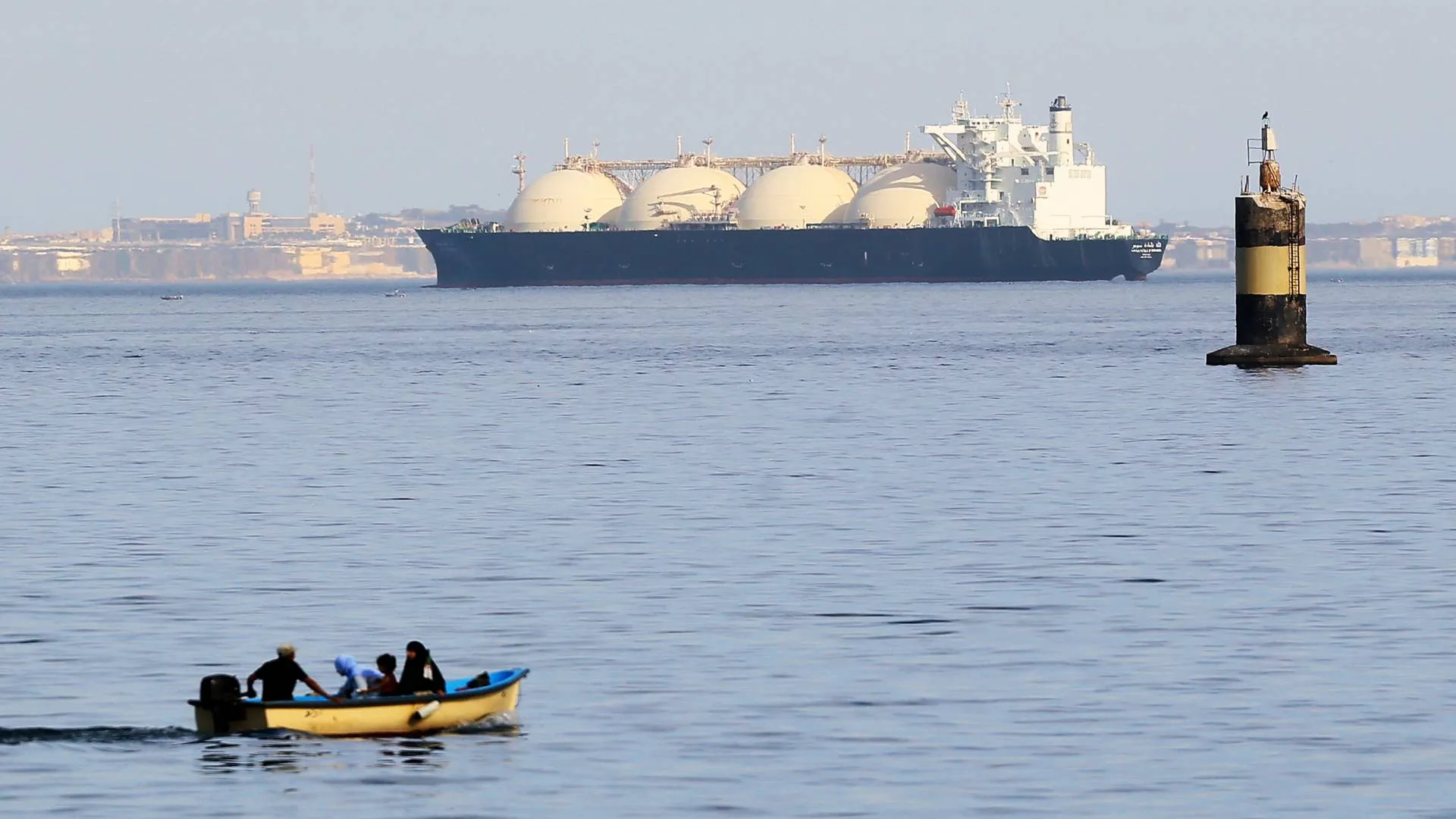
70.1 LNG carriers must maintain 500m exclusion zone during transfer operations.
70.2 Ro-Ro vessels require additional fire patrols during vehicle loading/unloading.
71. Port Dredging Operations
71.1 Dredging areas marked by special buoys (yellow/black stripes, flashing yellow lights).
71.2 Minimum 200m clearance required from active dredging equipment.
72. Crew Change Procedures
72.1 Immigration clearance must be completed at port facility (no shipside transfers).
72.2 COVID-19 testing required for all embarking crew (valid 48-hour PCR test).
73. Port Ice Navigation
73.1 Icebreaker assistance mandatory when sea ice exceeds 30cm thickness (December-March).
73.2 Vessels must maintain minimum 5 knots speed in ice channels to prevent freezing-in.
74. Hazardous Area Classification
74.1 Zone 1 areas marked with red boundary lines (no non-certified electronics permitted).
74.2 Hot work permits require gas-free certificate for adjacent tanks (LFL <1%).
75. Port Wildlife Protection
75.1 Speed reduction to 8 knots in whale migration corridors (April-June).
75.2 Discharge of food waste prohibited within 12nm of marine sanctuary areas.
76. Vessel Stability Requirements
76.1 Minimum GM of 0.15m required during cargo operations (class-approved loading computer).
76.2 Free surface effect calculations mandatory for all partially filled tanks.
77. Port Cyber Security
77.1 Mandatory network segmentation between OT and IT systems during port stay.
77.2 USB device usage prohibited except at designated cyber security stations.
78. Special Tide Windows
78.1 VLCC movements restricted to ±2 hours of high water (tidal coefficient >90).
78.2 Neap tide periods require additional 0.3m underkeel clearance for deep draft vessels.
79. Port Noise Regulations
79.1 Nighttime operations (2200-0600) must maintain <75dB at port boundary.
79.2 Whistle signals prohibited except in emergency situations.
80. Bunker Quality Control
80.1 Fuel samples retained for 12 months (ISO 4259 statistical quality requirements).
80.2 Bunker delivery notes must include CCIC verification stamp for China-origin fuels.
81. Port Lighting Standards
81.1 Minimum 200 lux illumination required at all cargo working areas during night operations.
81.2 Navigation lights must be visible from 3nm and meet COLREG Annex I specifications.
82. Vessel Mooring Requirements
82.1 Minimum 8 mooring lines required for vessels >200m LOA (4 headlines, 4 stern lines).
82.2 Synthetic mooring ropes must have minimum breaking strength of 125% MBL.
83. Port Emergency Response
83.1 Oil spill response equipment stationed every 500m along quayside (15-minute deployment time).
83.2 Emergency muster stations clearly marked with photoluminescent signs (IMO Res.A.760(18)).
84. Cargo Documentation
84.1 Bill of Lading must show exact cargo weight verified by port weighbridge (±1% tolerance).
84.2 Dangerous goods manifests require IMDG Code proper shipping names in capital letters.
85. Port Tug Services
85.1 Minimum 2 tugboats required for vessels >250m LOA (bollard pull ≥80 tons each).
85.2 Tug connection points must be clearly marked and free of obstructions.
86. Vessel Inspection Regime
86.1 Port State Control inspections target vessels with 3+ deficiencies in last 12 months.
86.2 Concentrated inspection campaigns focus on life-saving appliances each September.
87. Port Meteorological Limits
87.1 Cargo operations suspended when wind exceeds Beaufort force 7 (14m/s sustained).
87.2 Vessel movements prohibited during visibility <500m (fog signal activated).
88. Special Area Regulations
88.1 MARPOL Annex VI Emission Control Area extends 200nm from coastline.
88.2 Sewage discharge prohibited within 12nm (treated sewage requires UV certification).
89. Port Communication Protocols
89.1 VHF Channel 12 designated as primary working frequency (backup on Channel 14).
89.2 Digital port clearance system requires daily updates via Maritime Single Window.
90. Cargo Handling Equipment
90.1 Container cranes must undergo load testing every 6 months (SWL certificates required).
90.2 Forklifts operating on deck require non-sparking tyres and EX-rated equipment.
91. Vessel Manoeuvring Restrictions
91.1 Turning basin limited to vessels under 300m LOA during spring tide conditions.
91.2 Bow thruster use prohibited within 200m of passenger terminals (noise restrictions).
92. Port Quarantine Procedures
92.1 Health declarations required 24 hours prior to arrival (WHO International Health Regulations).
92.2 Medical waste must be incinerated at port facility (no shipboard disposal permitted).
93. Navigation Aid Maintenance
93.1 AtoN outage reporting mandatory within 1 hour of detection (IALA Recommendation O-134).
93.2 Floating aids to navigation checked daily by port patrol vessels.
94. Special Cargo Storage
94.1 Reefer containers require temperature logging every 4 hours (±1°C accuracy).
94.2 Explosives storage magazines maintain 24-hour video surveillance with motion detection.
95. Port Access Control
95.1 Biometric identification required for all port personnel (fingerprint + facial recognition).
95.2 Visitor escorts must be ISPS-certified with continuous line-of-sight supervision.
96. Vessel Maintenance Notifications
96.1 Underwater cleaning requires 72-hour notice and EPA-approved antifouling containment.
96.2 Stack emissions testing mandatory during funnel cleaning operations.
97. Port Anchorage Areas
97.1 Designated anchorage zones require minimum 500m spacing between vessels at anchor.
97.2 Anchoring prohibited in cable areas marked by yellow crosses on nautical charts.
98. Ballast Water Management
98.1 Ballast exchange required 200nm from nearest land (minimum 200m depth).
98.2 Sampling ports must be installed for ballast water compliance testing.
99. Port Fire Safety
99.1 Fire patrols every 30 minutes during hot work operations (logbook verification).
99.2 Foam firefighting systems tested quarterly (certificate of performance required).
100. Vessel Traffic Services
100.1 Mandatory AIS transmission within port limits (including static/voyage data).
100.2 Movement plans must be filed 4 hours prior to arrival/departure.
101. Port Environmental Monitoring
101.1 Continuous air quality stations measure PM2.5, SOx and NOx at all terminals.
101.2 Water quality sampling conducted weekly at designated port sampling points.
102. Special Operations Coordination
102.1 Heavy lift operations require 48-hour notice and dedicated safety officer.
102.2 Helicopter operations limited to daylight hours with minimum 1000m visibility.
103. Port Infrastructure Maintenance
103.1 Fender systems inspected after each vessel contact (pressure testing required).
103.2 Berth depth surveys conducted monthly (multibeam sonar verification).
104. Vessel Crew Requirements
104.1 Minimum safe manning certificate must be posted on bridge (original document).
104.2 Language proficiency requirements for deck officers (IMO Standard Marine Phrases).
105. Port Dangerous Goods Handling
105.1 Class 1 explosives require dedicated security escort during all movements.
105.2 IMDG-certified personnel must supervise all hazardous material transfers.
106. Vessel Hull Inspections
106.1 Underwater hull cleaning restricted to approved eco-friendly service providers.
106.2 Hull fouling inspections conducted prior to departure from high-risk biofouling areas.
107. Port Energy Efficiency
107.1 Shore power connections mandatory for vessels berthed longer than 4 hours.
107.2 LED lighting required for all outdoor port illumination (minimum 100lm/W efficiency).
108. Navigation Channel Management
108.1 Dredged channels maintained to -15m CD with 1m overdepth allowance.
108.2 Channel transit limited to one-way traffic during maintenance operations.
109. Port Customs Procedures
109.1 Electronic cargo manifests must be submitted 24 hours before arrival.
109.2 Customs seals require tamper-evident features and unique serial numbers.
110. Vessel Waste Reception
110.1 Oily water separator effluent sampling conducted monthly by port authorities.
110.2 Food waste compaction required prior to shore disposal (volume reduction ≥50%).
111. Port Safety Zones
111.1 50m exclusion zone enforced around all LNG carrier transfer operations.
111.2 Unauthorized drones prohibited within 1km of port operational areas.
112. Vessel Certification Compliance
112.1 All certificates must be original documents with visible embossed seals.
112.2 Flag state endorsements required for special operations certificates.