ONE CEO Jeremy Nixon doesn’t see the many new container ships set to enter the global fleet in 2023 and especially in 2024 as a game changer amid the major imbalance that’s struck the market. Effect will ”be somehow limited,” Nixon tells WPO.
Photo: ONE, Jeremy Nixon
The entirely extraordinary container market along with the cocktail of high prices and lack of space on ships that customers have struggled with for a year and a half, could endure for several years yet.
Perhaps it will even become the new normal.
Several entities have otherwise said for a long time that they expected supply and demand to attain a new balance once the many container vessels, first and foremost ships in the mega-sized class, ordered by the industry enter operation in 2023 and 2024.
For the impact of the newbuilds for 2024, we expect it to be somehow limited
Jeremy Nixon, CEO, ONE
But ONE’s chief executive officer, Jeremy Nixon, is far from convinced.
”It appears to be unpredictable as to how long this unusual market situation will last and what the post-Covid market will look like. For the impact of the newbuilds for 2024, we expect it to be somehow limited,” says Nixon in comment to WPO on the same day as the global container industry meet once again in Long Beach at the TPM conference.
Complex challenge
According to Nixon, the challenge present on the container market is highly complex, which makes it hard to resolve.
The complexity not least of all pertains to the many links in the supply chain that have suffered overload under the extreme circumstances since late summer 2020, and which will demand a broad and joint effort to be resolved.
Besides the fact that ships have lacked and still lack space, the strain on ports, in particular Long Beach and Los Angeles, has turned out to affect the link in the chain that makes the rest of the industry succumb.
And it cannot be changed immediately, even if the US has voiced its desire to do so. On the prospects of anything resembling normal operations in LB and LA, Nixon says:
”We recognized that there is improvement for the current situation, however, it’s still far from what we can call normal,” he says, adding:
”We understand port authorities and parties involved are doing everything possible, but the situation is complex with multiple parties involved. We will do our best to improve within our business area and continue to collaborate with relevant parties accordingly.”
I’m not optimistic on behalf of shippers
Bjørn Vang Jensen, consultant, Sea-Intelligence
As the CEO of ONE, Nixon has previously – in line with Hapag-Lloyd and Maersk – lamented the tempo and work hours at the US ports, which the carriers say are very short compared to Asian ports, in particular.
For the same reason, there is a lot of attention directed toward the collective labor negotiations set to begin soon between employers and US dock workers organized in the International Longshore and Warehouse Union (ILWU).
This time, negotiations will be especially sensitive because they will take place at a time when the ports are under enormous pressure and ships still lie in wait because there is no room in the harbors. For the same reason, employers have urged postponement of the negotiations, which the ILWU, however, has shot down immediately. As such, the CEO declines to comment the matter at this time.
Normalcy wanes
Nixon is not the only one seeing normalcy on the container market fading away.
As former head of logistics and current consultant at Sea-Intelligence Bjørn Vang Jensen told WPO in January:
”I’m not optimistic on behalf of shippers. The price of a container going from China to the US west coast is currently close to USD 6,000. Many shipping companies have managed to secure long-term agreements with customers, which means that the price will in general not change very much for the next couple of years. It will also mean, especially, that small shippers will have a hard time partaking and securing good contracts.”
His advice to customers is therefore the same: They must accept that price increases are here to stay, most likely for a very long time. Potentially way into 2024, which is the year in which newbuilds will really begin to hit the water.
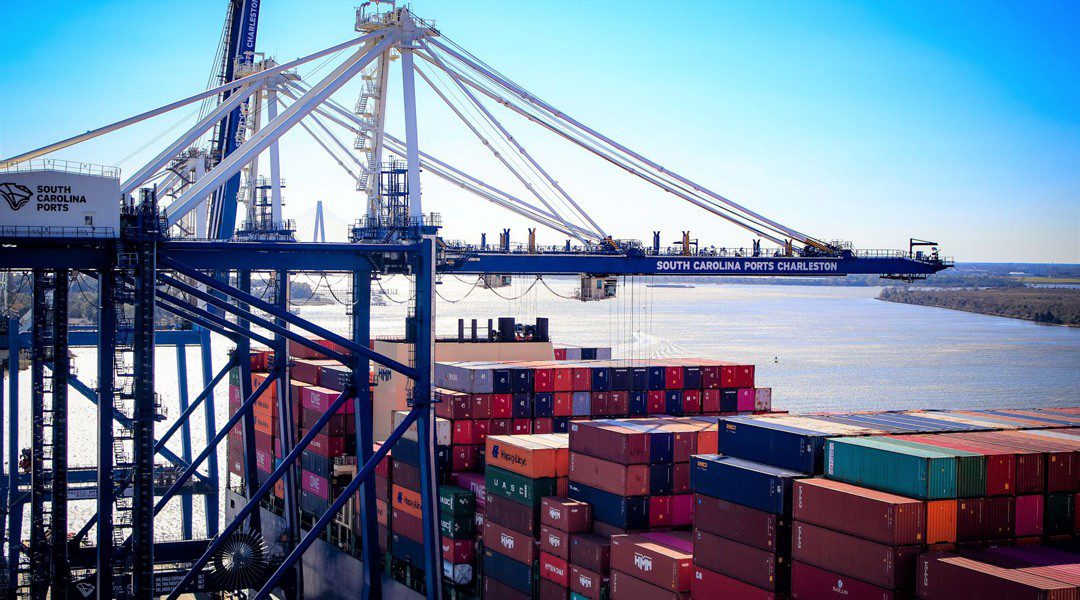
The queue of container ships outside California’s coast counted 105 at the turn of the year and stayed at that level throughout January. The number has recently been brought down to 66, while the queue on the US east coast, on the other hand, keeps increasing.