On July 1, South Korea’s Busan Bank (BNK) announced the issuance of a $164 million (approximately 1.176 billion yuan) refund guarantee (RG) to mid-sized shipbuilder HJ Shipbuilding & Construction. This marks the first time Busan Bank has independently provided an RG to a mid-sized shipbuilder without the involvement of policy-based financial institutions. It is also the first case following the South Korean Financial Services Commission (FSC) exemption review committee’s approval in May of a policy allowing exemptions for RG issuance under the “Mid-Sized Shipbuilder Order Guidelines.”
The two ships covered by this RG are scheduled for delivery in July and October 2026, respectively.
Previously, due to factors such as widening losses and deteriorating financial conditions among South Korea’s mid-sized shipbuilders, regional banks had long been cautious about issuing RGs to them. Aside from policy-based financial institutions, regional banks had not directly provided such support to mid-sized shipbuilders for years.
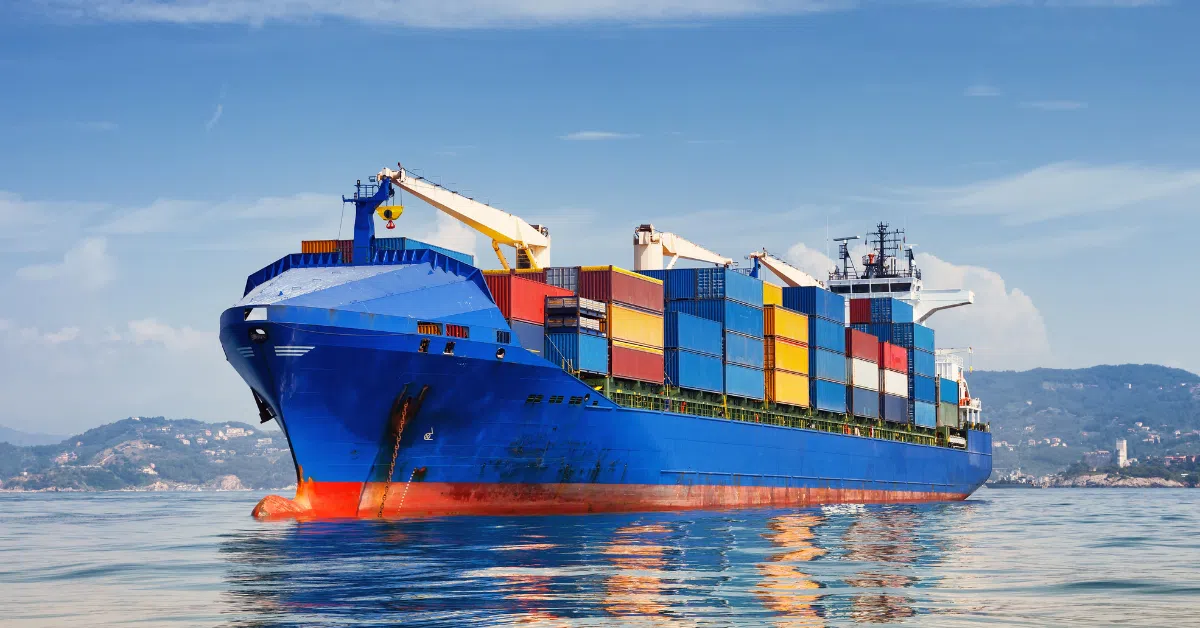
In November last year, HJ Shipbuilding secured an order from a Greek shipowner for four 7,900 TEU eco-friendly container ships worth a total of 606.7 billion won (approximately $450 million). However, additional guarantees were needed as policy-based financial institutions had exhausted their RG quotas. After evaluation, Busan Bank issued RGs for two of the ships (including one supported by the Korea Trade Insurance Corporation), ensuring the smooth execution of the construction contract.
As the only mid-sized shipbuilder in South Korea capable of constructing military vessels like landing ships and high-speed boats, HJ Shipbuilding has gradually built global competitiveness in the mid-sized eco-friendly container ship segment. However, insufficient RG limits have long hindered its order intake. This time, Busan Bank broke from traditional financial review frameworks, assessing the commercial viability of the ship orders and the company’s future competitiveness, thereby opening a new path for financial support to South Korea’s mid-sized shipbuilders, which have long relied on policy-based institutions. This move is seen as a substantive breakthrough in enhancing mid-sized shipbuilders’ financing capabilities and strengthening industrial competitiveness by involving regional financial institutions.
A Busan Bank representative stated that the bank will continue close collaboration with HJ Shipbuilding until the ships are delivered and aims to serve as a financial backbone for fostering global competitiveness in South Korea’s shipbuilding and shipping industries.
For shipowners ordering new vessels, RGs are critical as they provide security. RGs typically apply to new ship orders involving advance payments, and shipyards must issue them to receive prepayments from shipowners. If a shipbuilder goes bankrupt and fails to complete construction or refund prepayments, the financial institution issuing the guarantee will step in to refund the advance. Without such guarantees, shipowners often refuse to sign contracts. Thus, few shipyards can secure new orders without RGs.
Data from the FSC shows that as of December last year, the RG volume for South Korea’s three major shipbuilders was about $6.5 billion, just over half of the total $10.1 billion limit. Among mid-sized shipbuilders, only DH Shipbuilding and K Shipbuilding secured $790 million in RGs. Small shipbuilders actively sought business and applied for RGs, but financial institutions were reluctant to support them, citing lack of experience.
Banks argue that exemption policies are essential to facilitate RG issuance. In the mid-2000s, South Korea’s small and mid-sized shipbuilders overexpanded during the industry boom. Later, the global financial crisis led to a sharp drop in orders and intensified competition, with some firms struggling due to low-priced contracts. By the early 2010s, many small and mid-sized shipbuilders faced losses and had to undergo restructuring. Financial institutions that provided RGs suffered significant losses, and staff faced scrutiny and penalties. Thus, banks will only actively engage in RG issuance if they are assured of exemption from liability.
In February this year, institutions like the Export-Import Bank of Korea (KEXIM) requested the government to exempt banks from liability for RGs issued to the shipbuilding sector. The goal was to alleviate concerns among financial institution staff about penalties for potential losses, encouraging active RG issuance. The government endorsed this proposal, introducing an exemption policy for banks providing guarantees to mid-sized shipbuilders, ensuring they would not be held liable even if losses occurred.
Notably, the last time the South Korean government granted such exemptions was during the COVID-19 pandemic in 2020. To help businesses weather the crisis, the government refined the exemption system, stipulating that financial institutions would not face scrutiny or penalties for losses unless intentional misconduct or gross negligence was involved.