In the first half of 2025, the global new shipbuilding market experienced a significant cooling, with orders for major vessel types such as dry bulk carriers, tankers, and gas carriers sharply declining, leaving container ships as the sole standout.
According to the latest report from shipbroker Xclusiv, after a two-year ordering frenzy, shipowners have notably shifted to a more conservative stance, with order volumes for multiple vessel types hitting multi-year lows. Macroeconomic and regulatory uncertainties have heavily impacted market sentiment, but the primary drivers appear to be the harsh realities of high prices and weak freight market performance.
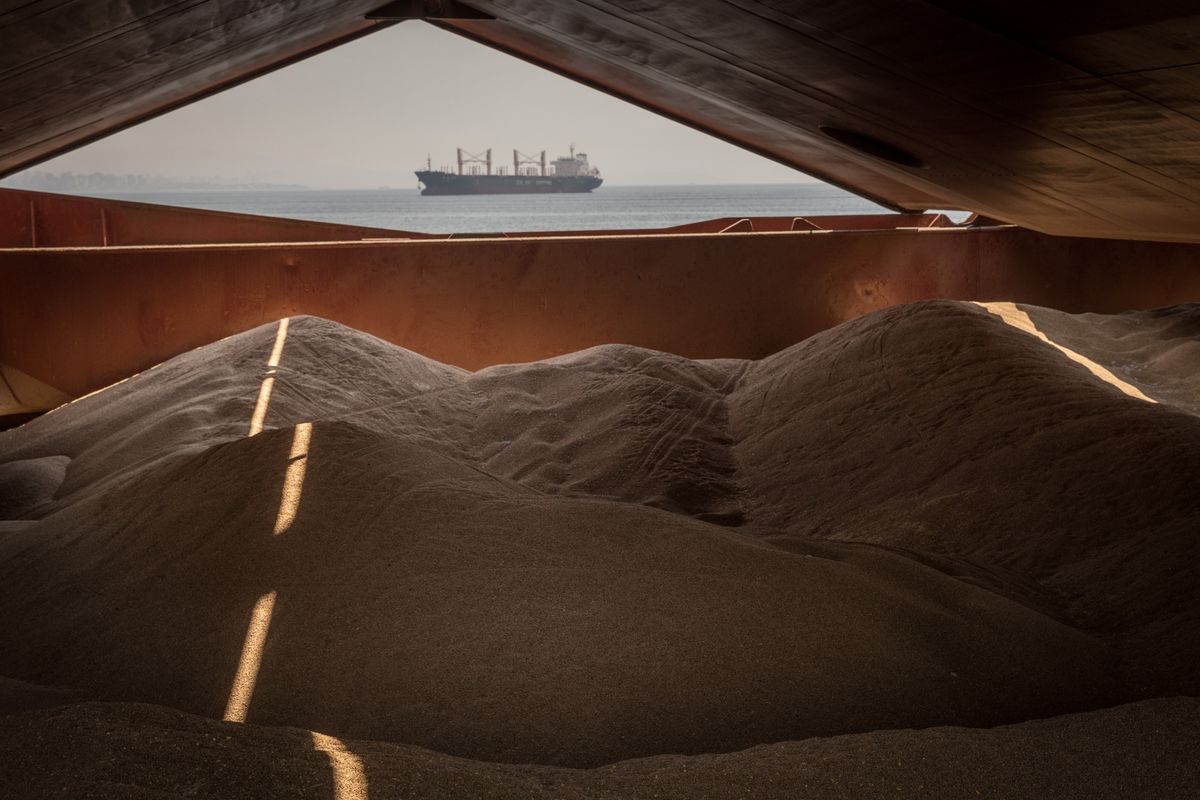
The report highlights that global dry bulk carrier orders in the first half of the year totaled just 76 vessels, a nearly 80% drop compared to the same period in 2024 (355 vessels). Among them, traditionally the most active Greek shipowners were almost “on hold,” placing orders for only three dry bulk carriers, down sharply from 30 in the same period last year.
Xclusiv attributes this shift to multiple factors, including sluggish global demand for commodities, low freight rates, and persistently high newbuild prices. The Baltic Dry Index (BDI) continues to hover near multi-year lows, while China’s economic recovery has fallen short of expectations, with weak demand for core commodities like iron ore and coal exacerbating market uncertainty. Additionally, with over 1,600 new dry bulk carriers scheduled for delivery between 2024 and 2027, shipowners remain wary of potential overcapacity.
The tanker market also faced a “cold spell.” In the first half of 2025, global tanker orders amounted to just 102 vessels, down approximately 79% year-on-year (486 vessels in the same period in 2024). Greek shipowners’ orders dropped from 100 to 32 vessels.
Xclusiv notes that geopolitical risks are a key factor dampening sentiment in the tanker market. Continued tensions in the Red Sea, along with escalating situations involving Iran and the Russia-Ukraine conflict, have undermined confidence. Furthermore, declining earnings for product tankers in the Pacific region and uncertainties surrounding future propulsion systems and fuel technologies have led many shipowners to adopt a wait-and-see approach.
In the gas carrier segment, the market slowdown reflects more of a “temporary pause.” Orders for gas carriers in the first half of the year totaled only 44 vessels, down significantly from 158 in the same period in 2024, with Greek shipowners ordering just five. Xclusiv suggests this trend is not due to bearish sentiment but rather a digestion period following the LNG construction boom in 2023–2024, driven by Europe’s efforts to reduce reliance on Russian gas. Additionally, tight shipyard capacity for LNG carriers, with most slots booked until after 2028, has objectively limited new order placements.
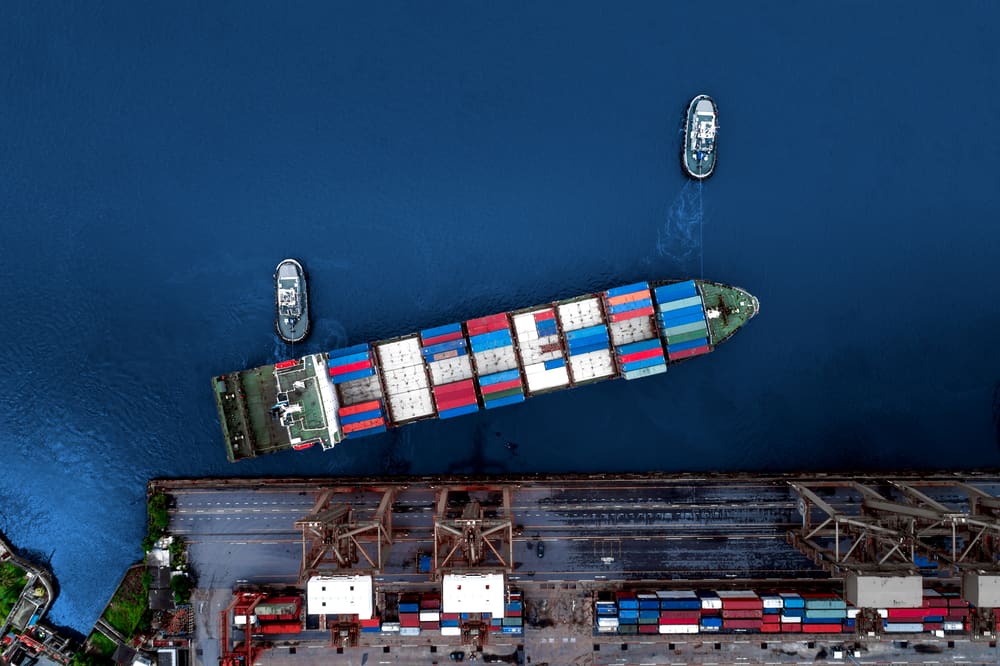
In stark contrast to the cooling trend across other vessel types, the container ship market remains robust. Data shows that global new container ship orders rose to 201 vessels in the first half of 2025, up from 170 in the same period last year. Greek shipowners doubled their orders. Xclusiv points out that many shipowners are prioritizing investments in dual-fuel and eco-friendly vessels to prepare for future environmental regulations. Meanwhile, the flexibility in delivery timelines for some small and medium-sized vessel types has also fueled this wave of container ship restocking.
Overall, the new shipbuilding market in 2025 has entered a broad cooling phase. Apart from container ships, dry bulk, tanker, and gas carrier segments all face order contraction pressures. Industry experts widely agree that shipowners are adopting more rational investment strategies amid multiple uncertainties—freight rate volatility, geopolitics, decarbonization pathways, and shipyard capacity—while awaiting clearer market signals.