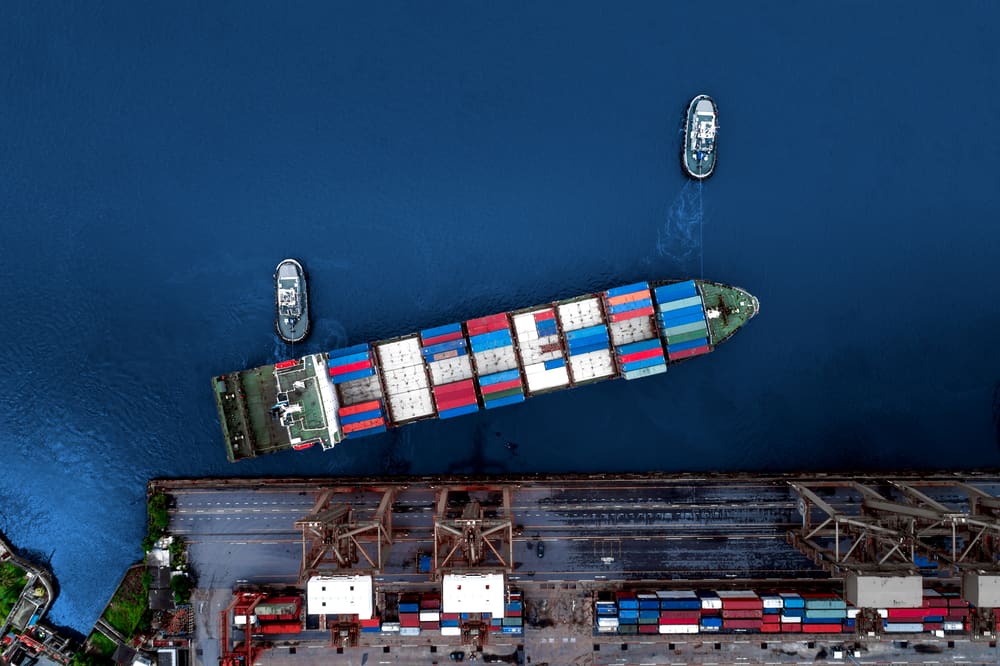
According to foreign media reports, Yemen’s Houthi rebels recently launched deadly attacks, prompting commercial ships still navigating the Red Sea to broadcast their nationality and even religious affiliations on public tracking systems to avoid becoming the next target.
The Red Sea is a critical route for oil and commodity shipments, but maritime traffic in the region has significantly declined since the Houthis began attacks off Yemen’s coast in November 2023. The group claims these actions are in solidarity with Palestinians in the Gaza Strip.
Last week, the militants sank two vessels after months of relative calm. Their leader, Abdul Malik al-Houthi, reiterated that no ships carrying goods linked to Israel would be allowed to pass.
In recent days, more vessels transiting the southern Red Sea and the narrow Bab al-Mandab Strait have added details to their public tracking data via the Automatic Identification System (AIS), which can be viewed by clicking on the ships.
These updates include references to all-Chinese crews and management, as well as mentions of armed guards on board.
“All crew members are Muslim,” one message stated, while others explicitly declared no connection to Israel, according to AIS data from MarineTraffic and LSEG ship tracking.
Maritime security sources described this as a growing sign of desperation to avoid Houthi attacks or deadly drone strikes but doubted its effectiveness.
One source noted that the Houthis conduct “more thorough and forward-looking intelligence preparations.”
Shipping analysis revealed that some vessels in the two fleets attacked and sunk by the Houthis last week had docked at Israeli ports in the past year.
Maritime security sources warned that despite shipping companies intensifying scrutiny of any indirect links to Israel before Red Sea transits, the risk of attack remains high.
The U.S. Central Command reported that the Houthis have also targeted vessels trading with Russia.
Insurance broker Aon stated in a report this week that despite announced ceasefires, regions like the Red Sea and Bab al-Mandab Strait remain classified as high-risk by insurers.
“Ongoing monitoring and adaptive security measures are critical for ship operators,” the report emphasized.
Since last week’s attacks, insurance costs for Red Sea cargo shipments have more than doubled, with some insurers suspending coverage for certain voyages.
Data from Lloyd’s List Intelligence showed that the strait at the southern end of the Red Sea, leading to the Gulf of Aden, recorded 35 daily transits on July 10, 32 on July 9, and 43 on July 1—down from the pre-attack average of 79 daily transits in October 2023.
A UK seafarers’ charity stated this week: “Seafarers are the backbone of global trade, transporting food, fuel, and medicine worldwide. They should not have to work in such perilous conditions.”
Compiled and edited by Shipping Online.
Disclaimer: This article is republished to convey additional information. If there are any inaccuracies or concerns regarding copyright, please contact us with proof of ownership for prompt correction or removal. Thank you.