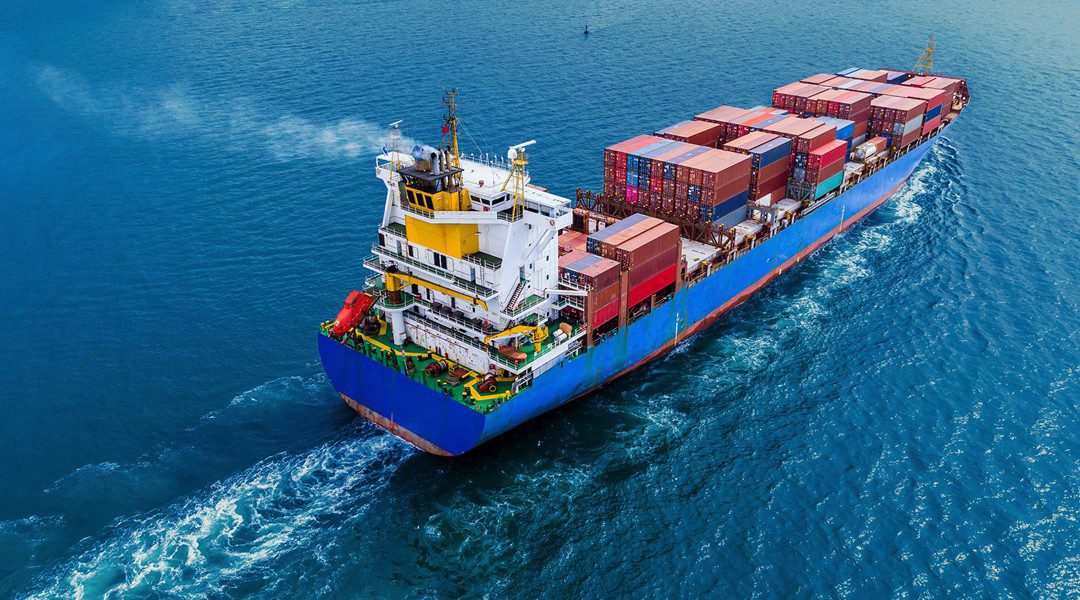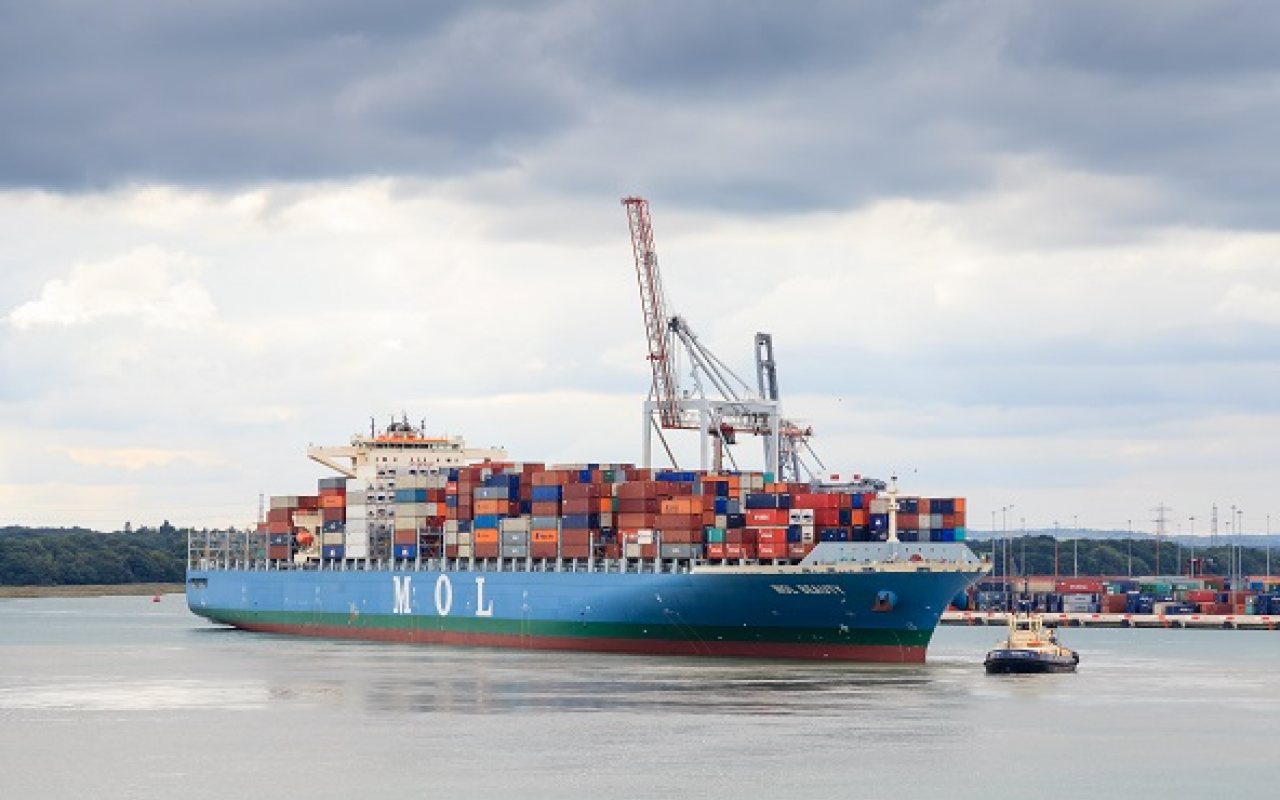
Greek oil tanker operators shipping approved Russian oil exports are expected to continue despite a new round of tougher EU sanctions to further tighten restrictions, shipping sources said on Friday.
Currently, most of Russia’s oil is transported by a so-called “shadow fleet” of tankers that operate outside regulation. However, shipping data shows that Greek-owned vessels—part of the world’s largest tanker fleet—are also transporting some Russian crude that is not under sanctions or does not exceed the price cap.
The EU on Friday agreed on an 18th package of sanctions over Russia’s war in Ukraine, including measures aimed at further hitting its key energy sector.
At the heart of these measures is a price cap, with the EU seeking to block purchases of Russian crude at prices below 85% of the market average. Currently, this cap is around $47.60 per barrel, significantly lower than the $60 cap previously attempted by the G7 (which has been largely ineffective).
Sources said Greek shipping companies, which transport dozens of Russian oil cargoes per month, accounting for about 20% of the overall trade, will continue to ship as much as possible. These sources declined to be named due to the sensitivity of the matter.
A source at a Greek shipping company involved in the trade said such deals remain “viable” despite increased difficulty. “As long as traders continue to buy oil at this price, not much will change, and we will comply with the new cap.”
Officials at Greece’s shipping ministry did not immediately respond to requests for comment.
The U.S. has so far shown no willingness to align with the EU price cap. Since most oil is traded in dollars and only U.S. banks can restrict the clearing of dollar payments, this could limit the effectiveness of the EU’s move.
Nevertheless, it will complicate Russian oil trade for European companies complying with sanctions.
“Similar to previous requirements, they need to comply with the new EU price cap and ensure they only trade products that meet the price cap,” said Leigh Hansson, a sanctions partner at law firm Reed Smith.
“We expect a 90-day transition period for Russian crude shipments and related services for contracts signed before July 18.”
Source: Reuters (Reporters: Jonathan Saul and Renee Maltezou; Editor: Kevin Liffey)