The lockdown of the Chinese city could become even worse than recently seen in Shenzhen. Although even if queues and congestion arise at Chinese ports, it would happen while the market is not in an acute situation, says Xeneta Chief Analyst Peter Sand.
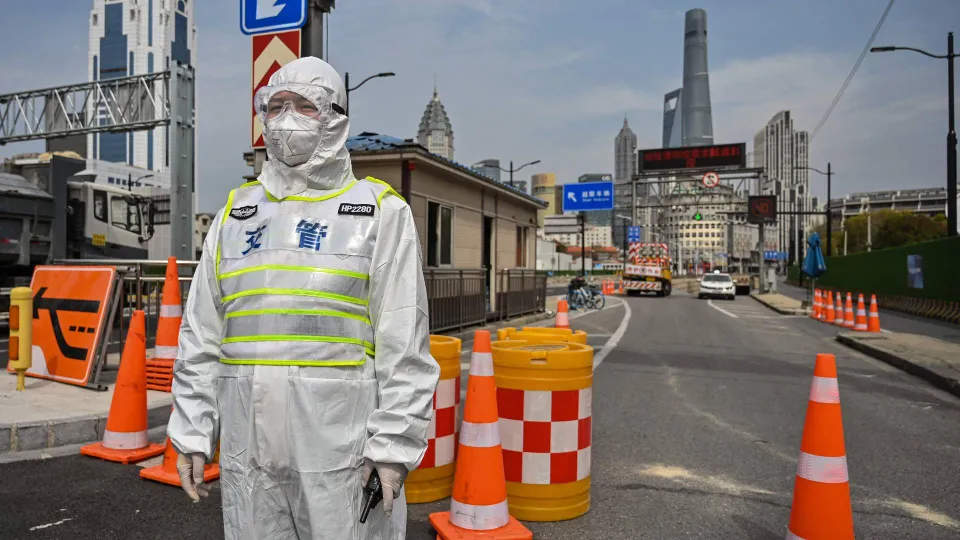
The biggest lockdown in China since the pandemic began is once again prompting concern in the freight market.
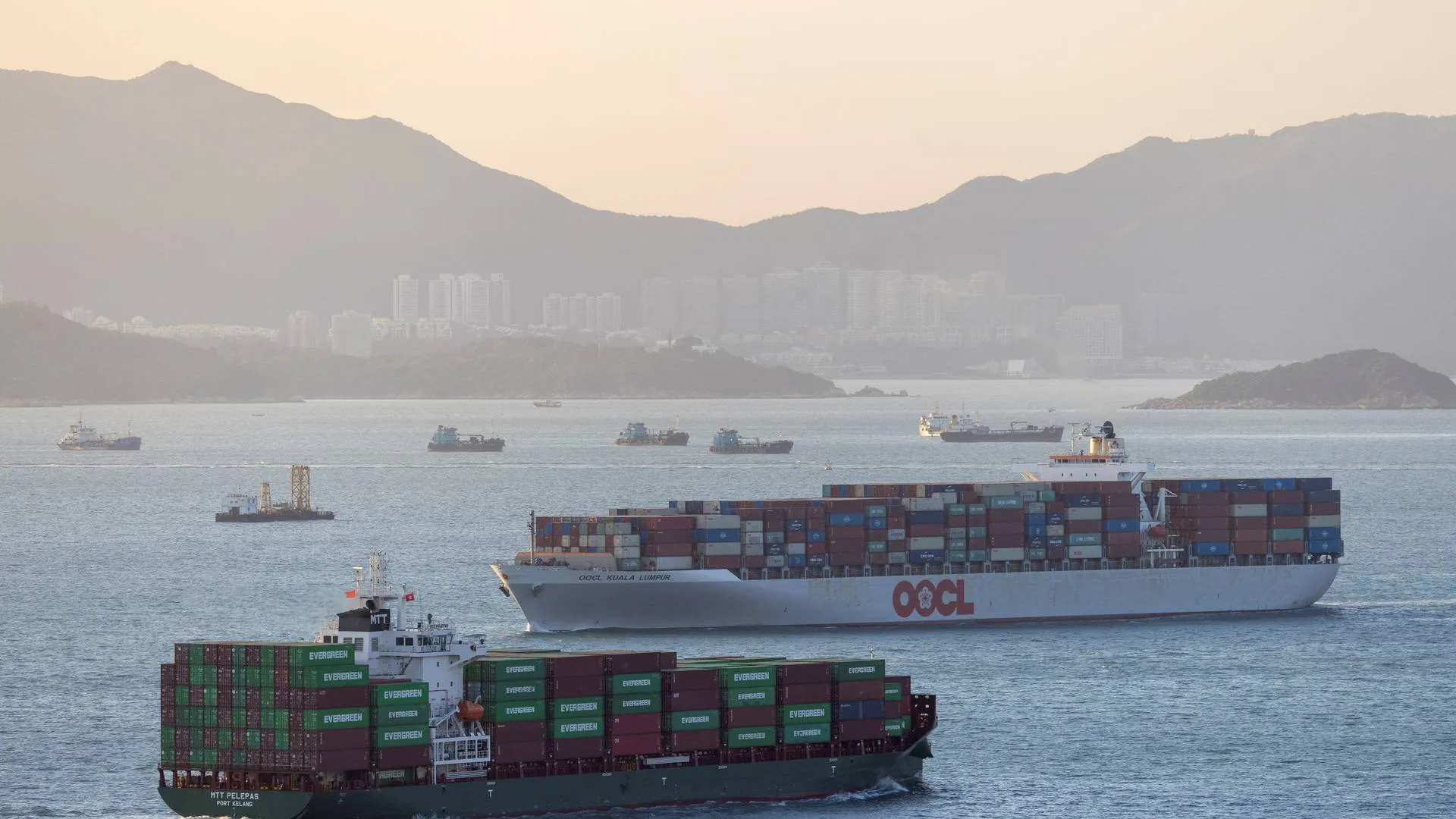
However, even though the spread of contagion in Shanghai, also home of the world’s largest container port, can create new queue and congestion in Chinese ports, the situation will probably not put further pressure on the spot market.
The market is already slightly weak right now, which is why there’s no great need to find acute solutions as quickly as possible
Xeneta Chief Analyst Peter Sand
That is attributable to the lockdown coming at a time when export out of Shanghai and China in general has been declining, and this will likely also be reflected in spot rates, says Xeneta Chief Analyst Peter Sand.
”We have seen Chinese exports tapering off in recent weeks, as a comeback after the Chinese New Year hasn’t really occurred, and that means we will also see the downward trend in spot rates continue,” he tells WPO.
The reason pressure on supply chains this time around is not leading sport rates to soar is because there’s comparably less force under demand at the moment.
”The market is already slightly weak right now, which is why there’s no great need to find acute solutions as quickly as possible,” Sand says and continues:
”The recent decline in volumes out of Shanghai and China is a result of the acute situation being less acute, and that’s why spot rates will continue to fall slightly despite the lockdown stirring concern.”
Worse closure
A locked-down Shanghai could, Sand says, cause a potentially even worse situation than the one seen with the latest closure of Shenzhen – an issue still not completely overcome.
”The potential for a closure worse that what we saw in Shenzhen is even greater, but it would typically involve a lockdown lasting one to two weeks, and then we would see an improvement,” says Sand.
Concretely, Sands notes that this would mean shipping companies once again having to adjust their services, just as ship operators might consider docking at other ports to avoid waiting in queues.
This is chiefly due to problems arising within inland transportation because of mandatory testing of semi truck drivers, thus affecting the volume of containers passing though the Chinese port terminal.
Concern about new lockdowns
Fears of Chinese port closures have abounded ever since port city Shenzhen closed recently on account of a new Covid-19 flare-up.
Among others, DSV Chief Executive Jens Bjørn Andersen has voiced concerns that new lockdowns in China will delay freight market normalization well into 2023.
Nevertheless, at the moment it’s premature to assess the impact of the Shanghai situation, both DSV and container line Hapag-Llyoyd tell WPO.
A closure such as this, the two relay, would normally be relatively brief.
”After one to two weeks, the situation will normally ease – also to minimize the economic effect,” Hapag-Lloyd writes in a comment.
According to Maersk, which last week expressed greater optimism on behalf of major Chinese ports in communication with WPO, Shanghai ports continue normal activity, which includes both ship operations and shipyard handling.
Even so, the carrier notes that local inventories, warehouses and semi truck services are affected by the lockdown.
”We expect a reduction of onshore transport efficiencyr. Chinese authorities have expressed their will to keep supply chains moving, also noting an approach of maintaining operations at ports and terminals,” Maersk writes to WPO.