Maritime Industry’s Energy Transition: A New Era
According to DNV’s recent Maritime Forecast to 2050, the maritime sector is poised for a significant transformation in its energy landscape. The report indicates that by 2030, vessels equipped for alternative fuels could potentially consume up to 50 million tonnes of oil equivalent (Mtoe) annually—twice the amount required to meet the International Maritime Organization’s (IMO) emissions targets for that year. However, current consumption remains at a mere 1 Mtoe, underscoring a stark disparity between fleet capabilities and fuel supply.
Knut Ørbeck-Nilssen, CEO of DNV Maritime, emphasized this pivotal moment: “The next phase of the maritime energy transition is upon us.” He noted that while the IMO’s Net-Zero Framework has its flaws and requires clearer guidelines on fund allocation, it is already shaping investment strategies and operational decisions within the industry.
This ninth edition of DNV’s report arrives as the IMO prepares for final adoption of its Net-Zero Framework in October. With an anticipated near doubling of alternative-fuel-capable vessels by 2028, shipowners are shifting from planning stages to active implementation.
The analysis presents various strategies aimed at reconciling vessel readiness with fuel availability. These include utilizing existing biofuel infrastructure, enhancing energy efficiency in new builds, advancing onboard carbon capture technologies, and increasing reliance on wind-assisted propulsion systems.
The potential impact of onboard carbon capture (OCC) is particularly noteworthy; modeling suggests that establishing CO2 offloading facilities at just 20 major ports could facilitate the removal of up to 75 million tonnes of CO2 each year—potentially offsetting around 25 Mtoe needed to achieve IMO’s base target by 2030.
Eirik Ovrum, Lead Author of the report remarked on recent technical advancements but stressed that these innovations must be integrated into broader fleet strategies supported by adequate infrastructure and compliance frameworks. “The focus now should be on collaboration,” he stated.
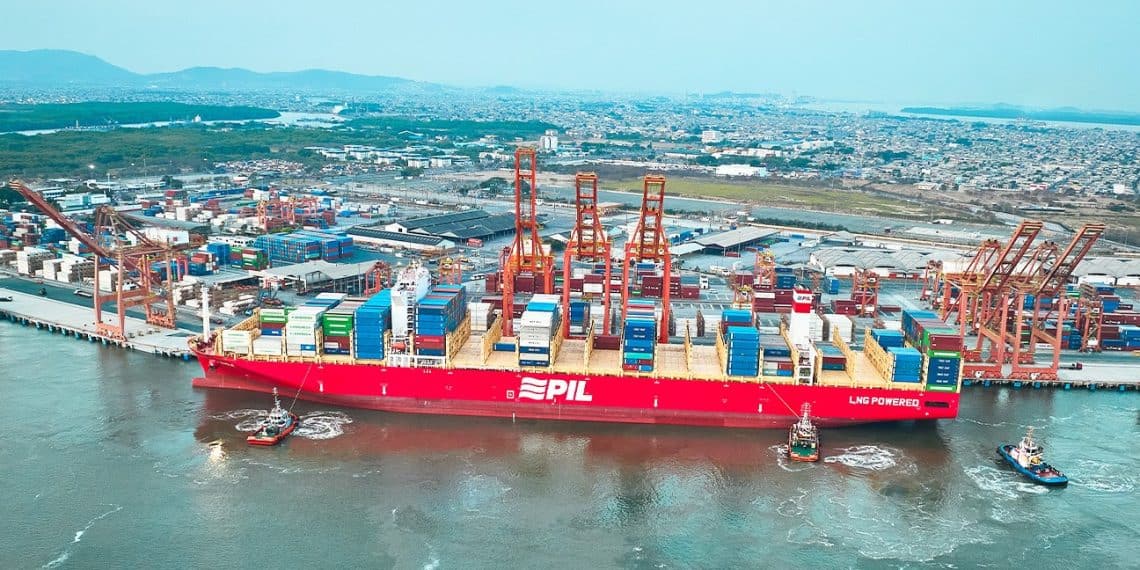
These insights resonate with findings from Columbia Group which anticipates dual-fuel ships will dominate shipping over the next decade due to limited zero-carbon options currently available. Duncan McLennan from Columbia Shipmanagement highlighted LNG-powered dual-fuel vessels as effective transitional technologies amidst tightening regulations.
As we approach late 2025, dual-fuel ships represent about half of all new global orders—with LNG propulsion accounting for nearly 70%—offering both flexibility and regulatory adherence while also introducing operational challenges.
DNV’s Alternative Fuels Insights platform reports there are currently 1,794 alternative-fuel-capable vessels operating globally with an additional 1,544 under construction. McLennan cautioned about balancing LNG with traditional fuels like VLSFO: “It requires meticulous planning not only during construction but throughout their operational life.”