According to Bloomberg News, Ukraine is ramping up its drone assaults on Russia’s oil refineries and export terminals, shifting the conflict’s focus from traditional battlefields to economic warfare. Recently, Ukrainian forces reported successful strikes on facilities responsible for nearly half of Russia’s maritime crude exports.
This series of attacks is part of a larger operation involving over 200 drones aimed at the Leningrad region, which borders Finland and Estonia. These actions follow previous strikes targeting key refineries essential for domestic fuel production. Kyiv maintains that these operations are necessary to undermine Russia’s military capabilities by cutting off fuel supplies and reducing Moscow’s revenue from petroleum sales.
Despite Ukraine’s strategic objectives, Western allies have expressed concerns about potential disruptions to global oil markets. Since the onset of hostilities, Baltic Sea ports have redirected most of their exports towards China and India instead of Europe.
The impact of these drone strikes has been significant; in August alone—during peak driving season—Ukrainian drones executed at least 13 attacks on major refineries, surpassing half the total number recorded in the preceding seven months. Notably targeted were facilities located in some of Russia’s most populated regions.
Gasoline shortages that initially affected remote areas are now beginning to encroach upon Moscow itself as wholesale prices soar on commodity exchanges like SPIMEX. Independent distributors lacking their own production capabilities face severe challenges; however, even larger corporations may soon feel supply constraints if Ukraine continues its offensive.
“Currently, shortages are manageable but manifest as price hikes and longer wait times,” noted Sergey Vakulenko from the Carnegie Endowment for International Peace. “While they haven’t yet posed a serious threat to the economy overall, they do create inconveniences for everyday citizens.”
This situation has raised alarms among Russian officials including Deputy Prime Minister Alexander Novak and members of the Energy Ministry. In response to escalating attacks, Russia has implemented a ban on gasoline exports while directing refineries to prioritize domestic diesel supply—a move that restricts outbound shipments crucial for international trade.
The frequency and intensity of these drone strikes have forced several major refineries into temporary shutdowns for emergency repairs; consequently reducing crude processing rates in August to levels not seen since May 2022.
This escalation marks a departure from earlier phases in which smaller independent plants were primarily affected without causing widespread disruption across Russia’s energy sector.
In contrast with last year when damage was limited due to infrequent repeat hits on individual sites allowing time for repairs—the current campaign appears more aggressive with substantial impacts anticipated if it persists long-term.
The International Energy Agency recently estimated that these August operations rendered approximately 250,000 barrels per day inactive within Russia’s refining capacity—equating roughly to five percent or more depending upon varying assessments within industry circles.
“If temporary issues evolve into lasting ones,” Vakulenko warned further “the Kremlin might begin expressing concern or attempt some ideological framing around it.” For now though it seems authorities expect this phase will eventually subside.”
There remains no evidence suggesting that Ukraine’s ongoing campaign enjoys backing from Western nations who have historically avoided actions likely disrupting global petroleum supplies.
A potential risk exists where Kyiv could overreach leading not only towards increased global fuel prices but also straining relations particularly with European partners focused heavily upon inflation control amidst economic growth priorities.
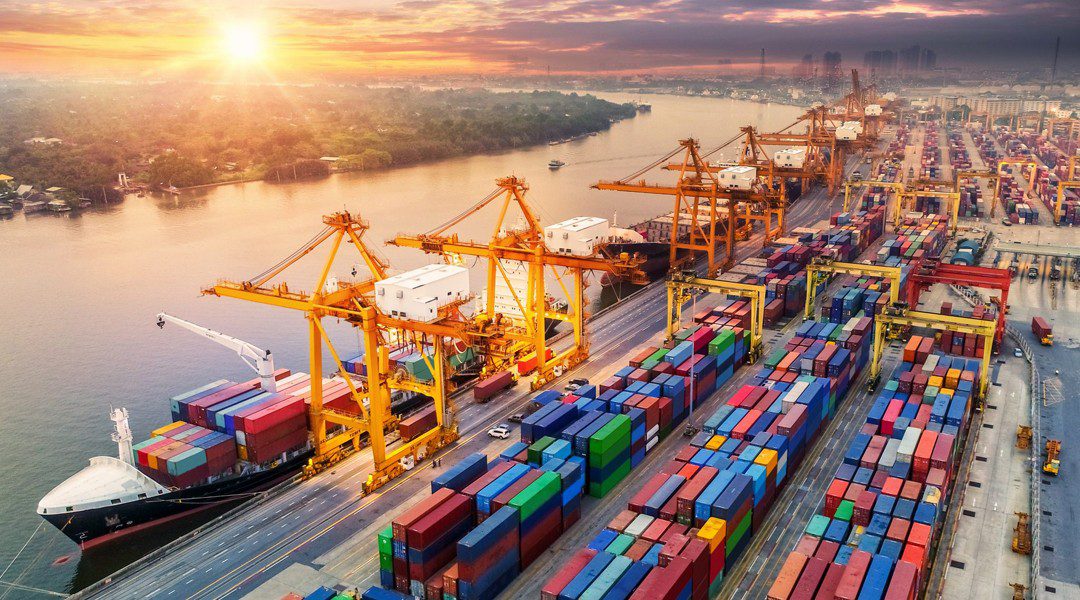
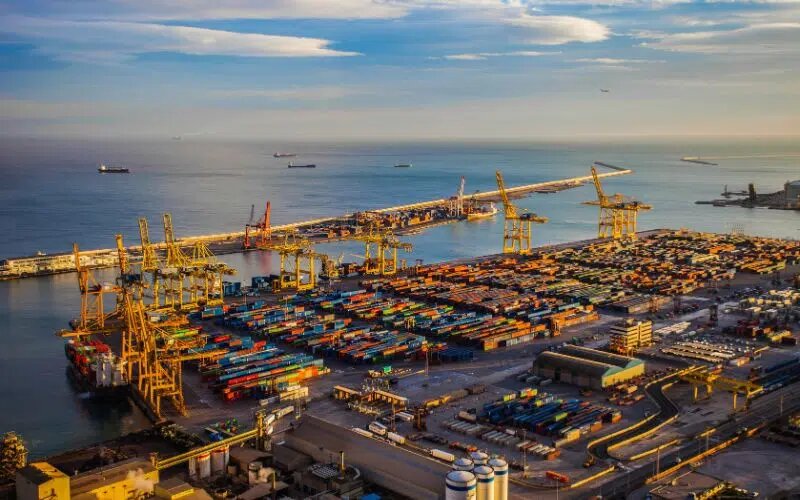
Recent reports indicate one such attack temporarily halted operations at Primorsk—the largest oil-loading port in its region—and also targeted three pumping stations vital for Ust-Luga another critical export hub.
Although situated far inland damage inflicted here could still impede shipments destined toward Baltic coastlines affecting broader market dynamics significantly moving forward.”
The Kremlin has yet confirmed any details regarding recent incidents along Baltic routes while state pipeline operator Transneft did not respond promptly when approached by media outlets seeking clarification.
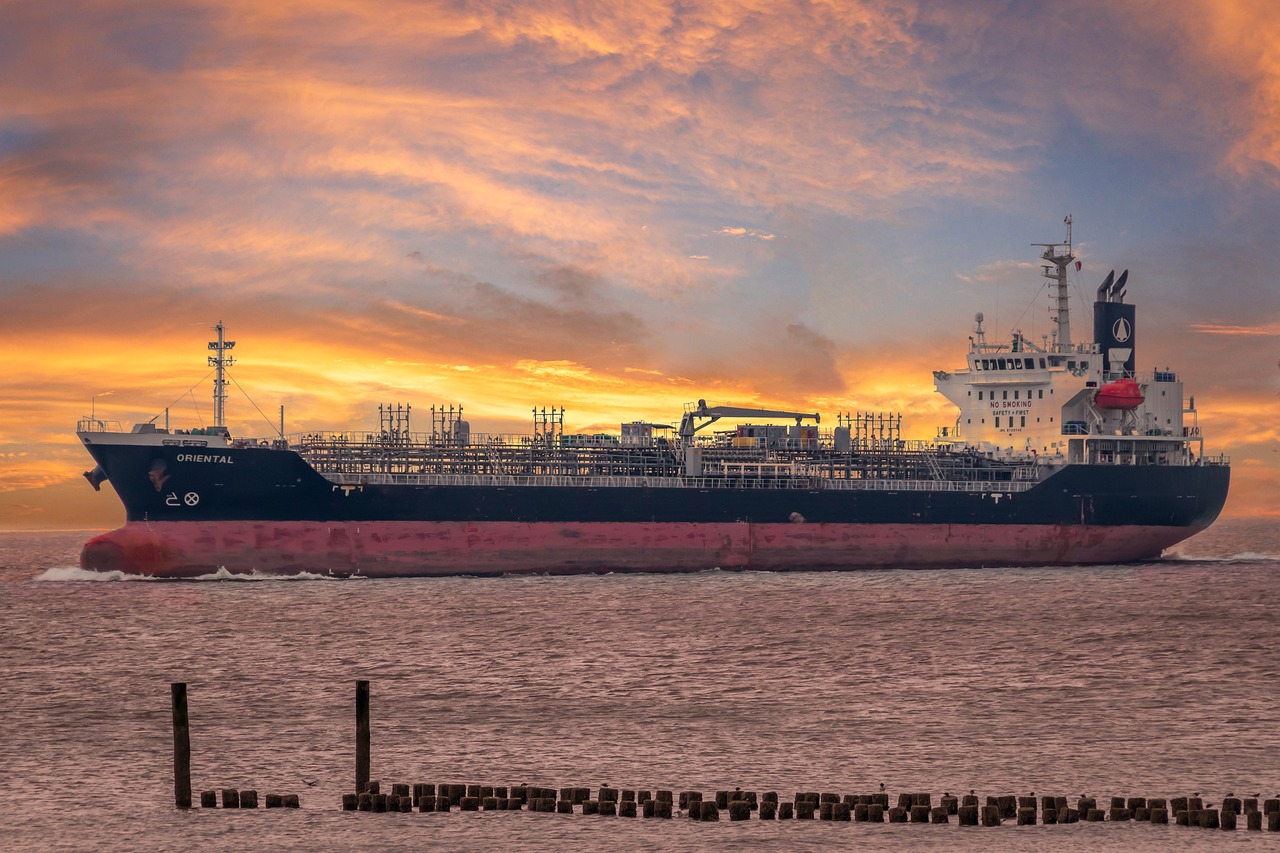
In one notable incident involving Primorsk—a vessel reportedly caught fire after being struck by drones although local authorities managed extinguishing efforts swiftly according governor Aleksandr Drozdenko via Telegram updates shared publicly thereafter.”