Beijing’s decision to suspend soybean purchases from the USA following Trump’s announcement of a new wave of tariffs on kitchen and bathroom furniture, trucks, and pharmaceutical products, could have the effect of zeroing out the traffic of this legume along the routes connecting the Far East to the North American continent between October and November.
Drewry points out that between October and November, 12 million tons of soybeans usually move from the United States to China. A volume quantifiable in terms of ton-miles as 120 billion /miles.
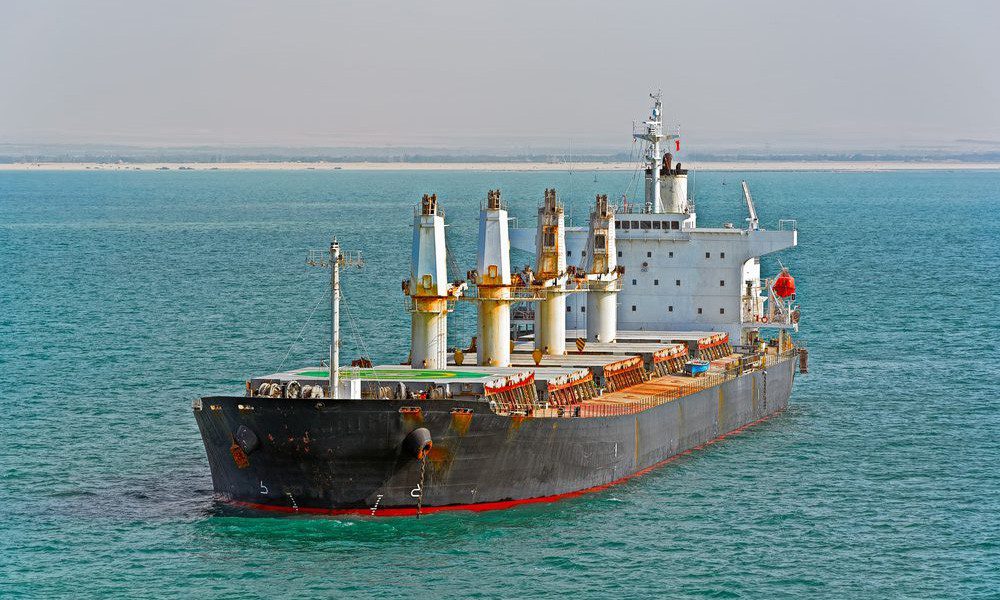
This represents 12% of the global demand for transport aboard Panamax vessels, the bulk carriers on which about 95% of soybean cargoes overall destined for Asia are loaded.
The suspension of this traffic could bring with it the cancellation of 180-190 Panamax voyages during the two months under consideration.
If October and November follow the same trend as September, without shipments, Panamax freight rates could therefore come under significant downward pressure.
China typically buys between 25 and 30 million tons of US soybeans per year. “Although the United States may attempt to divert its exports to other destinations, it will be difficult to replace the scale and consistency of Chinese demand,” explain Drewry’s analysts.
Similarly, China will have difficulty finding alternative suppliers able to fully meet its needs.
“In the end, it is likely that both parties will resume trade, but if the stalemate persists even for just a couple of months, employment in the Panamax sector could suffer a hard blow during the peak shipping window,” adds the British consultancy firm.