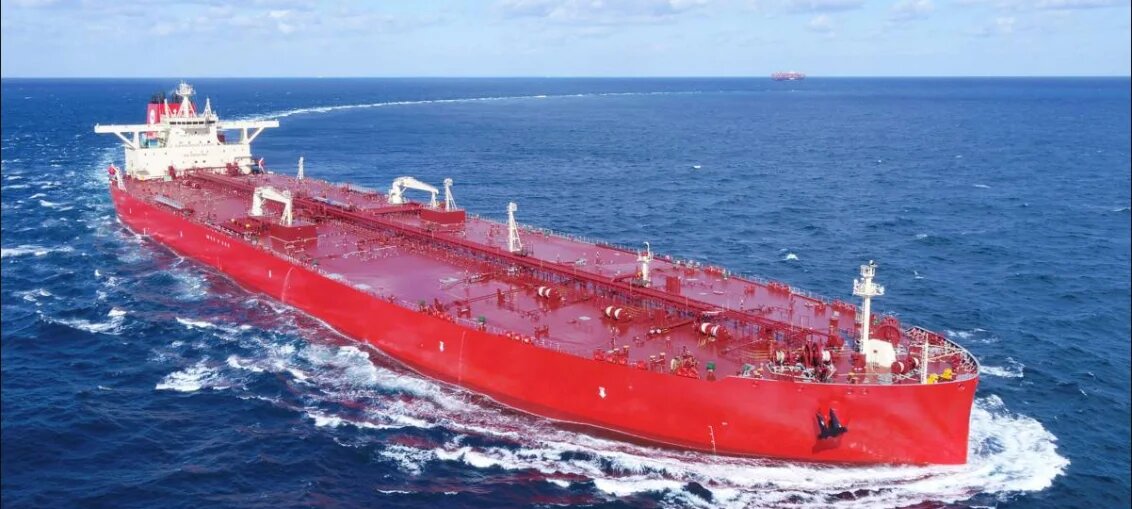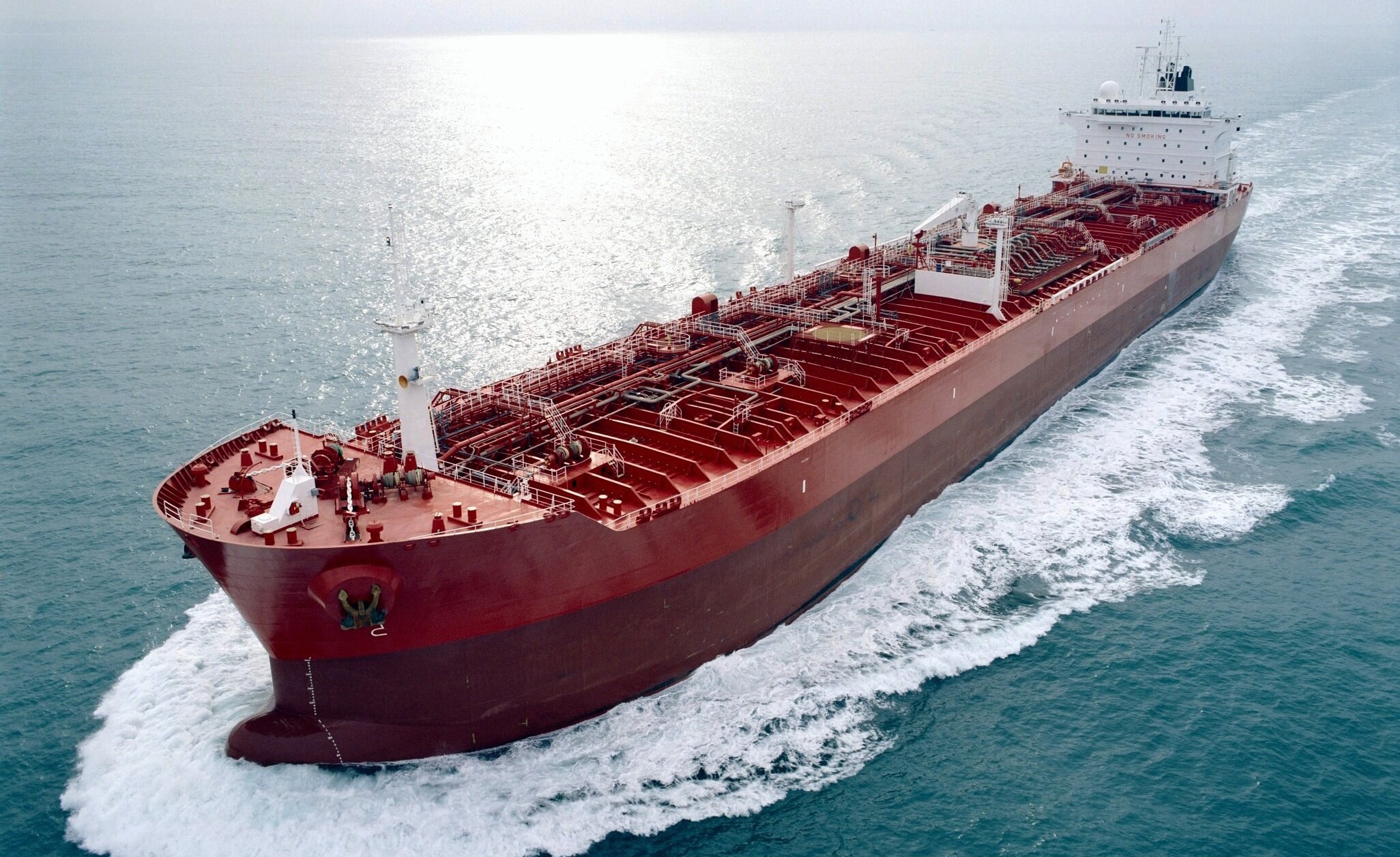
The dredger Galileu Galilei is already deepening the Babitonga bay, Brazil. The $61 million plan is considered the largest dredging project to date and aims to deepen the access channel to the ports of Itapoá and São Francisco do Sul from 14 to 16 meters, allowing the entry of larger vessels.
The project was made possible by an unprecedented collaboration between both terminals and for the first time in Brazil, a public port signed a contract with a private one for a project of this nature, which will be executed through a Public-Private Partnership (PPP).
The public port of São Francisco will contribute $6 million and the private terminal of Itapoá, $55 million. The private investment will be amortized in installments until 2037, approximately 11 years after the project’s completion. The reimbursement for Itapoá will be based on the additional port fees generated by the increased number of vessels docking at the port and the greater volume of cargo handled after the completion of the deepening project.
Part of the dredged sediment will be used to fill an eight-kilometer stretch of the Itapoá beach, adjacent to the channel, whose sandbank could reach 200 meters.
Currently, the dredger transports the sediment to an area designated by Ibama (Brazilian Institute of Environment and Renewable Natural Resources), offshore, known as “bota-fora” (waste dump).
In the coming days, once the five kilometers of pipeline are fully installed from Pontal do Norte beach, the dredger Galileu Galilei, which will be positioned 400 meters from the coast, will begin to fill the Itapoá shoreline.
The dredger fills the internal tank, with a capacity of 18,000 cubic meters, with sand and transports it to the pipeline for subsequent distribution along the beach.
The completion of the work is scheduled for the second half of 2026. The increase in the channel’s depth from 14 to 16 meters will allow the docking of vessels up to 366 meters in length. In this way, Babitonga becomes the first port complex in Brazil with the capacity to accommodate vessels of this size at full load.
The companies Geplan and Prosul were selected through a public tender to supervise the project, valued at $1.65 million. In addition to supervising all stages of the project, they will be responsible for conducting a detailed analysis of each phase, including the compatibility of the sediments deposited on the beach, as well as supervising the topographic modeling of the area to be widened.
The companies will also supervise the aquatic part of the project, ensuring that the deepening and widening measures of the access channel are carried out according to the established technical specifications.
An innovative feature of the project is the disposal of sediments extracted from the sea, as 6.5 million cubic meters of sand will be used to expand the Itapoá shoreline (more than half of the dredged material, which totals 12.5 million cubic meters).