A full analysis of the shipping markets for 2026 was conducted by shipowner Thanasis Martinos, within the framework of the 20th Annual Shipping Forum of the ICS Greek Branch, by Ms. Natalia Margiolis.
Mr. Martinos knows the shipping cycles very well, after almost 60 successful years of involvement in shipping.
Speaking via a recorded video message, after professional obligations kept him away from the Eugenides Foundation, where the ICS conference took place, he analyzed the developments in the freight markets.
He certainly did not fail to emphasize that his estimates are based on data from shipbroking companies, while he predicted that in the future, with the use of artificial intelligence, any estimates for freight rates will be more accurate.
As Mr. Martinos, founder of Eastern Mediterranean (Eastmed), characteristically said, in 2026, in most shipping markets, supply will be at levels greater than or equal to the demand for the seaborne transport of cargo.
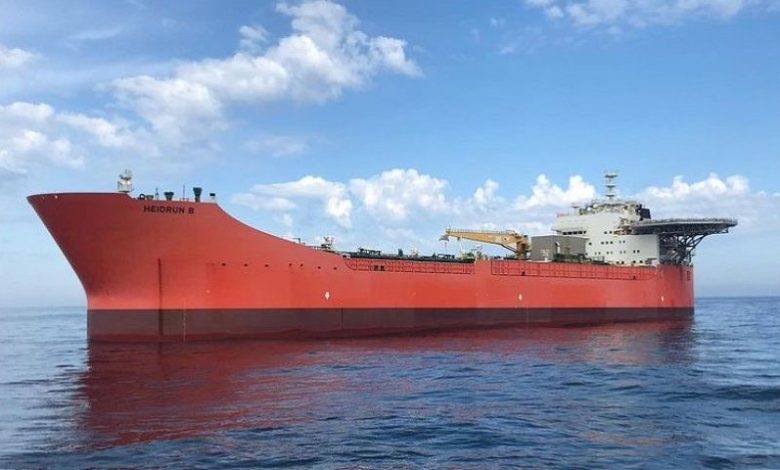
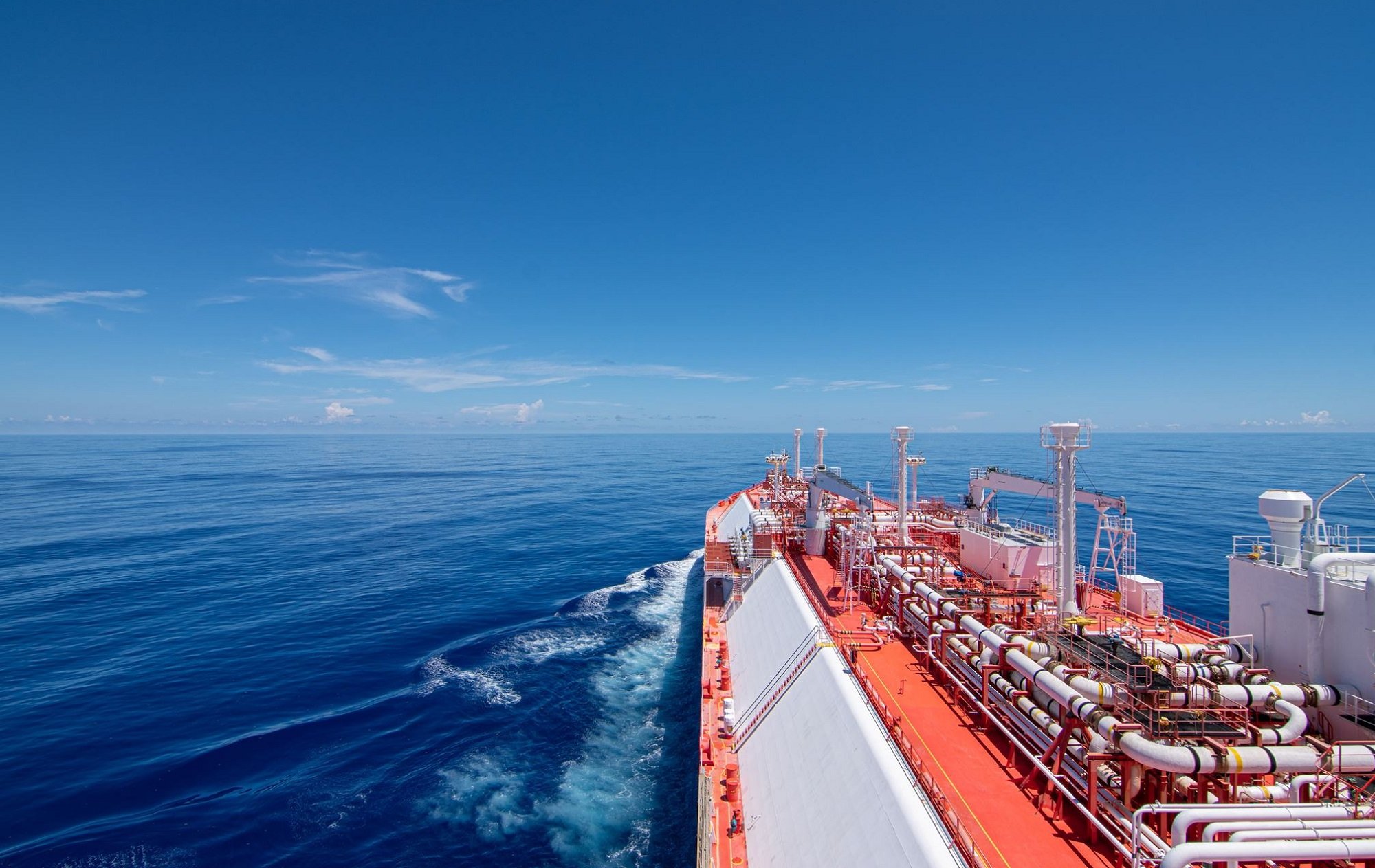
The best returns, however, are expected to be achieved by VLCC-type tankers, capesize-type bulk carriers, and also feeder containerships, which in recent years have recorded high demand from Greek shipping companies, both in the second hand market and with newbuildings.
In more detail, as he said, VLCCs will record a mini boom during the winter. Specifically, he explained that Russian oil, which is subject to sanctions, until now has been transported by medium-capacity tankers.
These quantities, however, are expected to be replaced in due course by crude oil exports from the USA and the Arabian Gulf, which, however, are carried out with large tankers – VLCCs.
In bulk carriers, the large vessels of the sector, the capes, according to Mr. Martinos, will benefit in the new year from the combination of reduced new capacity deliveries and increased iron ore exports from West Africa.
In contrast to tankers and bulk carriers, where Mr. Martinos estimates that large vessels will be favored, in containerships the small ones, the so-called feeders (up to 3,000 teu), are expected to be favored.
The low orderbook so far and the aging of the global fleet will give a boost to this specific market.
Conversely, the return of ships from the Red Sea and Suez, provided that the Houthis do not resume attacks on commercial ships, which kept the sea lane “closed” for about two years, is expected to lead to a downturn for medium and large capacity containerships.
The freight rates for aframaxes will move lower, a consequence of the sanctions on Russian oil and the extensive orderbook for LR2 tankers, noted Mr. Thanasis Martinos and added that, currently, LR2 clean tankers have shifted to the dirty oil trade, while he estimated that MR2 product tankers will also see their freight rates retreat in 2026, a result of increased deliveries and reduced demand for exports of Russian petroleum products.
Mr. Martinos reminded that in 2025 as well, the freight rates for product tankers moved to lower levels compared to 2024, and in 2024 they moved lower compared to 2023.
Finally, regarding the course of the freight market for the smaller sizes of bulk carriers, specifically kamsarmaxes, supramaxes, and handys, according to the estimates of Thanasis Martinos, the next year will be shaped at the same levels as 2025.
“If the dollar weakens against a basket of currencies, it will benefit the dry cargo market,” he noted and explained that, in this way, “the demand for dry cargo will increase, as also happened in the second half of 2025, when freight rates were higher compared to the first half.”