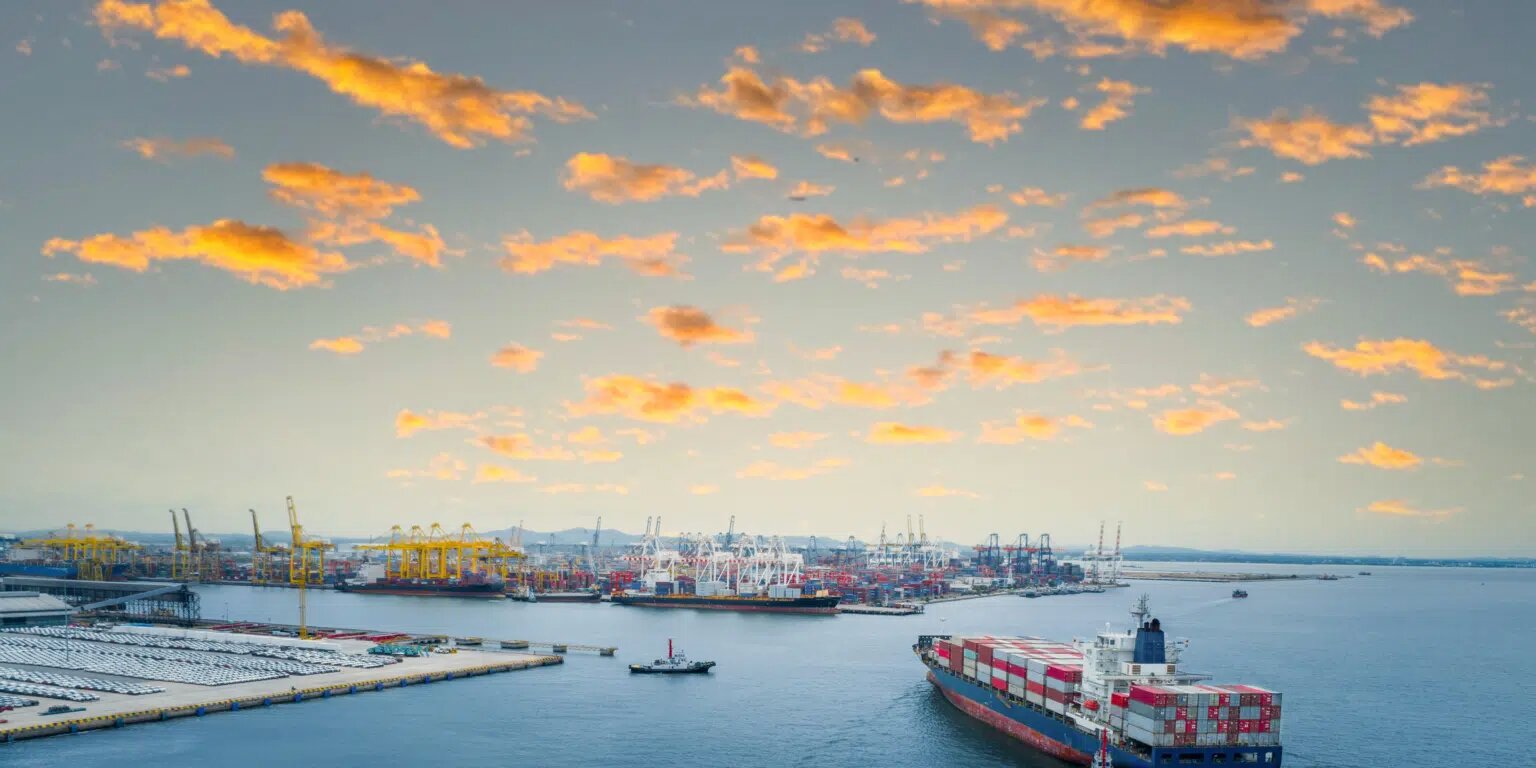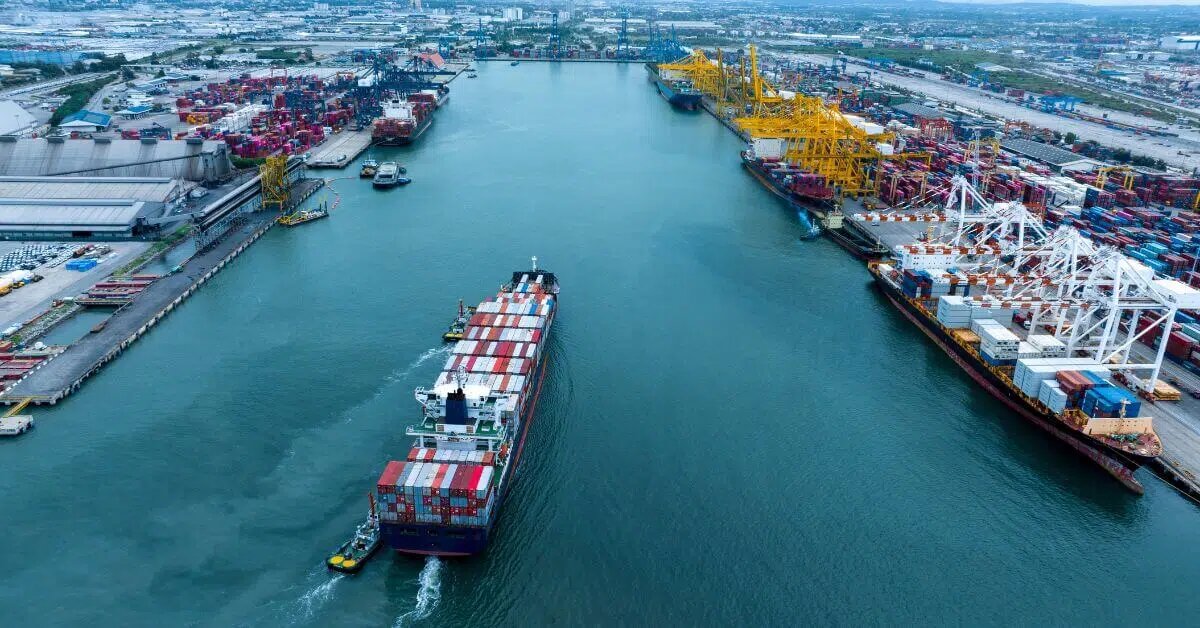
Taipei-based container line Evergreen Marine Corporation is pressing ahead with one of its largest investment programmes to date, committing close to NT$1 trillion (New Taiwan dollars) to newbuilds and equipment.
The development is aimed at modernising the liner’s fleet to net-zero standards.
It includes an order for 14 LNG dual-fuel containerships, each with a capacity of 14 000 TEU.
The contracts have been evenly split between two major Asian shipbuilders, Samsung Heavy Industries in South Korea and Guangzhou Shipyard International in China.
The vessels, valued collectively at around US$2.8 billion, are scheduled for delivery between 2028 and 2030.
In addition to the newbuilds, Evergreen is investing heavily in new containers and related equipment, bringing the total expenditure for this round of upgrades to nearly NT$990 billion.
The company has said operational resilience, improved fuel efficiency and reduced emissions will bring Evergreen in line with global environmental regulations.
According to industry analysts, it reflects broader trends across the container shipping sector, with major carriers continuing to renew their fleets following record profits during the pandemic years and incoming decarbonisation rules from the International Maritime Organization.
The substantial order book underscores Evergreen’s confidence in long-term trade demand and positions the company to remain competitive as the global fleet transitions towards cleaner propulsion technologies.
View the discussion thread.
The country’s ports and bonded warehouses are key to enabling illicit trade flows of drugs, arms and counterfeit goods.
The BMA has said it’s doing whatever it can to assist trade facilitation at the transit.
The market holds potential for growth in orange exports now that punitive duties have been removed.
Drones are being deployed across Africa to monitor border crossings and crack down on smuggling syndicates.
The summit aims to advance a responsive trade and investment agenda.
The UK Maritime Trade Operations Centre described the event as possible “state activity”.
Non-tariff barriers, weak border systems and poor infrastructure remain the real obstacles to Africa’s trade growth.
Various borders from South Africa into Zimbabwe and Botswana are beginning to bottleneck.
The new call will include a direct connection to Singapore with a 15-day transit and 27 days to Nansha.
Reforms will increase the volume of rail freight, reduce port congestion and improve economic performance.
Rail freight is gradually recovering, rising to 14.5% of total payload in August 2025, the TFI shows.
Inclement weather is jeopardising the salvage operation of the vessel, which ran aground in February.