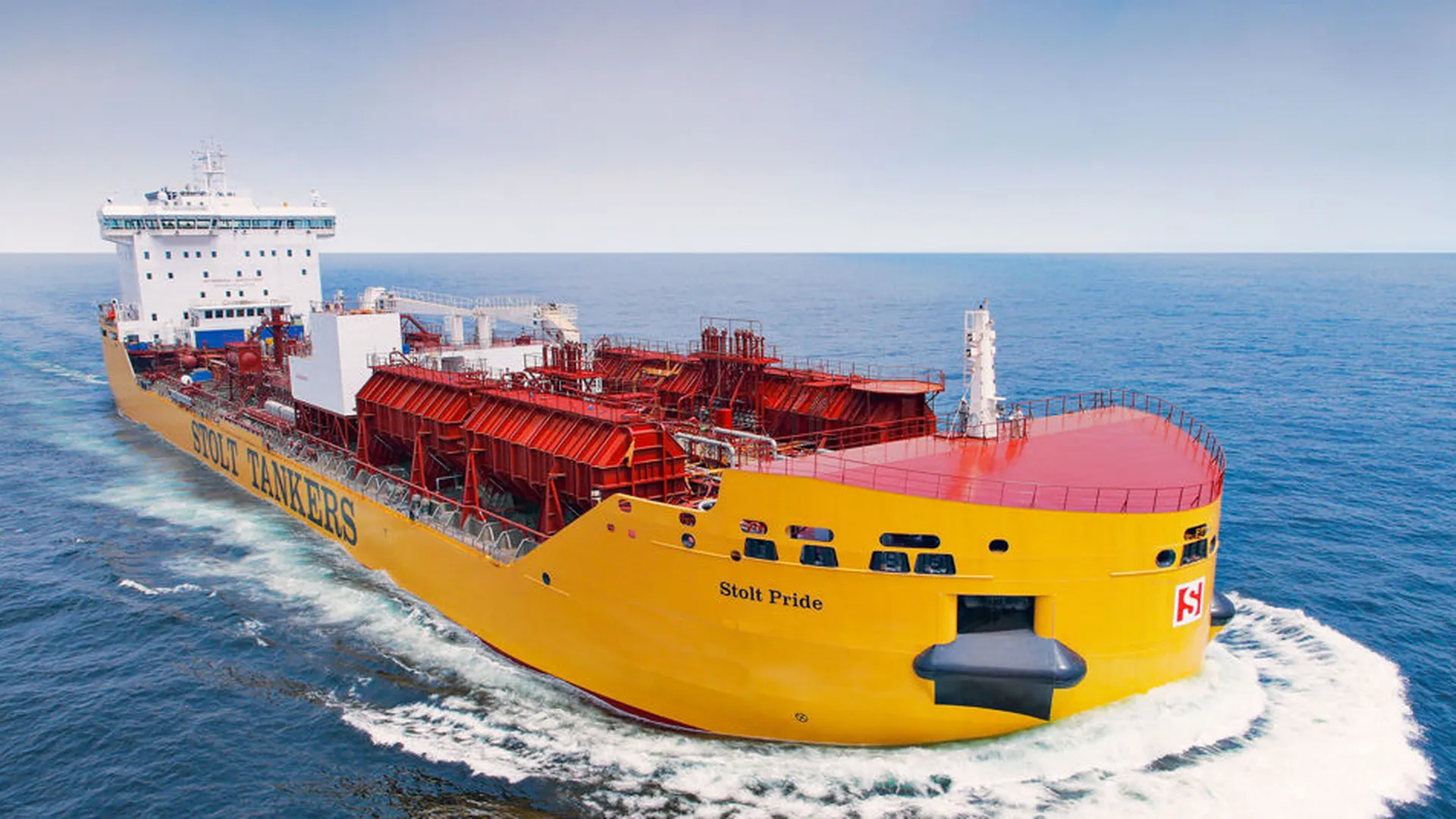
According to an analysis by the Daily Telegraph, the 18-year-old oil tanker Boracay, linked to Russia, was seized by French commandos in Brest this week. This vessel has been involved in up to nine drone-related incidents in Northern Europe. It is reported that it was near Copenhagen and Kiel when closures occurred at several Danish airports at the end of September due to suspicious drone activity.
Built in 2007, the Boracay has changed owners four times and has sailed under five different names and seven flags in the last three years alone, according to data provided by Windward, a firm specializing in maritime analysis.
The ship’s captain will face trial in France next February. Authorities have initiated a preliminary investigation due to the lack of cooperation from the crew and their inability to justify the vessel’s nationality.
The trial is scheduled for February 23 in Brest, where he could face up to a year behind bars and a fine amounting to €150,000 (approximately $176,000).
This is piracy. The oil tanker was seized without any justification.
Volodymyr Zelensky, the Ukrainian president, was one of the first leaders to accuse Russia of using oil tankers as platforms to launch drones over European cities; a warning that seems to gain relevance with each passing day.
As concerns grow about the crew on board these suspicious ships, a Danish pilot recently commented to the magazine Foreign Policy: “We have observed uniformed personnel with Russian military camouflage.” However, these officers are not listed among the officially registered members of the ship’s team.
Yesterday Vladimir Putin addressed the matter during his speech at the Valdai Club: “I will not be deterred by France or Denmark,” he said smiling before dismissing the accusations as tactics used by NATO to increase its military budgets. In response to the French boarding of the Boracay he stated: “This is piracy. What do you do with pirates? You destroy them.”
Different was the tone adopted by European leaders meeting in Copenhagen. Donald Tusk, the Polish prime minister, declared: “We must leave these illusions behind; this is war—a very complex new type.” He stated that Poland had already shot down drones over its territory and indicated that such incidents occur almost daily around critical infrastructure.
That same day it was revealed that Polish border guards intercepted a Russian fishing vessel performing unusual maneuvers near a Baltic pipeline close to Władysławowo. Although it left quickly after being warned by radio about its illegally close presence to the restricted area; this encounter intensified fears regarding possible deliberate reconnaissance against allied energy assets.
Emmanuel Macron also expressed strong opinions: “A significant part of Russian war funding comes precisely from these oil tankers linked to illicit trafficking.” He also asserted that between 30% and 40% of the Russian war effort depends directly on operations carried out by this clandestine fleet.