As reported by The Hindu, the United States has enacted fresh sanctions against various entities and individuals linked to Iran’s clandestine oil operations. This includes a shipping company based in India and a trader of petroleum products.
This action is part of Washington’s broader strategy to cut off financial resources that allegedly bolster Iran’s nuclear program, military activities, and support for armed groups in the region.
The Indian firms affected by these sanctions are RN Ship Management Private Limited from Maharashtra and TR6 Petro India LLP from Pune. Additionally, two individuals-Zair Husain Iqbal Husain Sayed and Zulfikar Hussain Rizvi Sayed-have also been implicated.
The US State Department revealed that TR6 Petro imported over $8 million worth of bitumen originating from Iran between October 2024 and June 2025. This firm was sanctioned under Executive Order 13846 due to its involvement in significant transactions related to Iranian petroleum products.
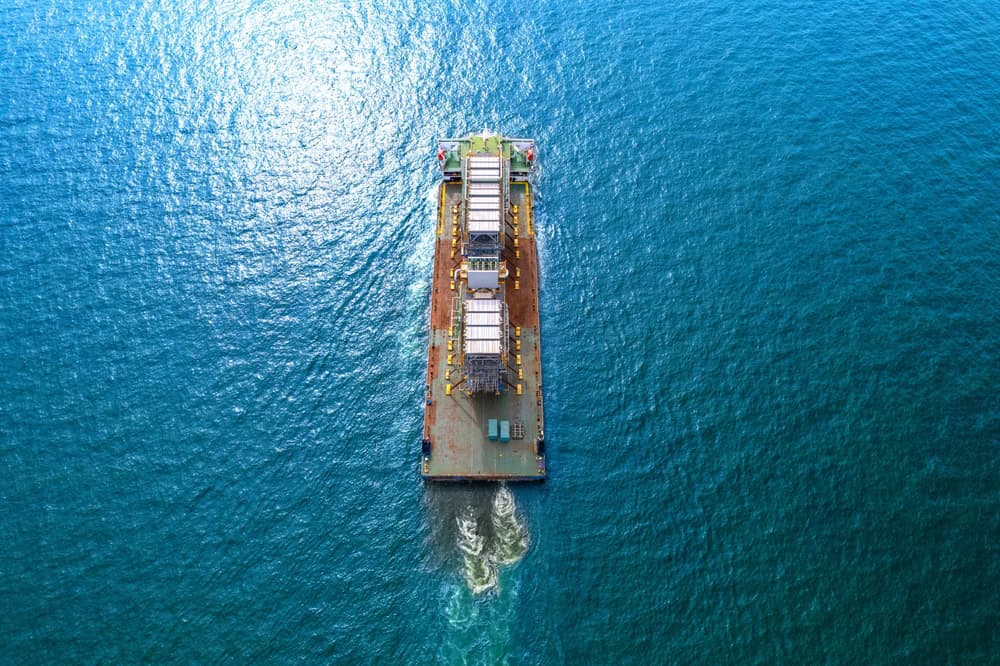
RN Ship Management was included on the list for allegedly managing vessels transporting Iranian crude oil on behalf of Sepehr Energy Jahan Nama Pars Company, which is already under US sanctions due to its connections with Iranian military operations.
The designations were announced jointly by the Departments of State and Treasury. In total, 17 entities along with individuals and vessels were listed by the State Department while an additional 41 were added by Treasury for their roles in facilitating Iran’s oil trade.
US officials emphasized that revenue generated from Iranian oil continues to fund military efforts, particularly as forces regroup following recent conflicts such as the brief but intense skirmish with Israel. Treasury Secretary Scott Bessent noted that curbing this revenue stream is crucial for hindering Tehran’s nuclear aspirations while limiting its support for regional militias.
The sanctions extend beyond just Indian companies; they also target intermediaries located in countries like Panama, Germany, Greece, UAE, and The Gambia-nations suspected of aiding illicit oil transfers through covert channels.
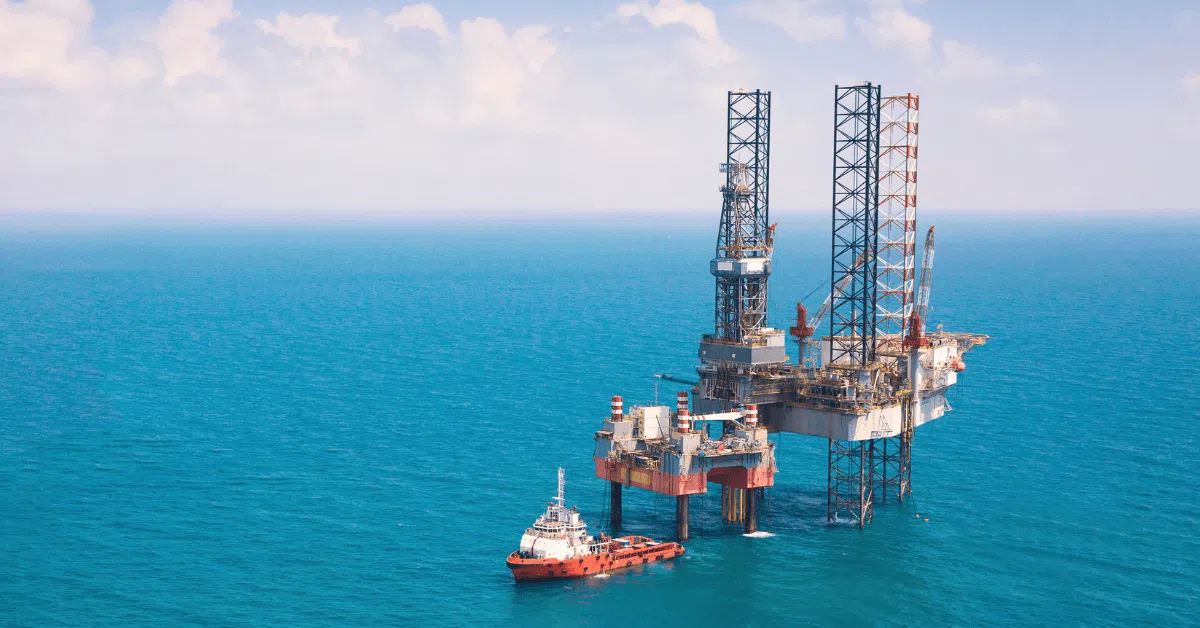
A number of tankers believed to be involved in transporting Iranian crude via ship-to-ship transfers have been added to this growing list. These operations often involve disabling tracking systems or falsifying documentation regarding cargo origins.
According to US authorities, Sepehr Energy Jahan has relied heavily on a “shadow fleet” alongside an extensive network of brokers designed specifically to obscure the source of Iranian oil exports despite ongoing sanctions efforts.
This latest round also intensifies restrictions against Mahan Air-the largest private airline in Iran-and its subsidiary Yazd International Airways Company. The US government accuses Mahan Air of collaborating with the IRGC-Qods Force by allegedly ferrying personnel and equipment supporting allied groups within Syria and Lebanon.
A number of aircraft operated by Mahan Air-including seven Western-manufactured planes acquired through third-party channels-have been designated as blocked property along with key procurement officials within the airline being sanctioned as well.
The measures fall under Executive Orders 13224 and 13902 aimed at combating terrorism financing while targeting sectors critical to Iran’s economy like petroleum production. According to statements made by state officials, these actions align with National Security Presidential Memorandum 2 (NSPM-2), which mandates sustained pressure on Tehran’s activities globally.