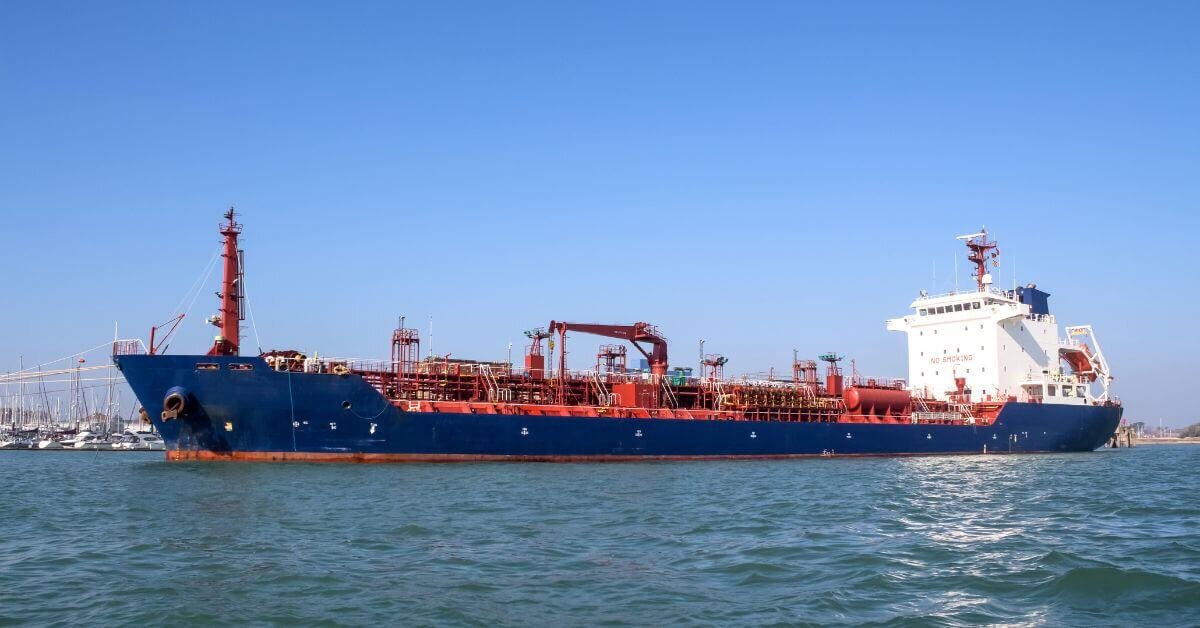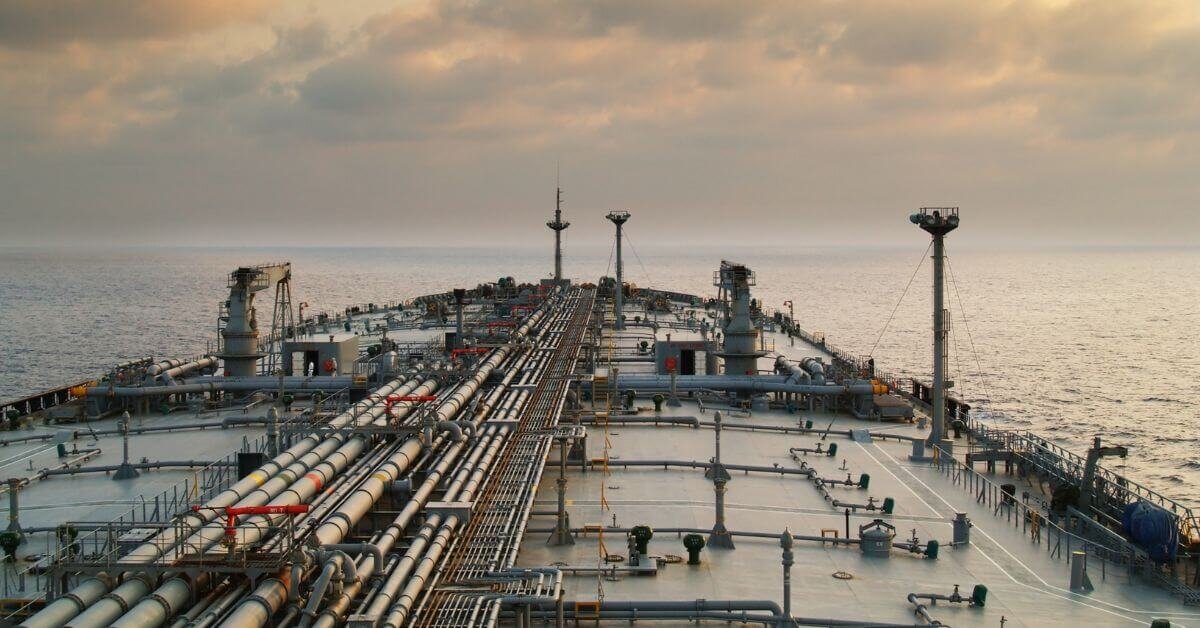
Wind is finally turning into a real line item on the bunker bill, and Anemoi Marine Technologies is one of the firms turning that wind into propulsion hardware shipowners can actually deploy. From its London head office, Anemoi designs Rotor Sail systems that tap the Magnus Effect for auxiliary thrust, letting you hold speed with less main engine load, cut fuel and CO₂, and create some breathing room on CII and wider decarbonisation targets.
Anemoi Marine Technologies: Location
6th Floor, Marlow House, 1A Lloyds Avenue, London, EC3N 3AA, United Kingdom
Shipowners save by:
-
Turning wind into lower fuel burn:
Rotor Sails provide auxiliary thrust so the ship can hold the same speed
with less main engine power, cutting propulsion fuel consumption and CO₂
on suitable routes. -
Improving CII and other carbon metrics:
Verified projects on bulk carriers have shown net propulsion fuel and
emissions savings in the high single digits, supporting CII, EEXI and
broader decarbonisation targets over the life of the vessel. -
Protecting against future carbon costs:
Lower fuel consumption reduces exposure to rising bunker prices and
carbon-linked costs, whether through regional schemes or commercial
clauses that link freight to emissions performance. -
Keeping cargo operations workable:
Rail and folding deployment systems are designed so Rotor Sails can be
moved or stowed clear of cranes and loaders, helping avoid lost time or
cargo restrictions on bulk carriers and other busy decks. -
Retrofitting and re-deploying capital:
Systems can be fitted to existing ships and, where business needs
change, moved between vessels, so owners can reallocate the hardware to
the trades and hulls that benefit most. -
Building a documented performance record:
Control systems and reporting help demonstrate real-world fuel and
emissions savings to charterers, financiers and regulators, supporting
the business case on future fixtures and financings.
Planning note: actual savings depend on vessel type, size, route, wind
climate and operating profile. Use this as a directional guide and pair it
with your own weather routing and performance data.
Notable mentions & case studies
Public references where Anemoi Rotor Sails are installed, analysed, or highlighted.
-
NSU TUBARAO — 400,000 dwt VLOC
• 2025 retrofit
Vale-chartered ore carrierFive 35 m Rotor Sails retrofitted on a Vale-chartered NS United ore carrier,
with Anemoi reporting expected ~6–12% annual fuel reduction on propulsion
and more than 1.6 million dwt of installed tonnage across the VLOC series.
See Anemoi’s project note for details:
project summary. -
Sohar Max — 400,000 dwt VLOC
• 2024 retrofit
Large-scale wind-assist projectInstallation of five 35 m × 5 m Rotor Sails on Sohar Max, a Vale-linked
Valemax, cited by Anemoi as one of its largest wind-propulsion projects to date,
with up to around 6% fuel saving and ~3,000 t/year CO₂ reduction
projected under operational conditions.
Source:
Anemoi news release. -
Berge Neblina — 388,000 dwt Valemax
• 2024 retrofit
Berge Bulk / ValeFour 5 m × 35 m Rotor Sails on Berge Bulk’s Berge Neblina, using a folding
deployment system to clear cranes and air-draught limits, with an
expected annual fuel and emissions reduction of around 8%.
Case study:
Anemoi case study. -
Grand Pioneer — 325,000 dwt VLOC
• 2025 retrofit
U-Ming VLOCU-Ming’s Grand Pioneer VLOC fitted with Rotor Sails at COSCO Zhoushan,
part of a programme where U-Ming and Anemoi reference up to ~12% fuel
and emissions savings on suitable iron-ore routes.
Coverage:
Ocean News & Technology. -
Lloyd’s Register / Anemoi — performance verification
Methodology paperLloyd’s Register Advisory and Anemoi co-authored a white paper proposing an
ON–OFF testing method to verify wind-assist performance using ISO-based data
and calibrated models — a reference point for class, owners and financiers
assessing real-world savings.
Download:
LR–Anemoi paper (PDF). -
Thetius Top 150 2025
Innovation index listingAnemoi appears in the Thetius Top 150 2025 index of maritime technology
companies, with its profile highlighting Rotor Sail deployments and
independently verified fuel and CO₂ savings across multiple vessels.
Listing:
Thetius Top 150 2025. -
Jingjiang production facility — China
Industrial-scale manufacturingIndustry coverage highlights Anemoi’s Rotor Sail manufacturing hub in
Jingjiang, described as a fully integrated facility with a stated capacity
of around 250 Rotor Sails per year, supporting wider fleet roll-out
and shorter lead times.
Report:
Maritime-Innovations analysis.
Selection is indicative, not exhaustive. Use these links to benchmark savings claims,
vessel sizes, and deployment systems when building your own business case.
Rotor Sail savings (simple planner)
Adjust a few knobs to see fuel, CO₂ and dollar savings from a wind-assist installation across your fleet.
Main engine fuel burn at sea (mt/day)
Days at sea per year
Share of days with useful wind (%)
Portion of sailing days where route and wind allow the system to contribute.
Average propulsion saving on those days (%)
Use your own trials or supplier estimates here.
Fuel price ($/mt)
Carbon cost ($/tCO₂)
If you do not pay explicit carbon cost, set to 0 and treat as “shadow price”.
Installed capex per ship ($)
Ships in scope
Fuel saved per year (fleet)
0 mt
CO₂ avoided per year (fleet)
0 t
Annual $ saving (fuel + carbon)
$0
Simple payback
—
Annualised ROI
—
| Baseline fuel at sea (per ship, per year) | 0 mt |
| Effective days with wind-assist (per ship, per year) | 0 days |
| Fuel saved (per ship, per year) | 0 mt |
| Fuel saving value (fleet) | $0 |
| CO₂ avoided (per ship, tCO₂/year) | 0 t |
| Carbon saving value (fleet) | $0 |
| Total annual saving (fleet) | $0 |
| Total capex (fleet) | $0 |
Reset
Print
Download CSV
Directional tool only. Replace defaults with your own noon reports, weather routing and quotes.
Anemoi sits in the middle of a very practical question for many owners: how much of the decarbonisation gap can you close with physics and hardware rather than just more expensive fuels. The calculator above gives you a directional view of fuel, CO₂ and payback based on your own routes and bunker assumptions; combined with reference projects and class-verified methods, it helps you decide where Rotor Sails belong in your fleet plan and which ships and trades should go first.
We welcome your feedback, suggestions, corrections, and ideas for enhancements.
Please click here to get in touch.
By the ShipUniverse Editorial Team — About Us | Contact