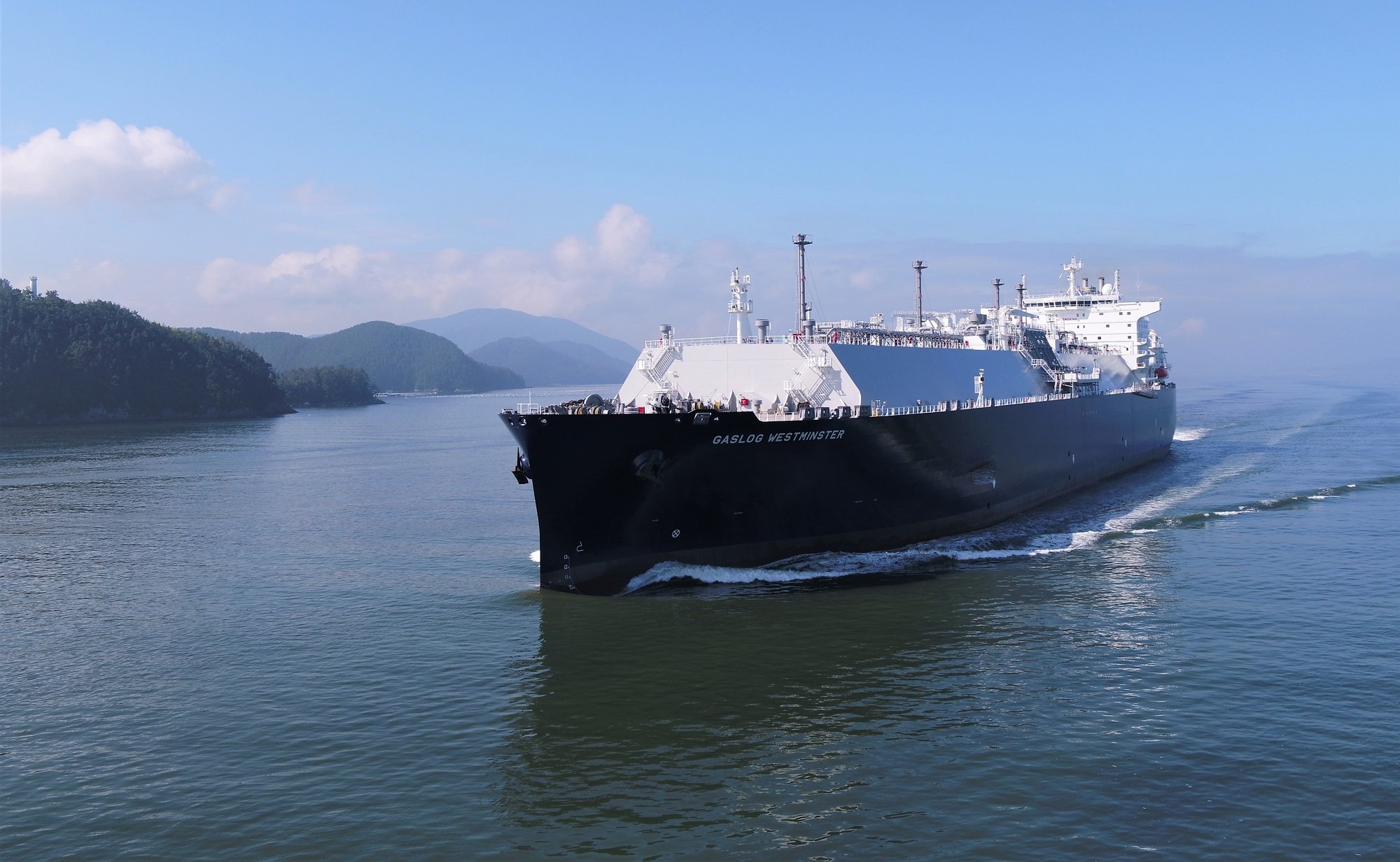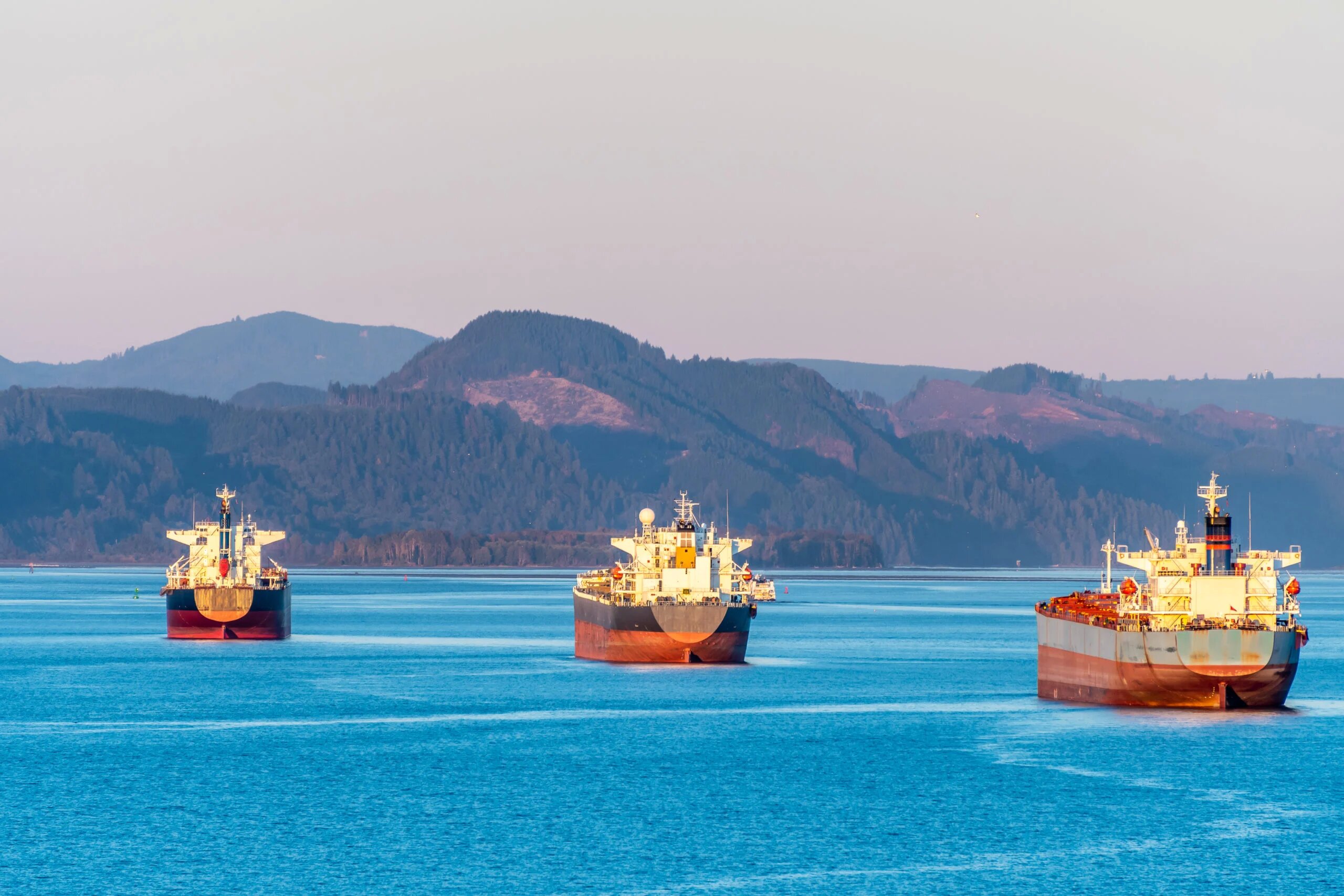
Recent inspections have revealed that some oil tankers are unfamiliar with how to switch the AIS to low-power mode.
When oil tankers are operating in port, there is often a certain amount of oil vapor around the ship-to-shore operation area, creating a flammable environment.
When AIS operates in high-power mode, it radiates a large amount of energy. This energy can induce potential in ungrounded equipment, generating heat which can then cause electrical sparks. These sparks can easily ignite the oil vapor accumulated above the tanker, leading to serious accidents such as explosions.
Therefore, setting the AIS to low power is an important measure to ensure the safety of oil tankers during port operations.
01
Relevant Regulations
“Safety Requirements for Oil Tanker Operations in Port” GB18434-2022 Article 4.4.10: During port operations, medium and high frequency transmitting antennas should be grounded; / UHF, Automatic Identification System (AIS) (if no automatic power selection function is available) should be set to low power.
“ISGOTT” 4.13.4: The Automatic Identification System (AIS) needs to be operational while the tanker is underway and at anchor.
Some port authorities may require the AIS to remain on while the tanker is alongside.
AIS operates on VHF frequencies, automatically transmitting and receiving information, with an output power between 2.0W and 12.5W.
An automatic interrogation from another station (e.g., port authority equipment or another tanker) may cause the equipment to transmit at the higher power (12.5W), even if it is set to low power (typically 2.0W).
When approaching a berth or port area where hydrocarbon gas may be present, the AIS should be switched off or the antenna isolated and a dummy load provided for the AIS.
Isolating the antenna preserves manually entered data, which may be lost if the AIS is switched off.
The port authority should be notified if necessary.
When approaching a berth or port area where hydrocarbon gas is unlikely to be present, the AIS should be switched to low power if the unit has the facility.
02
Different Models of AIS
How to Switch Power?
JRC /183 AIS Operation Instructions:
Automatic switching condition settings. The equipment will automatically switch from high power (12.5W) to low power (1W) when the following three conditions are met:
Ship Type: Set the ship type explicitly to “Tanker” in the AIS settings;
Speed Over Ground: The vessel’s Speed Over Ground (SOG) is below 3 knots;
Navigation Status: Set to “At Anchor” status.
Manual Check of Low Power Status (Optional)
If manual confirmation of the low power status is required, it can be viewed through the following menu path:
Main Menu → 5. Maintenance → 2. TRX Condition → TX Power
The page will display the current transmission power status (e.g., “HIGH” indicates high power).
Xinyangsheng NSI-1000 AIS Operation Instructions:
The NSI-1000 is a Class A Automatic Identification System device. This device has special design for the use and settings of this type of ship. When the navigation status is set to “Moored”, it automatically switches to low-power operation.
XN60 Commonly Found on Inland Vessels
Touch Screen Multi-function Display Terminal Series
As the AIS for this type of vessel is Class B and its transmission power is only 2W, there is no situation of high-power transmission.
Furthermore, the power switching for this type of AIS cannot be operated by the crew, therefore power switching is essentially meaningless.
It is hoped that through today’s introduction, everyone has gained a clearer understanding of the functions of AIS, the setting requirements for the low-power mode of AIS on oil tankers operating in port, and the switching operations for common models.
In practical work, please be sure to strictly follow the relevant regulations to ensure the safety of ship navigation and operations.