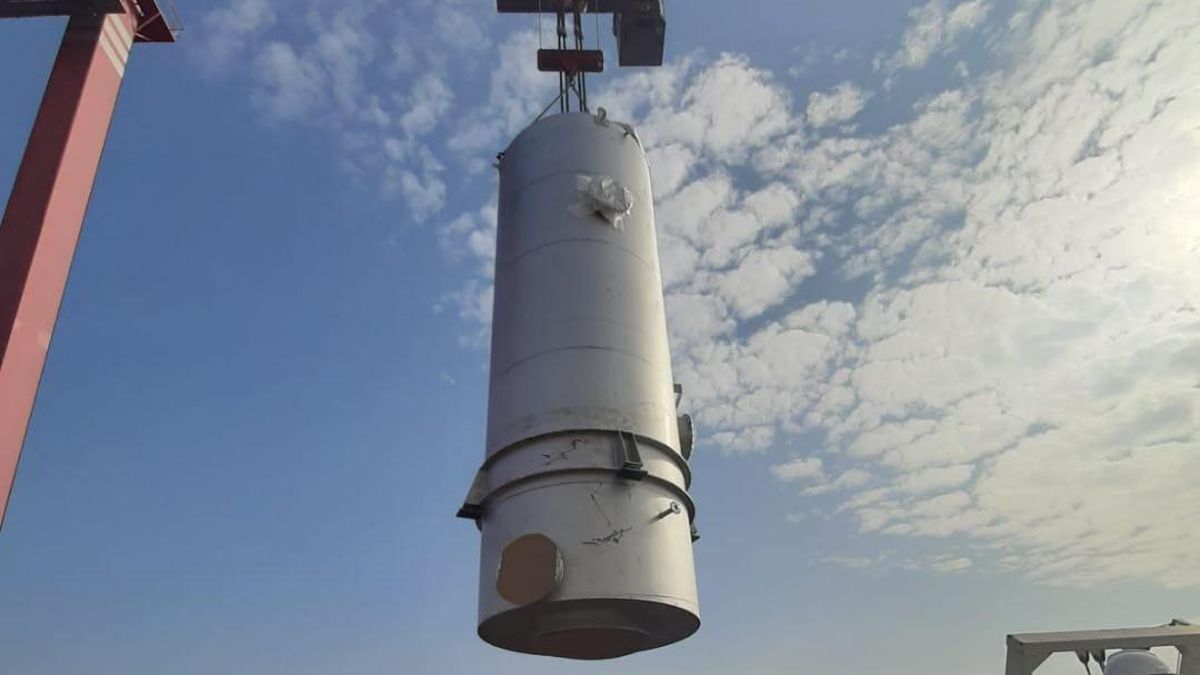
Almost a quarter of the world fleet would be fitted with exhaust gas cleaning systems by 2023 (source: CROE)
Two-day event set for 18-19 May 2022 in Amsterdam tackles challenges on path to shipping’s decarbonisation
Generating about 3% of global greenhouse gas emissions, international shipping is faced with the challenge of introducing thousands of zero-emissions ships into the fleet over the next decade to meet its decarbonisation targets. This means introducing a host of zero-emissions fuels in ample supply and associated bunkering infrastructure, developing next-generation engine and propulsion technologies, creating guidelines, rules and regulations around safety and constructing a fleet of new ships. The energy transition presents a mind-boggling list of operational, technical and commercial challenges for shipowners.
These challenges will be addressed during a series of individual and panel presentations during Riviera Maritime Media’s Maritime Air Pollution and Fuel Technologies Conference, Europe, scheduled for 18-19 May 2022 in Amsterdam, the Netherlands. Through eight sessions over two days, well-known experts will address the role of ports in decarbonisation, current and emerging environmental regulations, green fuels, shipboard carbon capture, emissions monitoring, marine lubricants and engine and propulsion technology. The topics underpin the event’s central theme, Roadmap to reducing emissions and air pollution in the maritime industry.
As part of its agenda, Maritime Air Pollution and Fuel Technologies Conference, Europe will take a deep dive into exhaust gas cleaning systems, with insightful presentations from first adopters discussing valuable lessons learned from operational experience, best practices for installation, and how they see scrubbers fitting into shipping’s zero-emissions future.
“Scrubbers have been a sound choice for shipowners, both from an environmental and economic standpoint,” said Marine Propulsionbrand manager Tom Kenny. “While there were many early critics of the technology prior to the IMO 2020 0.50% sulphur cap, scrubber environmental performance has gone well beyond compliance, and they’ll play a critical role in shipping’s journey towards decarbonisation.”
Scrubbers have been installed on a significant portion of the global fleet — almost a quarter of ships operating will be fitted with exhaust gas cleaning systems by 2023, according to Clarkson Research Services. The scrubber market is again starting to pick up.
“We’re extremely pleased to be producing this event in association with the Exhaust Gas Cleaning Systems Association,” said Mr Kenny, adding, “This will allow delegates attending to hear from and network with some of the foremost experts in the field of scrubber technology.”