/Agencia Reuters
The oil transportation and storage company Sentinel Midstream reported that it will immediately begin construction of its deepwater crude export project off the coast of Texas, marking the first development of a large-scale shipping initiative in the United States in years.
Sentinel expects to begin commercial operations of the Texas GulfLink system by the fourth quarter of 2028, according to Bruce Heine, senior vice president of public affairs for the company. He added that the company will soon begin excavation activities and will commit to the acquisition of equipment with long lead times.
Construction of the project would begin at a time when the United States has become a net exporter of crude oil for the first time since World War II, due to the conflict in Iran having increased European and Asian demand for US oil.
President of the United States, Donald Trump, promised last year to accelerate approvals of energy infrastructure projects to strengthen the oil and gas industry and expand the country’s production.
Sentinel’s Texas GulfLink project received a license in February, a fundamental step in the permitting process. The Trump administration also indicated at that time that Japan would invest in the Texas GulfLink facility, valued at $2.1 billion.
Sentinel will lead the development of Texas GulfLink, overseeing construction, commercial operations, and long-term management of the terminal, the Dallas-based company said in a statement.
The entity added that the financing provided under the US-Japan Trade Agreement underscores continued international confidence in US energy infrastructure and supports the expansion of US crude exports to global markets.
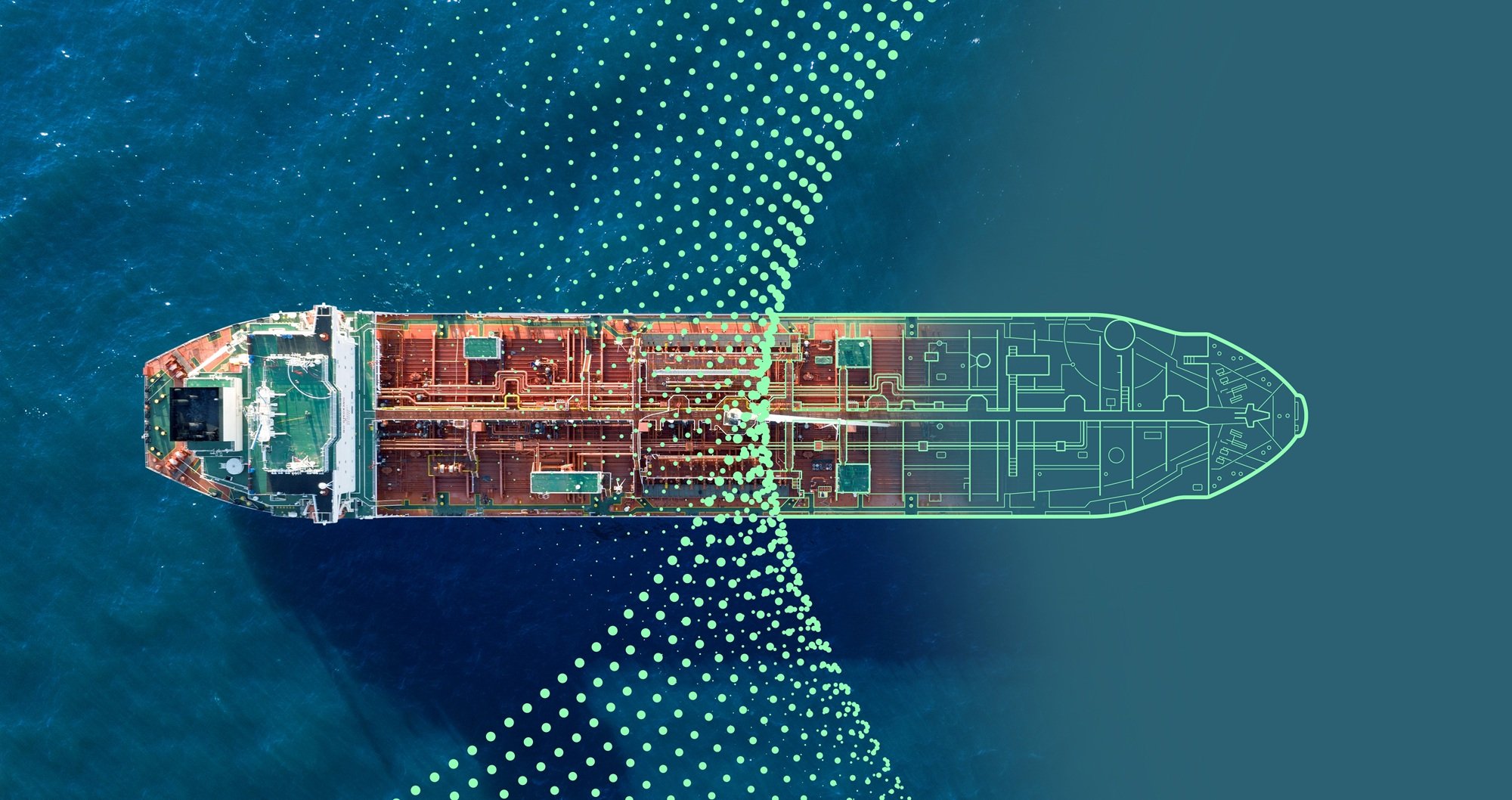
The offshore project, which will be located about 30 miles from Freeport, Texas, aims to be capable of fully loading a supertanker with about 2 million barrels of oil in a single day.
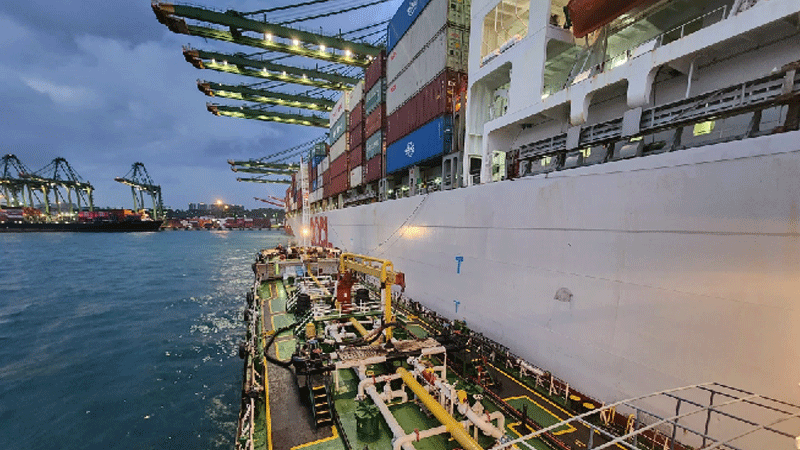
Currently, only one port facility in the US, the Louisiana Offshore Oil Port (LOOP), can load supertankers to their maximum capacity. Other facilities can only load them partially, requiring the use of smaller ships to transport crude to the larger vessel to complete the load, which increases shipping costs.
The last proposed deepwater project in the US – Enterprise Products Partners’ Sea Port Oil Terminal (SPOT) – stalled last year after failing to receive sufficient interest from customers.
Enterprise had attributed this to regulatory delays under the previous Biden administration and a shift in global oil flows following the Russian invasion of Ukraine, which diverted US vessels more towards Europe instead of Asia.
The Asian market is primarily oriented towards the use of supertankers that would load at these deepwater ports.
However, the recent war in Iran has left Asian oil companies undersupplied with crude from the Middle East, forcing them to turn to US oil.
US crude exports to Asia reached a record 2.31 million barrels per day in April, thus surpassing shipments made to Europe.