The shipping market has seen another major investment. According to the latest weekly report from shipbroker Xclusiv, in the first quarter of 2026, the total order value placed by Greek shipowners in the newbuilding market has exceeded USD 100 billion, reaching approximately USD 10.1 billion, setting a new record for quarterly capital investment under this statistical metric.
Data shows that Greek shipowners placed orders for a total of 102 new vessels in the first quarter, a significant increase of 3.6 times compared to 28 vessels in the same period of 2025. The orders cover the four major mainstream market segments: tankers, LNG carriers, dry bulk carriers, and container ships. Xclusiv pointed out that the broad coverage of Greek shipowners’布局 reflects their strategic reconfiguration of fleets at a pace and scale rarely seen in recent shipping cycles.
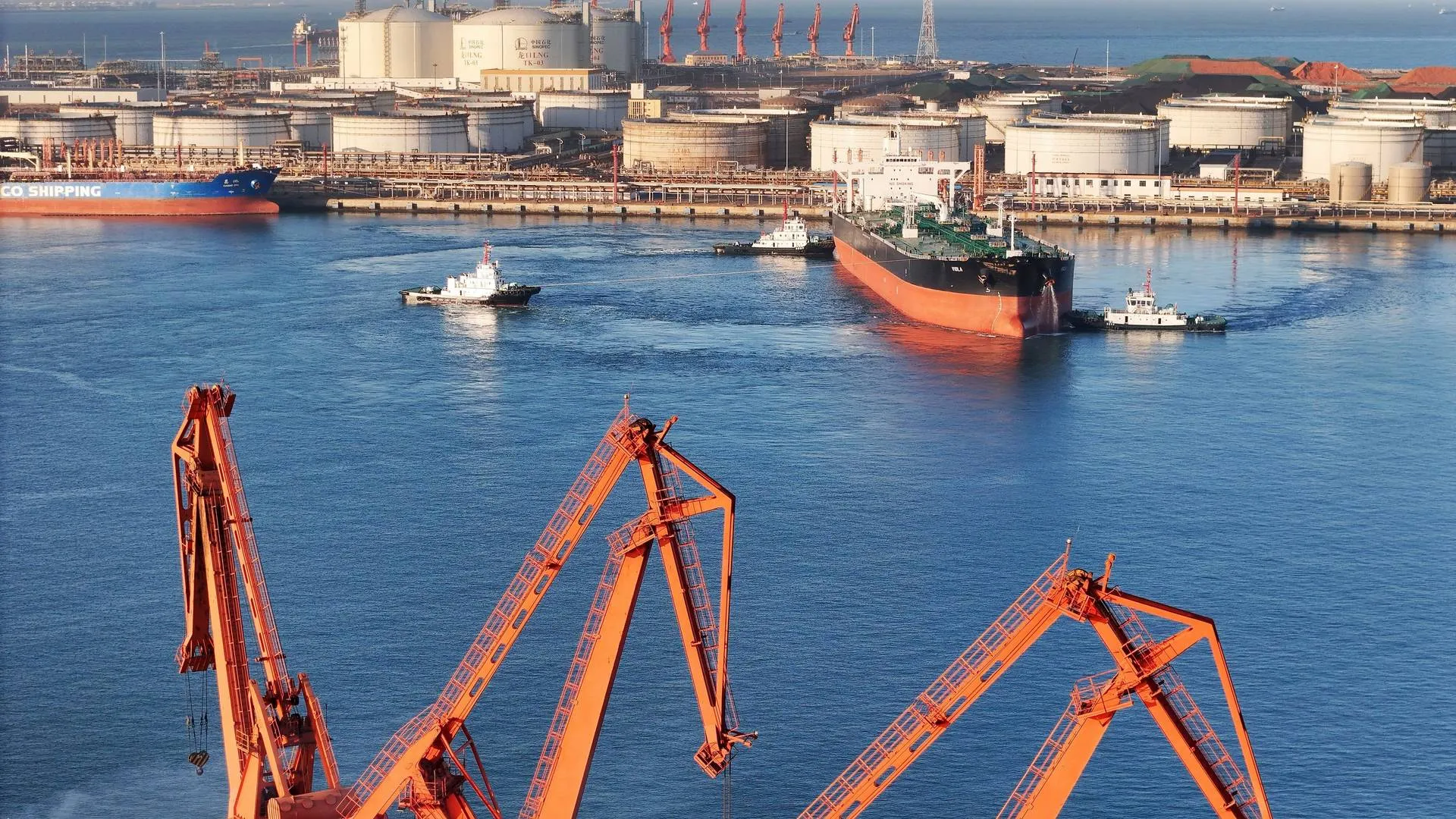
From a structural perspective, the tanker segment is undoubtedly the core driver of this order wave. In the first quarter, Greek shipowners ordered a total of 63 tankers, with a total value of approximately USD 6 billion. Both the quantity and value hit new cyclical highs, significantly exceeding the previous record of 48 vessels set in the second quarter of 2024.
More noteworthy is the trend of orders concentrating on large vessel types: 24 orders for /ULCCs and 23 orders for Suezmax tankers, together accounting for 75% of total tanker orders, corresponding to an investment scale exceeding USD 5.1 billion. In comparison, Greek shipowners placed orders for only 2 VLCCs and 9 Suezmax tankers in the same period of 2025, representing a significant increase.
The acceleration of this order wave stems from the ongoing structural restructuring in the long-haul crude oil seaborne market: lengthening voyage distances, fleet pattern divergence caused by geopolitical sanctions, coupled with persistent geopolitical risk premiums, have prompted shipowners to secure shipbuilding capacity early while yard slots remain available. As of the end of the first quarter of 2026, the tanker orderbook held by Greek shipowners surged to 381 vessels, a significant increase from 310 vessels in the fourth quarter of 2025 and 286 vessels in the same period last year, clearly reflecting Greek shipowners’ accelerated concentration in the large crude oil tanker segment.
Xclusiv added that the dry bulk carrier market also shows an active trend of upgrading to larger vessel types. In the first quarter of 2026, Greek shipowners finalized orders for 16 new dry bulk vessels, with a total value of approximately USD 1.05 billion. Although not aggressive in terms of quantity, the vessel type layout is highly targeted. Among them, there were 6 Capesize and 6 Newcastlemax vessels, together accounting for 75% of the total dry bulk orders placed in this quarter; while Handysize vessels have seen zero orders for three consecutive quarters.
Clearly, Greek shipowners are continuously shifting towards larger vessel types with stronger earning capacity, aligning with the market pattern where Capesize and Newcastlemax vessels have maintained high freight rate premiums over recent freight cycles. Currently, the dry bulk orderbook held by Greek shipowners has rebounded to 185 vessels, emerging from the cyclical low of 150 vessels seen in the third quarter of 2025.
Xclusiv stated that the proportion of gas carriers in the orderbook structure of Greek shipowners continues to expand structurally. In the first quarter of 2026, orders for 11 gas carriers were signed, including 9 large LNG carriers ranging from 140,000 to 200,000 cubic meters and 2 /small-sized vessels, with a total order value of approximately USD 2.4 billion, setting a historical high for single-quarter capital investment in gas carriers under this statistical metric. Currently, the gas carrier orderbook held by Greek shipowners stands at 104 vessels, demonstrating shipowners’ decisive increase in bets on the large LNG carrier segment, a shift in布局 that was almost unimaginable two years ago.
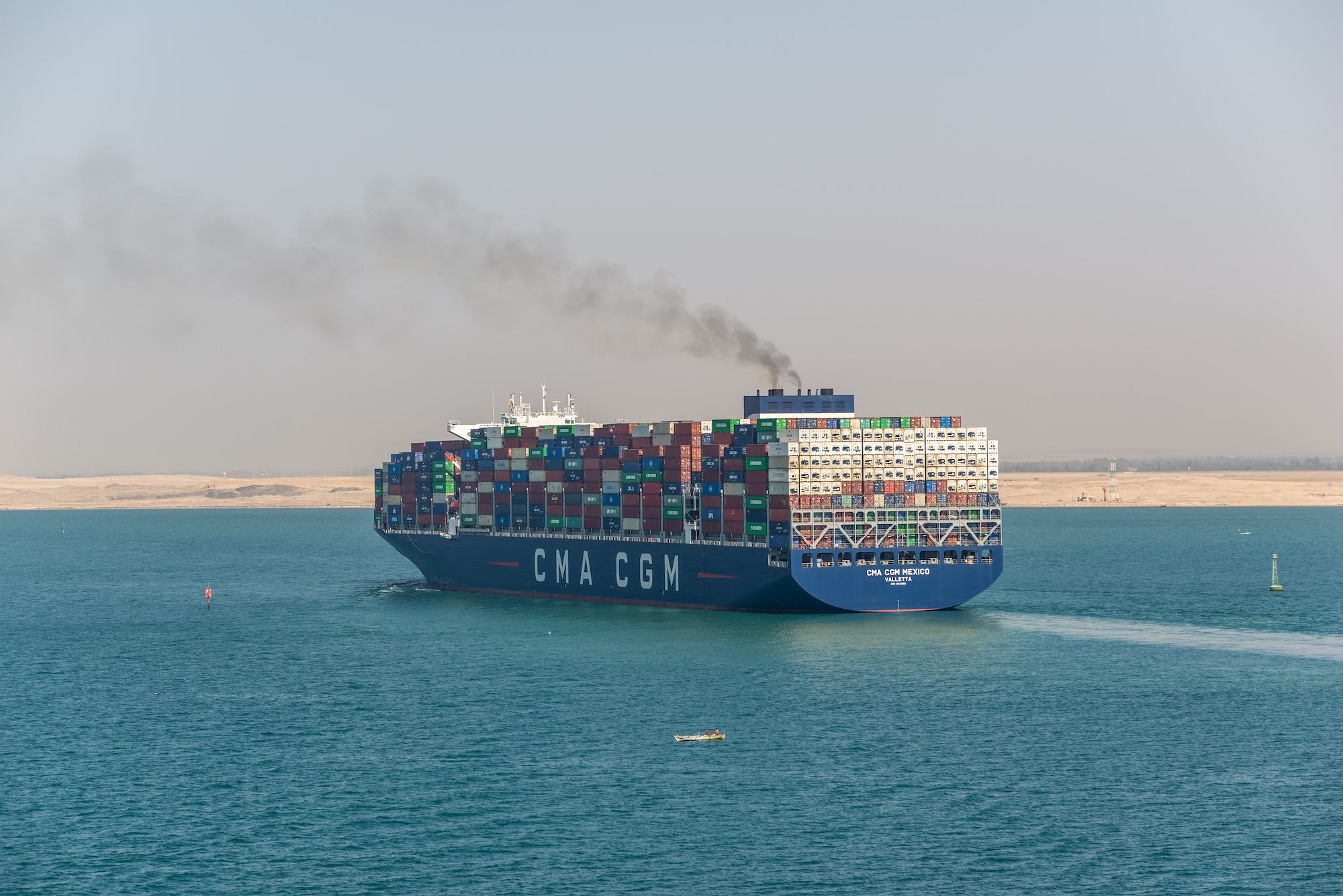
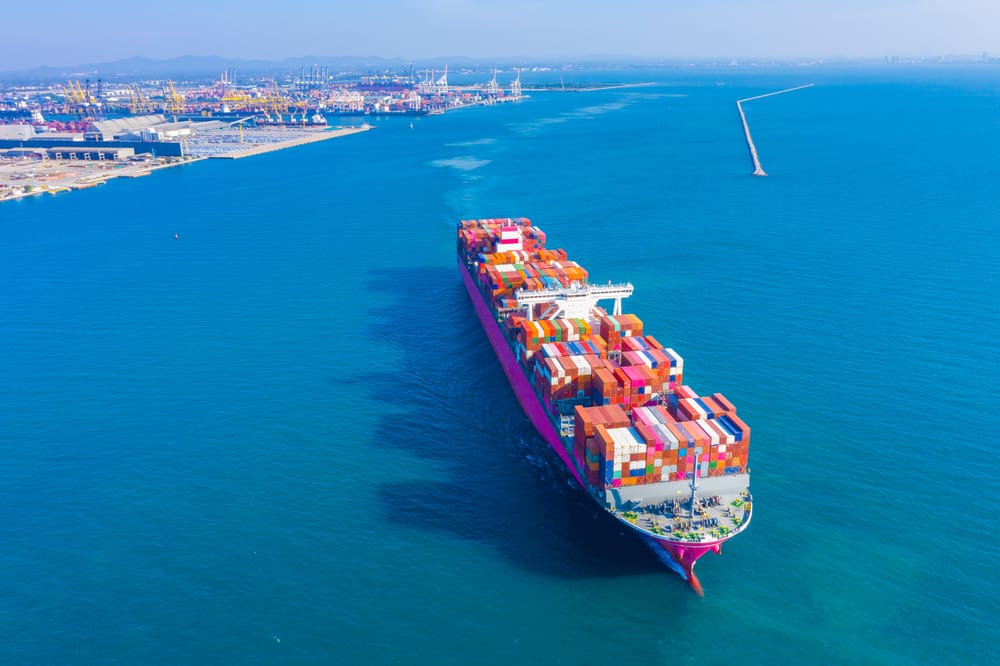
Container ship ordering remained cautious and restrained, with a layout focused on niche small and medium-sized vessel types. All 12 orders in the first quarter were for feeder and small container vessels, with a total value of approximately USD 578 million, pushing the Greek container ship orderbook to 168 vessels, a new high in the statistical series. However, the market saw no orders for Neo-Panamax or ultra-large container vessels, indicating that Greek shipowners prefer to maintain asset liquidity and operational flexibility, unwilling to blindly take heavy positions in the large container ship segment.
Xclusiv concluded that, considering the performance across all segments, the first quarter of 2026 has become a key inflection point for the development of Greek shipowners: the scale of capital investment in this round is unprecedented, funds are heavily skewed towards large vessels, and the布局 is concentrated in high-quality shipping segments with solid freight fundamentals and long-term favorable geopolitical support.