On May 6, a reporter learned from the Changsha Water Transport Affairs Center that in the first quarter, Changsha’s waterway transport turnover reached 65.48 billion ton-kilometers, a year-on-year surge of 105.61%, achieving double-digit growth.
Changsha’s water transport structure is continuously optimizing, presenting a development pattern of steady growth in inland rivers, a surge in coastal shipping, and positive trends in ocean shipping. Coastal shipping capacity expansion and high demand have become the main growth engine, with the trend of bulk cargo shifting from road to water becoming prominent; ocean shipping leverages strong foreign trade demand, with business scale continuously expanding and the internationalization level of shipping steadily improving. Currently, coastal and ocean shipping turnover accounts for over 78%. Changsha’s water transport is accelerating its transformation from regional inland river shipping to modern shipping that connects rivers to the sea and links globally, continuously enhancing its ability to serve national strategies and empower an export-oriented economy.
In the first quarter, Changsha’s port cargo throughput reached 6.1934 million tons. Affected by factors such as the dry season, low temperatures, and adjustments in cargo sources, local authorities have maintained the bottom line of ensuring smooth and unimpeded transport through measures such as optimizing ship scheduling, opening green channels for key material transport, and deepening the integration of port, industry, and city. The Tongguan, Xianing, and Jinxia port areas pursue differentiated development and coordinated efforts, leveraging industrial advantages to strengthen the transport of specialized cargo types such as lithium ore, grain, and commercial vehicles, effectively offsetting the pressure from the diversion of steel cargo sources.
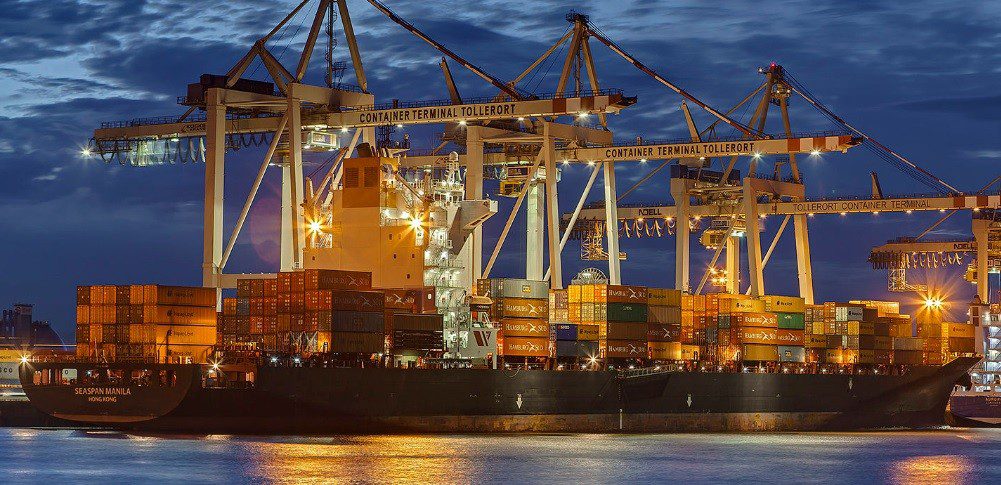
In the first quarter, both port container throughput and foreign trade cargo throughput achieved steady growth. Container throughput reached 48,000 TEUs, a year-on-year increase of 9.1%, benefiting from the effective implementation of policies promoting the shift from bulk to container and from rail to water, the continuous improvement of port operational efficiency, and the ongoing optimization and improvement of shipping routes; foreign trade cargo throughput reached 249,000 tons, a year-on-year increase of 8.8%, relying on the deep linkage between Changsha Port and the Changsha Area of the China (Hunan) Pilot Free Trade Zone, with the scale of water transport for local advantageous industries’ foreign trade steadily expanding.
Full Media Reporter Yang Jin, Correspondent Jin Xiaohua