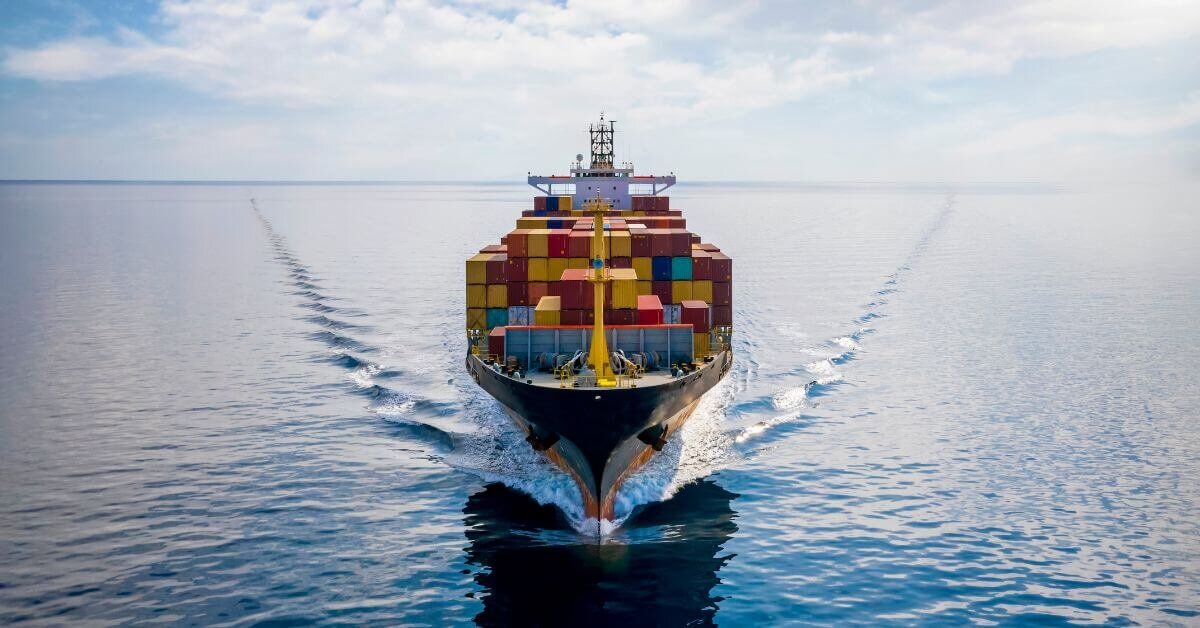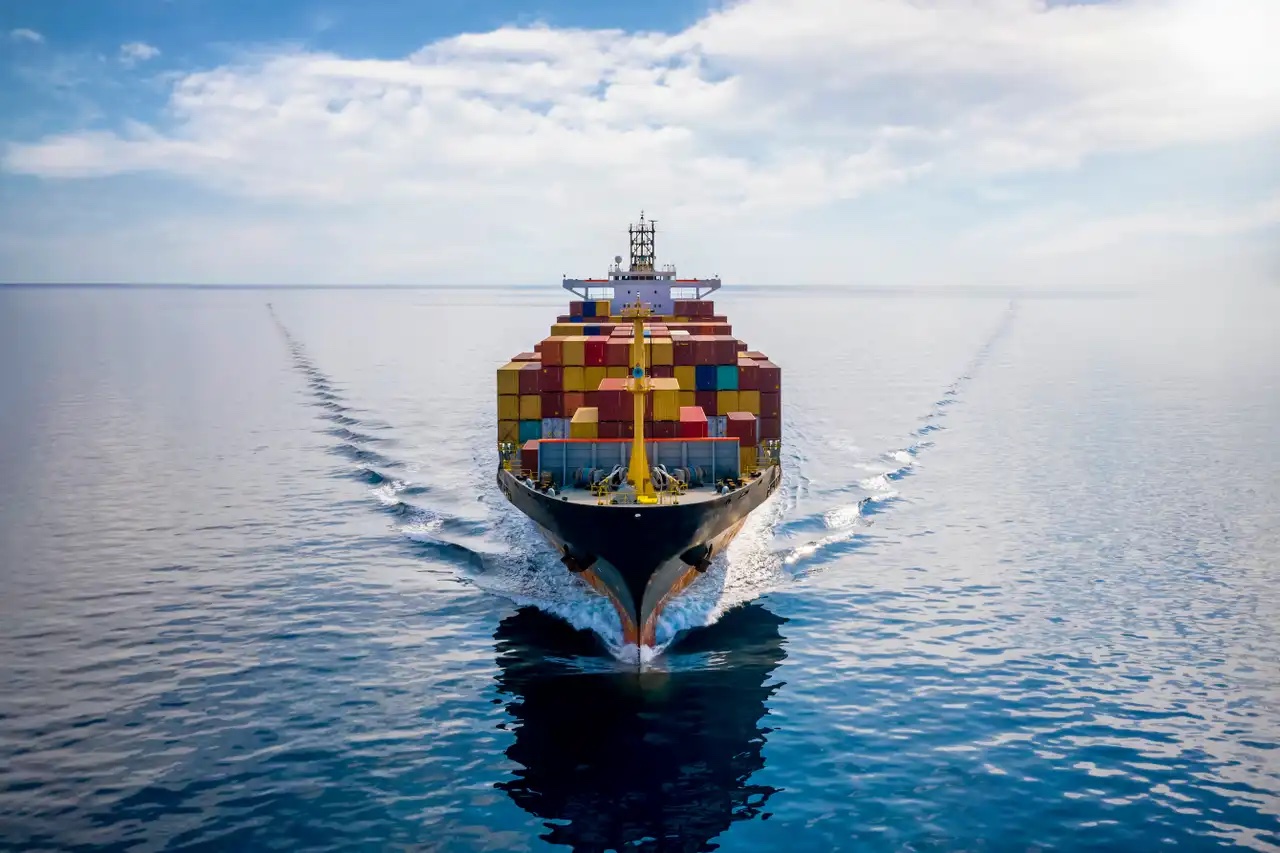
The need for fast and safe loading-unloading and rapid land transport of goods led to the development of the container.
This constituted a revolution in transport since goods can be transported inside the box in a safe manner and by any means (train, ship or airplane) without creating a need for repackaging.
Due to the enormous development of this method, containers have been standardized in dimensions in order to enable the change of transport means for the container. Thus, they are usually manufactured in cross-sectional dimensions of 2,435 mm × 2,435 mm and length of 6,035 mm (20 feet), or 12,190 mm (40 feet).
The construction materials of the frame are mainly common or anti-corrosion steel or aluminum alloys. For the walls, specially treated particle boards and plastic materials, or a combination of the above, are used. Its strength is particularly increased because during loading, travel and unloading it undergoes significant stresses (torsion, bending, compression, corrosion from the marine environment, dynamic stresses during acceleration or deceleration of the train and the rolling and pitching of the ship).
Source: The information for the above article was drawn from the book «Elements of Shipbuilding» by Emmanouil N. Zografakis (Educational Publication of the Eugenides Foundation, Athens 2024).