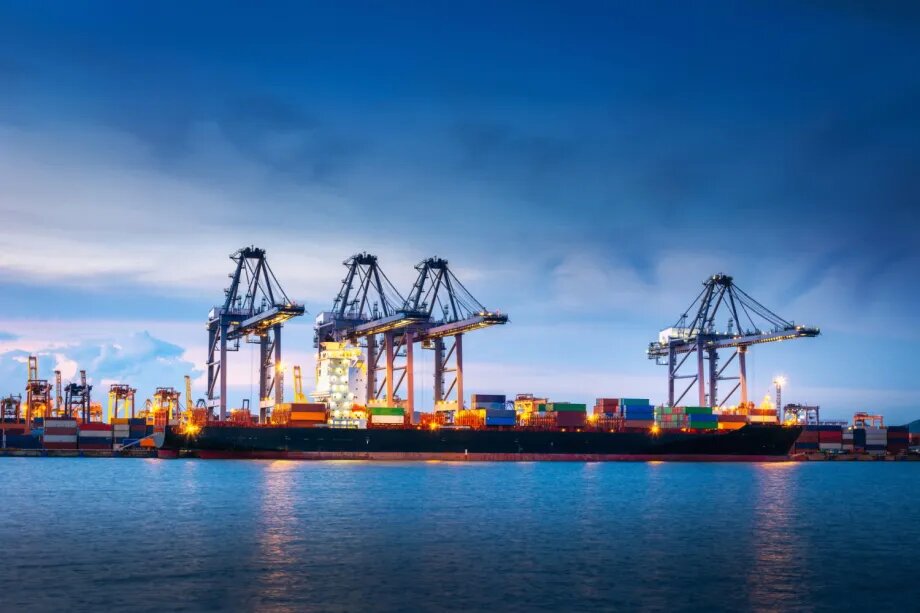
(LONG BEACH, Calif.) — The Port of Long Beach handled the most cargo in North America with double-digit growth in May, demonstrating resiliency in the face of tariffs and geopolitical uncertainty, Port CEO Dr. Noel Hacegaba announced Tuesday during his monthly Supply Chain Insight media briefing.
Last month, dockworkers and terminal operators handled 842,030 twenty-foot equivalent units (TEUs), up 31.7 percent from May 2025, making it the port’s third-busiest May on record.
Imports soared 40 percent to 418,851 TEUs, exports rose 32.9 percent to 109,168 TEUs and empty containers were up 21.8 percent to 314,012 TEUs.
The Port of Long Beach has processed 4,050,247 TEUs through the first five months of 2026, up 0.2 percent compared to the same period last year, putting the port on pace with its record year in 2025.
“These numbers reflect the strength and adaptability of the supply chain,” Hacegaba said. “Shippers are responding to the higher cost of doing business by moving cargo earlier and shippers continue to choose the Port of Long Beach for our reliability, efficiency and ability to move their cargo during complex times.”
According to Hacegaba, rising fuel costs, tariff uncertainty and geopolitical concerns are all contributing to expectations for an earlier peak shipping season – a busy summer with higher-than-normal cargo volumes anticipated in July and August. Companies are trying to stay ahead of potential cost increases and avoid delays later in the year.
The media briefing also included an in-depth conversation between Hacegaba and Harbor Trucking Association CEO Robert Loya about the effects of rising fuel prices on local truck drivers, workforce challenges and the ongoing transition to zero-emissions trucks. Nearly 73 percent of U.S. freight by weight is moved by truck.
Hacegaba also opined on the potential long-term effects of tariffs, energy availability and a peace agreement that led to the reopening of the Strait of Hormuz.
“While these issues may seem very different – security, energy markets and trade policy – they all point to the same challenge: uncertainty,” Hacegaba said. “Supply chains perform best when businesses can plan with confidence. Whether we’re talking about fuel costs, geopolitical risks, or tariff policy, predictability remains one of the most important drivers of supply chain efficiency and economic growth. As we look ahead, we’ll continue doing what the Port of Long Beach has always done – adapting to change, strengthening our resilience and keeping commerce moving for the nation we serve.”
– Port of Long Beach